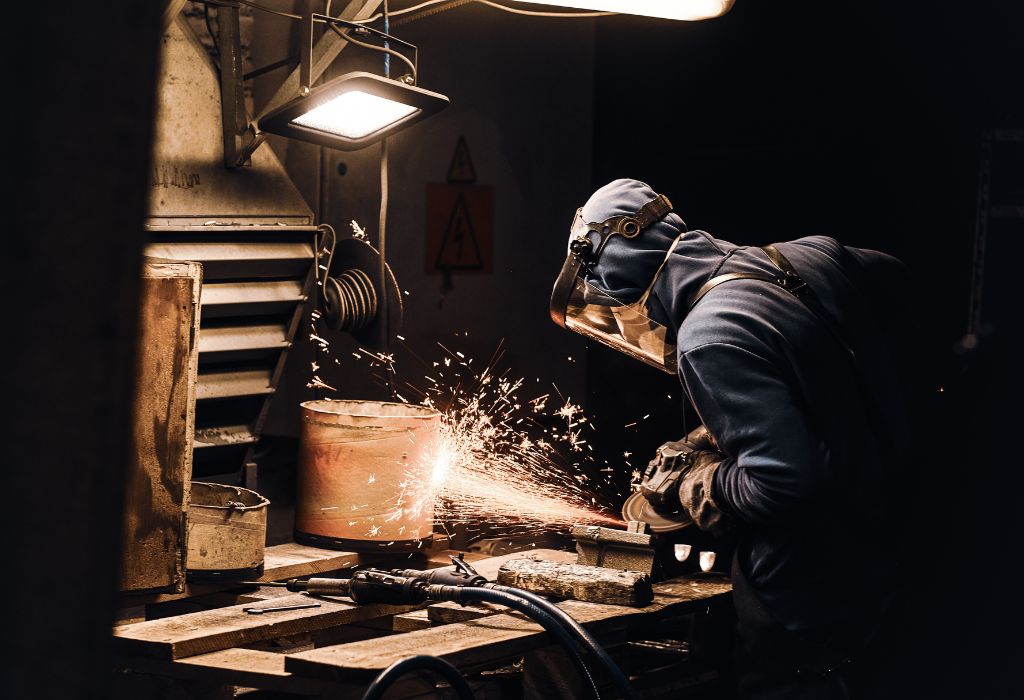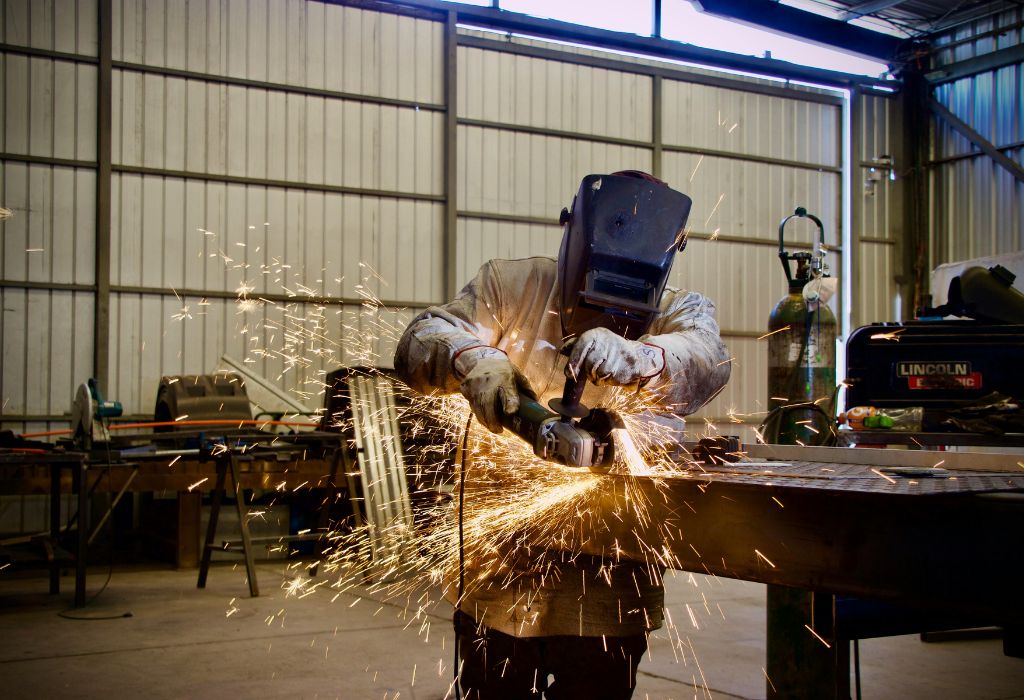
Picture a massive oil refinery pipeline or the structural frame of a high-rise building. In these environments, a single faulty weld could lead to catastrophic failure.
This is why industries demand welders with proven skills backed by recognized standards. The professionals who meet this need are known as coded welders.
A coded welder is someone who has successfully passed a welder approval test under a specific welding code or standard.
Unlike general welders, coded welders must demonstrate their ability to produce sound welds under tightly controlled conditions.
These codes—such as ASME Section IX, AWS D1.1, or ISO 9606—define exact requirements for materials, positions, thicknesses, and inspection methods.
Only welders who meet these standards are authorized to work on safety-critical projects like pressure vessels, pipelines, and bridges.
The importance of coding becomes clearer when considering the risks. Weld failures are estimated to cost industries billions of dollars each year in rework, downtime, and liability claims (ScienceDirect).
By employing coded welders, companies reduce defects, meet regulatory compliance, and ensure public safety.
Demand for coded welders continues to rise, especially in oil and gas, power generation, shipbuilding, and heavy infrastructure.
For welders, gaining coded status often means higher pay, better career opportunities, and long-term job security.
In this guide, we will explore what a coded welder is, why the role is crucial, the differences between coded and certified welders, the testing process, challenges, and the career value this qualification provides.
By the end, you’ll understand why coded welders are at the heart of industries that cannot afford to compromise on quality.
What Does What Is a Coded Welder Mean?

A coded welder is a professional who has passed a welder approval test under a specific code or standard. This means their skills have been formally verified for welding processes in high-risk or safety-critical environments.
The term “code” refers to a published standard that defines exact welding parameters. Well-known examples include ASME Section IX, AWS D1.1, ISO 9606, and BS EN standards, each with strict guidelines for testing and approval.
These codes specify important details such as base materials, filler metals, joint configurations, and welding positions. A welder who demonstrates competence under these conditions earns the title of coded welder.
Coded welders are often required in industries where failure is not an option. Typical applications include pressure vessels, pipelines, shipbuilding, and structural steel projects where weld quality must be guaranteed.
Some welders are multi-coded, meaning they hold approvals under more than one standard or in multiple positions. This flexibility increases their job opportunities and value across different industries.
What is a coded welder?
A welder who has passed an official test under a recognized code, proving their ability to weld safely and consistently under set conditions.
What is a welding code or standard?
A code is a rulebook, such as ASME IX or ISO 9606, that defines how welds must be performed and tested for quality and safety.
Why can’t one general certificate cover all welding jobs?
Because each project requires specific parameters, including materials, positions, and inspection levels, which differ by code.
What is multi-coding?
It means a welder holds approvals in multiple codes, positions, or welding processes, increasing their qualifications.
Does coding always imply safety-critical work?
Yes, coded welders are typically employed in industries where weld failure could have severe safety or financial consequences.
Why Do Industries Require a Coded Welder?
Industries depend on coded welders because their work involves safety-critical components. A single weld failure in a pressure vessel or structural beam could lead to catastrophic accidents.
Coded welders provide assurance that all welds meet the strict quality levels set by international standards. This ensures projects comply with safety regulations and industry codes.
Insurance companies and government bodies often require coded welders on projects. This compliance helps companies avoid liability, penalties, and costly rework.
Employers also benefit from the efficiency coded welders bring. Their proven skills reduce weld defects, shorten inspection times, and ensure projects are delivered on schedule.
From pipelines and oil rigs to bridges and power plants, coded welders are trusted to deliver welds that maintain integrity under extreme conditions.
Why is coded welding necessary in high-pressure systems?
Because weld failure under pressure can cause leaks, explosions, or complete structural collapse.
Do welding codes carry legal weight?
Yes, many industries legally require compliance with codes such as ASME IX or ISO 9606.
Can non-coded welders handle general welding work?
Yes, for non-critical tasks, but they cannot perform welding covered by regulatory codes.
Does hiring coded welders reduce project costs?
Yes, because it reduces rework, delays, and liability claims linked to weld failures.
Does being a coded welder improve career prospects?
Absolutely. Many industrial employers will only hire welders who hold current coding qualifications.
Coded vs Certified vs Qualified Welders
The terms coded, certified, and qualified welders are often confused, but they have distinct meanings. A coded welder is approved under a specific code, such as ASME IX or ISO 9606, after demonstrating practical welding ability.
A certified welder usually refers to someone who has passed a recognized certification exam. This may include both theoretical knowledge and practical skill, but it is not always tied to a particular welding code.
A qualified welder is generally approved by an employer or project to perform a specific type of welding. This qualification may be based on internal standards rather than international codes.
While these terms overlap, coded welders are required for high-risk and legally regulated projects. Certified welders may work in general fabrication, and qualified welders may be limited to specific roles within a company.
Understanding the differences helps both welders and employers select the right personnel for critical jobs. In practice, many professionals hold multiple credentials to maximize opportunities.
What is a certified welder?
A welder who has passed a recognized certification exam, often covering both theory and general practical tests.
What is a qualified welder?
A welder deemed competent for a particular process or project, usually approved by an employer’s internal assessment.
How is a coded welder different?
A coded welder must pass a performance test under a formal code, proving their ability to weld safely in highly controlled conditions.
Can one welder hold all three statuses?
Yes. Many welders are coded, certified, and qualified, depending on industry requirements.
Why is there confusion between these terms?
Because different industries and regions use them interchangeably, even though they mean different things.
Typical Codes, Standards, and Approvals for Coded Welders
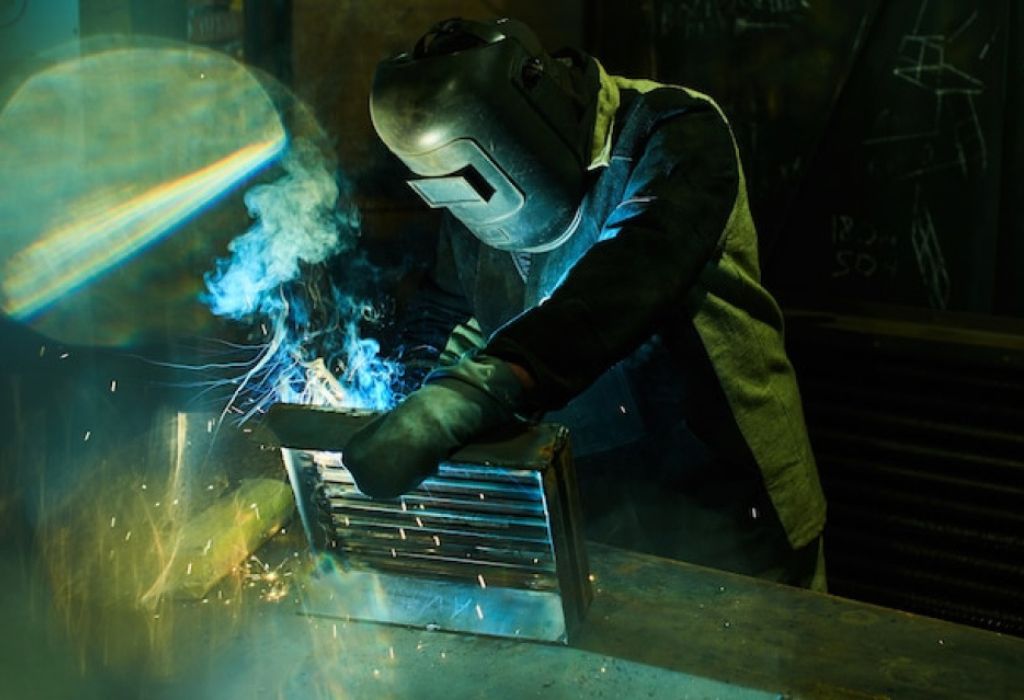
Coded welders are tested and approved under internationally recognized standards. These codes define exactly how welding should be performed, inspected, and approved for safety-critical applications.
Common codes include ASME Section IX, widely used in pressure vessel and piping industries, and AWS D1.1, which is the standard for structural steel in the United States. In Europe and the UK, ISO 9606 and BS EN standards are often required for coding.
Each code specifies unique requirements such as base materials, filler metals, joint configurations, and welding positions. Passing a test under one code only qualifies a welder for that specific scope.
In addition to the welder’s test, several supporting documents ensure compliance. These include the Welding Procedure Specification (WPS), the Procedure Qualification Record (PQR), and the Welder Qualification Test Record (WQTR). These documents prove that both the welder and the welding process meet code standards.
Coded tests are evaluated using destructive methods, like bend or break tests, and non-destructive methods, such as radiography or ultrasonic testing. Most coding approvals are valid for up to two years, but they may require renewal sooner if the welder does not work under the code for several months.
What codes do coded welders usually test under?
The most common include ASME IX, AWS D1.1, BS EN ISO 9606, and BS 4872.
What is a WPS or PQR?
A WPS is a document that specifies how a weld should be made, and a PQR records test results that prove the procedure works.
How are coding tests evaluated?
Through both visual inspection and testing methods such as bend tests, X-ray, or ultrasonic inspection.
How long does a coding certificate remain valid?
Typically up to two years, but some codes require reapproval if the welder does not perform coded work within six months.
What happens if a welder fails a coding test?
They must retrain and retest under the same code until they demonstrate acceptable weld quality.
How to Become a Coded Welder
The path to becoming a coded welder begins with mastering fundamental welding skills. Basic training in processes such as MIG, TIG, and Stick welding provides the foundation needed before attempting code-specific tests.
After gaining practical experience, welders typically select a target code based on industry demand. For example, those working in pipelines may pursue ASME IX, while structural welders may choose AWS D1.1 or ISO 9606.
Preparing for a coding test involves practice with test coupons, studying the welding code requirements, and working under supervision of experienced welders or instructors. Many training centers offer courses designed specifically to prepare candidates for coding tests.
During the test, welders must produce welds under strict parameters set by the chosen code. The welds are then inspected using visual checks, destructive testing, or non-destructive methods to confirm compliance.
Once successful, welders receive formal documentation proving their coded status. To maintain this qualification, they must stay active in coded work and undergo retesting at intervals set by the code, usually every one to two years.
What skills are required to become a coded welder?
Strong control of welding techniques, ability to read technical drawings, and precision in maintaining weld quality.
Can anyone take a coding test immediately after training?
Most welders need practical experience before attempting coding tests to improve their chances of success.
How do welders choose which code to test under?
The choice depends on their career goals and the industries they plan to work in, such as pipelines, shipbuilding, or structural welding.
What does the coding test involve?
Welding a test piece according to the code’s requirements, followed by rigorous inspection methods.
How can a welder keep their coding valid?
By performing coded welds regularly, logging activity, and retesting within the validity period set by the code.
Challenges, Risks, and Limitations of Coded Welding
Becoming a coded welder comes with several challenges. The cost of training, test fees, and consumables can be high, making it a significant investment for many welders.
Another limitation is that coding only applies to the specific test conditions. For example, passing a horizontal plate test under AWS D1.1 does not qualify a welder to weld pipes under ASME IX. Each code and position requires a separate approval.
Welders also face the risk of failing tests. A single defect found in destructive or radiographic testing can result in failure, requiring the welder to retrain and retest. This can be both costly and time-consuming.
Retesting and requalification requirements add further pressure. Many codes require welders to retest every one to two years, or sooner if they have not performed coded work for a set period.
Finally, coded qualifications are not always transferable between countries or industries. A welder who is coded under an ISO standard in Europe may need to retest under ASME IX to work in the United States.
What is the biggest barrier to becoming a coded welder?
The high cost of training and testing is often the main obstacle.
Do coded welders need to retest regularly?
Yes, most codes require retesting every one to two years to keep qualifications valid.
Can a welder fail the coding test?
Yes, if defects are detected during inspection, the welder must retrain and retest.
Does one code cover all types of welding?
No, coding is specific to the material, position, and process tested.
Are coding certificates recognized worldwide?
Not always. Welders may need to retest when working under different regional or industry standards.
Career Value, Salaries & Market Demand

Coded welders are among the most sought-after professionals in heavy industry. Their ability to meet strict safety and quality standards makes them indispensable in sectors where weld integrity cannot be compromised.
Industries such as oil and gas, power generation, shipbuilding, aerospace, and infrastructure rely heavily on coded welders. In these fields, demand remains consistently strong because projects require proven welding competence backed by internationally recognized codes.
Salaries for coded welders are generally higher than for non-coded welders. Employers are willing to pay a premium for professionals who reduce risk, minimize rework, and guarantee compliance with regulations. This wage advantage grows even larger for welders who hold multiple codes or specialize in high-demand areas like pipeline welding or offshore work.
Career progression for coded welders can be substantial. Many transition into supervisory roles, become welding inspectors, or move into writing Welding Procedure Specifications (WPS) and overseeing procedure qualifications.
As global industries expand and infrastructure ages, the need for skilled coded welders continues to grow. For welders seeking job security, higher earnings, and international opportunities, coding represents one of the most valuable career investments.
Do coded welders earn more than general welders?
Yes, they often receive higher pay due to their specialized qualifications and the high responsibility of their work.
Which industries hire coded welders most frequently?
Oil and gas, petrochemicals, shipbuilding, aerospace, structural steel, and power generation.
Is demand for coded welders global or regional?
Both. International standards like ISO create global demand, but local codes also drive strong regional markets.
Can coded welders move into inspection roles?
Yes, many experienced coded welders become welding inspectors or supervisors later in their careers.
Do coded welders enjoy long-term career stability?
Yes, because safety-critical projects will always require welders who can meet code standards.
Common Questions & Misconceptions
Many people confuse coded welding with certification. While both prove a welder’s ability, coding specifically ties the welder’s skills to a recognized code such as ASME IX or ISO 9606. Certification alone may not meet the requirements for high-risk projects.
Not every welder needs to be coded. General fabrication and decorative welding often do not require coding, but industries involving pipelines, vessels, and structural steel almost always do.
Another misconception is that once a welder is coded, they can perform any welding job. In reality, coding only applies to the process, material, and position tested. A welder may need multiple codes to cover different job requirements.
Some believe coding lasts for life. In practice, coding has strict validity limits. Most codes require welders to retest every one to two years, or sooner if they have not actively performed coded welding.
Finally, coding is sometimes seen as only necessary for large-scale projects. In truth, even small jobs that involve safety risks or legal compliance may require coded welders.
Is coded welding the same as certification?
No. Certification can be general, while coding is tied to strict standards under a recognized code.
Does every welder need to be coded?
No, only those working on safety-critical or regulated projects must be coded.
Can a coded welder perform all types of welding?
No. Coding is specific to the test conditions, such as process, material, and position.
Do coding approvals last forever?
No. They expire and require regular retesting or proof of continuous practice.
Is coding only for large industrial projects?
No. Even smaller jobs that involve safety or compliance may require coded welders.
Conclusion & Final Advice
Coded welders hold one of the most respected roles in the welding industry. By proving their skills under recognized codes, they ensure the integrity of structures and systems where safety cannot be compromised.
From pipelines and pressure vessels to bridges and aerospace components, coded welders are trusted to deliver reliable results. Their qualifications reduce risks, ensure compliance with international standards, and save industries from costly failures.
For welders, coding is more than just a credential—it is a gateway to higher pay, stronger job security, and opportunities in global industries. The process may be demanding, but the career rewards are substantial.
Anyone considering a welding career should view coding as a worthwhile investment. Staying committed to continuous practice, retesting on time, and earning multiple codes can make a welder highly competitive in today’s job market.
Whether starting out or advancing in the trade, understanding exactly what is a coded welder is the first step to unlocking opportunities in one of the most critical and valued professions worldwide.

I’m Darrell Julian, the founder, lead writer, and hands-on welding enthusiast behind ArcWeldingPro.com. With more than 15 years of real-world welding experience, I created this platform to share what I’ve learned in the field, in the shop, and in the heat of the arc.