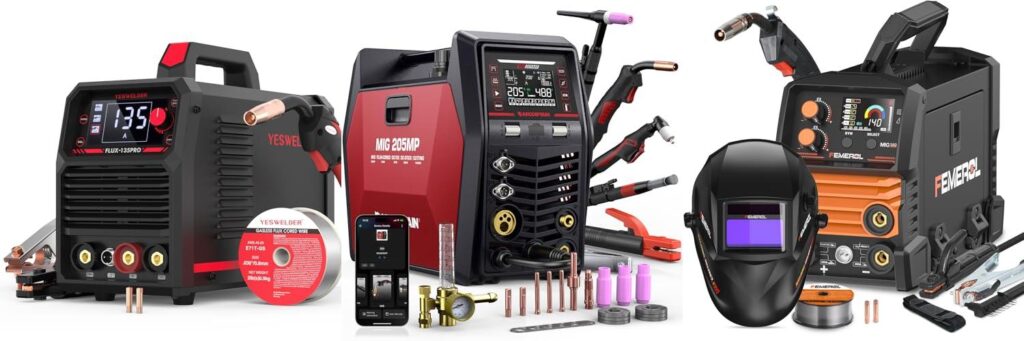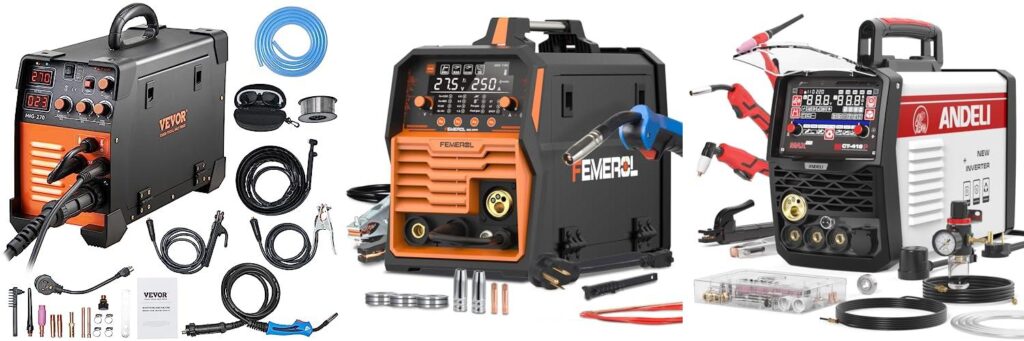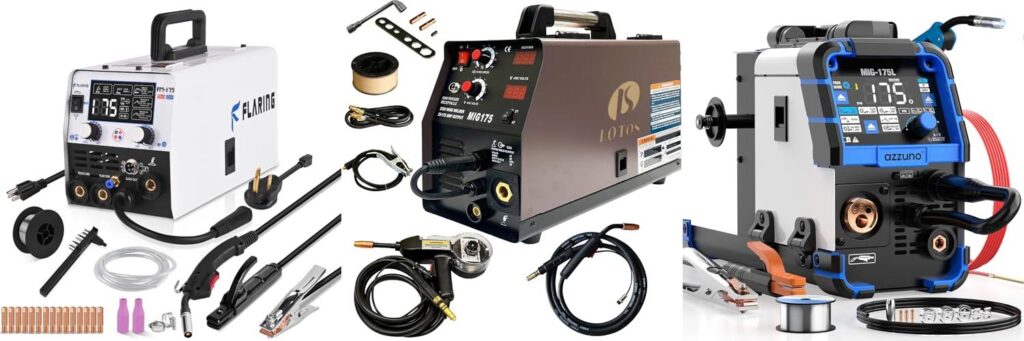
Argon welding is widely known for producing clean, strong, and visually appealing welds on sensitive metals. The right argon welder ensures your welds are free from oxidation, porosity, and contamination, even on thin materials.
Argon gas works as an effective shielding agent, protecting the molten pool from air and impurities during welding. This makes it the perfect choice for processes like TIG and MIG welding where precision and control are critical.
Modern argon welders combine inverter technology, digital control panels, and efficient cooling systems to enhance performance. These improvements make them suitable for both professional workshops and home-based fabrication setups.
When selecting an argon welder, factors such as amperage range, duty cycle, and gas flow control should be top priorities. A well-balanced machine allows you to weld everything from stainless steel to aluminum with confidence and consistency.
In this guide, we’ll explore the best 5 argon welders that offer reliability, smooth operation, and excellent value. Whether you’re a beginner or an expert, these machines will help you achieve precise and professional results on every weld.
Our Top 5 Argon Welding Machine Recommendations at a Glance
Top 5 Argon Welding Machine Detailed Reviews
1. Spot Welding Machine Argon Arc Welding Permanent Jewelry Welder Kit Weldable Solid Gold

Rating: 9.0/10
This Spot Welding Machine is a versatile tool for jewelry makers, repair specialists, and even orthodontists. It’s designed to work with precious metals like solid gold and aluminum, as well as titanium. This kit comes with everything you need to get started, including two boxes of tungsten needles, making it a convenient all-in-one solution for precise welding tasks.
What We Like:
- It works with many different metals, including gold, aluminum, and titanium.
- It has 5 different working modes to help you with various jobs.
- You can change the power and time to get the exact weld you want.
- The machine automatically adjusts itself to prevent mistakes.
- It’s small and easy to carry around.
- You can use it with or without argon gas, but argon makes the welds even better.
- It’s great for fixing jewelry, making new pieces, and even for dental work.
What Could Be Improved:
- It only works on metal rings between 0.5mm and 1.8mm thick.
- It won’t work on flat or block-shaped pieces.
This welder is a great tool for detailed metalwork. It offers a lot of control for precise and professional results.
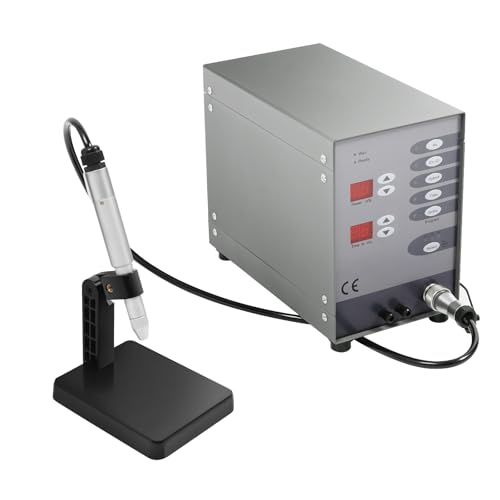
2. HZOPUTLH Automatic CNC Spot Welding Machine
Rating: 8.9/10
The HZOPUTLH Automatic CNC Spot Welding Machine is a powerful and versatile tool for jewelry makers and DIY enthusiasts. This portable, handheld welder uses pulse argon arc technology to create strong, precise welds. Its compact design and user-friendly features make it ideal for a variety of repair and crafting tasks. The built-in LCD screen and adjustable settings ensure you get the perfect weld every time, even on delicate pieces. It’s designed to protect your work while providing a stable and reliable welding experience.
What We Like:
- The welding function is excellent and protects your items.
- You can easily adjust the welding time and power for different jobs.
- It has stable feet that stop it from slipping.
- It automatically matches current and voltage, and comes with an easy-to-understand English manual.
- It’s great for home DIY and repairing jewelry, especially for round openings.
What Could Be Improved:
- While powerful, it’s primarily designed for specific jewelry applications and might not be suited for heavier industrial welding.
- The 110V power requirement means it needs a compatible outlet, limiting its use in some locations without an adapter.
This HZOPUTLH welder offers a great balance of power and ease of use for jewelry repair and creation. Its thoughtful design makes it a valuable addition to any home workshop.
3. YIEPET Jewelry Automatic Spot Welding Machine 110V 60HZ Pulse Argon arc Welding Machine Jewelry Welding Machine

Rating: 9.3/10
The YIEPET Jewelry Automatic Spot Welding Machine is a powerful yet compact tool for all your jewelry repair and DIY needs. This pulse argon arc welder lets you fix gold, silver, titanium, and other metal pieces with precision. It’s designed for ease of use, making it suitable for both beginners and experienced crafters. You can adjust settings easily to get the perfect weld every time.
What We Like:
- It’s small and light, weighing only 8KG, so it’s easy to move around.
- It has a simple one-key switch for different welding modes, with five quick settings.
- You can adjust the power and welding time for better control.
- It works efficiently and costs less than laser welding machines.
- The stainless steel body means it’s durable and will last a long time.
- It can weld pure gold, pure silver, titanium, and many other metal alloys.
- It can be used with or without argon gas, though argon makes the welds even better.
What Could Be Improved:
- It’s important to remember not to short-circuit the two electrodes.
- While it works without argon, the results are best with it, which is an extra step.
This welder is a fantastic option for anyone looking to do detailed metalwork at home. It offers great performance and versatility for jewelry makers and repair enthusiasts.
4. Automatic CNC Pulse Argon Arc Tig Jewelry Spot Welding Machine

Rating: 9.3/10
Are you looking to create beautiful and intricate jewelry with precision? The Automatic CNC Pulse Argon Arc Tig Jewelry Spot Welding Machine might be just what you need. This machine is designed for detailed welding tasks, making it ideal for jewelry makers and hobbyists. It uses advanced technology to give you control over your welding projects.
What We Like:
- Precise control for delicate jewelry work.
- Automatic CNC function makes complex welds easier.
- Can work without argon gas, offering flexibility.
- Pulse argon arc welding provides clean and strong joints.
- Compact design saves space in your workshop.
What Could Be Improved:
- Argon gas needs to be purchased separately.
- Requires a learning curve for optimal use.
- The initial setup might take some time.
This welding machine offers a powerful way to elevate your jewelry creations. While you’ll need to get your own argon gas for the best results, its core functionality is still impressive.
5. HZOPUTLH Pulse Argon Arc Welding Machine

Rating: 9.0/10
The HZOPUTLH Pulse Argon Arc Welding Machine is a versatile tool designed for a wide range of welding tasks, from delicate jewelry repair to more robust hardware work. Its 5-in-1 capability means it can handle gold, cobalt-chromium alloy, titanium, and even orthodontic applications, making it a go-to for jewelers and DIY enthusiasts alike.
What We Like:
- It offers five different welding modes, so you can tackle many projects with just one machine.
- The power is adjustable, going from 50A all the way up to 600A, giving you control for different jobs.
- It’s easy to use, even for beginners, because it can automatically set the right power.
- Professionals can also fine-tune the settings for their specific needs.
- The welder is lightweight and compact, making it simple to carry wherever you need to work.
- It works well on materials between 0.8mm and 3.5mm thick, perfect for jewelry and small metal parts.
What Could Be Improved:
- While it’s versatile, the 110V power might limit its use in areas with different electrical standards.
- The specific applications for orthodontic mode might require specialized knowledge.
This welder is a fantastic option for anyone needing precise and adaptable welding for small to medium-sized projects. It truly brings a lot of power and flexibility to your workspace.
Choosing Your Perfect Argon Welding Machine
Ready to weld with precision and a clean finish? An argon welding machine, also known as a TIG (Tungsten Inert Gas) welder, is your ticket to strong, beautiful welds. This guide will help you pick the right one.
1. Key Features to Look For
When you’re shopping for an argon welder, keep an eye out for these important features:
- Amperage Range: This tells you how much power the welder has. A wider range means you can weld thicker and thinner metals. Look for at least 100 amps for basic projects and more if you plan on tackling bigger jobs.
- Duty Cycle: This is how long the welder can run at a certain amperage before it needs to cool down. A higher duty cycle means you can weld for longer without breaks.
- AC/DC Capability: Some welders can do both AC and DC welding. AC is best for aluminum, while DC works well for steel and stainless steel. If you want to weld different metals, get a machine with both.
- High-Frequency Start: This feature helps you start the arc without touching the metal. It makes starting easier and protects your tungsten.
- Pulse Function: Pulsing the arc helps control heat. This is great for thin metals and gives you more control for cleaner welds.
- Portability: Some welders are small and light, making them easy to move around your workshop or take to different job sites.
2. Important Materials You Can Weld
Argon welders are fantastic for a variety of metals. You can weld:
- Steel: This is a common metal for many projects.
- Stainless Steel: Great for kitchen equipment and outdoor projects.
- Aluminum: This metal is lighter and rust-resistant.
- Titanium: A strong and lightweight metal used in aerospace and medical devices.
- Copper and Brass: Used in decorative items and plumbing.
3. Factors That Improve or Reduce Quality
The quality of your welds depends on a few things:
What Makes Welds Better:
- Good Machine Quality: A well-made welder with stable power will give you consistent results.
- Clean Metal: Always clean your metal before welding. Dirt and oil can cause weak or messy welds.
- Proper Technique: Learning how to move the torch and control the filler rod is key.
- Right Settings: Using the correct amperage and gas flow for your metal thickness matters a lot.
What Can Make Welds Worse:
- Low-Quality Machine: A cheap welder might have unstable power, leading to inconsistent welds.
- Dirty Materials: Welding over rust, paint, or oil creates weak spots and fumes.
- Incorrect Settings: Too much or too little heat can burn through metal or create weak joints.
- Poor Gas Flow: Not enough argon gas can let air get into the weld, making it weak and discolored.
4. User Experience and Use Cases
Argon welding machines are used by hobbyists and professionals alike.
Who Uses Them and Why:
- Hobbyists and DIYers: They use them for projects like building custom bike frames, repairing car parts, or creating metal art. The clean welds make projects look professional.
- Metal Fabricators: These pros use them to build everything from furniture to complex machinery. The precision is important for strong and good-looking results.
- Mechanics: They fix exhaust systems, repair radiators, and work on other vehicle parts where a clean, strong weld is needed.
- Artists: Sculptors and artists use them to join metal pieces for their creations.
The user experience is generally positive. Once you learn the basics, TIG welding offers a lot of control. You can make very precise welds, which is great for delicate work. It takes practice, but the results are worth it.
Frequently Asked Questions about Argon Welding Machines
Q: What is an argon welding machine?
A: An argon welding machine, also known as a TIG welder, uses an electric arc to join metals. It uses a non-consumable tungsten electrode and a shielding gas, usually argon, to protect the weld puddle from contamination.
Q: What are the main benefits of using an argon welder?
A: Argon welders produce very clean and strong welds. They offer excellent control, which is good for thin metals and intricate work. You can also weld a wide variety of metals.
Q: What is the difference between AC and DC welding?
A: AC (Alternating Current) is best for welding aluminum because it helps clean the metal’s surface. DC (Direct Current) is better for welding steel and stainless steel.
Q: Do I need to use filler metal with an argon welder?
A: Yes, in most cases. You’ll use a separate filler rod that you feed into the weld puddle with your other hand. Some very thin metals might be fused without filler.
Q: How much does an argon welding machine cost?
A: Prices vary a lot. Basic hobbyist models can start around $300-$500, while professional-grade machines can cost several thousand dollars.
Q: Is argon welding difficult to learn?
A: It takes practice. You need to coordinate holding the torch, feeding the filler rod, and controlling the pedal. However, many people find it rewarding once they get the hang of it.
Q: What kind of safety gear do I need?
A: You need a welding helmet with a dark lens to protect your eyes from the bright light. You also need flame-resistant clothing, gloves, and sturdy shoes.
Q: Can I weld aluminum with any argon welder?
A: You need an AC/DC TIG welder to effectively weld aluminum. Machines that only do DC can’t properly weld aluminum.
Q: What is a duty cycle, and why is it important?
A: The duty cycle is the percentage of time a welder can run at a specific amperage within a 10-minute period before needing to cool down. A higher duty cycle means you can weld for longer without interruption.
Q: Where can I buy an argon welding machine?
A: You can find them at welding supply stores, home improvement stores, and online retailers like Amazon.
In conclusion, every product has unique features and benefits. We hope this review helps you decide if it meets your needs. An informed choice ensures the best experience.
If you have any questions or feedback, please share them in the comments. Your input helps everyone. Thank you for reading.

I’m Darrell Julian, the founder, lead writer, and hands-on welding enthusiast behind ArcWeldingPro.com. With more than 15 years of real-world welding experience, I created this platform to share what I’ve learned in the field, in the shop, and in the heat of the arc.