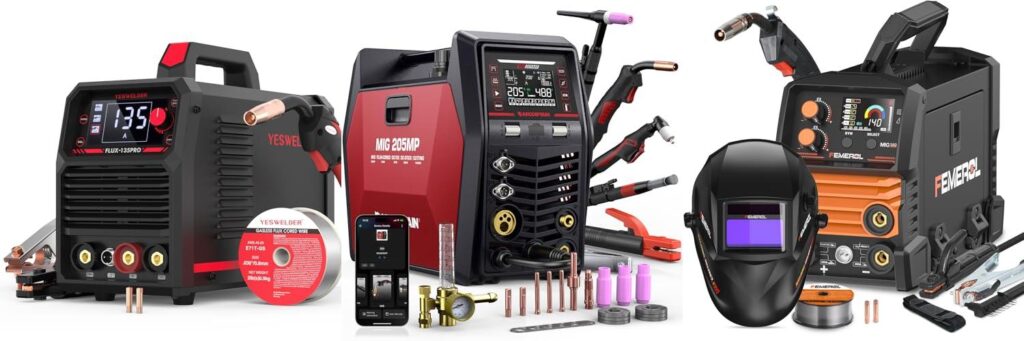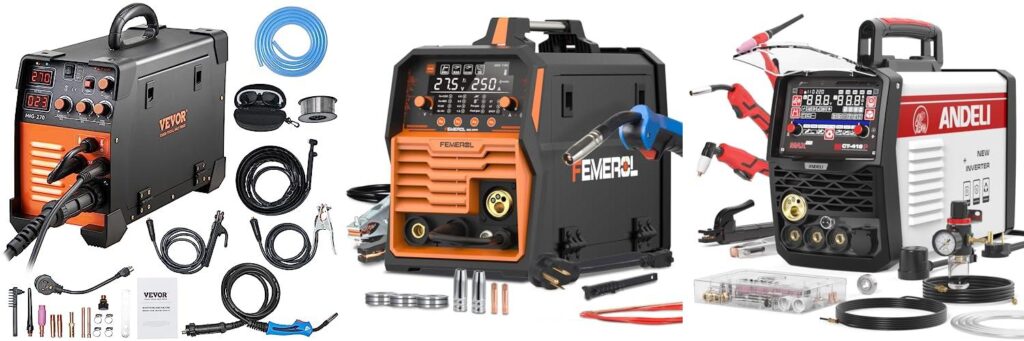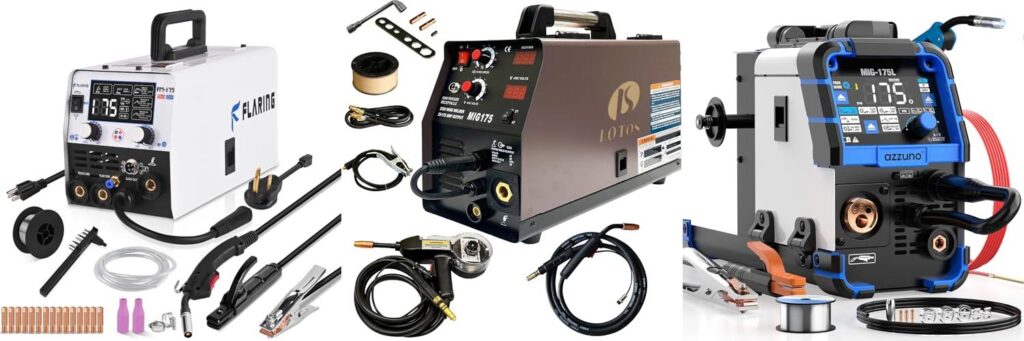
Our Top 5 Shielding Gas For Tig Welding Recommendations at a Glance
Top 5 Shielding Gas For Tig Welding Detailed Reviews
1. 40 cu/ft 100% Argon Welding Gas Cylinder Tank CGA 580 – FULL

Rating: 8.5/10
This 40 cubic foot, 100% Argon welding gas cylinder is a full tank ready for your welding projects. It features a CGA 580 valve connection, which is standard for many welding applications. This cylinder provides pure argon gas, essential for certain types of welding like TIG welding for aluminum and other non-ferrous metals, ensuring clean and strong welds.
What We Like:
- Reliable and Ready: The cylinder comes full of 100% Argon, so you can start welding right away.
- Long-Lasting Assurance: All High Pressure (HP) cylinders have a 10-year hydrotest date stamp, meaning they are built to last and have passed safety tests.
- Recent Testing: Every cylinder is within 2 years of its stamped date, showing it’s recently been tested and is safe to use.
- Meets Standards: The tank meets DOT and/or ISO regulations, ensuring it’s safe and legal for transport and use.
- Clear Identification: The DOT number is stamped on the tank, making it easy to identify and track.
What Could Be Improved:
- Shipping Limitations: Shipping is only available to the Continental US (Lower 48 States), which means customers in Alaska, Hawaii, or other territories cannot purchase this item.
This argon cylinder offers a dependable gas supply for your welding needs. Its focus on safety and recent testing makes it a solid choice for welders looking for quality and peace of mind.
2. 80 cu/ft 75% Argon 25% CO2 Welding Gas Cylinder Tank CGA 580 – FULL

Rating: 8.8/10
This 80 cubic foot welding gas cylinder is filled with a 75% Argon and 25% CO2 mix. This gas blend is excellent for MIG welding many common metals like steel. It gives you a clean weld with good penetration. The cylinder comes full and ready to use for your welding projects.
What We Like:
- The cylinder is full of the gas you need for MIG welding.
- It meets important safety rules like DOT regulations.
- All new cylinders have a hydrotest date for safety and are within 2 years of that date.
- It’s a standard CGA 580 fitting, so it works with most MIG welders.
What Could Be Improved:
- Shipping is only available to the lower 48 United States.
This is a reliable and safe choice for your welding needs. It’s ready to go and meets all the necessary standards.
3. Yeswelder Argon/CO2 Mig Tig Flow Meter Gas Regulator Gauge Welding Weld with 8ft Gas Hose

Rating: 9.4/10
The Yeswelder Argon/CO2 Mig Tig Flow Meter Gas Regulator Gauge Welding Weld with 8ft Gas Hose is a handy tool for anyone doing MIG or TIG welding. It helps control the gas flow from your tank to your welding machine, ensuring a good weld. This regulator works with common Argon and CO2 tanks, making it a versatile choice for various welding projects.
What We Like:
- It fits most Argon and Argon/CO2 tanks thanks to its CGA-580 fitting.
- The flow meter accurately shows how much gas you’re using, from 0 to 60 CFH.
- The pressure gauge is large and easy to read, showing up to 4000 PSI.
- You can connect it in different ways to fit your setup, with options for 9/16″ x 18 or 5/8″ x 18 fittings, plus a 1/4″ barbed fitting.
- It comes with everything you need, including an 8ft gas hose, regulator, hose clamp, and mounting nut.
- The 8ft hose lets you keep your gas tank a safe distance from your work.
- It combines a regulator and flow meter into one unit, saving space and simplifying your setup.
What Could Be Improved:
- The square flow tube can be a bit tricky to read at a quick glance compared to a round one.
- While it has multiple connection options, understanding which one to use might require a little research for beginners.
This Yeswelder regulator is a solid choice for welders looking for accuracy and convenience. It provides good control over your gas flow and comes with useful accessories to get you started right away.
4. Yeswelder Argon/CO2 Mig Tig Flow Meter Gas Regulator Gauge Welding Weld

Rating: 8.7/10
The Yeswelder Argon/CO2 Mig Tig Flow Meter Gas Regulator Gauge Welding Weld is a handy tool for anyone doing MIG or TIG welding. It helps you control the gas flow precisely. This regulator works with common Argon and CO2 tanks, making it super useful. It’s also great for jobs in the chemical and electronics fields.
What We Like:
- It fits standard Argon and Argon/CO2 tanks easily with its CGA-580 fitting.
- The flow meter is very accurate. It shows gas flow from 0 to 60 CFH with a clear ball indicator.
- The large pressure gauge (0-4000 PSI) is easy to read.
- It has flexible outlet options. It fits both 9/16″ x 18 nuts and 5/8″ x 18 fittings.
- A 1/4″ barbed fitting is included for more connection choices.
- The package comes with everything you need: the regulator, a hose clamp, and a mounting nut.
- You can connect it in three different ways to suit your setup.
- It combines a regulator and a flow meter into one unit, saving space.
What Could Be Improved:
- While it’s great for common welding gases, it might not be suitable for all specialty gas mixtures without specific adapters.
This Yeswelder regulator is a solid choice for welders and professionals. It offers accuracy and flexibility for your gas control needs.
5. RX WELD Argon Regulator Flowmeter Gas Gauge for Mig Tig Weld with Gas Welding Hose

Rating: 9.4/10
The RX WELD Argon Regulator Flowmeter Gas Gauge is a solid tool for anyone doing MIG or TIG welding. It helps you control the gas flow precisely, which is super important for getting good welds. This regulator is built tough and designed to give you accurate readings, making your welding projects easier and more successful.
What We Like:
- It connects easily to common Argon, Helium, and CO2 tanks thanks to its CGA-580 connector.
- You get flexible connection options with multiple outlet connectors that fit different fittings, plus a standard barbed fitting.
- The gas flow gauge is accurate and adjustable, letting you set the flow from 10 to 60 cfh using a clear ball indicator.
- It’s made from high-quality brass, so it can handle tough work environments and last a long time.
- The package includes everything you need to get started: the regulator, a 6.6ft hose, and a hose clamp with a mounting nut.
- RX WELD offers more accessories, so you can feel confident using it for all your welding needs.
- It’s a great, affordable option for welders who need precise gas control.
What Could Be Improved:
- While it’s well-made, some users might prefer a heavier-duty feel for extremely demanding industrial use.
- The flow rate indication is a simple ball in a tube; a digital display might offer even finer precision for highly specialized tasks.
This RX WELD regulator is a smart choice for welders looking for accuracy and reliability without breaking the bank. It provides the control you need for great-looking welds.
Choosing the Right Shielding Gas for TIG Welding: Your Ultimate Guide
TIG welding is a fantastic way to create strong, clean welds. But to get those beautiful results, you need the right shielding gas. This gas protects your weld pool from the air, which can cause defects. Let’s dive into what you need to know.
Key Features to Look For in Shielding Gas
When you’re picking a shielding gas, think about these important things:
- Purity: You want a gas that is very clean. Impurities can cause problems with your weld. High purity means a better weld.
- Gas Type: Different gases work best for different metals. We’ll talk more about this soon.
- Flow Rate: This is how much gas comes out of your torch. You need the right amount. Too little, and you won’t get enough protection. Too much, and you waste gas and can even blow away your weld pool.
- Cylinder Size and Availability: Consider how much welding you do. Smaller tanks are good for occasional use. Larger tanks are better for frequent welding. Make sure you can easily get refills.
Important Materials and Their Gas Needs
The metal you are welding is the biggest factor in choosing your gas.
- Aluminum: Argon is the go-to gas for aluminum. It gives a nice, clean weld. Sometimes, you might add a little helium to argon. This helps with heat and penetration, especially on thicker aluminum.
- Steel (Carbon Steel and Stainless Steel): For carbon steel, pure argon works. However, adding a small amount of carbon dioxide (CO2) or a mix with argon and CO2 can improve weld penetration and speed. For stainless steel, pure argon is a good start. Adding a small percentage of helium or nitrogen can improve the weld’s appearance and properties.
- Titanium and Other Exotic Metals: These metals are very sensitive to contamination. Pure argon is almost always the best choice. You need excellent shielding to prevent problems.
Factors That Improve or Reduce Weld Quality
The shielding gas plays a big role in how good your welds look and how strong they are.
- Improving Quality:
- Correct Gas Choice: Using the right gas for the metal is crucial.
- Proper Flow Rate: Setting the flow rate correctly protects the weld pool from air.
- Cleanliness: Make sure your gas is pure. No dirt or moisture!
- Good Torch Setup: Your TIG torch needs to be in good working order. The gas cup should be the right size.
- Reducing Quality:
- Wrong Gas: Using the wrong gas can lead to porosity (little holes) or contamination.
- Low Gas Flow: Not enough gas leaves your weld exposed to the air.
- High Gas Flow: Too much gas can cause turbulence. This can pull air into the weld. It also wastes gas.
- Contaminated Gas: If the gas has impurities, it will hurt your weld.
- Windy Conditions: Drafts can blow the shielding gas away. You need to shield your weld from wind.
User Experience and Use Cases
Your experience with TIG welding will guide your gas choices.
- Beginners: If you’re just starting, pure argon is a safe bet. It works well for many common metals like aluminum and steel. It’s forgiving and easy to manage.
- Hobbyists: For home projects, pure argon is usually fine. If you weld a lot of aluminum, you might consider a small argon/helium mix for faster welding.
- Professional Welders: Professionals often use specific gas mixes tailored for particular jobs. They might use argon with small amounts of hydrogen for stainless steel to get a very bright, clean bead. For demanding applications, they might use specialized gas blends.
- Specific Applications:
- General Purpose: Pure Argon.
- Thicker Aluminum: Argon with Helium.
- Steel Fabrication: Argon with CO2 or other mixes.
- High-Quality Stainless Steel: Argon with Helium or Nitrogen.
Choosing the right shielding gas is a key step to mastering TIG welding. With a little understanding, you can make sure your welds are strong, clean, and look great.
Frequently Asked Questions about Shielding Gas for TIG Welding
Q1: What is the most common shielding gas for TIG welding?
A: Pure argon is the most common shielding gas. It works well for many metals.
Q2: Can I use the same gas for aluminum and steel?
A: Pure argon works for both. However, mixes can be better for specific metals.
Q3: What happens if I use too much shielding gas?
A: Too much gas can create turbulence. This can pull air into your weld and cause problems.
Q4: What happens if I don’t use enough shielding gas?
A: Not enough gas means your weld pool is exposed to air. This can lead to porosity and contamination.
Q5: How do I know what flow rate to use?
A: Check your TIG welder’s manual or the gas supplier’s recommendations. It also depends on your gas cup size and welding conditions.
Q6: What is helium used for in TIG welding gas mixes?
A: Helium adds more heat to the weld. This helps with welding thicker metals and can speed up the process.
Q7: Is it important to have pure shielding gas?
A: Yes, purity is very important. Impurities in the gas can cause defects in your weld.
Q8: Can I use a CO2 cylinder from a soda dispenser for TIG welding?
A: No, you should not. CO2 from a soda dispenser is not pure enough. It also has oil and moisture that will ruin your weld.
Q9: How does wind affect my shielding gas?
A: Wind can blow the shielding gas away from your weld. This leaves it unprotected and can cause defects.
Q10: Where can I buy shielding gas for TIG welding?
A: You can buy shielding gas from welding supply stores, industrial gas suppliers, and some online retailers.
In conclusion, every product has unique features and benefits. We hope this review helps you decide if it meets your needs. An informed choice ensures the best experience.
If you have any questions or feedback, please share them in the comments. Your input helps everyone. Thank you for reading.

I’m Darrell Julian, the founder, lead writer, and hands-on welding enthusiast behind ArcWeldingPro.com. With more than 15 years of real-world welding experience, I created this platform to share what I’ve learned in the field, in the shop, and in the heat of the arc.