A welding helmet is the most important safety gear in any welder’s toolkit.
It shields your eyes, face, and skin from the extreme brightness and radiation of the welding arc.
But what happens when the helmet itself stops working?
A delayed darkening, a flicker, or a faint light leak can lead to serious injuries within seconds.
According to the U.S. Bureau of Labor Statistics, over 2,000 eye injuries occur daily in workplaces, many involving welding operations. Source
Most of these could be prevented simply by ensuring the helmet is working correctly before every use.
This guide explains how to tell if a welding helmet is working, how to test its sensors, power supply, and filters, and what to do if it starts malfunctioning.
Why It’s Important to Check Your Welding Helmet Regularly
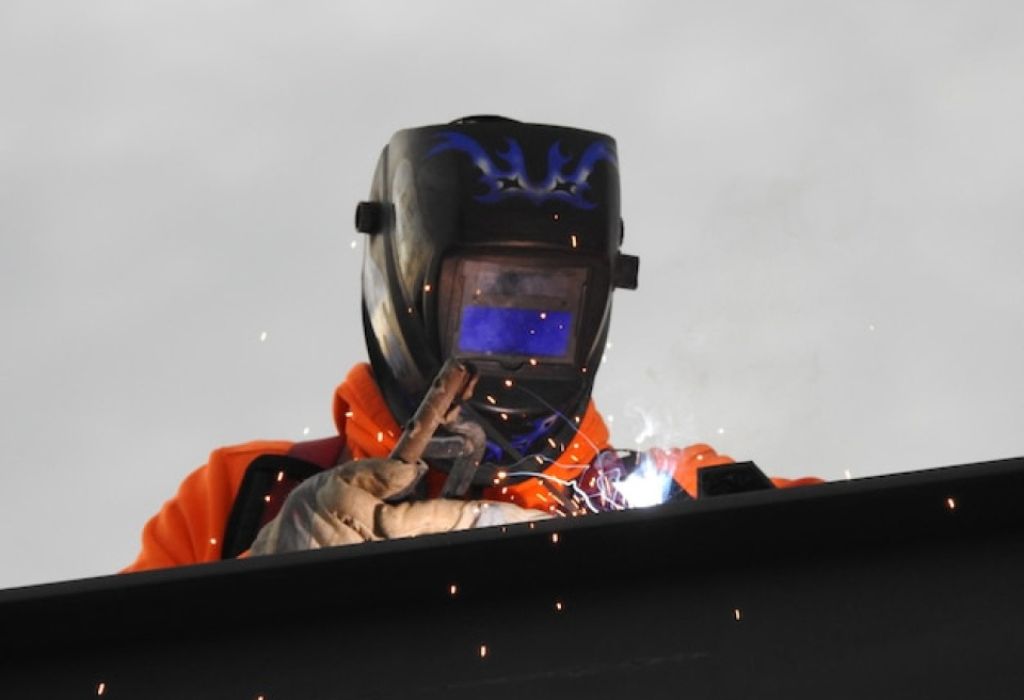
Welding helmets are designed to protect against ultraviolet (UV) and infrared (IR) radiation, intense light, and flying debris.
If a helmet fails even for a fraction of a second, permanent eye damage can occur.
Routine inspection ensures full protection and prevents what welders call arc eye, a painful condition caused by UV exposure.
How often should a welding helmet be tested?
Before each use and after any impact, lens change, or long storage period.
What happens if a helmet stops darkening?
UV rays can reach your eyes instantly, causing severe burns and temporary blindness.
Does a passive lens need testing too?
Yes. Even though it doesn’t have electronics, the filter can degrade, crack, or lose its protective coating over time.
Can sunlight damage sensors?
Prolonged exposure can weaken sensor responsiveness, especially if the helmet is left near bright windows or outdoors.
Visual Inspection: The First Step in Testing Functionality
Start with a thorough visual inspection.
Many helmet issues are visible long before they affect performance.
Check the outer shell for cracks, dents, or warping.
These defects can alter the sensor’s alignment or reduce protection during impact.
How do you inspect the lens for damage?
Hold it under bright light and tilt it gently. Any cloudiness, discoloration, or cracks means it needs replacement.
Why does a cracked outer cover affect performance?
Because even small scratches distort light entering the lens, making sensors respond inconsistently.
Should headgear be part of the inspection?
Yes. Loose or broken head straps make it hard to maintain the correct distance between your eyes and the filter.
When should you replace lens covers?
Whenever cleaning no longer restores clarity or you notice fine surface abrasions that blur the view.
How to Test Auto-Darkening Filters
Auto-darkening filters (ADFs) are the most critical part of modern welding helmets.
They automatically adjust to protect your eyes when the arc ignites.
There are several safe ways to test this feature before welding.
How to test a welding helmet with sunlight?
Step outdoors and face the helmet toward direct sunlight. The lens should darken instantly when light hits the sensors.
What if only one side darkens?
A sensor or internal circuit may have failed, and the lens unit needs replacement.
Can you use a TV remote for testing?
Yes. Point the remote at the sensors and press any button. The infrared signal should trigger the lens to darken.
What does a delayed darkening response mean?
Either the batteries are weak or the sensors are dirty. Replace the batteries first and clean sensor windows with a microfiber cloth.
Should the helmet darken indoors?
It should not darken under normal room lighting unless the sensitivity setting is too high.
Checking Power Supply and Sensors
Most modern welding helmets use a combination of solar cells and replaceable batteries.
Both must work together to keep the auto-darkening feature reliable.
If the power supply is weak, the lens may flicker or fail to darken in time.
How long do welding helmet batteries last?
Typically 2,000 to 3,000 hours of welding or one to two years of regular use.
Do solar cells charge indoors?
Only partially. Direct exposure to sunlight is necessary to recharge solar helmets fully.
Can weak batteries cause flashing?
Yes. The lens may alternate between dark and light states, creating eye strain.
Where are the sensors located?
Usually around the lens corners. Clean them gently with a dry microfiber cloth to remove dust and spatter.
What if sensors look foggy or dusty?
Avoid solvents. Wipe gently with a soft cloth to prevent scratching the lens surface.
Testing the Shade Level and Sensitivity Controls
Shade and sensitivity controls allow you to adjust how quickly and how dark the lens reacts.
Incorrect settings can make a functioning helmet appear faulty.
How to test sensitivity properly?
Turn the sensitivity dial to its highest setting, then expose the sensors to a flashlight or sunlight. The lens should darken instantly.
What shade should you use for TIG welding?
Generally between DIN 8 and 11, depending on amperage and brightness.
What if sensitivity is too high?
The lens may darken under bright shop lighting or sunlight even when you are not welding.
What if it stays too bright?
Increase sensitivity or check for obstructed sensors.
Do shade numbers vary by process?
Yes. Stick welding usually requires darker shades (10–13), while TIG welding uses lighter ranges (8–11).
Common Signs Your Welding Helmet Is Not Working
Recognizing early warning signs prevents accidents and costly repairs.
Most helmet failures show obvious behavior changes before complete malfunction.
Why does the helmet flicker during welding?
The battery may be weak, or the sensor cannot maintain a consistent signal.
What causes uneven darkening?
Sensor misalignment or an internal wiring fault. Replace the lens assembly if the issue persists.
What if the lens stays dark constantly?
A short circuit or stuck relay inside the ADF unit may be the cause.
Why does the helmet not turn on at all?
Dead batteries or corroded battery contacts often prevent activation.
Can cold weather affect performance?
Yes. At low temperatures, the LCD crystals in the filter slow down, causing delayed transitions.
Simple DIY Tests to Verify Functionality
There are a few simple ways to confirm your helmet is working without special tools.
These tests are quick, safe, and effective.
How does the TV remote test work?
Infrared light from the remote mimics welding arc radiation. Point it toward the sensors and press a button—the lens should darken.
Is it safe to test with an actual arc?
Yes, but wear safety glasses under the helmet for protection while observing reaction time.
What if no reaction occurs in any test?
The lens assembly may have failed or the power source is depleted. Try replacing batteries first.
Should I replace batteries or sensors first?
Always replace batteries before assuming sensor damage.
Can sensors be repaired at home?
No. They are sealed components. Replace the entire ADF cartridge if they stop working.
How Environmental Conditions Affect Helmet Performance
Temperature, humidity, and storage can influence how well a welding helmet operates.
Improper storage shortens lifespan and weakens the electronics inside.
Does cold weather slow darkening speed?
Yes. Most helmets are designed to function best between 32°F and 131°F.
Is it safe to leave the helmet in a hot vehicle?
No. Heat above 140°F can warp plastic components and damage circuits.
Can humidity affect the sensors?
Moisture can corrode internal connections and trigger false responses.
Should helmets be stored with batteries removed?
Yes, especially during long periods of inactivity.
Can dust accumulation cause sensitivity problems?
Yes. Dust and metal particles can block sensor windows and reduce accuracy.
Professional Calibration and Repair
Some advanced welding helmets can be serviced or calibrated by certified technicians.
This ensures proper sensitivity levels, optical clarity, and response speed.
Can a welding helmet be recalibrated?
Yes, but only by professionals or the manufacturer.
How much does repair cost?
Basic repairs average between $30 and $100, depending on the part.
What if replacement parts are unavailable?
Consider replacing the entire auto-darkening lens assembly or upgrading the helmet.
How often should calibration be done?
Once a year for frequent users, or whenever darkening becomes inconsistent.
Are repairs covered under warranty?
Yes, if the helmet is still under the original manufacturer’s coverage.
Preventive Maintenance for Long-Term Reliability
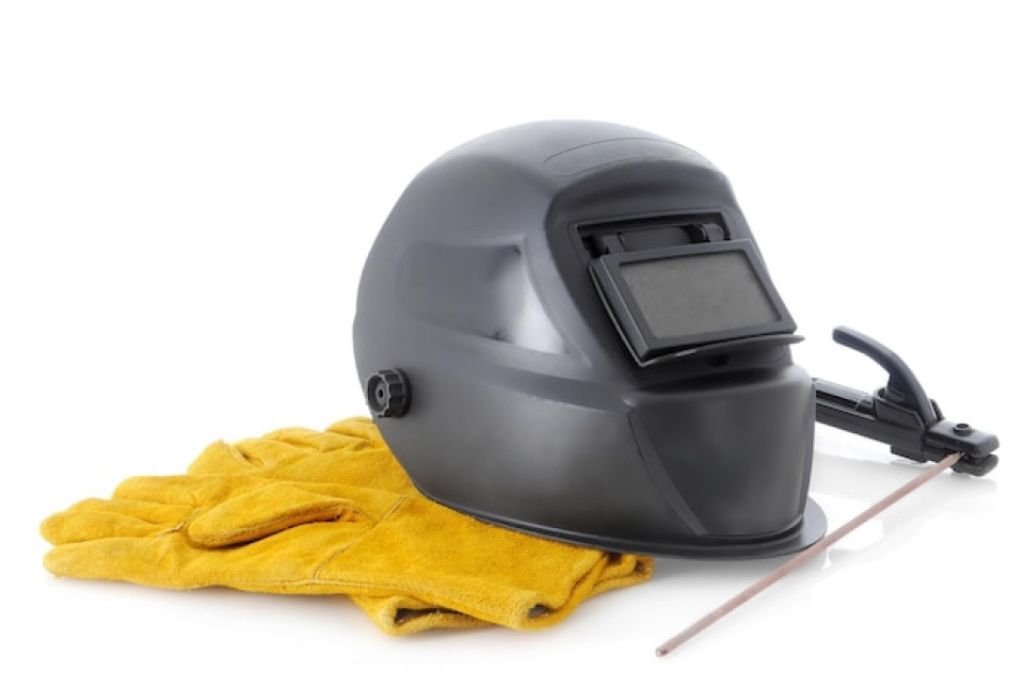
Proper maintenance can double the life of your welding helmet.
Regular cleaning and care keep the sensors and optics performing like new.
How often should lens covers be replaced?
Every few months, or sooner if you see scratches or discoloration.
What is the correct way to clean the lens?
Use mild soap and water. Avoid alcohol or strong chemicals that can damage coatings.
Should the helmet be stored upright or flat?
Upright is best, as it reduces pressure on the lens.
Can solar helmets charge indoors?
Only partially. Set them under bright light or sunlight for full recharge.
What is the average lifespan of an auto-darkening helmet?
About seven to ten years with regular maintenance and battery changes.
Safety Tips Before Welding
Even after testing your helmet, always follow standard safety practices.
Helmets protect your eyes, but additional precautions prevent accidents.
Should you wear safety glasses under the helmet?
Yes. They protect from debris and secondary reflections.
How do you confirm darkening before welding?
Run a quick sunlight or remote test before starting the job.
What if the helmet darkens randomly?
Reduce sensitivity and ensure the sensors are not reflecting nearby lighting.
Can old helmets be upgraded?
Some can accept modern ADF inserts. Check compatibility before purchase.
Is there a quick checklist before welding?
Yes: clean the lens, test auto-darkening, verify battery power, and wear safety glasses.
Conclusion: Confirming Your Helmet Works Before Every Weld
Knowing how to tell if a welding helmet is working is one of the simplest yet most important safety habits a welder can practice.
A quick inspection takes less than a minute but can prevent weeks of pain or lost productivity.
Always test darkening speed, battery strength, and lens clarity before every job.
Replace worn covers, clean sensors, and store your helmet correctly.
If you notice flickering, slow response, or uneven shading, stop welding immediately and inspect or replace the unit.
Your eyesight is irreplaceable—treat your helmet like the safety device it truly is.
When maintained properly, a good helmet will last for years and protect you every time the arc lights up.
Check it, test it, and weld safely.

I’m Darrell Julian, the founder, lead writer, and hands-on welding enthusiast behind ArcWeldingPro.com. With more than 15 years of real-world welding experience, I created this platform to share what I’ve learned in the field, in the shop, and in the heat of the arc.