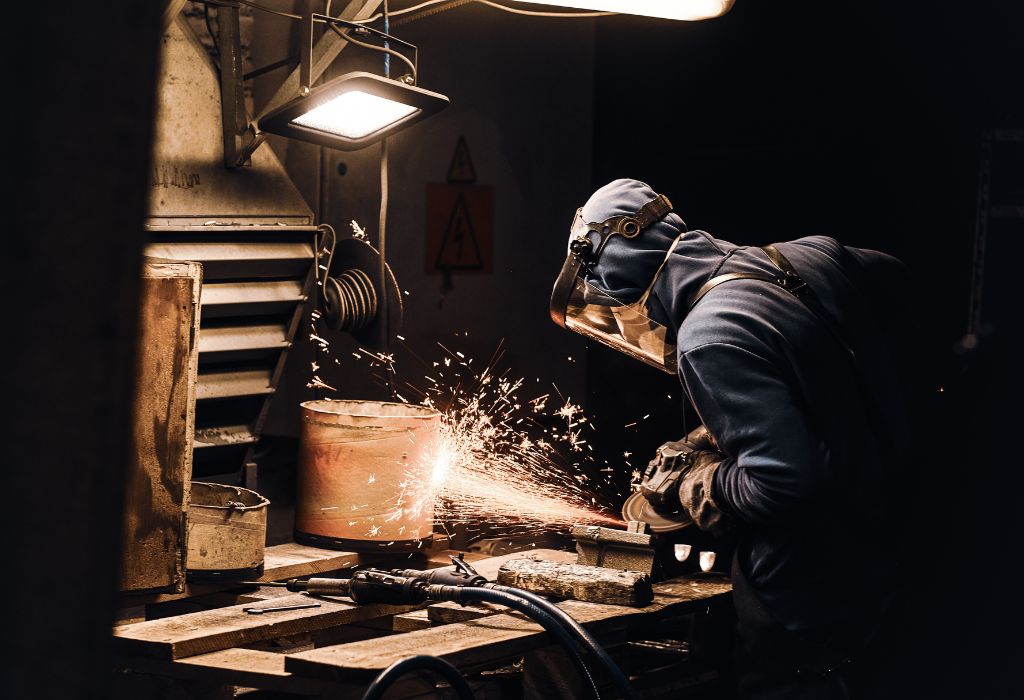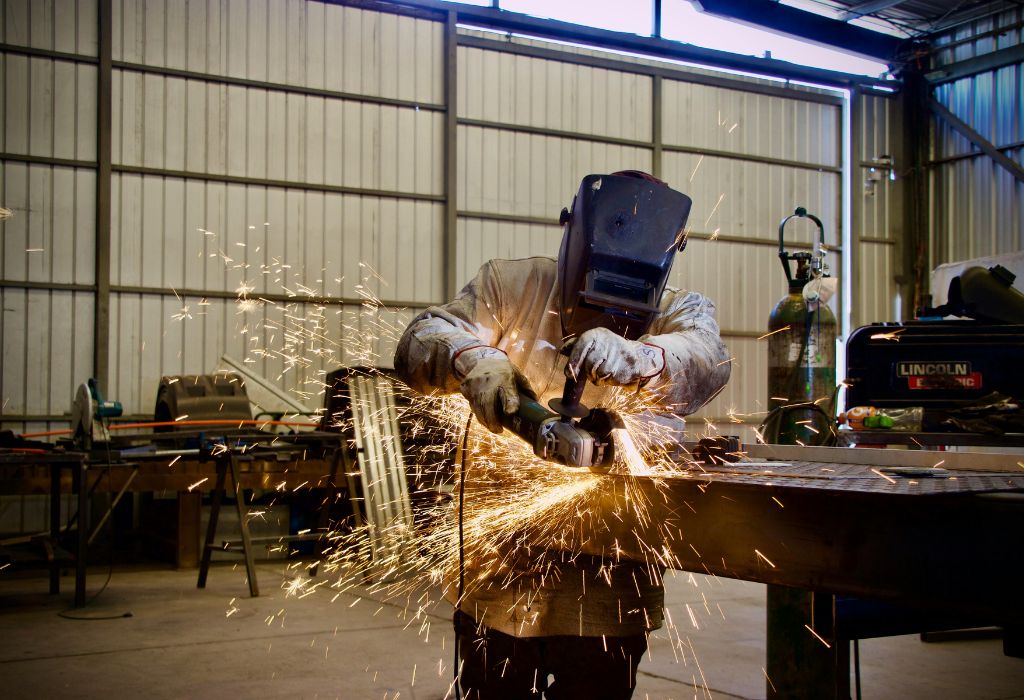
The first spark of the day flashes, filling the booth with white light.
In that moment, vision depends entirely on the helmet you’re wearing.
Many welders still prefer the old-school simplicity of the passive welding helmet.
It’s reliable, durable, and always ready — no sensors, no batteries, no surprises.
If you’ve ever wondered what is a passive welding helmet, this guide will break it all down.
You’ll learn how it works, where it shines, and why it still matters even in the age of auto-darkening technology.
What Is a Passive Welding Helmet
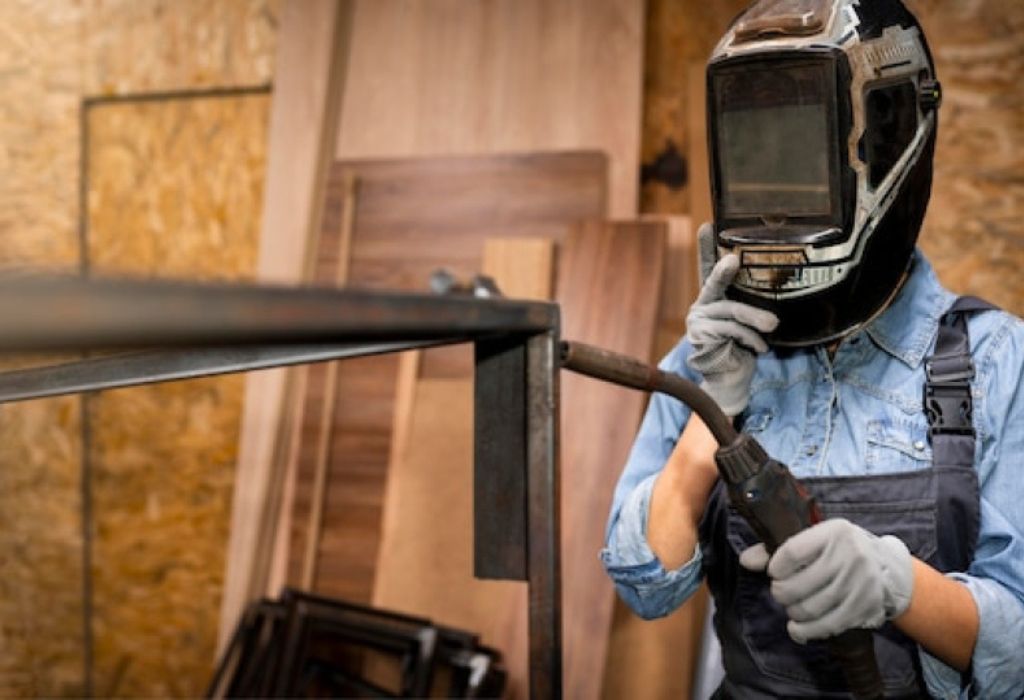
A passive welding helmet is the classic style used for decades in workshops and fabrication shops.
It uses a fixed-shade lens, typically shade 10 or 11, to protect the eyes from harmful UV and IR radiation.
Unlike auto-darkening helmets, a passive model stays dark at all times.
That means welders position their electrode or torch first, then nod the hood down before striking an arc.
The helmet doesn’t rely on electronics or sensors.
Its protection is always active, whether the arc is on or not.
Because it’s simple and mechanical, it’s trusted in schools, production lines, and environments where reliability comes before convenience.
A passive welding helmet remains one of the most dependable tools in the trade.
How It Works
Inside every passive helmet sits a dark glass filter rated for optical density.
This glass blocks radiation from the arc that can cause “welder’s flash” or retinal burns.
The lens doesn’t change brightness.
It’s always the same darkness level, ensuring constant protection.
When the helmet is lowered, the lens filters visible light and blocks harmful rays instantly.
There’s no reaction time and no delay.
That constant protection is the biggest advantage.
Even if sensors fail or batteries die in auto-darkening models, a passive helmet keeps shielding perfectly.
Passive vs. Auto-Darkening — The Real Difference
The two helmet types aim for the same goal: protect the eyes while keeping visibility clear.
But they achieve it differently.
Auto-darkening helmets use electronic sensors and LCD layers that darken when an arc is detected.
Passive helmets stay at one fixed shade, offering consistent performance without power.
Auto-darkening shines in jobs requiring constant repositioning or tack welds.
Passive helmets excel in rugged, high-heat conditions where electronics might fail.
Auto-darkening models are more comfortable for frequent starts and stops.
Passive helmets win on simplicity, weight, and cost.
Each has its place — the right choice depends on how and where you weld.
Safety Standards and Lens Shades
Every welding helmet should meet certified safety standards.
In the United States, look for ANSI Z87.1 approval.
In Europe, EN379 certification ensures compliance for optical clarity and protection.
Shade numbers control how dark the lens appears.
Higher shades block more light and are meant for higher amperage.
| Process | Typical Shade Range |
| MIG / MAG | 8–10 |
| TIG | 7–10 |
| Stick | 10–12 |
| Plasma Cutting | 8–10 |
| Grinding | 2–3 |
Start with a darker lens and adjust lighter only if the puddle becomes hard to see.
The right shade reduces fatigue and prevents the painful “arc eye” condition.
Always keep the lens down while welding.
Protection only works when your eyes are covered.
Advantages of Passive Welding Helmets
Simplicity is the biggest advantage.
No buttons, no sensitivity settings, no batteries to charge.
Durability comes next.
A passive welding helmet handles spatter, heat, and drops better than most electronic hoods.
The fixed shade guarantees protection at all times.
There’s no delay, no flicker, and no chance of malfunction.
Passive helmets also cost less.
You can buy a high-quality unit for a fraction of what premium auto-darkening models cost.
And because of their rugged design, they last for years with minimal maintenance.
They’re perfect for workshops, students, and welders working outdoors in unpredictable conditions.
Limitations and Challenges
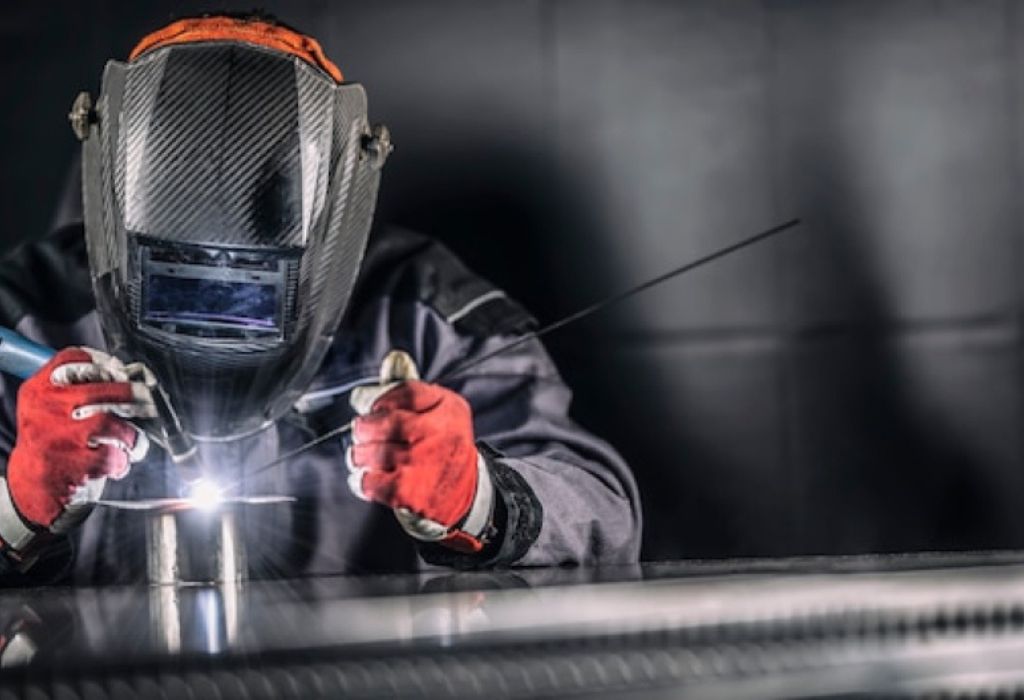
The biggest challenge is convenience.
Since the lens stays dark, welders can’t see clearly before striking the arc.
That means the classic “nod-down” motion is necessary for every weld.
While effective, it can cause neck fatigue over long sessions.
The fixed shade also limits flexibility.
If you switch between processes or amperage levels, visibility may not be ideal for each.
However, these drawbacks are manageable.
Proper lighting and correct posture can reduce strain, and using the right shade for the main process solves most issues.
Optical Clarity and Viewing Area
Clarity is what separates a good helmet from a great one.
Many passive helmets offer crisp, distortion-free vision because their lenses use pure optical glass instead of LCD layers.
The optical clarity rating of 1/1/1/1 (EN379 standard) is considered the best.
It measures distortion, shade consistency, and light diffusion.
A larger viewing area makes work easier, especially for out-of-position welding.
Smaller lenses, on the other hand, reduce weight and neck strain.
A passive welding helmet with a clear, balanced lens allows better bead tracking.
It also minimizes mistakes caused by poor visibility.
Comfort and Fit
Even the best helmet becomes a burden if it’s uncomfortable.
Comfort directly affects productivity.
A good passive welding helmet should be lightweight yet strong.
Adjustable headgear is essential for proper fit and balance.
Soft padding around the band reduces pressure on the forehead.
Balanced design prevents the helmet from slipping or tilting during work.
Ventilation is another key factor.
Some models include air channels that help reduce heat and fog buildup inside the shell.
When adjusted properly, a passive helmet feels almost weightless — letting you focus entirely on the weld.
Shade Selection and Process Matching
Shade selection is the foundation of comfort and safety.
It determines how well you see the puddle and how long you can work without eye strain.
For MIG or Stick welding, shades 10 to 12 are most common.
They handle high-amperage arcs effectively.
For TIG, a lighter shade between 7 and 10 allows better puddle control at low current.
For plasma cutting, shade 8–10 works well depending on output.
Grind mode isn’t available on most passive helmets, so separate safety glasses or a face shield should be used for finishing work.
Always err on the darker side if unsure.
Your eyes will adjust, but damage from excess brightness is irreversible.
Build Quality and Materials
The shell of a passive welding helmet takes a lot of punishment.
It faces sparks, heat, and sometimes even impacts.
Look for high-impact nylon or heat-resistant composites.
These materials handle high temperatures and protect against spatter.
A smooth exterior deflects sparks easily.
Replaceable cover lenses protect the filter glass and should be changed regularly.
Premium models sometimes feature gold-coated filters.
They reflect heat and make the puddle color more natural for better control.
Strong build quality ensures safety and long-term durability.
It’s one of the main reasons passive helmets are still popular in industrial settings.
Cost and Maintenance
Passive helmets are affordable and nearly maintenance-free.
That makes them ideal for schools, workshops, and production floors.
Basic models start at low prices, while professional-grade versions with larger lenses or gold filters cost more but remain far below premium auto-darkening helmets.
Maintenance is simple: keep lenses clean, replace scratched covers, and tighten headgear when needed.
There are no batteries or electronics to worry about.
Regular cleaning with mild detergent and soft cloth keeps visibility clear.
Storing the helmet in a cool, dry place extends its life significantly.
A passive welding helmet can last for many years with proper care — a true long-term investment.
Real-World Use and Tips
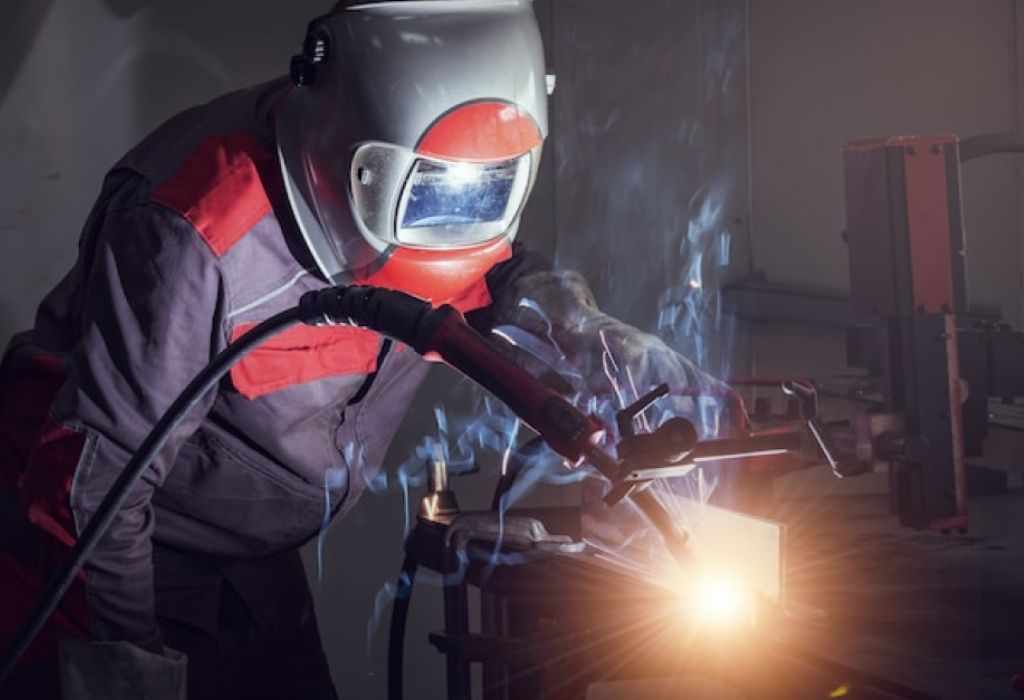
Lighting makes a big difference with passive helmets.
Bright LED or task lighting helps you position the electrode before lowering the hood.
Practice nodding motions before welding.
Smooth transitions reduce neck fatigue and improve accuracy.
Always check for lens scratches or pits.
Even small marks can scatter light and cause glare during work.
Use sweatbands or helmet liners for better comfort.
They absorb moisture and improve fit during long sessions.
For training environments, passive helmets are perfect.
They teach beginners positioning discipline and safety awareness from day one.
Who Should Choose a Passive Welding Helmet
Passive helmets are ideal for welders who prioritize durability, simplicity, and consistent protection.
They suit:
- Students learning fundamentals
- Professionals working outdoors or in high-heat areas
- Fabrication shops with multiple users
- Welders using high-amp Stick or MIG processes
Auto-darkening models serve best for precision TIG or frequent tack welding.
But in tough industrial conditions, passive helmets still dominate.
When electronic sensors can’t be trusted in heavy spatter or electromagnetic interference, passive protection always holds steady.
Buying Checklist
Before purchasing, use this short list to ensure you’re getting a reliable helmet:
- Safety Certification — Look for ANSI Z87.1 or EN379 approval.
- Lens Shade — Choose shade 10 or 11 for most welding tasks.
- Viewing Area — Pick based on your working environment and visibility needs.
- Shell Material — Go for heat-resistant nylon or composite.
- Headgear Fit — Adjustable suspension and padding for long sessions.
- Lens Protection — Replaceable cover plates for easy maintenance.
Tick these boxes, and you’ll have a helmet ready for years of dependable service.
Final Thoughts
A passive welding helmet is more than old technology.
It’s proof that simplicity still works when built with quality.
It offers clear vision, consistent protection, and reliability that doesn’t depend on batteries or electronics.
For many welders, that peace of mind is priceless.
If you’re working in heavy fabrication, outdoor jobs, or training environments, a passive helmet might be your perfect match.
It’s safe, durable, and built for the long run.
So the next time someone asks, what is a passive welding helmet, you’ll know it’s not outdated — it’s timeless.

I’m Darrell Julian, the founder, lead writer, and hands-on welding enthusiast behind ArcWeldingPro.com. With more than 15 years of real-world welding experience, I created this platform to share what I’ve learned in the field, in the shop, and in the heat of the arc.