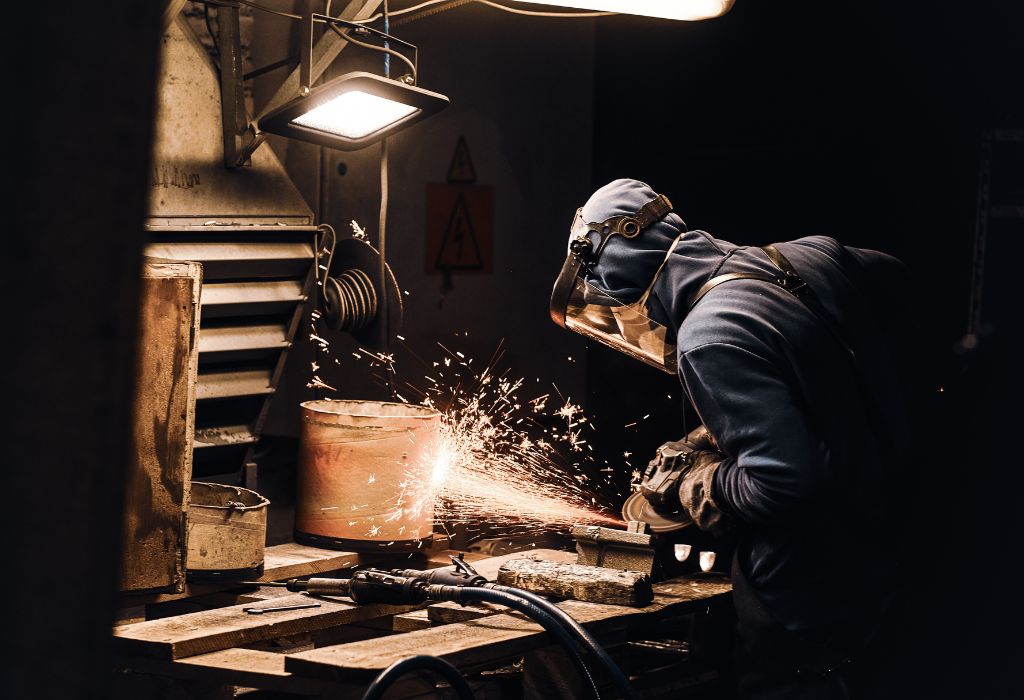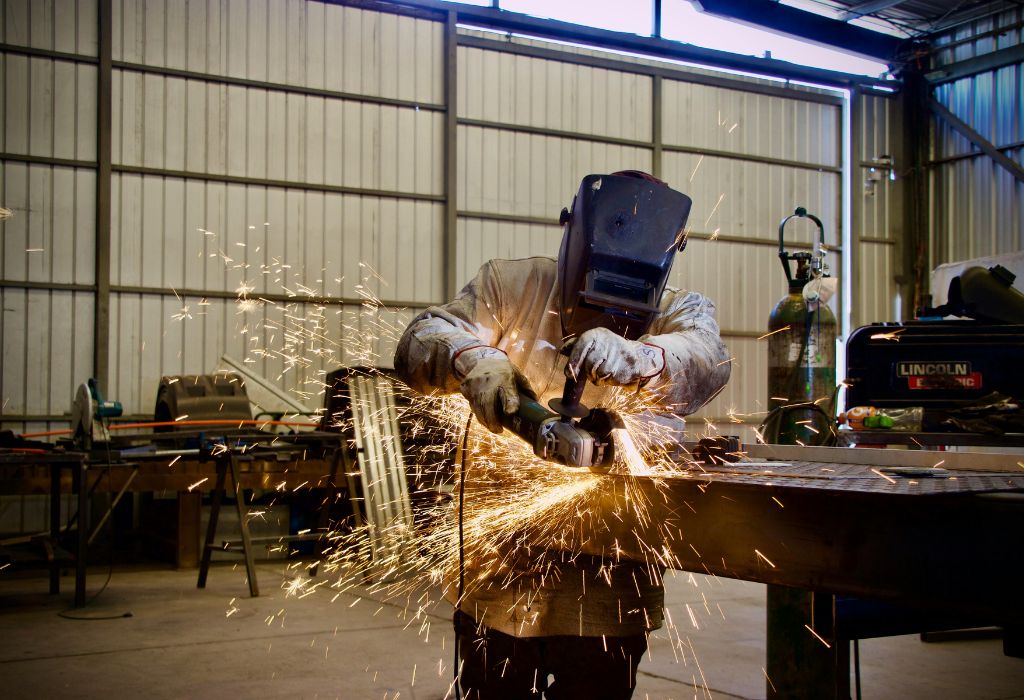
Picture a welder preparing for a critical weld—helmets checked, gloves strapped, arc ready—but the auto darkening lens simply doesn’t react when the arc strikes. That single failure moment could mean serious eye injury or welder’s flash. What if a quick pre-weld test could prevent that risk and guarantee your helmet will protect you when it really counts? According to industry safety sources, a large portion of helmet failures trace back to sensors, batteries or delay settings not being properly checked before use. The goal here is to show you exactly how to test a auto darkening welding helmet, why each check is vital, and how making this a routine ensures consistent protection and performance. By the end of this guide you’ll understand what features to examine, how to run effective tests, how to troubleshoot common problems, and how to maintain your helmet for long-term safety. Let’s dive into the step-by-step process to give you confidence your helmet is ready before you strike the first arc.
Why Testing Your Auto Darkening Welding Helmet Matters
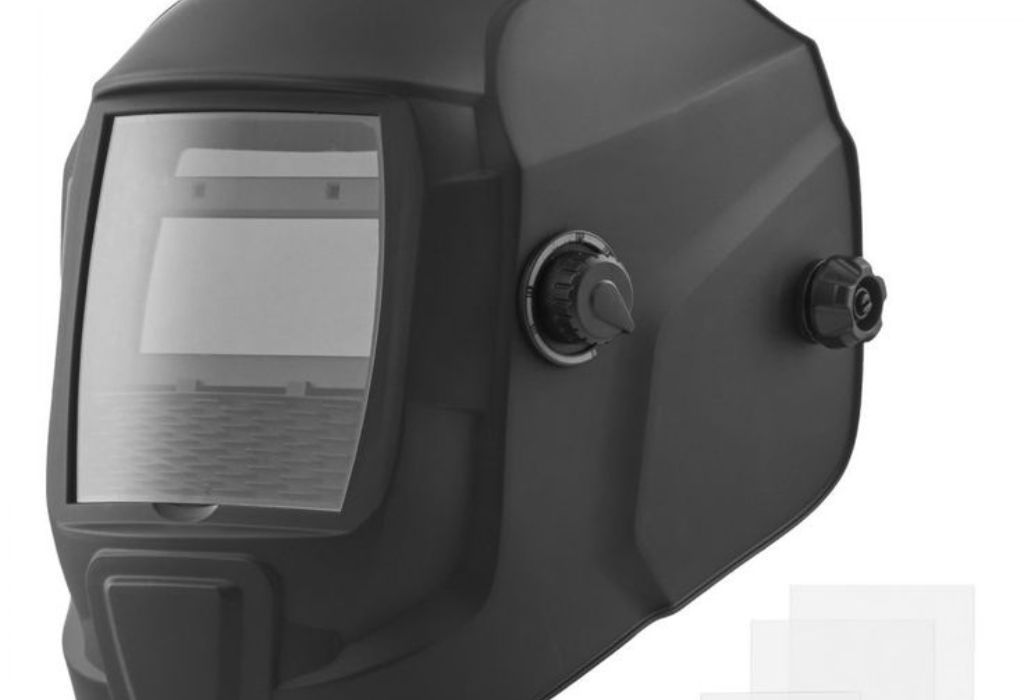
Testing a auto darkening welding helmet is not optional—its core components must operate flawlessly to filter harmful ultraviolet (UV) and infrared (IR) radiation at the moment the arc ignites. If the auto-darkening filter (ADF) fails to switch to a proper dark shade when triggered, the user’s eyes can be exposed to blinding brightness, UV/IR damage and serious long-term consequences.
What happens if the helmet does not switch to dark state when the arc strikes?
If the auto darkening welding helmet fails to switch, the user may be exposed to intense arc flash and UV/IR without adequate protection.
Why must sensors and the ADF be functioning correctly?
Sensors detect the welding arc and trigger the filter; if obstructed or malfunctioning the reaction may be delayed or missed.
Is the helmet safe when it remains in its light state?
While the UV/IR filter still provides baseline protection, relying solely on that and missing activation reduces visibility and trust in the protection.
How common are helmet activation failures?
Many welders report issues such as flicker, delayed switching or no dark state until adjustments are made.
Does testing need to happen every time before welding?
Yes — checking your helmet each session ensures the shade number, sensors, battery and delay switch are all functioning as expected.
Key Features to Check When Testing Your Helmet
When you test a auto darkening welding helmet, key features such as sensitivity, delay, shade number, grind mode and battery/solar power must be verified for safe operation. Proper setting and component health of these features ensures that the helmet adapts correctly to welding conditions and protects the user fully.
What is the sensitivity setting and how does it affect testing?
Sensitivity determines how little light is needed to trigger the dark state; too low and it may not activate on low-amp welds, too high and it may trigger falsely.
What is the delay setting and why is it important?
Delay sets how long the helmet remains dark after the arc stops; improper delay may leave the lens dark too long or revert to light too soon.
What shade number should the helmet switch to?
The helmet should switch to the appropriate dark shade (such as shade 9-13) depending on weld type so your vision is protected but you can still see the work.
What does grind mode do and how does it affect testing?
Grind mode bypasses auto darkening sensors and leaves the lens in light state; forgetting it’s active means the helmet won’t protect during welding.
Does the power source or battery impact testing?
Yes — weak battery or solar cell failures slow reaction time or prevent activation, compromising helmet performance.
Simple & Effective Methods: How to Test an Auto Darkening Welding Helmet
There are several practical methods to test a auto darkening welding helmet without striking a full weld; these include sun test, TV remote/IR test, spark/light test and built-in test button usage. Each method serves to verify different aspects: sensor reaction, lens darkening, delay settings and component health, so you can identify problems before you weld.
How can you test the helmet using sunlight or bright light?
Face the sun or a bright light while wearing the helmet; the auto-darkening filter should trigger quickly and shift to its dark state.
Can you test using a TV remote or IR signal?
Yes — point a remote control (which emits IR) at the helmet sensors; if the filter darkens, the sensors and ADF are functioning.
What about using a spark or lighter to test the filter?
A quick spark simulates the welding arc and helps test the reaction time and switching of the lens.
Is there a built-in test button and how is it used?
Many helmets feature a dedicated test button; pressing it should darken the ADF and indicate battery or sensor status.
How often should you perform these tests?
Before each use is ideal; at minimum weekly or after any drop, impact or change to settings.
Troubleshooting Common Problems After Testing
When a auto darkening welding helmet fails a test, common issues include no darkening, flicker, slow reaction time, stuck dark state, sensors blocked or battery low. Diagnosing and rectifying these issues ensures your helmet continues to perform safely and reliably.
What if the helmet fails to darken at all during the test?
Check the battery or solar panel power, ensure weld/grind mode is correct, clean the sensors and lens cover, then retest.
What causes flickering or inconsistent darkening?
Often dirty sensors, low sensitivity setting, rapid ambient light changes or internal electronics faults cause irregular switching.
Why might the helmet stay dark even when no arc is present?
Delay may be set too long, sensitivity too high or the helmet might be stuck in grind mode or have a shade lock active.
What should be done if the lens appears scratched or the cover lens damaged?
Damaged cover lenses reduce sensor visibility and protection; replacing cover lens or UV/IR filter is necessary for safe performance.
When is it time to retire or replace your auto darkening welding helmet?
If you experience repeated failures, unrepairable electronics, missing components or the helmet is beyond its usable lifespan, replacement is the safest choice.
Best Practices for Long-Term Maintenance and Safety
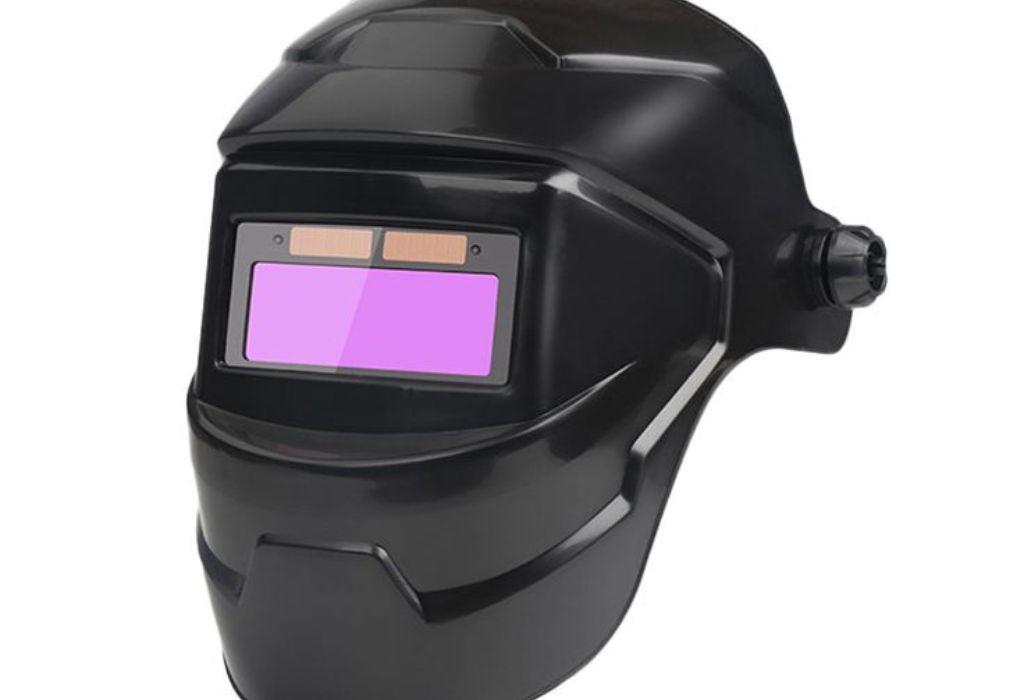
Maintaining your auto darkening welding helmet extends its lifespan and ensures consistent safety performance; this includes regular cleaning, battery/solar checks, sensor inspection, correct storage and training for users. A culture of testing and maintenance is key to protecting vision and equipment investment.
How should sensors and lens covers be maintained?
Clean regularly with a soft cloth and lens cleaner; remove dust, spatter and inspect for scratches that interfere with sensor function.
How often should you inspect the battery or solar panel in the helmet?
Check before each use; replace rechargeable batteries or ensure solar cells are exposed and functioning according to manufacturer specs.
How should the helmet be stored when not in use?
Store in a cool, dry place away from direct sunlight or heat; avoid leaving it in vehicle trucks or exposed to impacts or weather.
Why document testing and maintenance?
Documenting ensures compliance with safety protocols, helps spot recurring issues and supports equipment audits or inspections.
What trainings should welders have regarding helmet testing?
Training should cover how to test the helmet, interpret the results, adjust settings (sensitivity, delay, shade), spot defects and know when replacement is required.
Conclusion
Knowing how to test a auto darkening welding helmet transforms it from just gear to trusted protection. Regular testing of sensors, shade switching, delay, sensitivity and battery/solar power is essential to avoid failures that could expose you to arc flash, UV/IR damage or compromised vision. Treat every welding session as a safety checkpoint — inspect the helmet, confirm the darkening works, maintain components, and if in doubt replace the helmet. Taking a few minutes upfront saves a lifetime of risk to your eyes and ensures your equipment performs when it matters most. Protect your vision, prioritise testing and invest in quality gear that stands up to the task.

I’m Darrell Julian, the founder, lead writer, and hands-on welding enthusiast behind ArcWeldingPro.com. With more than 15 years of real-world welding experience, I created this platform to share what I’ve learned in the field, in the shop, and in the heat of the arc.