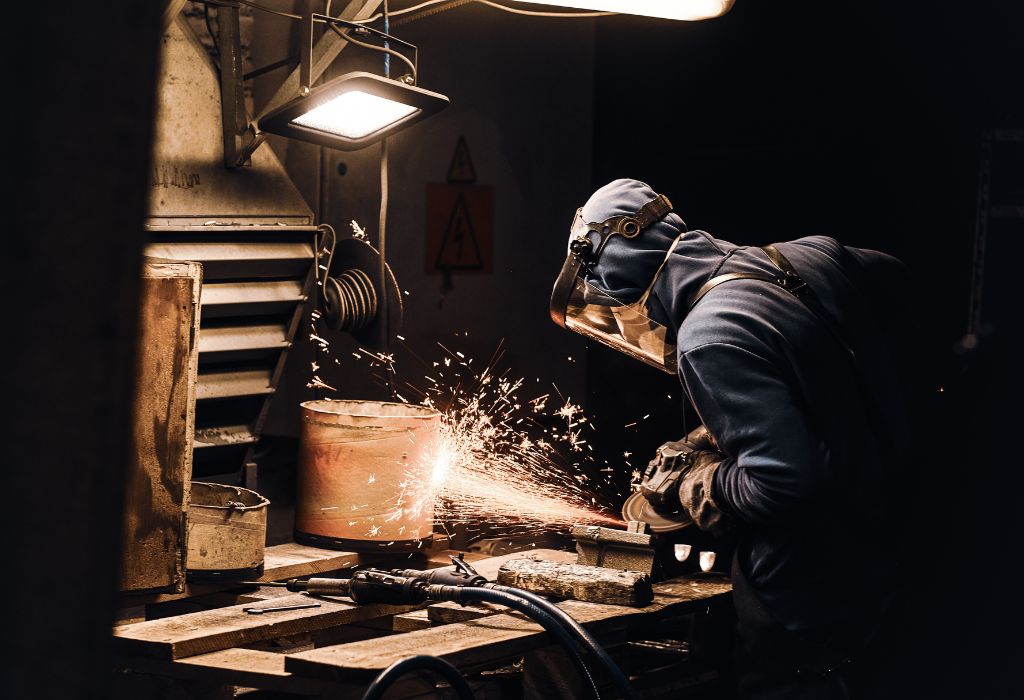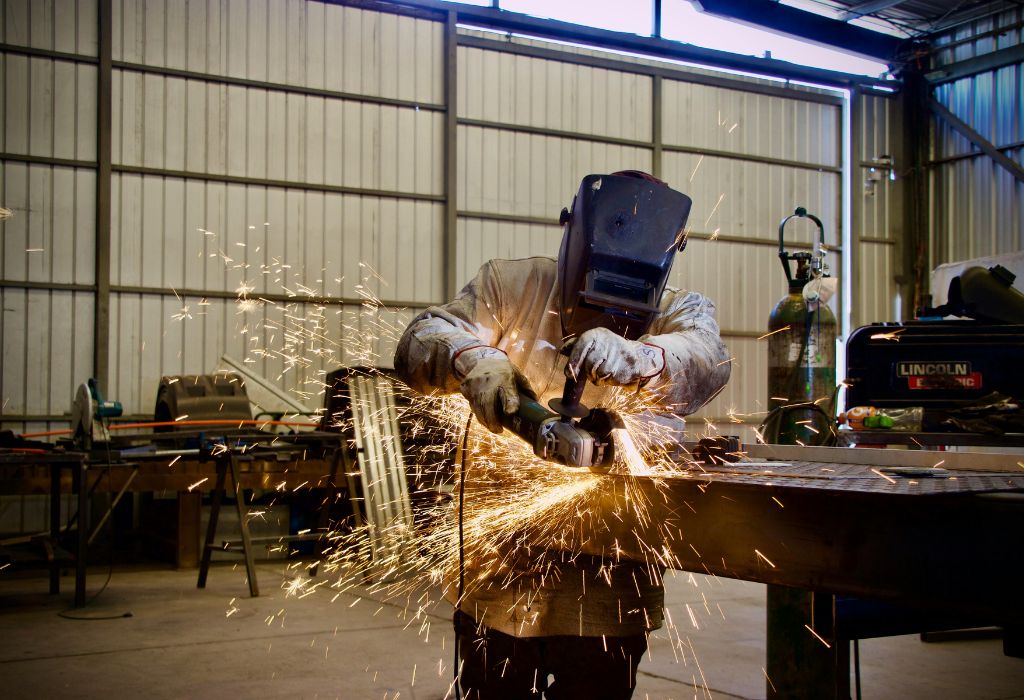
A welder’s headgear does more than block sparks. It shields the face, eyes, and skull from heat, debris, and falling hazards on job sites where safety can change in seconds.
Every worker knows the struggle of switching between a helmet and a hard hat mid-shift. The constant removal and readjustment slow productivity and increase risk when working at height or around heavy steel.
Combining both protective tools into one stable system eliminates that problem. It allows welders to move safely between cutting, grinding, and welding without losing focus or protection.
Industry surveys show that a large portion of welding-related head injuries occur because of incorrect gear setups or poor mounting stability. The right adapter and secure fit solve that issue permanently.
Learning how to put a welding helmet on a hard hat correctly ensures compliance with site safety standards, saves time, and prevents fatigue from balancing multiple headpieces. The process is simple once you understand the parts, compatibility, and setup steps.
This guide covers everything welders need to know—from choosing the right adapter to securing a comfortable, ANSI-approved helmet system that can handle the toughest industrial conditions.
Why Combine a Welding Helmet and Hard Hat?
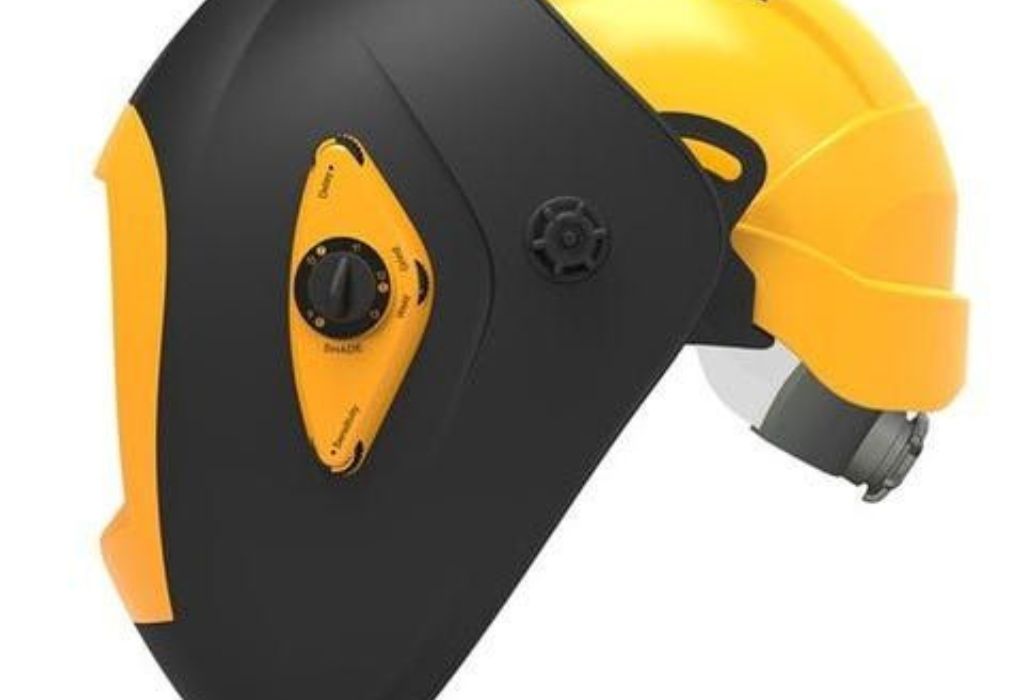
Integrating both types of protective headgear offers a complete safety solution in environments where multiple hazards exist. It’s a smarter and more efficient approach to workplace protection.
A hard hat alone protects from falling objects, while a welding helmet blocks ultraviolet light, sparks, and heat. When combined, they deliver total coverage for construction, fabrication, and industrial welding sites.
Proper mounting ensures that both pieces function as one system without interference or discomfort. It also helps meet the OSHA and ANSI safety standards required on most industrial projects.
What are the benefits of mounting a welding helmet on a hard hat?
It provides full-head protection from falling debris and welding hazards while maintaining comfort and balance.
What safety standards apply when using a hard hat with a welding helmet?
ANSI Z89.1 and ANSI Z87.1 standards specify impact and face protection ratings for both components.
Does combining gear increase comfort or reduce fatigue?
Yes, an integrated system reduces weight shifting and pressure points from wearing two separate headpieces.
What risks are reduced by integrating a hard hat and welding hood?
It minimizes impact injuries, eye burns, and fatigue caused by frequent removal or adjustment during work.
Which work environments benefit most from this setup?
Shipyards, steel fabrication plants, construction sites, and energy facilities where overhead hazards and welding tasks occur together.
Key Components and Compatibility: What You Need
Before mounting a welding helmet on a hard hat, it’s essential to understand the components that make the connection stable and compliant. The adapter and bracket system form the foundation of the setup.
Adapters are specially designed frames or clips that secure the welding helmet to the hard hat’s side slots or crown area. They ensure that both pieces move together without slipping.
A slotted hard hat works best because it provides ready attachment points for the adapter arms. Some models require brand-specific adapters to ensure a perfect fit and alignment.
What is a hard hat adapter for a welding helmet?
It’s a mounting device that attaches a welding hood to the sides or top of a hard hat, allowing both to function as one unit.
Which hard hat styles work best for mounting?
Slotted hard hats or cap-style designs are most compatible because they have pre-cut channels for adapters.
What welding helmet features support mounting?
Helmets with removable headgear, lightweight shells, and flip-up front plates fit more easily onto adapter brackets.
How important is ANSI or OSHA compliance when integrating both pieces?
Extremely important, since non-compliant combinations can fail inspection and may not offer certified protection.
Are there universal adapter kits or brand-specific options?
Universal kits fit most helmets, but manufacturer-specific adapters often offer the most secure and stable performance.
Step-by-Step: How to Put a Welding Helmet on a Hard Hat
Installing a welding helmet onto a hard hat requires patience and the right equipment. The process focuses on stability, balance, and safety.
Start by confirming that the hard hat and helmet are both clean, undamaged, and compatible with each other. A worn or cracked helmet shell should never be used for mounting.
Inspect the adapter or bracket system and read the manufacturer’s instructions carefully. Different models may have unique locking mechanisms or attachment points.
- Inspect and prepare — Check both components for cracks or missing parts, ensuring all adjustments move freely.
- Align adapter arms — Slide each arm into the hard hat’s side slots until it locks firmly into place.
- Attach the helmet — Position the welding helmet’s pivot knobs into the adapter holes, adjusting tension evenly on both sides.
- Test movement — Flip the helmet up and down to confirm smooth motion without wobbling or detachment.
- Adjust comfort — Modify suspension straps or ratchets for a snug yet breathable fit.
What preparatory checks should be done before mounting?
Ensure both helmet and hard hat meet safety standards and show no visible damage.
How do you install the mounting bracket or adapter?
Insert the adapter arms into the hard hat slots, tighten them, and secure the pivot points with screws or knobs.
How to attach the welding helmet securely?
Use the adapter’s retaining clips or bolts to fix the helmet’s sides into position without restricting movement.
How to test the assembled unit for stability?
Move your head side to side and flip the lens multiple times to confirm it remains aligned and balanced.
What common mistakes to avoid during installation?
Never force mismatched components, and always ensure the adapter is tightened evenly on both sides.
Safety Checks, Maintenance, and Best Practices
Once installed, the combined helmet and hard hat system should be inspected regularly. Maintenance ensures ongoing safety and compliance in tough job-site conditions.
Adapters, hinges, and pivot screws can loosen over time, affecting helmet balance or angle. Regular tightening prevents accidental slippage during welding.
A routine inspection before each shift helps spot cracks, melted parts, or worn straps early. Replacing these parts immediately keeps the system in top condition.
How often should you inspect the adapter and helmet mount on a hard hat?
Check daily before starting work and after any impact or heavy heat exposure.
What signs indicate the mount is loosening or unstable?
Unusual wobbling, slipping when tilting, or uneven helmet movement mean it’s time to re-tighten or replace parts.
Can the combined gear be used in high-heat welding environments?
Yes, if rated for heat resistance and equipped with a flame-retardant adapter designed for welding use.
How to clean and maintain the hard-hat-plus-welding-helmet setup?
Wipe with a soft cloth and mild detergent, and store in a cool, dry area to prevent UV and chemical degradation.
What best practices ensure comfort and compliance during long shifts?
Adjust suspension straps properly, keep interior padding clean, and rest between long weld sessions to avoid strain.
Choosing the Right Adapter System
Different industries require specific helmet-to-hat combinations depending on the type of welding and site regulations. Selecting the right adapter system guarantees both protection and productivity.
Light-duty tasks, such as fabrication shops or pipeline welding, benefit from compact adapters with minimal weight. Heavy industrial work, like shipbuilding, often needs reinforced bracket systems designed for full-brim hard hats.
The adapter should hold the helmet at an ergonomic angle that maintains proper eye protection without straining the neck. Choosing adjustable tension knobs allows easy fine-tuning during work.
What adapter materials are most durable for welding conditions?
High-grade nylon and heat-resistant polymers provide strength without adding unnecessary weight.
Can any helmet be attached to any hard hat?
Not always. Compatibility depends on the adapter model and manufacturer recommendations.
Should adapters be replaced regularly?
Yes, every 12–18 months or sooner if wear or cracking is visible.
Does helmet weight affect the adapter’s performance?
Heavier helmets may require reinforced brackets or dual-locking mounts to maintain balance.
Are aftermarket adapters safe for industrial use?
Only if tested and certified under ANSI Z87.1 and OSHA requirements.
Common Mistakes When Mounting a Welding Helmet

Even experienced welders can make errors when setting up their helmet and hard hat system. Recognizing these mistakes prevents safety hazards and saves time.
Improper alignment is one of the most common issues. A tilted helmet can reduce visibility and cause neck strain during long shifts.
Another mistake is using worn or incompatible adapters that do not lock tightly into the hard hat slots. This leads to instability during head movement.
Why does the helmet tilt or move unexpectedly?
Loose pivot screws or uneven adapter tension cause misalignment that affects balance.
What happens if the adapter arms are not fully inserted?
They can detach during work, creating a serious safety hazard from falling gear.
Can over-tightening cause problems?
Yes, excessive pressure can crack the hard hat shell or restrict helmet rotation.
Should painters’ or non-rated hard hats be used for welding?
No, only heat-resistant, ANSI-rated helmets and hats should be combined for welding.
Why does fogging occur after mounting?
Insufficient airflow or poor fit may trap heat; adding anti-fog lenses or vented helmets can solve the issue.
Maintenance & Future Innovations in Welding Safety
Welding gear continues to evolve, offering lighter materials and smarter protection. Integrated systems that merge helmets and hard hats are now more ergonomic and durable than ever before.
Auto-darkening helmets with magnetic or clip-on hard hat adapters are becoming industry standards. These systems improve comfort and meet global safety certifications in one step.
Some advanced models include built-in cooling channels, reducing fatigue and fogging during extended weld sessions. Modern adapter systems also allow quick swaps between helmets without tools.
How will helmet adapters change in the future?
They will become lighter, more adjustable, and compatible across multiple helmet brands.
Are new materials improving durability?
Yes, carbon-reinforced polymers offer better impact resistance and heat tolerance.
Can digital features enhance welding safety?
Smart helmets with sensors can track temperature and alert workers when maintenance is needed.
Will universal adapters replace brand-specific ones?
Likely, as manufacturers focus on standardized designs for global compliance.
Is comfort still a top priority for future designs?
Absolutely, as fatigue reduction directly increases precision and safety during welding operations.
Conclusion
Understanding how to put a welding helmet on a hard hat ensures every welder stays safe and efficient on the job. A secure fit prevents slippage, balances weight, and meets compliance requirements for high-risk worksites.
The correct sequence is simple: choose compatible gear, attach the adapter securely, test for movement, and inspect before every shift. Regular maintenance and replacement of worn parts keep the system in peak condition.
By following these steps, welders eliminate downtime caused by gear adjustments and focus fully on precision and productivity. The combination of a reliable hard hat and welding helmet offers one of the strongest safety investments any welder can make.

I’m Darrell Julian, the founder, lead writer, and hands-on welding enthusiast behind ArcWeldingPro.com. With more than 15 years of real-world welding experience, I created this platform to share what I’ve learned in the field, in the shop, and in the heat of the arc.