
The glare from arc welding can be blinding when the helmet lens is scratched or cloudy, turning a standard task into a safety hazard. Without a clear viewing area, bead placement becomes guesswork, eyes fatigue faster, and the risk of flashing increases. In one survey welders reported that visible distortion or haze in helmet lenses reduced efficiency by up to 20 percent. Meanwhile, industry data suggest optical clarity ratings (such as 1/1/1/1) correlate directly to reduced eye strain and improved weld accuracy. Understanding how to replace welding helmet lens correctly ensures both protection and visibility remain optimal. This guide walks through each component—outer cover lens, inner cover lens, ADF or passive filter—offering step-by-step instructions, frequent questions, and pro-level maintenance practices. Whether working in fabrication or hobby welding, replacing worn lenses timely means sharper vision, fewer rejects, and enhanced safety.
Know Your Lens Stack Before Replacing Anything
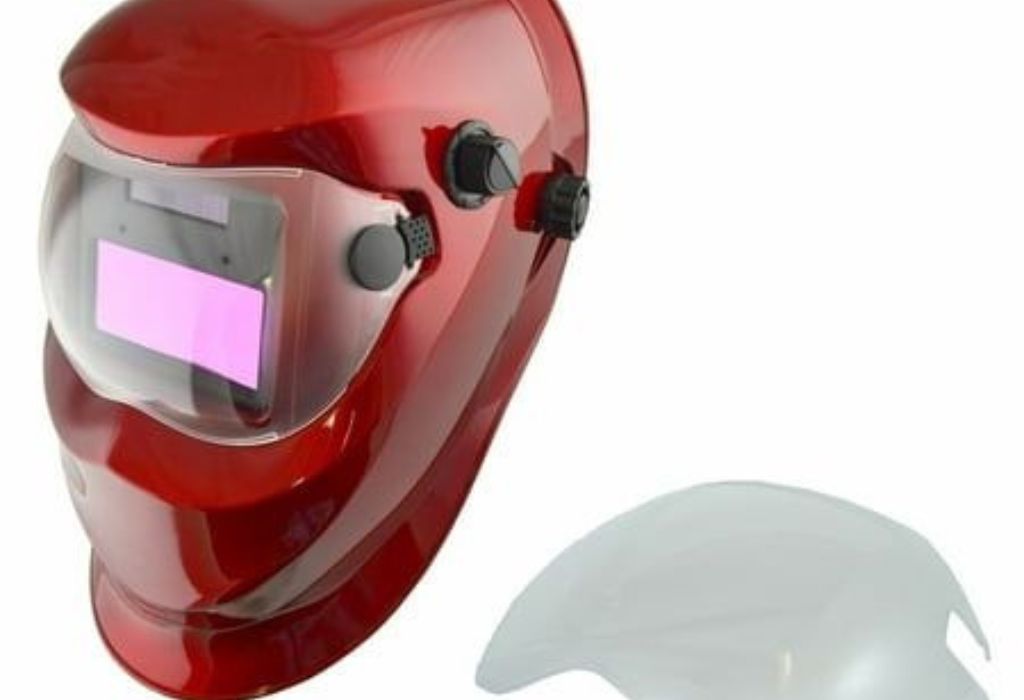
A welding helmet often combines three replaceable optical components: the outer cover lens, the inner cover lens and either an auto-darkening filter (ADF) cartridge or a passive shaded glass lens. The outer cover lens is the first line of defense against spatter and impact, while the inner cover lens protects the more expensive filter behind it. The ADF or passive filter handles UV/IR protection and shade response.
Which component fails most often?
The outer cover lens usually, because it takes direct spatter and scratching.
How can damage be identified quickly?
Look for pitting, rainbow haze, micro-scratches or reduced clarity even after cleaning.
When should a replacement be done?
As soon as visual clarity drops, or any visible crack or warp appears in the cover lenses.
What is the difference between passive and ADF filters?
Passive lenses are fixed shade and non-electronic, while ADFs switch from light to dark rapidly and include electronics, sensors and batteries.
Do clarity ratings matter during replacement?
Yes—top optical ratings like 1/1/1/1 mean minimal distortion, making the replacement especially worthwhile for weld quality.
Safety And Preparation For How to Replace Welding Helmet Lens
Begin by powering off the helmet or removing the battery if present. Work on a clean, well-lit bench with a soft cloth to avoid introducing new scratches.
Wear eye protection and gloves if removing cracked lenses; handling polycarbonate can expose you to small shards. Clean surfaces thoroughly before installation.
What tools are needed?
A small screwdriver or retainer tool, microfiber cloths, new replacement lenses and, where applicable, replacement ADF modules.
How can scratches be avoided during handling?
Handle lenses by their edges, keep protective films on until installation and avoid placing them face-down.
When should the process stop immediately?
If the filter module shows internal cracking or IR/UV coatings appear delaminated—then replacement of the entire module may be required.
How to confirm ANSI Z87.1 compliance?
Check helmet and lens markings (or manual) for the Z87.1 designation which signals certified impact and optical protection.
What is the ideal workspace setup?
Bright light, minimal dust, stable surface and enough clearance to set aside removed parts without accidental drop or scratch.
Step-by-Step: Replace the Outer Cover Lens
Unlock the front retainer or bezel and remove the old outer cover lens. Clean the seat and remove dust or spatter prior to inserting the new lens.
Hold the new lens by the edges, check for protective film on both faces and slot it evenly into the retainer. Lock the retainer again and check for even fit without any gaps.
Is there a correct orientation?
Yes—many lenses have tabs or curves; aligning correctly ensures flush fit and full coverage.
Should protective film be removed now or later?
Remove inner film before insertion; after locking the retainer, peel off the outer film to avoid handling scratches.
What if the fit feels tight?
Re-insert from one edge, align the retainer tabs and avoid forcing the lens to prevent cracking.
How to verify the seal?
Check for any visible gaps around the perimeter of the lens; a leak can allow spatter to reach inner parts.
How often should this lens be replaced?
For heavy use environments, replacement may be weekly; otherwise when any scratches, clouding or distortion appear.
Step-by-Step: Replace the Inner Cover Lens
Remove the ADF holder or unlock the inner lens frame. Lift the inner cover lens from its slot and clean any residual dust or adhesive before inserting the new lens.
Insert the new lens carefully—ensure it sits flat and does not bow or flex—and replace the ADF holder or lens frame securely.
What are signs of inner lens wear?
Heat haze, exaggerated micro-scratches or any visual blur that persists after cleaning.
How to reduce dust during replacement?
Maintain the helmet shell facing downward, work in low-draft area and wipe nearby interior surfaces before lens fit.
What thickness should be used?
Follow manufacturer specifications to maintain depth, impact protection and compatibility with the ADF.
Are lenses cross‐brand compatible?
Sometimes, but many helmets rely on exact tab locations or gasket dimensions—use brand or model-matched parts when possible.
What is the quick functional check?
Look through the helmet at a bright light and check for distortion, bubbles or edge lift of the new inner lens.
Step-by-Step: Swap ADF Cartridge Or Passive Filter Lens
Open the inner module retainer and lift out the ADF cartridge or shaded glass filter by its edges. Inspect gaskets or foam strips that seal the module and seat the replacement ensuring level contact and no daylight leakage.
Reconnect any batteries or solar cells, verify controls (shade, sensitivity, delay) work freely and expose solar-powered ADFs to daylight before use.
Which shade number should be used?
Use the chart applicable to the welding process; higher shade means deeper darkening and must match arc intensity.
What are low-battery symptoms?
Lens flicker, failure to switch dark, random darkening or irregular delay control.
Is grind mode checked after replacement?
Yes—toggle to grind mode, confirm light state, then switch back to weld mode and check proper darkening.
Can drop-in cartridges upgrade older hoods?
Yes—many helmets accept standard size ADFs for instant upgrade if dimensional fit is correct.
Do magnifying (cheater) lenses affect fit?
Yes—they must be installed in a compatible slot so they don’t press against the ADF surface or warp optics.
Fitment, Testing, And Calibration After Replacement
Once all lenses are installed, wipe both outer and inner surfaces with a lint-free cloth and confirm the retainer is locked tight. Perform a light-state check in ambient bright lighting and test the ADF by triggering the sensors using a safe test lamp or arc simulant.
How to test without striking an arc?
Use helmet’s built-in test mode button or a helmet-safe arc simulator to activate darkening and verify response.
Why is ambient brightness important?
Good lighting lets you clearly observe any distortions, edge lift or haze before going live.
What does 1/1/1/1 mean in practice?
It indicates top optical class: minimal distortion, diffusion, shade variation and angular deviation.
When should sensitivity and delay be adjusted?
If brief tacks trigger darkening incorrectly or recovery time is too long after the arc stops.
What is the final scrap-plate test?
Strike a brief bead on scrap, check clarity of the puddle, confirm no ghost darkening or lens skip, and inspect for spatter pits.
Common Mistakes When Learning How to Replace Welding Helmet Lens
Leaving protective film on the new lens often causes milky visuals or premature heat damage. Touching lens faces with oily gloves transfers smudges that weld spatter then burns, creating haze.
Mis-seating the lens can allow spatter or slag to contact the ADF, causing damage. Re-using scratched lenses may save cost short-term but reduces visibility and increases eye fatigue.
Why does fogging appear after replacement?
Moisture or sweat trapped between lens plates causes internal fogging which reduces clarity.
How does spatter pitting start?
When outer lenses are worn, spatter penetrates deeper and can pit the ADF surface which then needs full replacement.
Can third-party covers be used safely?
Yes only if exact size and certified material—otherwise optical and impact performance may drop.
What happens with mis-matched sizes?
Too small lenses create gaps allowing ingress; too large distorts fit or bulges and may pop retainer.
Why is dust such a problem?
A single grit particle between lens layers creates a bright spot and scratches lenses with every pass.
Maintenance Schedule, Replacement Frequency, And Storage
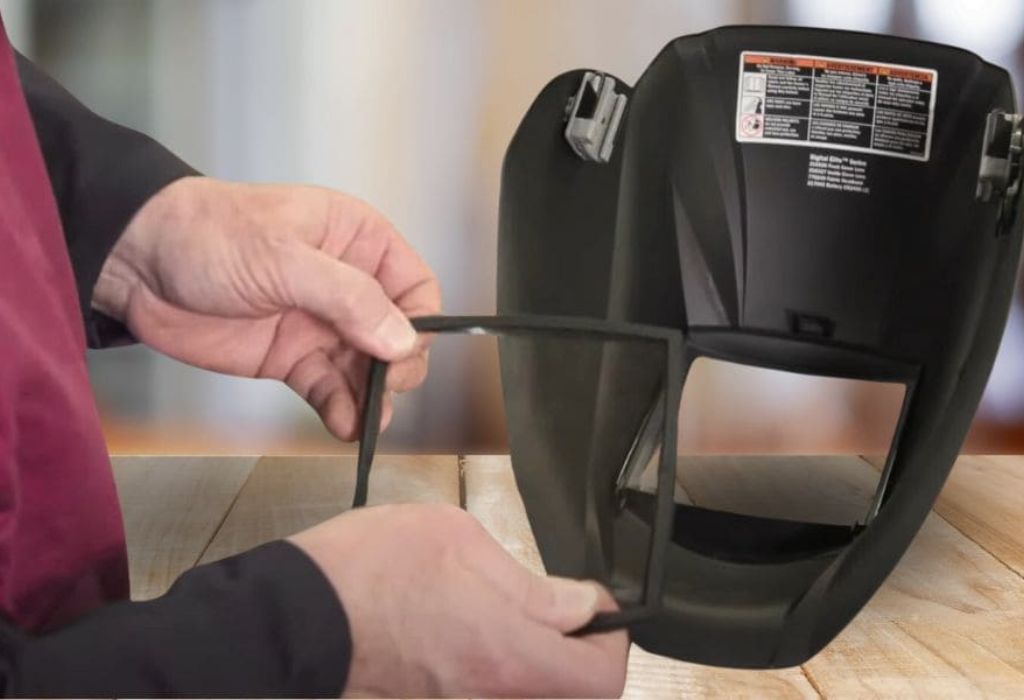
Cover lenses are consumable parts—many fabricators keep spares and change outer covers regularly under high-use conditions. Routine inspection before each shift helps catch clouding, scratches or cracked lenses before they impair vision. Suitably, heavy spatter conditions may require weekly outer lens changes; mild environments may allow monthly.
How often should lenses be changed?
Replace outer covers when scratched/cloudy; check inner cover and filter at service intervals as specified by manufacturer.
What is the correct cleaning method?
Use mild soap and water with a microfiber cloth—avoid solvents that damage polycarbonate or coatings.
How should spares be stored?
Store flat, in original sleeves, away from heat or direct sunlight to preserve shape and coating integrity.
What about headgear and comfort pads?
Replace worn pads and adjust headgear to center the viewing window for optimum alignment and minimal lens stress.
Are there special steps for PAPR helmets?
Yes—check seals, airflow paths, and ensure the front cover lens is correctly seated so blower pressure remains stable.
Standards, Shades, And Safety Answers
Shades dictate the amount of visible light transmitted during welding, while UV/IR filtering remains constant in certified lenses. Standards like ANSI Z87.1 (US) and EN 379 (Europe) define impact resistance, optical class and switch times for ADFs.
What shade should be used for common processes?
Reference a process chart but always err toward a darker shade if arc intensity is higher or reflective surfaces are present.
How to confirm compliance on replacement parts?
Look for Z87.1 mark, model number and manufacturer’s specification sheet on the lens packaging.
How does EN379 relate to clarity claims?
EN 379 uses four digits (such as 1/1/1/1) to rate optical class, which often complements the safety certification under ANSI.
Why use certified cover lenses instead of generic plastic?
Certified covers maintain full impact and optical integrity; generic optics may deform, scratch easily and compromise safety.
What indicates non-compliance during use?
Visibility problems, inability to darken, inconsistent switching or any missing certification marks should prompt immediate replacement.
Conclusion
Knowing how to replace welding helmet lens parts correctly restores clarity, protects vision and extends helmet life. Timely replacement of outer covers, inner covers and filters prevents worn optics from becoming a liability. Confirming fit, clearing dust, testing darkening and aligning the lens stack means each weld begins with confidence. Keep quality replacements on hand, follow the steps above, and your helmet becomes a precision tool—not a hindrance. For best results, inspect your helmet and lens stack right now, replace any questionable lens, and schedule regular checks. With proper maintenance and clear vision, every weld can be safer, sharper and more productive.

I’m Darrell Julian, the founder, lead writer, and hands-on welding enthusiast behind ArcWeldingPro.com. With more than 15 years of real-world welding experience, I created this platform to share what I’ve learned in the field, in the shop, and in the heat of the arc.