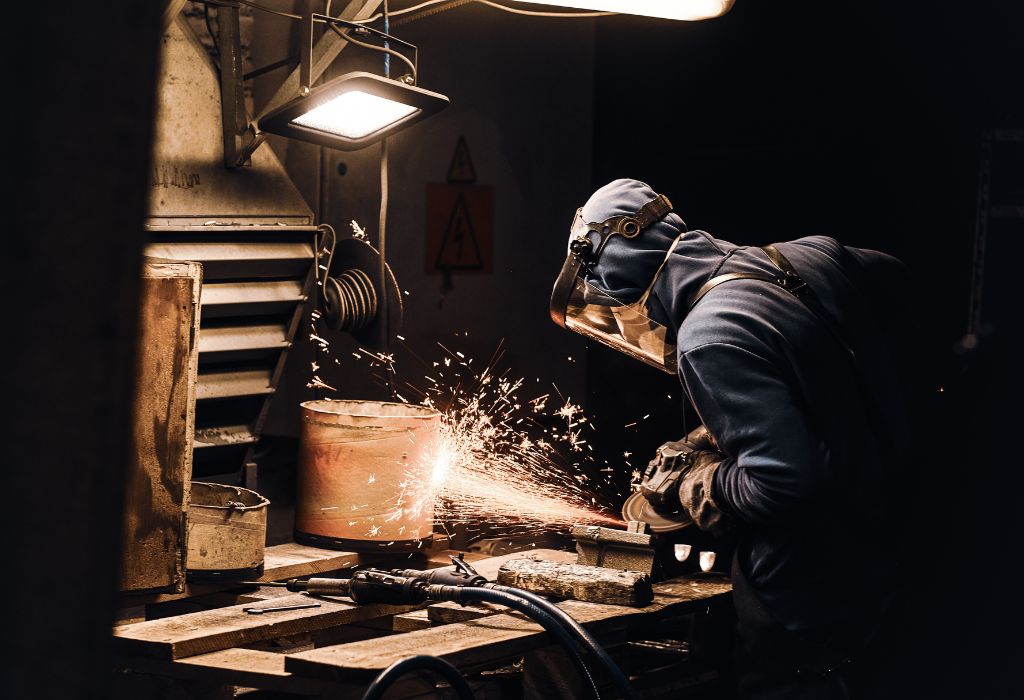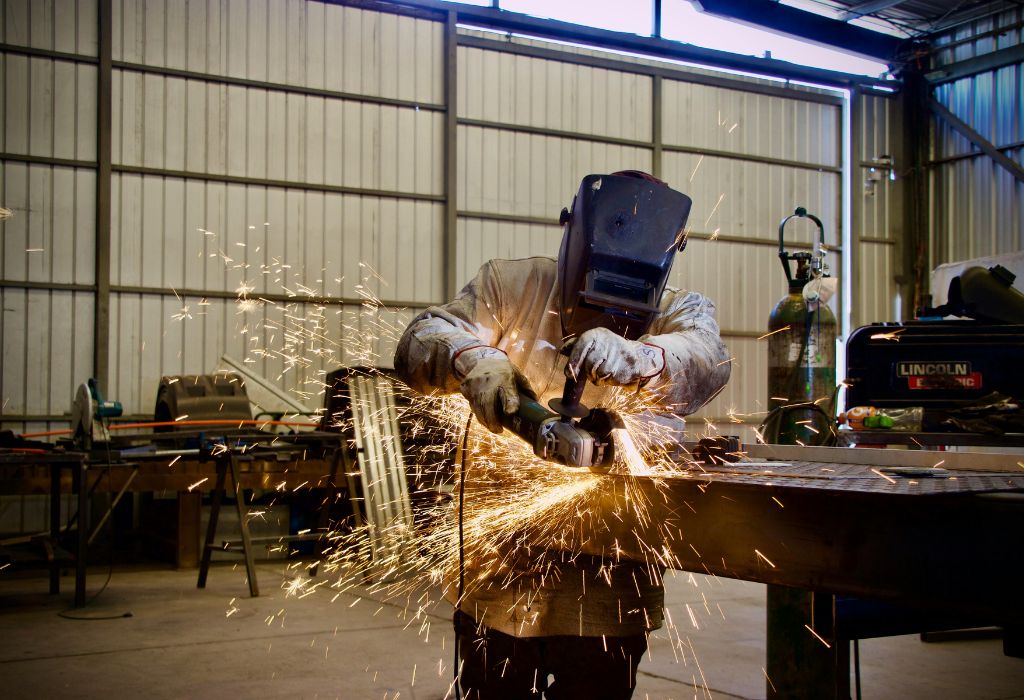
Many welders invest in trusted brands but rarely pause to ask one critical question — where are Miller welding helmets made?
With global manufacturing shifting rapidly, understanding the origin of your protective gear is more than curiosity — it’s about trust, safety, and quality.
Miller Electric has built a reputation as one of the leading names in the welding industry.
Yet in an age of international production and complex supply chains, even premium brands face scrutiny about where their products are assembled and how components are sourced.
Recent industry data shows that a large percentage of welding safety equipment sold in North America is made with parts sourced overseas.
This highlights how important it is for welders to know exactly where their helmets come from and what that means for quality standards.
Imagine working on a high-intensity project where every spark and flash tests the limits of your helmet’s reliability.
In that moment, knowing the manufacturing origin isn’t just a detail — it’s a matter of safety and confidence.
This guide explores where Miller welding helmets are made, how the brand’s production has evolved, and why country of origin plays such an important role in quality control.
By the end, you’ll understand the reality of Miller’s global manufacturing network, how to identify authentic models, and what “Made in” labels truly mean in the welding industry today.
The History and Reputation of Miller Electric
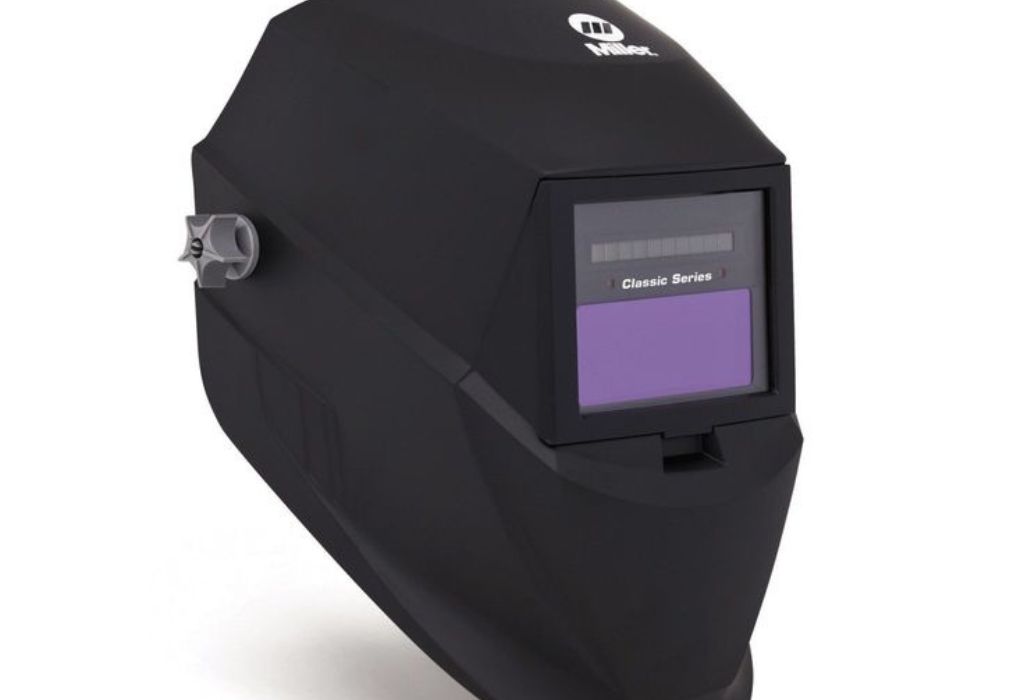
Miller Electric was founded in 1929 in Appleton, Wisconsin, as a small welding-machine manufacturer.
Over the decades, it has grown into a globally recognized leader in welding technology and safety equipment.
The company’s success is built on engineering innovation and its reputation for durable, high-quality products.
Many professionals associate the Miller name with American manufacturing excellence and strict safety compliance.
Although it started as a local enterprise, Miller now operates under the umbrella of Illinois Tool Works (ITW), a multinational manufacturing corporation.
This acquisition allowed Miller to expand production capacity, technology resources, and distribution worldwide.
The brand still maintains a strong presence in the United States through design, research, and assembly facilities.
However, like most global manufacturers, certain parts or models may now involve international production to meet demand.
Where is Miller Electric headquartered?
Miller Electric’s headquarters is in Appleton, Wisconsin, USA, where the company was originally founded.
When was Miller founded?
The brand began operations in 1929 and quickly gained recognition for its reliable welding equipment.
Does Miller manufacture only in the United States?
While its main base is in Wisconsin, Miller also utilizes global supply chains and component sourcing to support production.
Who owns Miller Electric today?
Miller is part of Illinois Tool Works (ITW), a multinational industrial conglomerate headquartered in the United States.
Has Miller’s manufacturing approach changed over time?
Yes, as the company grew internationally, production expanded to include globally sourced components and regional assembly locations.
Where Are Miller Welding Helmets Made?
The question of where Miller welding helmets are made often sparks debate among welders and industry experts.
Officially, Miller Electric is an American company, but the actual manufacturing of its helmets may involve multiple regions.
Miller’s higher-end helmets, such as the Digital Elite and T94 series, are primarily designed and assembled in the United States.
However, some parts, including sensors, filters, or lenses, are often sourced from trusted suppliers in other countries.
This combination of local assembly and imported components helps maintain both performance standards and affordability.
Miller emphasizes rigorous testing and quality control regardless of origin to ensure each helmet meets safety certifications.
For mid-range and entry-level models, production can occur in other regions where labor and material costs are lower.
This strategy is common among major safety equipment manufacturers that maintain global operations.
Where are Miller welding helmets made?
Most Miller helmets are designed and engineered in the USA, with assembly either in domestic facilities or international partner factories.
Are Miller helmets entirely made in the United States?
Some are, especially professional models, while others include imported components or are assembled abroad under Miller’s supervision.
Why are some parts made overseas?
Global sourcing allows cost efficiency, ensures steady supply, and keeps pricing competitive while maintaining high standards.
How does Miller ensure quality if parts come from different countries?
Every helmet must pass strict internal testing for durability, optical clarity, and safety compliance before reaching customers.
Is it common for welding brands to produce internationally?
Yes, nearly all major welding brands operate global manufacturing systems, combining U.S. design with international production.
Why Country of Origin Matters in Welding Helmets
The country where a welding helmet is made can influence quality control, material standards, and user confidence.
For professionals who depend on consistent protection, manufacturing origin provides insight into safety assurance.
Helmets produced in regulated environments such as the United States or Europe typically adhere to strict certification processes.
Those made elsewhere may meet different standards, though many reputable global plants still follow identical procedures under brand oversight.
Knowing where Miller welding helmets are made also helps buyers understand the balance between cost and craftsmanship.
A helmet designed and tested in the U.S. may feature advanced auto-darkening lenses and higher-grade materials.
The place of origin can also affect spare parts availability, service support, and long-term reliability.
Understanding this aspect empowers welders to make informed, safety-focused purchasing decisions.
Why does origin matter for welding helmets?
Manufacturing origin reflects quality standards, safety testing, and long-term product reliability.
Does origin influence durability and performance?
Helmets made under strict regulations often feature better lenses, electronics, and shell materials.
Are imported helmets less safe?
Not necessarily; performance depends on brand oversight, testing procedures, and certification rather than location alone.
Can country of origin affect warranty or service?
Yes, helmets assembled in certain regions may have different warranty coverage depending on distribution.
What’s the biggest reason welders care about origin?
It builds trust — professionals want to know that their safety gear meets recognized manufacturing standards.
Community Insights and Industry Perception
Welding communities frequently discuss where Miller helmets are made and how that affects product quality.
User feedback across professional forums often highlights that most Miller helmets are designed in the U.S. but may include imported electronics or lenses.
Many welders express pride in Miller’s American heritage while acknowledging that global sourcing is now standard in manufacturing.
They often point out that helmet reliability and comfort remain strong regardless of where final assembly occurs.
Some professionals prefer “Made in USA” labels for their perceived higher craftsmanship and component integrity.
Others prioritize technological performance, noting that Miller’s helmets consistently rank among the top for auto-darkening response and durability.
These community perspectives show that quality perception depends more on brand consistency than factory geography.
The name “Miller” itself carries assurance of performance built on decades of welding innovation.
What do welders say about where Miller helmets are made?
Most users report that high-end models are U.S.-assembled, while some budget units include imported parts.
Are welders concerned about imported components?
Some are, though most agree that Miller’s quality control maintains consistent standards across all models.
Does Miller advertise helmet origin clearly?
Information is typically available on product labels or packaging rather than in marketing materials.
Is there a performance difference between U.S. and imported Miller helmets?
Performance levels remain similar, with differences mainly related to materials and accessory quality.
What keeps Miller trusted despite global production?
Its long-standing reputation, advanced auto-darkening technology, and proven safety record maintain brand confidence.
How to Verify a Welding Helmet’s Manufacturing Origin
For welders who want to confirm where a Miller welding helmet is made, several straightforward steps can help.
Every authentic helmet includes identification details that reveal its origin or assembly information.
Start by checking the product label inside the helmet shell, which often states “Made in” or “Assembled in” followed by the country.
Serial numbers can be cross-checked on Miller’s support platform or warranty card for verification.
The product packaging may also display manufacturing details or certification marks such as ANSI or CE, depending on region.
If the model number includes region codes, it can indicate where assembly occurred.
Buyers should purchase from authorized Miller distributors to ensure authenticity and access to official documentation.
Counterfeit helmets lacking accurate origin labeling are a growing problem in the global market.
How can buyers verify where their helmet was made?
Inspect the internal label, product box, and warranty registration for country-of-origin information.
Does Miller list manufacturing data on all helmets?
Most models include it on the inside shell or packaging for transparency and compliance.
Can serial numbers reveal production location?
Yes, serial and batch codes often trace back to specific assembly or testing facilities.
What’s the best way to avoid counterfeit helmets?
Purchase only from authorized dealers or official Miller partners.
Do fake helmets misrepresent origin?
Yes, counterfeit units may use “Made in USA” labels without genuine verification, posing safety risks.
Global Manufacturing in the Welding Industry
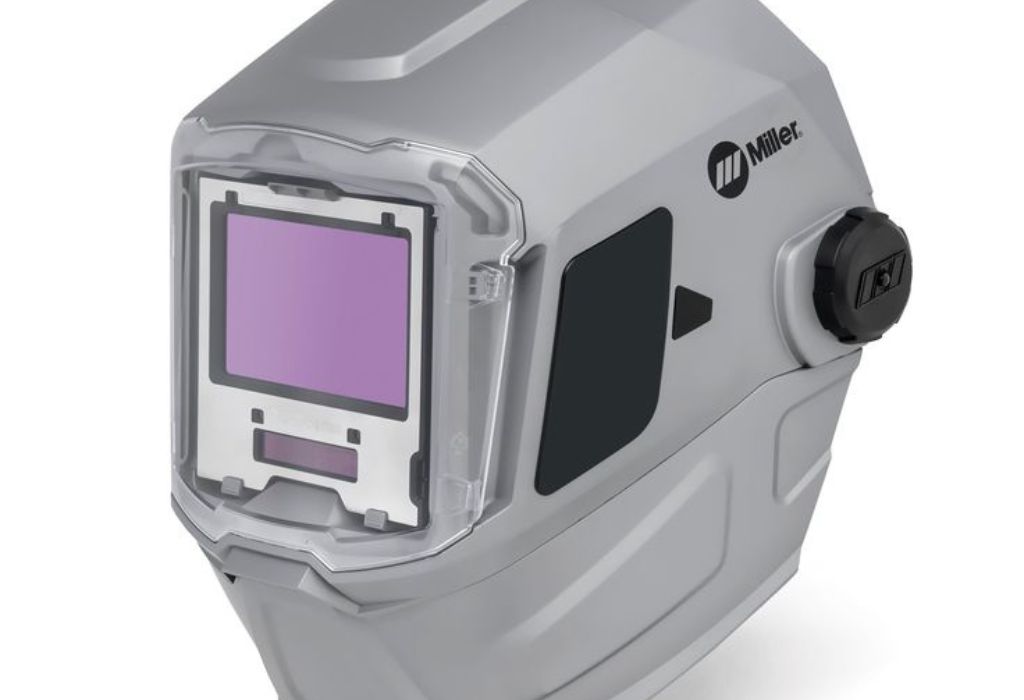
Miller Electric’s approach reflects a broader trend in industrial equipment production.
Today’s welding gear manufacturers rely on global networks for cost efficiency, supply consistency, and technology integration.
It’s common for lenses to be made in one country, shells in another, and assembly to happen elsewhere.
This modular production method allows specialized plants to focus on specific components at scale.
Despite geographic diversity, quality remains stable because companies like Miller impose strict inspection and testing.
Every helmet undergoes impact resistance, optical clarity, and sensor accuracy testing before release.
This global strategy allows brands to serve both high-end professionals and entry-level users at different price points.
It also helps ensure that availability isn’t disrupted by regional production limits.
Is global manufacturing a new practice for safety gear?
No, it has been a standard for decades to balance efficiency with safety requirements.
How does Miller manage its international supply chain?
Through supplier audits, standardized testing, and quality control protocols enforced across facilities.
Can global manufacturing lower costs without harming quality?
Yes, when properly managed, it allows affordability while maintaining high safety standards.
Do other welding brands follow this model?
Yes, major names like Lincoln, ESAB, and Hobart also mix domestic design with international production.
Does Miller still build products in America?
Absolutely, especially for advanced helmets and machines where performance precision is critical.
Implications for Buyers and Professionals
Understanding where Miller welding helmets are made helps buyers make confident, informed decisions.
For many professionals, the country of origin isn’t as crucial as consistent performance and warranty support.
When choosing a helmet, focus on certification marks, comfort level, and auto-darkening performance.
These features have a greater impact on safety than the assembly site alone.
Still, transparency remains vital — reputable manufacturers disclose their production practices to build user trust.
Miller’s continued investment in American operations demonstrates its commitment to domestic craftsmanship alongside global logistics.
Buyers can also look for specific model lines if they prefer U.S.-assembled helmets.
Researching before purchase ensures that you choose the right model for your expectations and work demands.
Does origin influence buying decisions?
Yes, many professionals still prefer gear made or assembled domestically for peace of mind.
Are imported helmets always cheaper?
Generally, yes, but price differences often reflect features, not necessarily reduced quality.
How can welders balance price and origin?
By focusing on certified products from reliable distributors, ensuring both safety and value.
Should professionals avoid globally made gear?
No, reputable global production under strict control still delivers excellent performance.
What is the smartest approach when choosing a helmet?
Prioritize certification, brand reputation, and comfort over location alone.
Conclusion
Understanding where Miller welding helmets are made gives welders valuable perspective on what goes into their safety gear.
While the company’s roots are proudly American, its modern production reflects a balanced global network that supports efficiency and reliability.
Miller’s U.S.-based engineering teams continue to design and test helmets that meet rigorous safety standards.
Meanwhile, select components or assembly may occur internationally to ensure consistent availability and competitive pricing.
For welders, the takeaway is simple — the origin label tells part of the story, but the Miller name represents proven performance worldwide.
Quality comes from design, testing, and innovation rather than geography alone.
Before your next purchase, check the label, confirm certification, and choose the helmet that best fits your work style.
No matter where it’s assembled, a genuine Miller helmet delivers the comfort, clarity, and protection welders depend on every day.

I’m Darrell Julian, the founder, lead writer, and hands-on welding enthusiast behind ArcWeldingPro.com. With more than 15 years of real-world welding experience, I created this platform to share what I’ve learned in the field, in the shop, and in the heat of the arc.