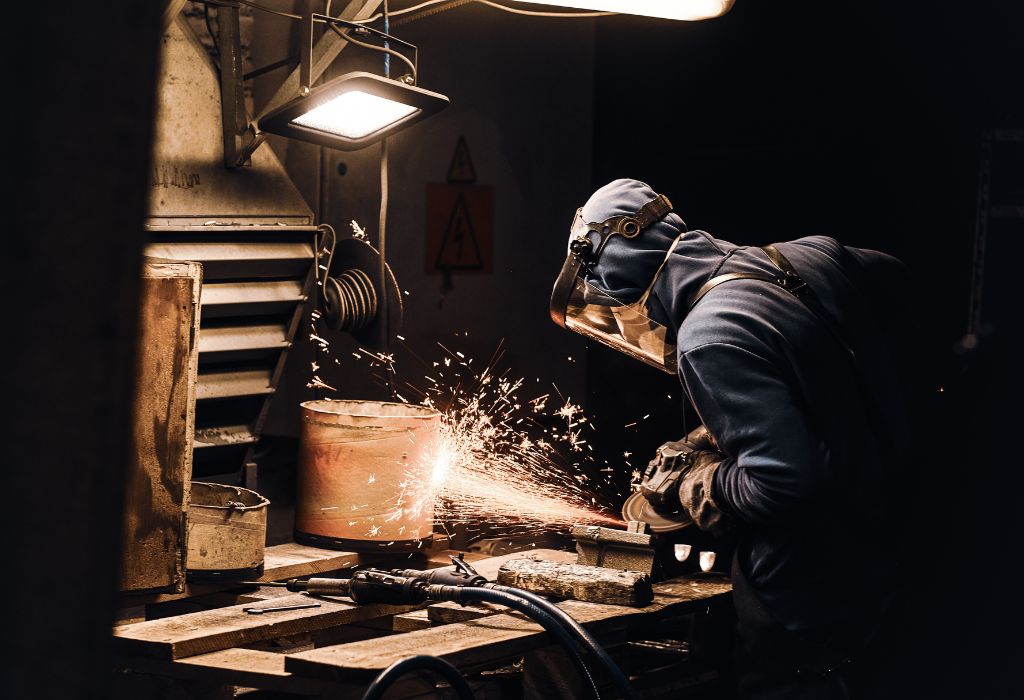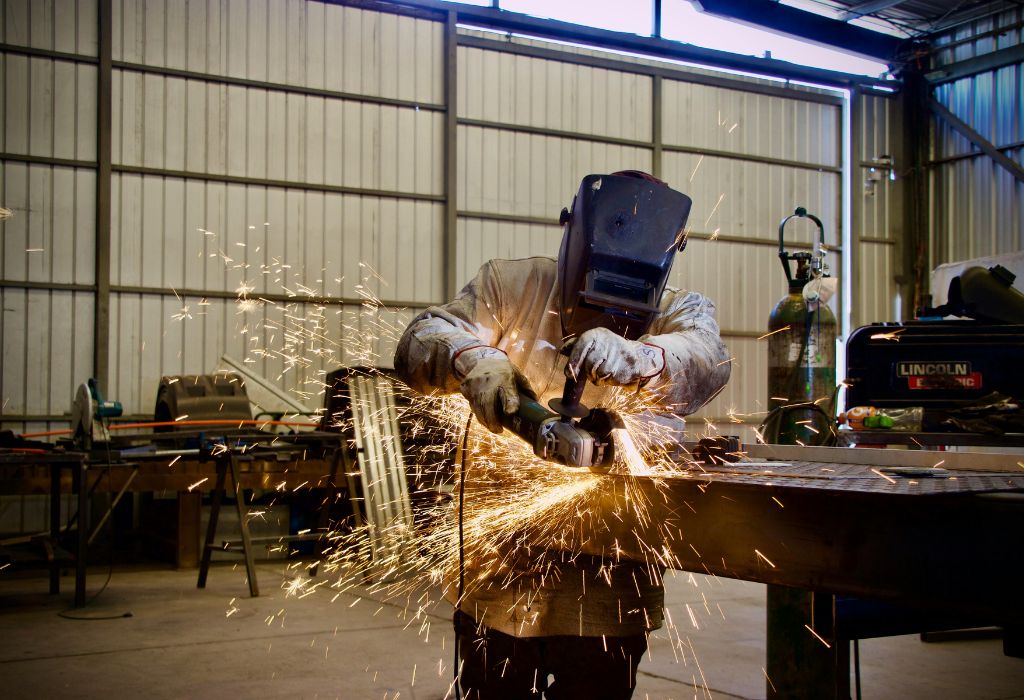
Color matters when heat, metal, and timing converge. A green-tinted view can blur puddle edges and hide the moment when the joint truly ties in.
Now imagine a neutral, lifelike view that reveals toe lines, keyhole shape, and tiny ripples in motion. That clarity is the promise behind a true color welding helmet.
A true color lens keeps UV and IR protection while allowing a more natural spectrum to pass through. The result is better puddle visibility and more confident control on every bead.
Workplace eye injuries remain common and costly, which makes better visibility more than a comfort feature. The U.S. Bureau of Labor Statistics recorded 18,510 eye-related injury cases with days away from work in 2020, underscoring how prevention and precision matter on the floor
Clear vision links directly to precision and productivity under the hood. Industry guidance shows that optical ratings and advanced filtering are central to consistent, accurate work, especially for learning welders and complex joints. Practical Machinist+1
This guide explains what is a true color welding helmet, how clarity ratings work, and why a neutral tint helps read the puddle. It covers selection, safety standards, setup, and care, with quick Q&A under each section for fast answers.
By the end, the differences between traditional green views and modern true color optics will be clear. The right helmet settings and maintenance plan will be ready to apply on the next shift.
True Color, Explained
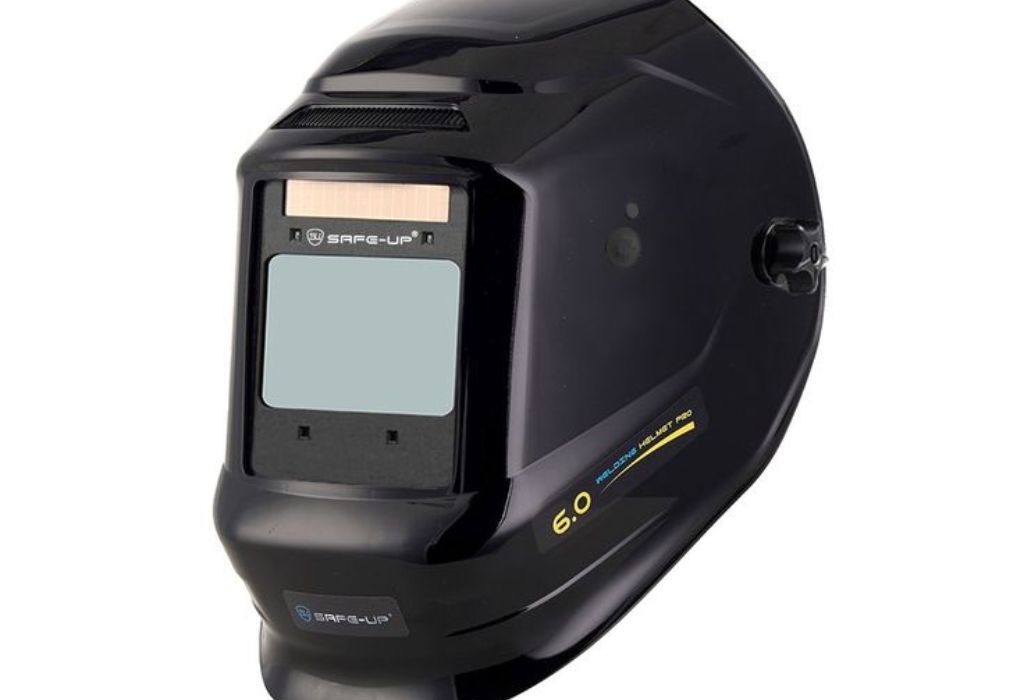
True color describes an auto-darkening filter that preserves realistic color recognition rather than the classic green cast. The lens uses neutral-balanced transmission so edges, heat tint, and puddle transitions stand out more clearly. The Home Depot+2eastwood.com+2
UV and IR blocking are constant and independent of shade, so eye protection remains at all times. That means the safer view does not sacrifice protection for visibility. Wikipedia+1
Better color accuracy helps distinguish the weld pool from the arc flare and base metal. This is especially useful when tracking tie-ins, watching wet-out, and spotting contamination before it ruins the pass. Reddit+1
What does “true color” mean in a welding helmet?
It is a neutral-tint ADF that shows realistic hues rather than strong green, improving contrast and detail.
Does true color reduce protection from UV and IR?
No, quality ADFs block UV and IR continuously regardless of shade.
Why does color accuracy help puddle control?
Natural hues reveal edges, impurities, and heat tint that guide travel speed and filler addition.
Is true color only for TIG work or all processes?
It benefits MIG, TIG, Stick, and flux-core because puddle reading and toe-line tracking improve for each.
Does true color reduce eye strain over long shifts?
Competitor guidance and user reports link neutral tints to reduced strain and better recognition. Practical Machinist
Optical Clarity Ratings and Why They Matter
EN379 uses four classes to assess optical quality, often seen as 1/1/1/1 on spec sheets. The classes cover optical quality, light scatter, homogeneity, and angle dependence. The Home Depot+1
A top score means minimal distortion and even shading across the viewport, which supports consistent bead placement. Some manufacturers benchmark clarity beyond EN by comparing through ANSI tests and proprietary metrics. eastwood.com
The takeaway is simple. Good clarity means straighter lines look straight and shades remain uniform, which reduces errors at fit-up and during travel. Practical Machinist
What is 1/1/1/1 clarity?
It is the highest EN379 class indicating excellent optics and uniform shading.
Is 1/1/1/1 always better in real use?
Some modern lenses claim superior perceived clarity under ANSI benchmarks even with 1/1/1/2 EN on paper.
How does clarity affect joint fit-up and bead placement?
Less distortion helps position the electrode and track the toe line precisely.
Do clarity ratings apply to grinding mode?
They describe the ADF optics; grinding mode visibility still benefits from high optical quality.
How can a user test clarity at the shop?
Look at fine print or straight edges through the lens and watch for bending or uneven shade.
How True Color ADFs Work
Traditional green views come from filter stacks that emphasize a narrow transmission band. True color stacks balance transmission so neutral grays dominate the view while arc glare is still controlled. Amazon+1
Sensor arrays detect the arc and trigger a liquid-crystal stack to darken within milliseconds. Low-amp stability and consistent shading help most during TIG starts and root passes. Reddit+1
Because the spectrum is more lifelike, welders read surface oxidation and heat tint on stainless more reliably. That supports better interpass decisions and cleaner cosmetic results. eastwood.com
What creates the green tint in older lenses?
Older filter balances favored green transmission, which muted reds and blues.
Does true color change shade speed?
Shade speed depends on sensor and LCD design, not just tint technology.
Why do low-amp TIG arcs challenge cheaper ADFs?
Weak signals can fail to trigger or cause flicker without sensitive sensors and proper settings.
Does true color help with stainless color reading?
Yes, neutral tint shows heat colors more accurately for QA checks.
Is battery type relevant to view quality?
Stable power and fresh batteries keep switching consistent and prevent nuisance flicker.
Benefits Across Processes
MIG benefits from better puddle boundary recognition and reduced spatter blindness. Stick gains cleaner keyhole reading and improved slag control between beads.
Flux-core visibility improves in smoky conditions because neutral tint handles contrast better. TIG gains the most at low amps where arc cones are subtle and toes are easy to miss. Practical Machinist
Shorter learning curves follow because students can see what instructors describe. Rework rates fall when toe tie-ins and undercut are easier to spot as they develop.
Which process gains the most from true color?
TIG and fine MIG work see the largest benefit, though all processes improve.
Does it help outdoors with glare?
Neutral transmission with solid shade control manages bright backgrounds better than heavy green tints.
Will it help new welders learn puddle reading faster?
Clearer edges and heat cues speed feedback and correction.
Is the benefit noticeable on heavy flux-core spatter?
Yes, better contrast improves tracking even when smoke levels rise.
Does it help see mill scale or contamination?
Realistic color can reveal surface prep issues before the pass starts.
Choosing a True Color Welding Helmet
Look for a variable shade range that covers grind to shade 13 and a switching speed in the 1/10,000s range or faster. More sensors improve reliability in tight joints and out-of-position work.
Comfort matters for long shifts, so prioritize balanced headgear and light weight. Confirm ANSI Z87.1 and EN379 compliance for impact and optical safety. Wikipedia
Large viewing areas are helpful but not everything. Edge uniformity and optical class often influence results more than sheer size. The Home Depot
What minimum switching speed is recommended?
Faster than 1/10,000s is common for pro work and reduces start flash discomfort.
How many arc sensors are ideal?
Three or four resist blockage from hands or fixtures during out-of-position welding.
What shade range covers most work?
DIN 5–13 handles grinding to high-amp welding.
Is a larger viewing area always better?
Only if clarity and uniform shade remain high across the lens.
How to size headgear correctly?
Adjust crown, fore-aft, and tilt so the lens centers in your line of sight without pressure points.
Safety, Eye Health, and Data
Eye injuries remain a serious concern in shops and the field. About 18,510 eye-related injury or illness cases required days away from work in 2020, with most caused by contact with objects or equipment. Wikipedia
Medical groups estimate nearly 20,000 workplace eye injuries occur each year, a reminder that protection choices have real consequences.
A clear, accurate view helps prevent arc wander, tool slips, and misaligned tacks that lead to incidents. True color helmets support that clarity without compromising UV or IR protection. Practical Machinist
How common are job-related eye injuries?
Government and medical sources report tens of thousands annually.
Can true color reduce errors at fit-up?
Better visibility supports more accurate starts and travel lines.
Does color accuracy help judge overheating discoloration?
Yes, neutral tints show stainless heat colors that signal temperature control.
Will true color make grinding safer?
Improved contrast in grind mode helps spot edges and burrs.
What standard should the helmet meet?
ANSI Z87.1 and EN379 are the baseline safety marks. Wikipedia
Setup, Care, and Troubleshooting
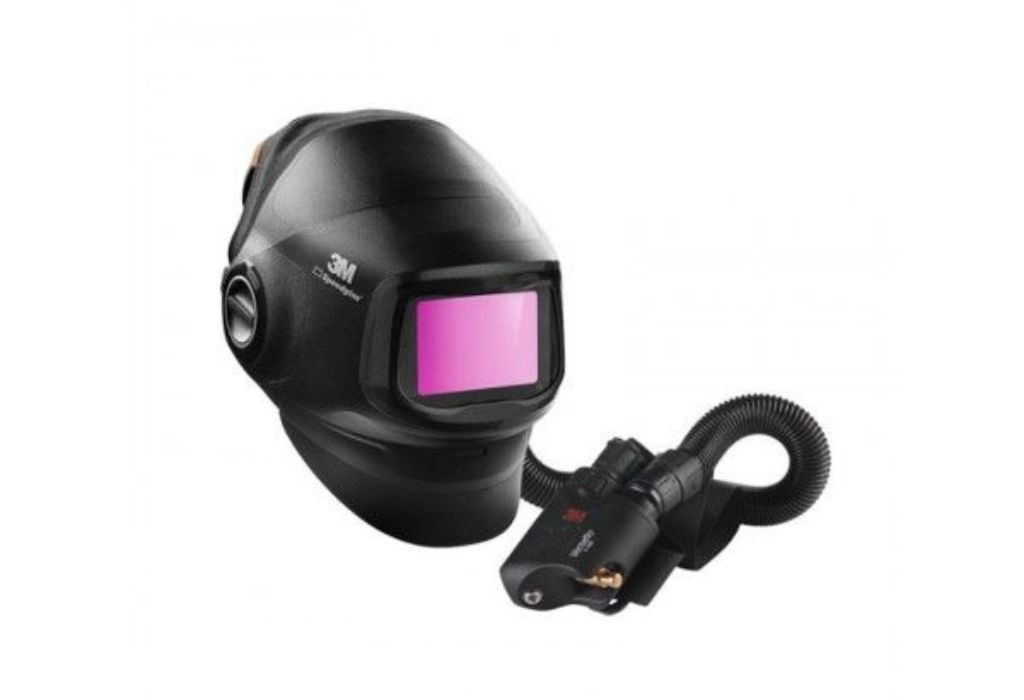
Keep front and inner cover lenses clean and scratch-free to protect optical quality. Shield sensors from direct sunlight during setup, and adjust sensitivity and delay to the task.
Replace batteries on schedule to avoid slow switching and nuisance flicker. Store the helmet in a dry, clean case to protect the LCD stack and covers.
If the view seems dull after months of use, replace the outer cover lens before suspecting the ADF. Small scratches scatter light and reduce clarity.
Why does the lens flicker indoors?
Low-amp TIG starts and fluorescent lighting can confuse sensors without correct sensitivity.
What if sunlight forces unintentional darkening?
Shade sensors with the hood or adjust sensitivity to prevent false triggers.
Why is the puddle still hard to see after upgrade?
Dirty covers, incorrect shade, or poor ambient lighting often cause the issue.
How often should covers be changed?
Whenever scratched or cloudy, since clarity loss compounds quickly.
Can scratches cause false triggers?
Yes, scattered light can influence sensors and degrade clarity.
Cost, Value, and When Not to Buy
Entry-level true color helmets provide the core benefit with fewer adjustments and smaller viewports. Mid-range adds faster switching, better headgear, and multiple sensors.
Premium models deliver the most stable clarity, excellent optics, and robust comfort for long shifts. Weigh the price against reduced rework, better QA, and fewer fit-up mistakes.
If the work is occasional and mostly heavy outdoor stick, a standard ADF may suffice. The ROI grows with precision needs, training goals, and finishing standards.
Is true color worth the premium?
For precision work and training, the clarity often pays back in fewer errors and faster learning.
Will cheap models still protect eyes?
Yes if certified, but clarity, comfort, and stability may lag.
What if most work is heavy stick outdoors?
Shade stability and durability matter more than color accuracy.
Does warranty length matter?
Longer warranties usually track with better electronics and support.
What accessories add the most value?
Spare outer covers, a sweatband kit, and a clear grind shield extend performance.
Conclusion and
A true color welding helmet answers the visibility problem with a safer, more realistic view of the puddle. Color accuracy, solid clarity ratings, and proper setup reduce strain and help each pass land where it should.
Choose a model that meets safety standards, fits comfortably, and matches the work. Keep covers clean, set sensitivity for the environment, and replace consumables before clarity fades.
Put neutral-tint visibility to work on your next joint and track the difference in speed, bead quality, and rework. Better vision under the hood is a daily advantage worth claiming.

I’m Darrell Julian, the founder, lead writer, and hands-on welding enthusiast behind ArcWeldingPro.com. With more than 15 years of real-world welding experience, I created this platform to share what I’ve learned in the field, in the shop, and in the heat of the arc.