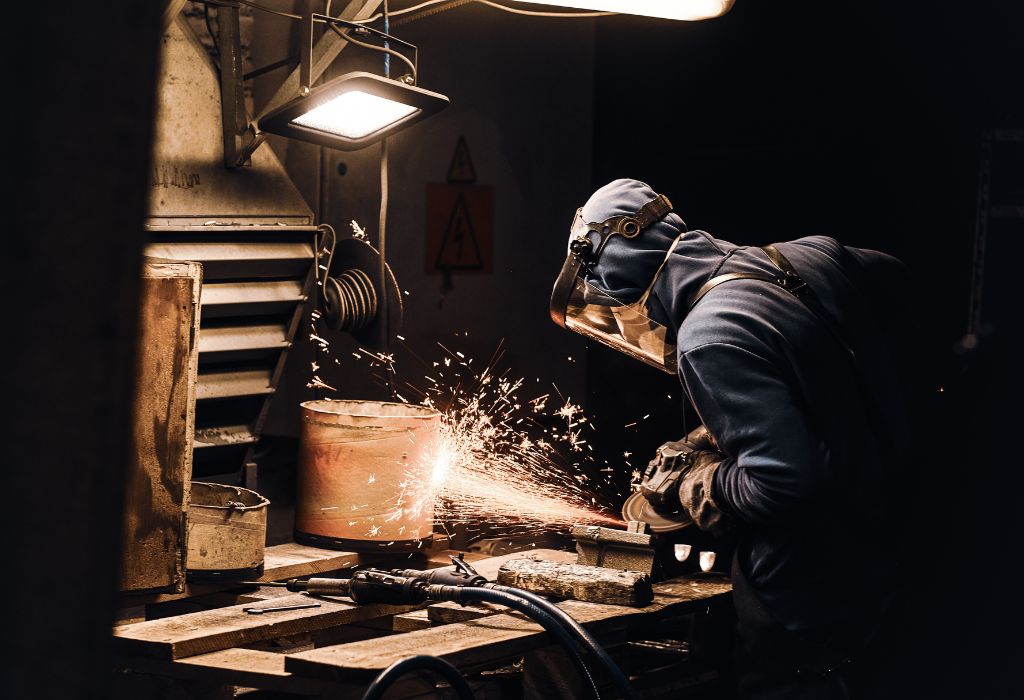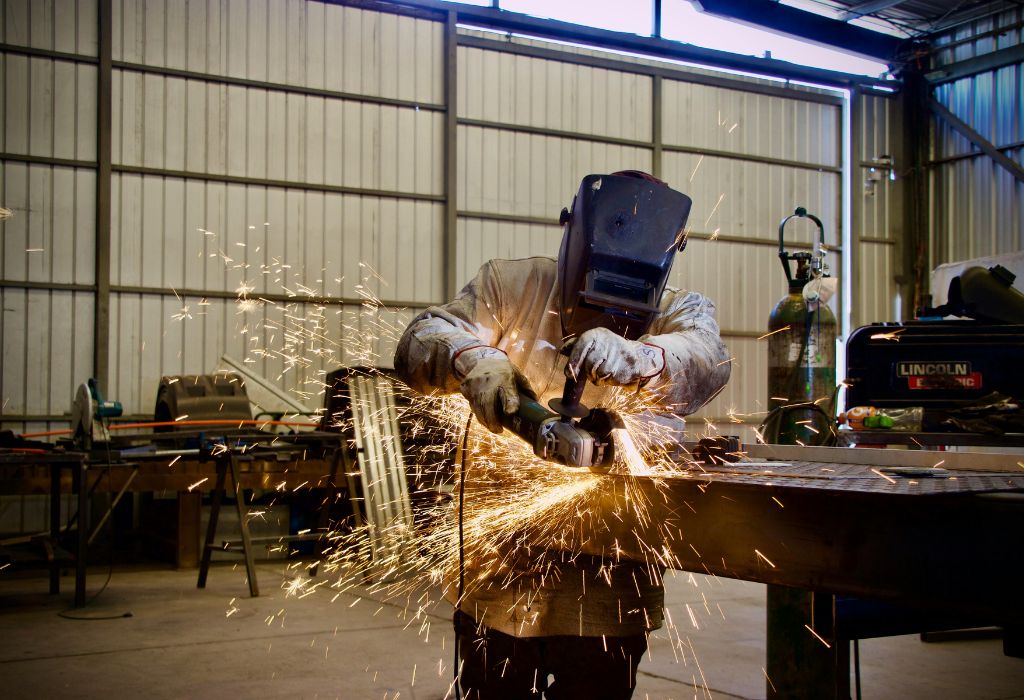
A welding helmet is more than just protective gear — it’s a reflection of a welder’s identity.
From striking paint jobs to artistic decals, customizing a welding helmet lets welders combine safety with self-expression.
Many professionals now ask how to customize a welding helmet to stand out in the workshop while keeping safety intact.
According to Lincoln Electric’s 2024 Survey, nearly 70% of welders under age 35 personalize their helmets to boost comfort and individuality at work.
Customization doesn’t just make helmets look cool.
It can improve visibility, enhance motivation, and even make welders more likely to wear PPE consistently.
But improper methods — like using the wrong paint or blocking sensors — can compromise protection.
This guide explains every step of customizing your helmet safely, from design planning to finishing touches, while ensuring it still meets ANSI Z87.1 and EN 379 standards.
Why Customizing Your Welding Helmet Matters
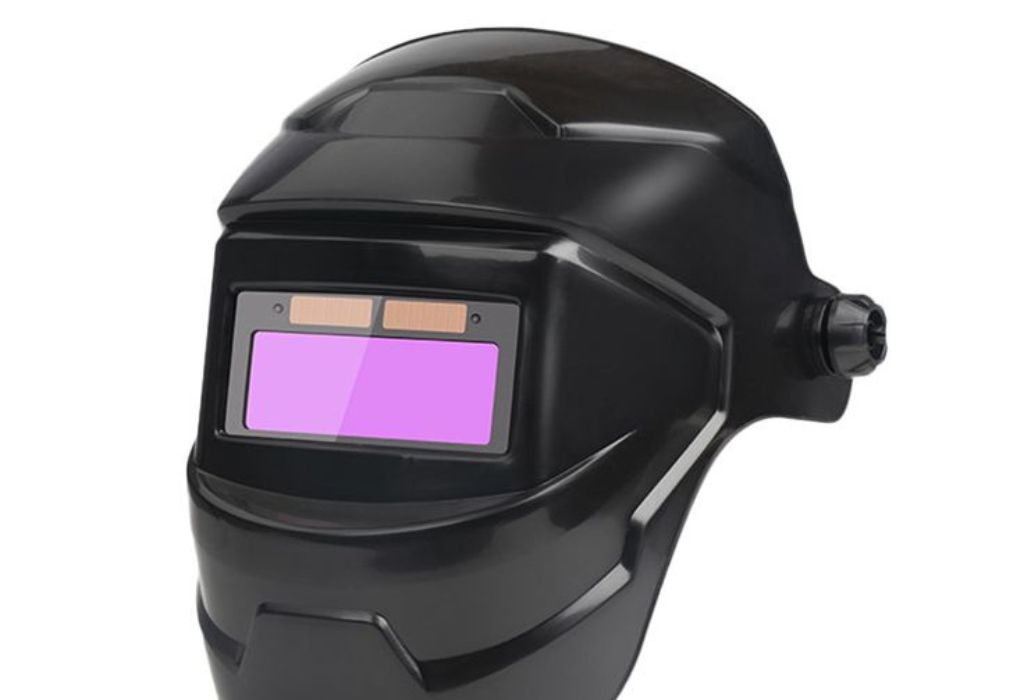
Welders spend hours behind their helmets — comfort and confidence matter as much as protection.
A customized design turns routine safety gear into a personal statement.
What benefits come from customizing a welding helmet?
It builds pride in craftsmanship and boosts morale during long shifts.
Custom looks also help identify your gear quickly in shared shops.
Does customization affect helmet safety or certification?
Yes — any modification must preserve the shell’s integrity and the lens system’s compliance.
Always verify ANSI or EN ratings remain visible after modification.
How popular is helmet personalization today?
It’s a fast-growing trend across fabrication and artistic welding communities.
Airbrushed graphics and hydro-dipped finishes dominate online welding forums.
Can customization improve comfort and usage consistency?
Definitely — welders often treat a helmet they designed themselves with more care, increasing safety compliance.
What are the risks of improper customization?
Wrong materials may ignite, melt, or obstruct sensors, reducing visibility and protection.
Always prioritize function over flair.
Planning Your Welding Helmet Customization Before the Work Begins
Proper planning keeps your creativity safe and your helmet functional.
Before touching a brush or vinyl wrap, know exactly what you want to achieve.
How do you choose the right design concept?
Think about your trade, shop logo, or theme that reflects your welding identity.
Popular ideas include flames, skull art, metallic gradients, and brand-matching colors.
What materials and supplies will you need?
Use high-temperature-resistant primer, acrylic or enamel paint, automotive vinyl, masking tape, and a clear protective top-coat.
Avoid generic spray paints — they can weaken the shell under heat exposure.
Should you check the helmet’s certification first?
Yes — confirm it meets ANSI Z87.1 or EN 379 before customizing.
Never cover or paint over certification marks.
Do you need to disassemble the helmet before painting?
Always remove the headgear, lens, and sensors first.
This prevents overspray and keeps electronics safe.
What workspace setup ensures safe customization?
Work in a ventilated area with fire-safe surfaces.
Use gloves, goggles, and a respirator when sanding or painting.
Step-by-Step Guide: How to Customize a Welding Helmet
Now that the plan is ready, it’s time to create your design safely and professionally.
How do you prepare the helmet shell?
Clean with mild detergent and water, then dry completely.
Lightly sand glossy surfaces with fine-grit sandpaper for better paint adhesion.
What’s the right way to paint or apply decals?
Apply primer first and let it dry fully.
Use thin, even layers of high-temp paint or vinyl graphics, letting each coat cure completely.
How should you protect sensors and lens areas during customization?
Mask these sections with painter’s tape or removable film.
This keeps visibility clear and prevents coating damage.
When can you reinstall the headgear and lens?
After the paint or wrap has cured for at least 24 hours.
Ensure edges are sealed and no material interferes with auto-darkening sensors.
What finishing steps add durability and shine?
Apply a clear coat for UV protection and resistance to scratches.
Optional touches include reflective tape or LED trims for better visibility.
Safety, Compliance & Maintenance After Customization
Even the most creative designs must meet safety standards.
Maintaining compliance ensures you stay protected while showing off your style.
Can customization void your helmet’s warranty or certification?
It can — especially if paint or adhesives alter shell performance.
Check the manufacturer’s terms before proceeding.
How often should you inspect your custom helmet?
Before every shift, check for cracks, fading paint, or damaged decals.
Ensure the lens darkens properly under test light.
What’s the best way to maintain a custom helmet?
Wipe with mild soap and water — never use harsh solvents.
Store in a cool, dry area away from direct sunlight.
Are certain paints or wraps flammable near weld arcs?
Yes — only use materials labeled heat-resistant or non-flammable.
Keep at least a two-foot distance from direct spatter zones.
What to do if protection feels compromised after customization?
Stop using the helmet immediately.
Consult the manufacturer or replace the shell to restore full safety.
Creative Ideas & Trendy Customization Techniques
Modern welders mix creativity and practicality in their designs.
Here are the trendiest and safest ways to customize.
What design themes are trending among welders?
Flames, skulls, and metallic finishes remain classics.
Some add patriotic flags, logos, or geometric patterns for a professional look.
How can hydro-dipping create unique effects?
This water-transfer process coats the helmet in complex patterns like carbon fiber or camo.
It’s fast, durable, and heat-resistant when properly sealed.
Is vinyl wrapping a good option for customization?
Yes — it’s reversible and offers crisp graphic detail.
Use heat-rated wrap vinyl suitable for PPE surfaces.
Can welders safely add lights or tech modifications?
LED strips or reflective panels enhance visibility in low-light shops.
Ensure they don’t block ventilation or sensors.
How do you balance aesthetics with function?
Keep coatings thin, avoid covering vents, and never touch inner lenses.
Your helmet should perform as well as it looks.
Budgeting & Where to Get Customization Supplies
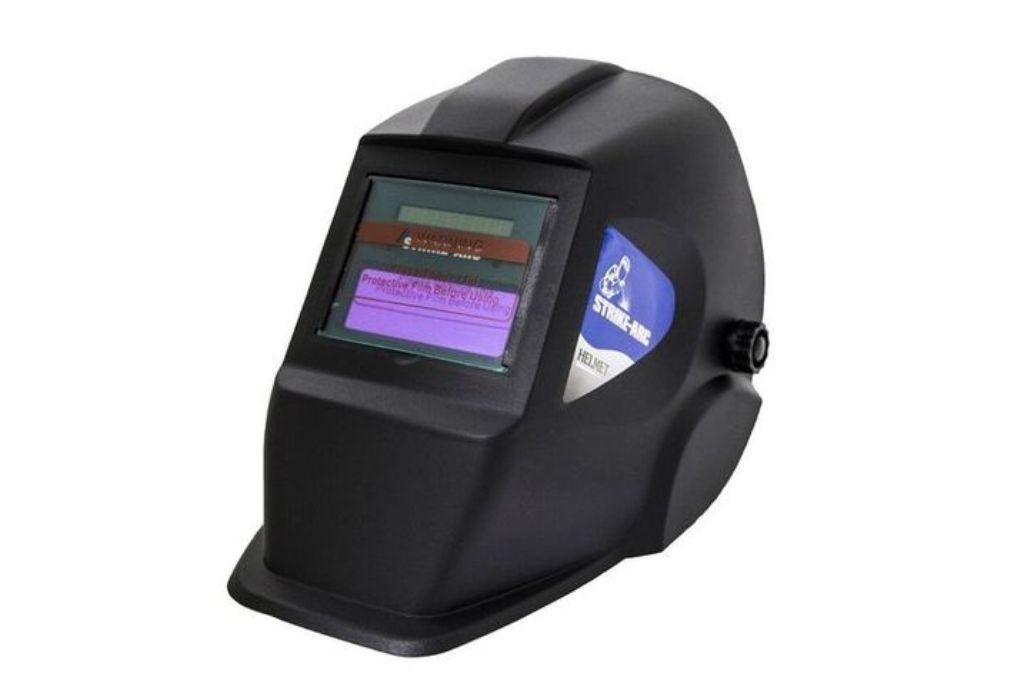
Customization can fit any budget with smart planning.
Knowing where to buy safe materials saves both time and risk.
How much does a helmet customization project cost?
DIY projects average $25–$60.
Professional hydro-dips or airbrushing can reach $100–$150 depending on complexity.
Which items are must-haves for DIY customization?
Primer, paint, masking tape, clear coat, vinyl graphics, and sanding tools.
Optional items include LED lights, decals, or hydro-dip kits.
Where can welders buy supplies or services?
Auto-paint suppliers, welding equipment stores, and online PPE shops.
Some welding brands now offer pre-approved custom kits.
Does customization affect resale value?
High-quality designs can increase resale if functionality remains intact.
Low-quality paint jobs or flammable materials reduce value.
Is professional customization worth the price?
Yes — for complex airbrushing or guaranteed compliance.
DIY is ideal for simple, safe designs with limited risk.
Conclusion
Learning how to customize a welding helmet lets you merge protection with personality.
The key is balancing creativity and safety at every step.
Choose non-flammable, heat-resistant materials and respect your helmet’s certification.
Simple paint, decals, or wraps can transform an ordinary helmet into a personal masterpiece.
Customization isn’t just style — it’s ownership.
When your helmet looks like you, wearing it becomes second nature, and safety turns into pride.

I’m Darrell Julian, the founder, lead writer, and hands-on welding enthusiast behind ArcWeldingPro.com. With more than 15 years of real-world welding experience, I created this platform to share what I’ve learned in the field, in the shop, and in the heat of the arc.