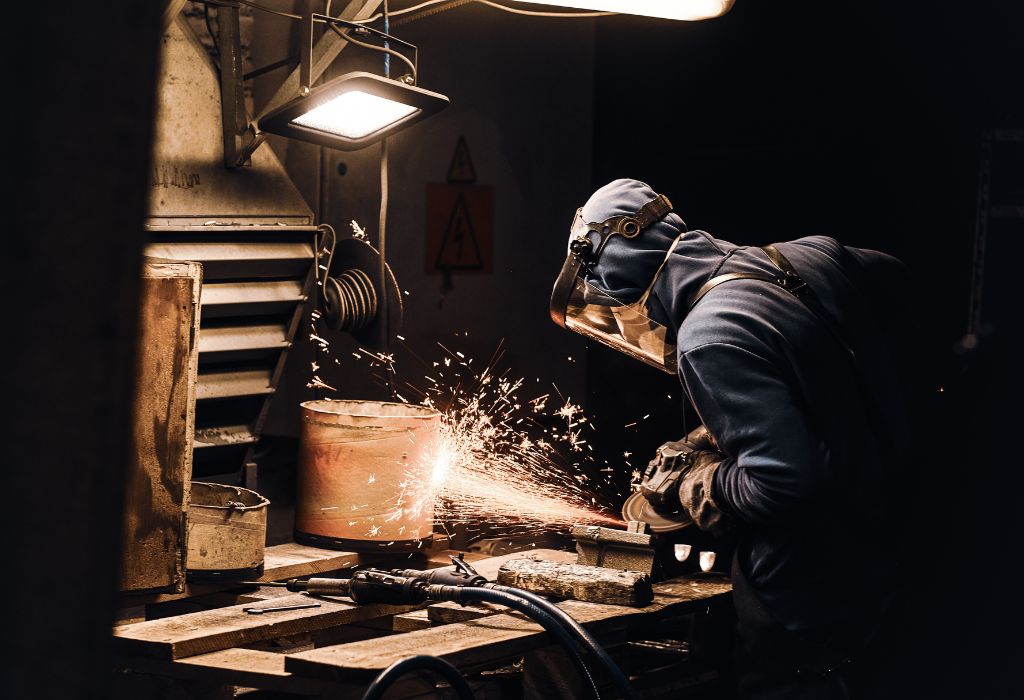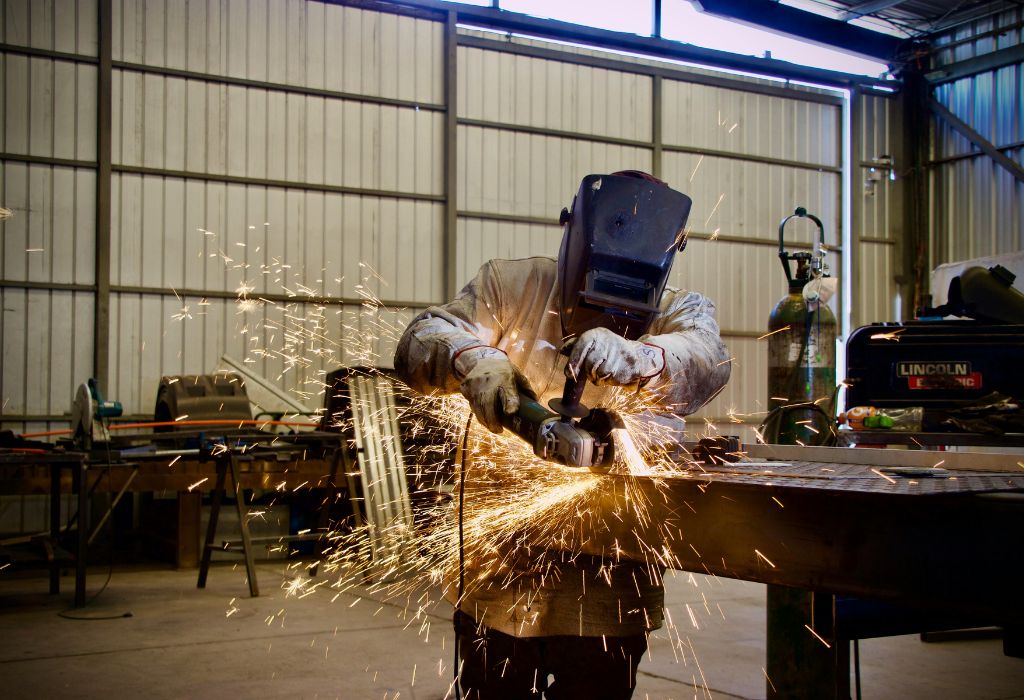
Many welders love personalizing their gear, but one question always sparks curiosity — can you paint a welding helmet safely?
While a fresh coat of paint can make a helmet look stylish, it can also compromise its heat resistance, impact protection, or even void safety certifications if done incorrectly.
Every year, thousands of welders modify their protective equipment without realizing it can reduce effectiveness. According to the Occupational Safety and Health Administration (OSHA), over 30% of welding injuries are linked to improper equipment use or alteration (OSHA). That includes painting or covering parts that interfere with sensors or ventilation.
So, can you actually paint your welding helmet without affecting protection? The answer is yes — but only when done carefully, with the right materials and preparation. This guide explains everything you need to know: from safety rules and proper paints to the risks, best practices, and smarter alternatives.
Why the Question “Can You Paint a Welding Helmet Safely?” Matters
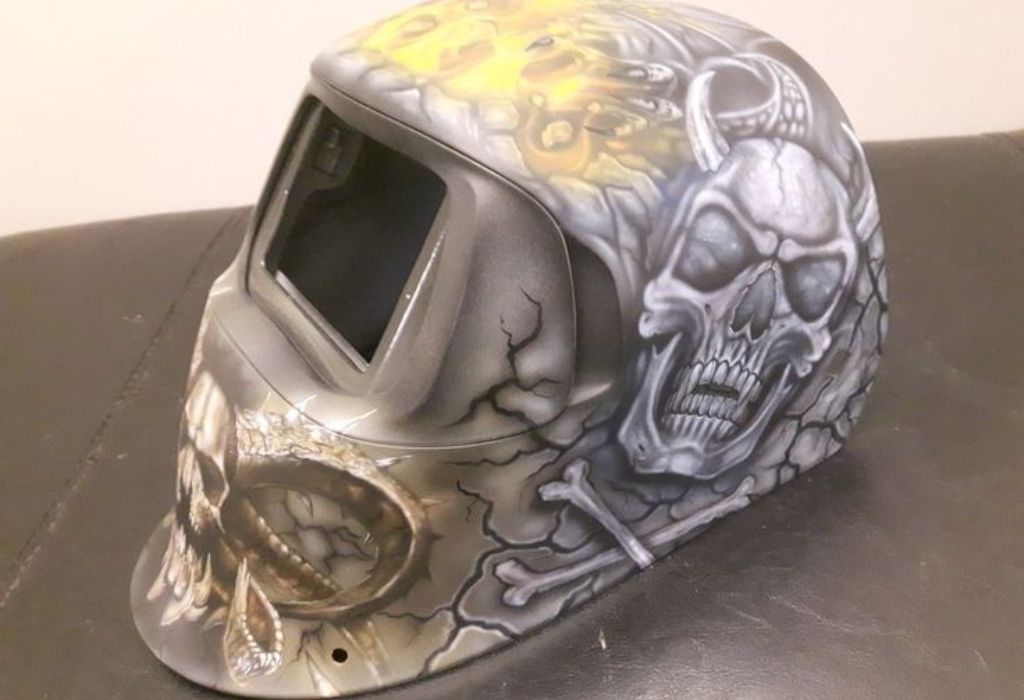
Painting a welding helmet seems simple, but it directly affects safety standards, shell durability, and certification compliance. Helmets protect welders from sparks, heat, UV, and impact — and any change to the surface or material can weaken that defense.
Manufacturers design helmets using materials that withstand temperatures above 200°C (392°F). Some paints, however, contain solvents or chemicals that react with the polymer shell, reducing its strength and resistance over time.
Why might painting a welding helmet compromise safety?
Because paint can alter the shell’s surface structure, making it brittle or flammable when exposed to heat or sparks.
Does the helmet’s material type matter when painting?
Yes. Helmets made of polyamide, fiberglass, or nylon composites react differently to solvents. Always verify compatibility before applying any paint.
Will custom paint void the warranty or safety certification?
In most cases, yes. Once modified, the manufacturer cannot guarantee compliance with ANSI Z87.1 or EN 379 safety standards.
Can heat and UV exposure damage painted surfaces?
Absolutely. Non-resistant paint can peel, bubble, or emit fumes under welding temperatures.
Is it safe to spray paint directly over the helmet?
No. You must use heat-resistant, non-conductive paint specifically designed for plastics.
Materials, Standards & Safety Considerations Before Painting
Before reaching for a spray can, it’s vital to know what your helmet is made of and what regulations apply.
Most modern helmets use polyamide (nylon), fiberglass-reinforced plastic, or thermoset composites. These materials are chosen for impact resistance, heat tolerance, and dielectric properties. Certain paints can weaken that protection.
What materials are welding helmet shells made from?
Common materials include polycarbonate, nylon, and fiberglass composites. Each requires specific primers and paints for safe adhesion.
What safety standards must remain intact?
Helmets must meet ANSI Z87.1 (USA) or EN 379 (EU) standards, proving protection against impact, heat, and optical radiation.
Are there paints suitable for welding helmets?
Yes — flame-resistant acrylics or epoxy-based paints are often safe for plastics. Avoid enamel or automotive paints with aggressive solvents. (Clean-Air.com)
What happens if paint flakes during welding?
Loose paint particles can enter ventilation systems or reflect arc light, causing glare or contamination.
Can decals be safer than paint?
Yes, pre-approved flame-retardant decals or wraps are often safer alternatives.
Best Practices & Steps for Safely Painting a Welding Helmet
Painting a welding helmet safely involves preparation, compatible materials, and patience. Rushing or skipping any step may damage the shell or compromise safety sensors.
Step 1: Disassemble the Helmet
Remove the auto-darkening lens, headgear, and sensors. Cover wiring or optical sensors with tape to prevent paint interference.
Step 2: Clean Thoroughly
Use mild soap and water or 90% isopropyl alcohol to remove dirt, oil, and grease. Avoid harsh cleaners or acetone.
Step 3: Sand & Prime Lightly
Lightly scuff the surface with fine sandpaper (400–600 grit). Apply a thin layer of plastic adhesion promoter or primer. Let it dry fully.
Step 4: Paint Carefully
Use heat-resistant spray paint made for plastics, applying multiple thin coats. Allow each coat to dry for 15–20 minutes.
Step 5: Seal & Cure
Finish with a clear, non-flammable protective coat. Let the helmet cure for at least 24–48 hours before reassembly.
How should a helmet be prepared before painting?
Disassemble, clean, and lightly sand; never paint over dirt or oil.
What primer and paint are recommended?
Plastic-safe, heat-resistant acrylics or epoxy paints work best.
How long should paint cure before welding?
Wait at least 48 hours to ensure complete solvent evaporation.
Should you paint around sensors or vents?
No, always mask them off — covering them may stop auto-darkening or airflow.
Can you use airbrushing instead of spray paint?
Yes, provided you use heat-resistant pigments and seal properly.
Risks, Pitfalls & When You Should Avoid Painting
Not every helmet should be painted. Some designs include built-in heat-sensing coatings or special reflective surfaces that paint could ruin.
What are common mistakes when painting?
Using flammable or solvent-heavy paint, failing to mask lenses, or not allowing full curing time.
Can painting reduce impact resistance or UV protection?
Yes. Some paints soften or weaken polymers, lowering UV/IR blocking efficiency.
Is it safe to use any spray paint?
No. Only certified non-flammable, heat-resistant paint should be used. Regular aerosol paints are unsafe for welding conditions.
When should you avoid painting altogether?
If the helmet shows cracks, warping, or structural damage, painting can worsen the weakness — replacement is the safer option.
Are there legal or workplace rules against painting?
Some industrial safety policies forbid modifications that alter certification. Always check company or OSHA compliance first.
Customization Alternatives & Buying Pre-Painted Helmets
If style is your goal, you might not need to paint at all. Many manufacturers now offer factory-painted helmets designed to meet safety standards while adding personality.
Are factory-painted helmets safe?
Yes, they are painted using certified heat-resistant coatings under controlled conditions.
What should you check when buying a custom helmet?
Confirm ANSI Z87.1 or EN 379 certification on the label and ensure the finish doesn’t interfere with sensors.
Do decals or wraps affect safety?
High-temperature decals are fine if they don’t cover air vents or lenses.
Is professional repainting available?
Some service shops specialize in heat-resistant coatings that maintain compliance.
Are custom paint jobs more expensive?
Yes, but they ensure both appearance and safety, making them worth the cost for frequent welders. (Accio.com)
Maintenance, Inspection & Safety Checks After Customization
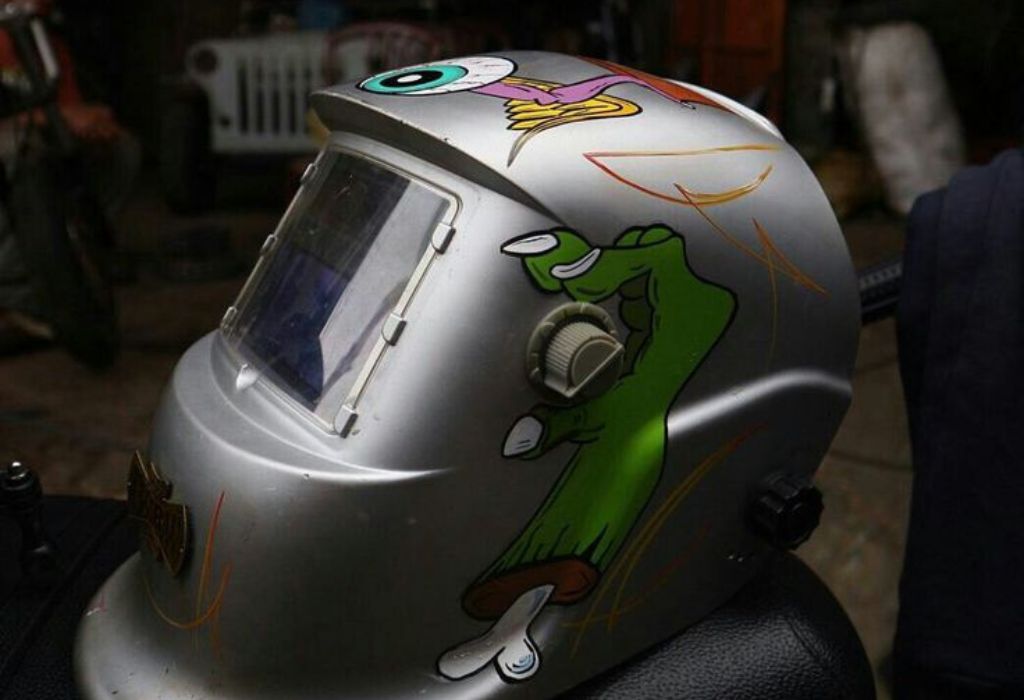
Even after painting, continuous inspection ensures your helmet remains safe to use.
How often should the helmet be inspected?
Check before every shift for cracks, peeling paint, or damage to lenses.
What signs indicate a problem?
Blistered paint, unusual odor, or fading color near hot zones suggest heat damage.
How can you test the auto-darkening function?
Shine a bright light to ensure sensors respond instantly. Slow reaction may indicate obstruction or coating interference.
Does paint affect helmet balance or comfort?
Yes, multiple layers can add slight weight and reduce ventilation.
Should painted helmets be recertified?
If used in professional environments, yes — submit them for inspection under safety regulations.
Conclusion
So, can you paint a welding helmet safely? Yes — if done correctly, with the right products and precautions. The key is to protect safety standards while achieving your desired look.
Use only heat-resistant, plastic-safe paints, never cover sensors or vents, and let coatings cure fully. Avoid chemical-heavy sprays or shortcuts that could weaken the shell.
For most welders, factory-custom helmets or certified decals offer the safest balance between style and safety. Always remember: a helmet’s primary purpose is protection first, design second.

I’m Darrell Julian, the founder, lead writer, and hands-on welding enthusiast behind ArcWeldingPro.com. With more than 15 years of real-world welding experience, I created this platform to share what I’ve learned in the field, in the shop, and in the heat of the arc.