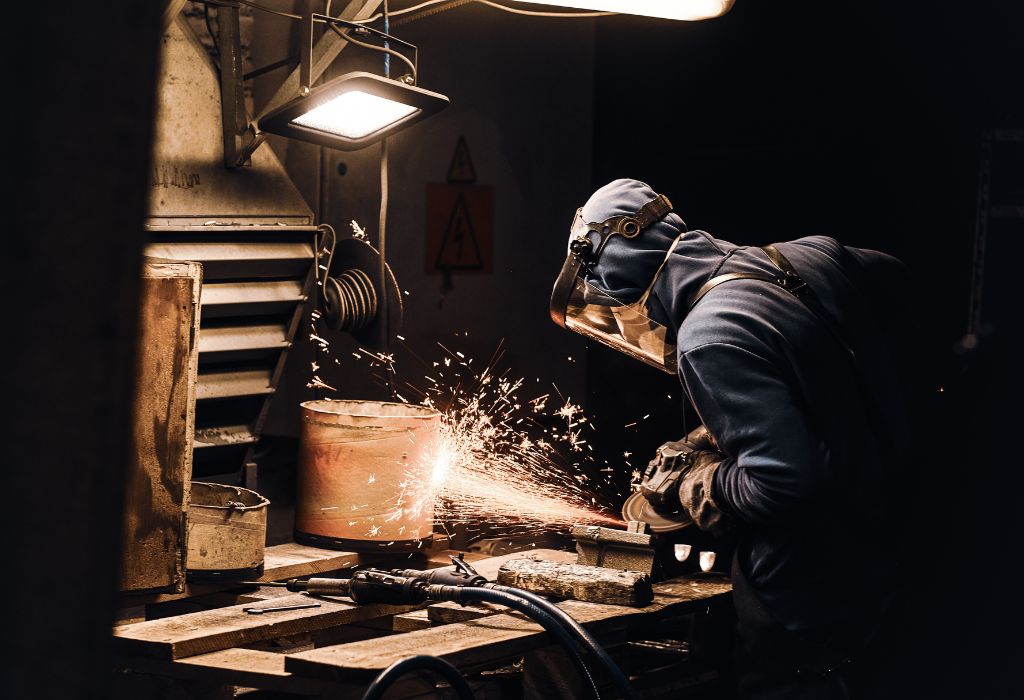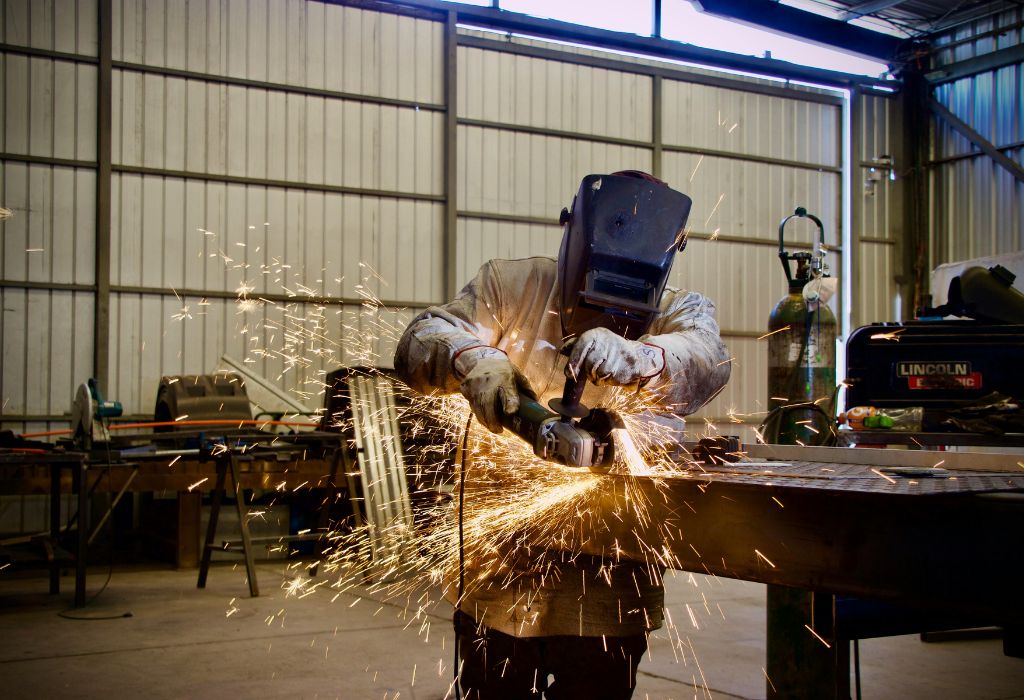
Every welder knows that clear vision is key to precision.
But for those who rely on prescription lenses, the question often arises — can you wear glasses under a welding helmet?
It’s a common concern shared by professionals and beginners alike.
According to OSHA’s Eye Protection Guidelines, more than 2,000 eye injuries occur daily in U.S. workplaces, many from inadequate PPE or incorrect usage.
Wearing both glasses and a helmet can feel uncomfortable without the right fit.
However, safety standards from ANSI Z87.1 actually recommend using safety glasses under helmets for full eye protection.
This guide breaks down everything you need to know — from compatibility and comfort to myths, fit tips, and expert safety recommendations — to ensure both vision and protection stay uncompromised.
Understanding the Safety Basics – Why the Question “Can You Wear Glasses Under a Welding Helmet?” Matters
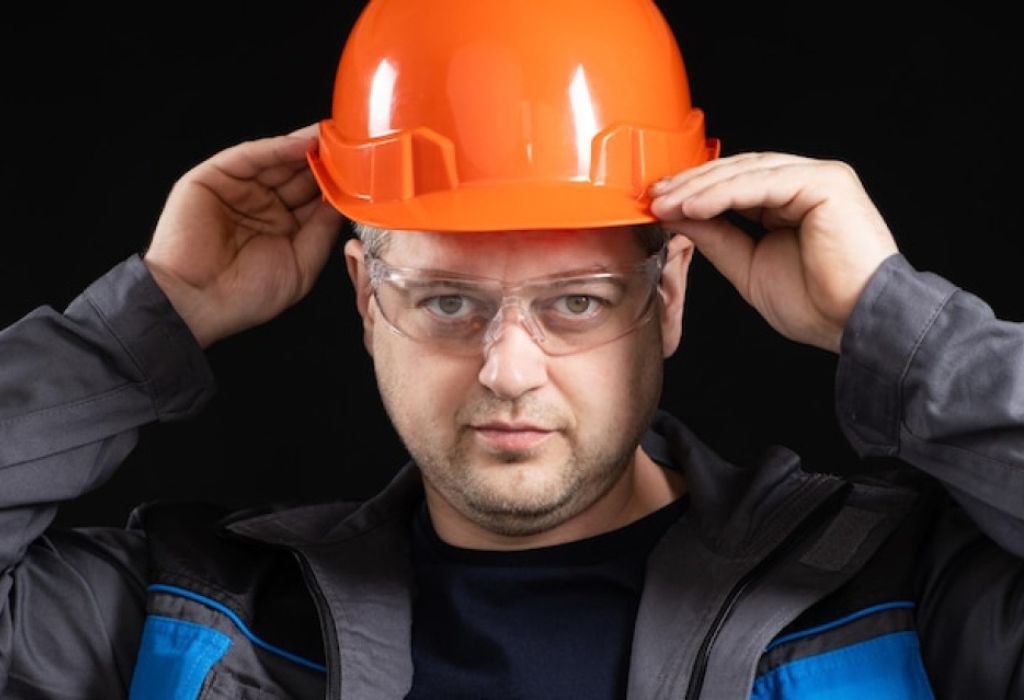
Welding produces extreme light, heat, and metal debris that threaten unprotected eyes.
That’s why combining glasses and helmets must be done correctly to avoid both danger and discomfort.
What hazards do welding operations pose to the eyes?
Intense UV and infrared radiation, hot metal particles, and arc flashes can cause burns or permanent eye damage.
Protecting your eyes isn’t optional — it’s life-saving.
What protection does a welding helmet provide?
A helmet shields against radiation, spatter, and flying debris.
Its auto-darkening filter reacts instantly to the arc, preventing photokeratitis (“welder’s flash”).
Why might glasses still be necessary under a helmet?
For welders needing prescription correction or extra side protection.
Safety glasses act as a backup layer if sparks enter through helmet gaps.
Does wearing glasses under a helmet affect fit or safety?
It can if the helmet is too tight or the glasses have thick frames.
Proper spacing ensures comfort without creating exposure gaps.
What do safety standards say about combining both?
OSHA and ANSI Z87.1 recommend wearing approved safety glasses under welding helmets for comprehensive protection.
Can You Wear Prescription or Safety Glasses Under a Welding Helmet?
Welders who depend on prescription lenses often fear they can’t wear them under helmets.
The good news — you absolutely can, with a few considerations.
Are prescription glasses allowed under welding helmets?
Yes — most modern helmets are designed to fit over glasses comfortably.
Just make sure both meet safety compliance standards.
What kind of glasses should you use?
Use ANSI Z87.1-rated safety glasses with side shields.
These are impact-resistant and protect from sparks or stray debris.
Do glasses affect the auto-darkening shade or visibility?
Not if they’re clear and clean.
However, tinted lenses may alter light detection for some sensors.
Can regular reading glasses work under helmets?
They can fit, but they lack impact and side protection.
Always upgrade to prescription safety glasses if welding regularly.
What fit issues should you look for?
Fogging, pressure on temples, and reduced field of vision are common.
Adjust helmet straps or switch to thinner frames for comfort.
Step-by-Step Guide to Properly Wearing Glasses Under a Welding Helmet
The right setup makes a big difference in comfort and clarity.
Follow these steps to wear glasses safely under any welding helmet.
How to choose the right glasses?
Pick lightweight, low-profile frames with heat-resistant coatings.
Avoid large frames that press against the helmet shell.
How to adjust helmet fit for glasses?
Loosen the headgear slightly before wearing.
Once the glasses are on, re-tighten the straps for balanced pressure.
What should you check before welding?
Ensure your glasses don’t touch the filter lens.
Check that the helmet seals fully around your face and blocks side light.
How to prevent fogging while welding?
Use anti-fog sprays or wipes, keep ventilation open, and avoid over-tightening the helmet.
Modern helmets with internal airflow reduce lens fog dramatically.
How to maintain both glasses and helmet?
Clean both lenses regularly using microfiber cloths.
Replace scratched or heat-damaged lenses immediately.
Mistakes and Myths About Wearing Glasses Under a Welding Helmet

Misinformation can make welders compromise their safety or comfort.
Let’s debunk common myths and mistakes surrounding this topic.
Is it safe to skip glasses if you’re using a helmet?
No — the helmet’s lens protects from light, not flying debris.
Always wear safety glasses beneath the helmet for complete coverage.
Can everyday prescription glasses replace safety glasses?
No — regular glasses aren’t impact-rated and may shatter from debris.
Only certified safety lenses guarantee protection from projectiles.
Does wearing glasses reduce visibility or clarity?
It can if lenses are scratched or dirty.
Keep them clean and positioned properly for clear arc visibility.
Is fogging unavoidable when combining glasses and helmets?
No — anti-fog coatings, vented helmets, and low-profile frames can fix it.
A well-ventilated work area also helps reduce condensation.
Do glasses interfere with auto-darkening helmets?
Rarely — interference occurs only with reflective coatings or poor fit.
Test the helmet sensors before long welding sessions.
Best Practices & Recommendations for Welders Who Wear Glasses
With the right technique, comfort and protection can work together.
Here’s how professionals make the setup work seamlessly.
What type of helmet is best for glasses wearers?
Choose models with wide interior clearance and adjustable headgear.
Auto-darkening helmets with curved lenses also reduce glare and strain.
How often should you inspect your gear?
Before every shift, check glasses for cracks and helmets for secure lenses.
Regular maintenance prevents hidden safety gaps.
What accessories help glasses users weld comfortably?
Clip-in magnifiers, sweat-absorbing headbands, and anti-fog wipes.
Some helmets even include built-in magnifying lenses for precision.
When should you consider custom prescription safety glasses?
If you weld daily or in high-heat conditions.
They fit better under helmets and comply with all safety standards.
How to teach proper PPE layering to new welders?
Include it in training: safety glasses first, then helmet.
Demonstrate fit, seal checks, and fog prevention.
Conclusion
So, can you wear glasses under a welding helmet? Absolutely — and you should, for full protection and visibility.
The secret is using ANSI-rated safety glasses, maintaining proper fit, and ensuring your helmet has enough clearance.
Combining both provides maximum defense against radiation, sparks, and flying metal.
With small adjustments and the right gear, you’ll weld comfortably, clearly, and safely every time.

I’m Darrell Julian, the founder, lead writer, and hands-on welding enthusiast behind ArcWeldingPro.com. With more than 15 years of real-world welding experience, I created this platform to share what I’ve learned in the field, in the shop, and in the heat of the arc.