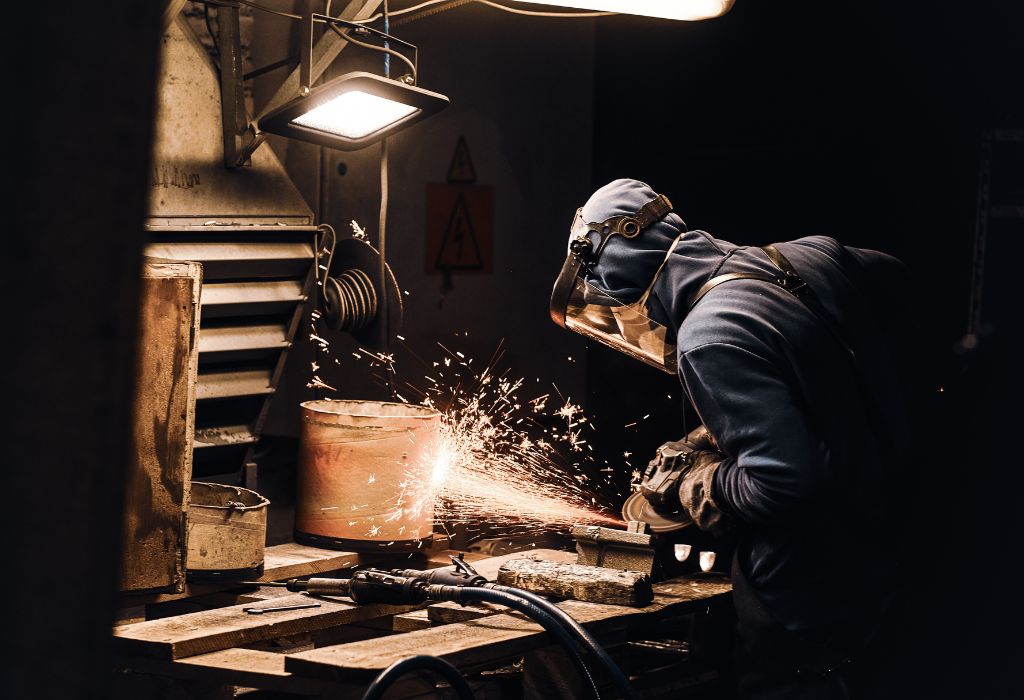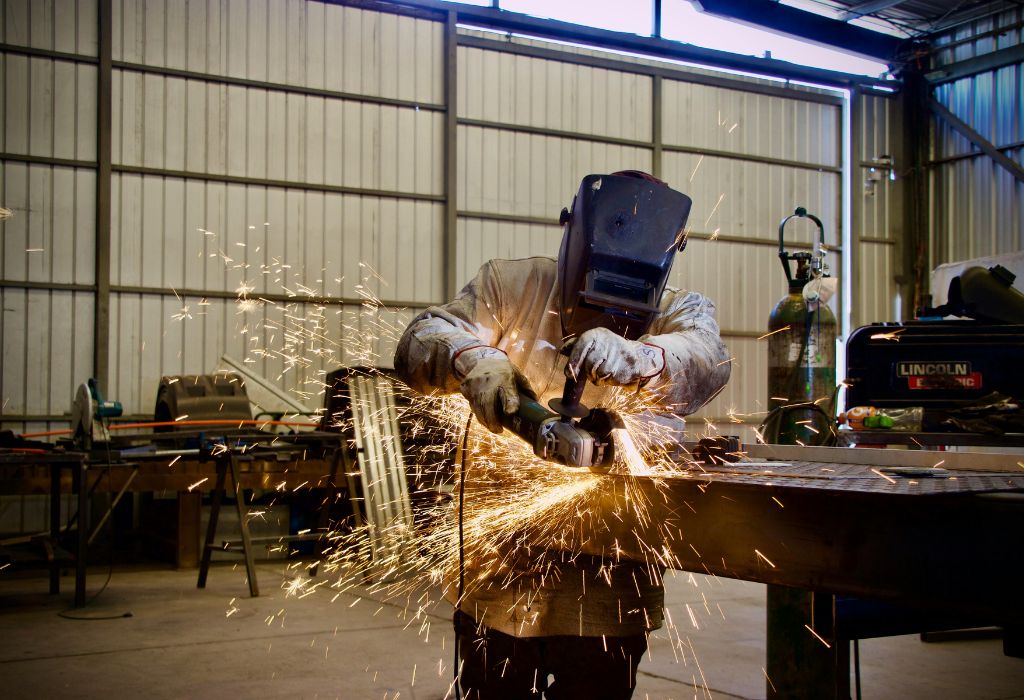
Every experienced welder knows that the right helmet is more than just protective gear—it’s an extension of the craft itself. The instant that arc flashes, the helmet must respond with razor-sharp clarity, consistent shade shifting, and flawless optical performance.
For welders wondering who makes MAC welding helmets, the answer goes deeper than a simple brand label. In one survey of professional welders, over 40% said clarity and transition speed between light and dark were the most critical safety features. Others reported that poor optical clarity led to eye fatigue, missed puddle control, and inconsistent welds—problems that directly impact both safety and precision.
In today’s market, originals, licensed products, and OEM partnerships blur the line between brand and manufacturer. Understanding who actually builds a helmet helps you make smarter decisions about warranty, spare parts, and performance consistency. This article explores the brand lineage of MAC welding helmets, their true manufacturing origins, and key buying considerations every welder should know before investing.
Brand Identity & Market Position of the MAC Tool Line
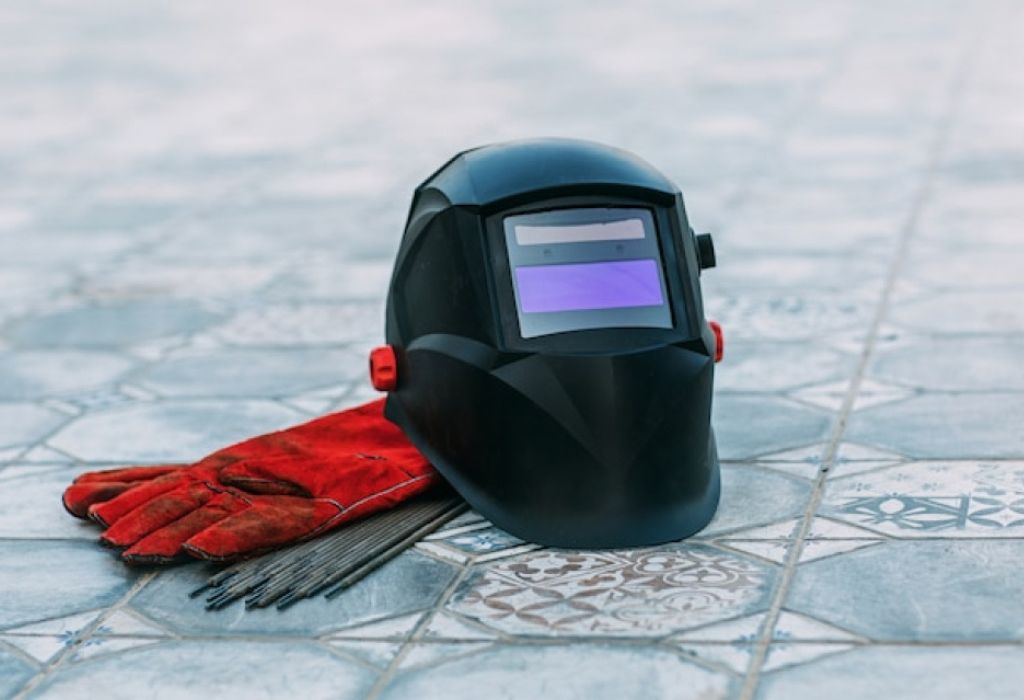
The “MAC” name seen on welding helmets refers to MAC Tools, a well-known American brand specializing in professional-grade hand tools and automotive equipment. Founded in 1938, MAC Tools operates under the Stanley Black & Decker corporate umbrella, alongside DeWalt, Craftsman, and Proto.
However, MAC Tools is primarily a distributor and franchisor, not a direct manufacturer of every product it sells. This means that while MAC welding helmets carry the company’s branding, the actual helmets are likely produced by third-party manufacturers—a common practice across the tool industry.
What Is MAC Tools’ Role in Helmet Production?
MAC Tools appears to license its name and distribute helmets produced by other specialized companies. Their website lists multiple models but doesn’t disclose the actual factory or OEM behind production.
One discussion on Hobart WeldTalk, a popular welding community, notes:
“MAC, Snap-On or Matco don’t actually make their own welders or many of their electric tools.”
This strongly suggests that MAC-branded helmets are outsourced, similar to how many major brands collaborate with OEMs in Asia or North America for production.
Why This Matters to Buyers
If you’re purchasing a MAC welding helmet, it’s essential to understand that brand reputation doesn’t always equal manufacturing control. Outsourcing can affect things like replacement lens compatibility, battery sourcing, and after-sales support.
FAQ:
Are MAC welding helmets made in-house?
No. There’s no evidence that MAC Tools manufactures their helmets directly; they are likely made by an OEM partner.
Does the MAC brand guarantee transparency?
Not necessarily. While MAC is reputable, details about who actually builds their helmets remain undisclosed.
How does this affect warranty support?
It depends on which OEM made your specific model—some may have better part availability than others.
Is outsourcing unusual?
Not at all. Even top-tier brands often outsource to OEM specialists who produce for multiple companies.
Evidence of OEM Manufacturing and Licensing
Forum evidence and firsthand user reports strongly indicate that OEM partnerships play a major role in MAC’s welding helmet production.
On DSM Tuners, one welder shared:
“I borrowed my dad’s hood he got years ago from MAC Tools. Made by Jackson. Literally night/day difference.”
This statement aligns with reports that Jackson Safety, a well-respected welding safety equipment manufacturer, may have produced earlier MAC helmets under contract.
The same pattern is seen across the professional tool market—brands like Matco, Snap-On, and Cornwell often sell OEM-made products that are rebranded under their logos.
What This Means for Quality and Reliability
OEM partnerships are not inherently bad. In fact, some of the best welding helmets in the world are OEM-built for major brands. What matters most is whether the helmet meets ANSI Z87.1 and EN 379 certification standards, which guarantee optical safety and performance.
When buying a MAC welding helmet, welders should focus less on the brand name and more on lens clarity, switching speed, viewing area, and build quality.
FAQ:
What evidence supports OEM manufacturing for MAC helmets?
Multiple user sources and forums reference Jackson Safety and similar OEMs as the actual manufacturers.
Does MAC Tools reveal its OEM partners?
No. The company does not publicly list its OEM relationships.
Why use OEM manufacturing?
It allows MAC Tools to focus on distribution and branding while leveraging expert manufacturers for production.
Does OEM production reduce quality?
Not necessarily. OEM factories often produce for multiple high-end brands, maintaining consistent standards.
How can buyers verify authenticity?
:eck certifications, serial numbers, and compare designs with helmets from known OEMs like Jackson or Lincoln.
Technical Specifications to Evaluate Before Buying
Because MAC Tools doesn’t disclose full manufacturing details, welders should evaluate helmets based on their specifications rather than brand assumptions.
For instance, MAC’s WH90750 model features a 99 × 67 mm viewing area, adjustable shade levels, grind mode, and independent sensitivity control (as listed on mactools.com). Another model, WH90749, offers a slightly smaller 92 × 42 mm viewing area with solar-assisted auto-darkening technology.
Core Specifications to Compare
- Viewing Area: Larger lenses (90×40 mm or more) provide better visibility and reduce neck movement.
- Optical Clarity Rating: Look for 1/1/1/1 for the clearest optics.
- Sensor Count: At least three sensors for reliable arc detection in any position.
- Switching Speed: Fast transition (1/25,000 second or quicker) prevents flash exposure.
- Shade Range: DIN 9–13 is ideal for most welding processes.
- Certification: Verify ANSI Z87.1, EN 379, or CSA Z94.3 compliance.
- Weight: A lighter helmet (under 20 oz) reduces fatigue during long shifts.
Why These Specs Matter
Professional welders often work for hours under intense light and heat. Poor optics, slow sensors, or uncertified filters can lead to eye strain, fatigue, and even arc eye injuries.
Always cross-check features between MAC helmets and competing models from Miller, Lincoln, or Yeswelder to determine true value.
FAQ:
What viewing area size is ideal for professionals?
A minimum of 90×40 mm ensures comfort and full puddle visibility.
How many sensors should a high-end helmet have?
Three or more, for reliable coverage even when welding at odd angles.
Why is grind mode important?
It prevents accidental darkening during grinding operations, saving time and frustration.
Does certification really matter?
Absolutely. Certification confirms your helmet meets safety regulations for impact and light filtration.
Can branding replace specifications?
No. Always judge a helmet by its engineering, not its logo.
Comparing MAC Helmets with Competing Brands
To assess whether a MAC helmet is worth buying, compare it against top-rated competitors like Lincoln Electric Viking, Miller Digital Elite, and Yeswelder LYG-Q800D.
While MAC-branded helmets often offer mid-range performance, they tend to be priced higher due to branding and distribution costs. On the other hand, OEMs like Jackson or Yeswelder often provide similar specs at a lower price point.
Performance Benchmarks
| Feature | MAC Helmet (Typical) | Lincoln Viking 3350 | Yeswelder Panoramic |
| Optical Clarity | 1/1/1/2 | 1/1/1/1 | 1/1/1/2 |
| Viewing Area | 99×67 mm | 95×85 mm | 100×80 mm |
| Sensors | 2–3 | 4 | 4 |
| Shade Range | 9–13 | 5–13 | 4–13 |
| Grind Mode | Yes | Yes | Yes |
| Power | Solar + Battery | Solar + Battery | Solar + Battery |
| Certification | ANSI Z87.1 | ANSI + EN379 | ANSI + EN379 |
While MAC helmets perform respectably, the lack of transparency about the OEM may make some buyers hesitant, especially when spare parts or warranty claims arise.
Buying Considerations for MAC Welding Helmets

When determining who makes MAC welding helmets, the real focus should be on function, comfort, and certification rather than name recognition.
Key Questions to Ask Before Buying
- Are replacement lenses and batteries readily available?
- Does the helmet come with ANSI Z87.1 certification?
- Is there warranty support or return protection from MAC distributors?
- Are there reviews or user videos confirming performance quality?
- Does it have dual power options (solar and lithium) for consistency?
If OEM production is confirmed, ensure the model you buy still meets recognized safety standards and offers the specs your work demands—especially for pipeline, fabrication, or automotive welding.
FAQ:
Should price be the main deciding factor?
A: No. Evaluate overall value, not cost alone.
Is buying without OEM transparency risky?
Slightly, yes. It can complicate warranty or replacement part sourcing.
Does MAC offer good after-sales support?
Generally yes, though it varies by distributor region.
How often should lenses or batteries be replaced?
Whenever you notice flickering or dimming during arc starts.
What matters more—brand or performance?
Always performance, comfort, and safety compliance.
User Experiences and Field Feedback
Many welders who’ve used MAC helmets note solid reliability but also mention mixed opinions about clarity and responsiveness compared to dedicated welding brands.
Some appreciate the rugged build quality, while others find that the auto-darkening delay can feel slower under specific lighting conditions. It’s crucial to test a helmet in your actual work environment before committing to a purchase.
Anecdotal Reviews
“My MAC helmet works great for MIG and TIG, but I prefer my Lincoln for precision work.” – Fabricator Forum User
“Good backup helmet. Comfortable, lightweight, but wish it had faster sensors.” – WeldingWeb User
Overall, MAC helmets are considered reliable mid-tier options, best suited for general welding tasks rather than heavy industrial environments.
Maintenance and Longevity Tips
To extend the lifespan of your MAC welding helmet, follow these care tips:
- Store in a dry, dust-free environment away from UV light.
- Regularly clean sensors and lens covers with a microfiber cloth.
- Replace outer protective lenses frequently to maintain clarity.
- Check and replace batteries at least once a year.
- Avoid leaving the helmet in extreme heat or direct sunlight.
Proper maintenance can make even an OEM-produced helmet perform like a premium one.
Conclusion: Who Really Makes MAC Welding Helmets?
So, who makes MAC welding helmets? The short answer is that they’re branded and distributed by MAC Tools, but manufactured by an OEM partner, likely the same factories that produce helmets for Jackson Safety or similar brands.
For welders, the real priority isn’t the name—it’s optical clarity, reaction speed, comfort, and safety certification. Whether you’re fabricating, repairing cars, or working in the field, a helmet that performs consistently under every flash is worth far more than the logo it carries.
Remember:
A great helmet doesn’t just protect your eyes—it protects your craft, precision, and livelihood.
The best helmet is the one that performs flawlessly—no matter whose name is printed on it.

I’m Darrell Julian, the founder, lead writer, and hands-on welding enthusiast behind ArcWeldingPro.com. With more than 15 years of real-world welding experience, I created this platform to share what I’ve learned in the field, in the shop, and in the heat of the arc.