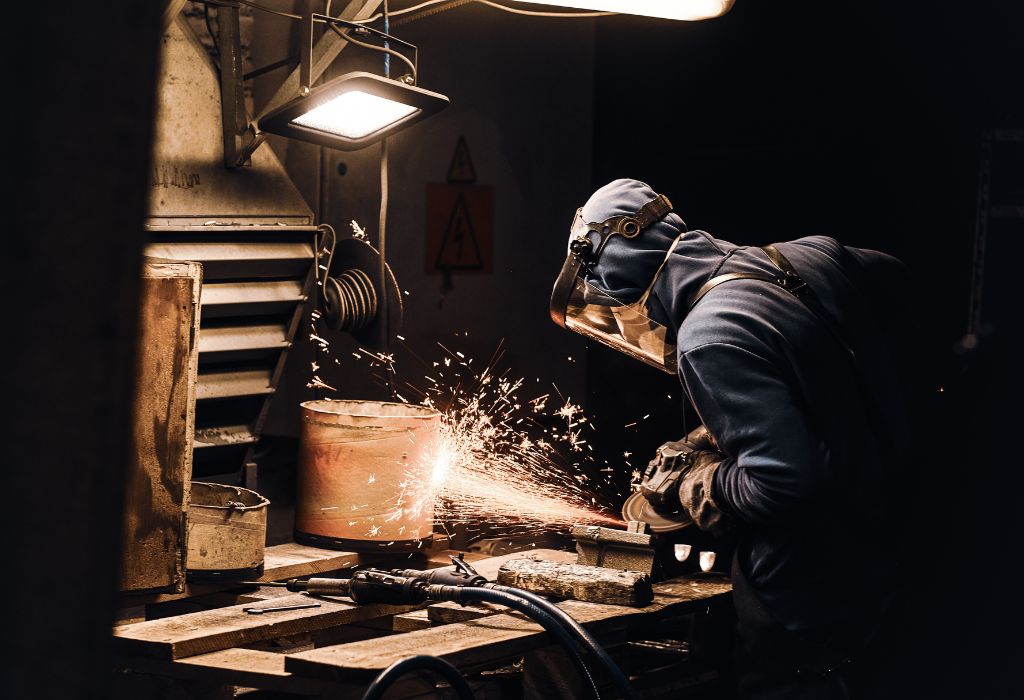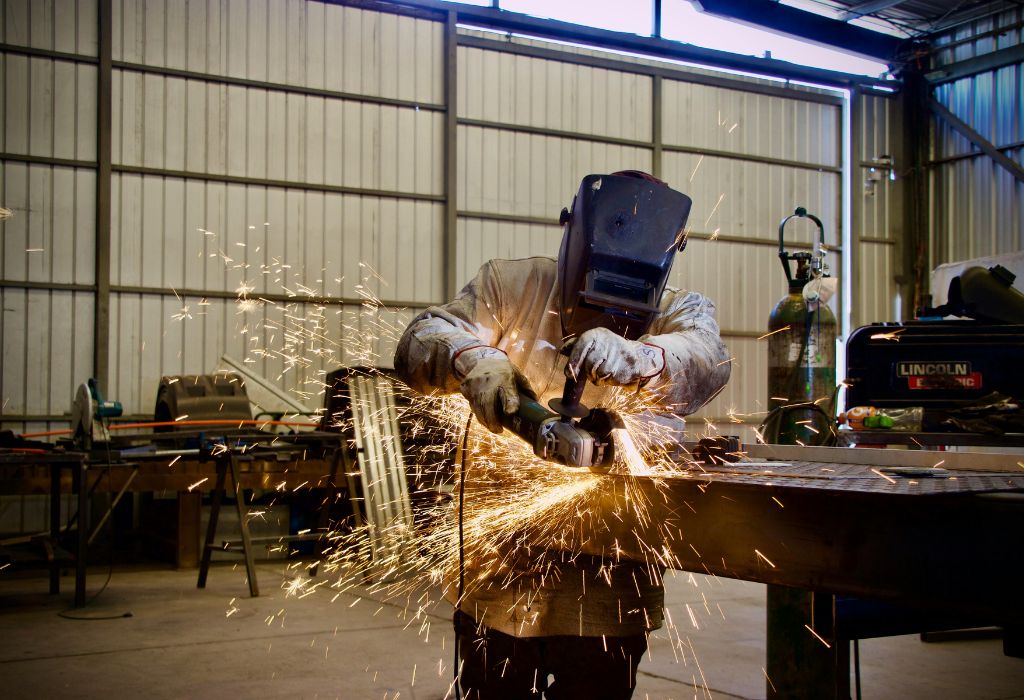
A bright welding arc flashes across the workshop as a welder lowers his helmet, confident his eyes are safe.
Moments later, a sharp sting and watery eyes make him wonder if his auto-darkening helmet actually failed to protect him.
Many welders share this same concern.
They trust advanced technology to protect their vision, yet eye discomfort after long hours sparks real fear that something might be wrong.
Auto-darkening helmets are designed to react within a fraction of a second when the arc strikes.
Their sensors trigger a liquid-crystal lens to darken instantly, blocking dangerous ultraviolet and infrared radiation.
According to the American Welding Society, eye injuries account for nearly 40 percent of all welding-related accidents.
Another safety review found that certified auto-darkening helmets reduce flash-burn risk by over 90 percent when properly maintained.
So why do some welders still complain of burning, fatigue, or temporary blindness?
The truth lies in the balance between helmet quality, reaction speed, and proper shade selection.
A reliable auto-darkening helmet will never hurt your eyes if it meets ANSI safety standards and functions correctly.
But poor maintenance, cheap sensors, or incorrect settings can still allow harmful light to pass through.
In this article, you’ll learn how these helmets work, what causes occasional eye discomfort, and how to choose the right model for lasting comfort and complete protection.
Your eyes are a welder’s most valuable tool, and understanding how to protect them starts here.
What Is an Auto-Darkening Welding Helmet?
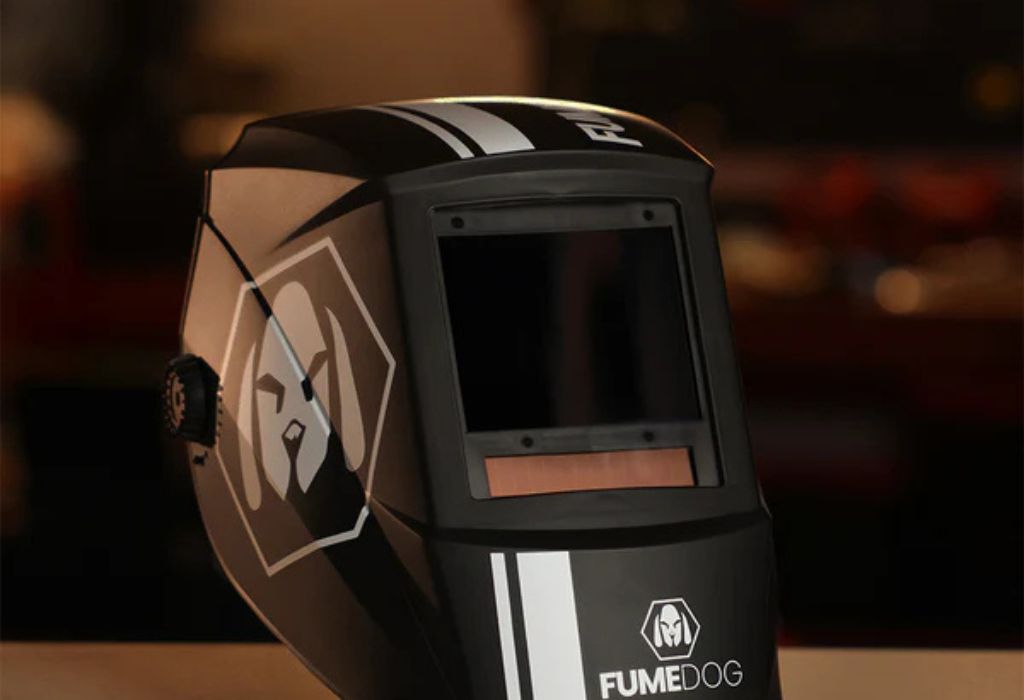
An auto-darkening welding helmet is a protective headgear equipped with light sensors and LCD filters.
It automatically adjusts lens shade when the welding arc ignites.
The lens darkens within milliseconds to shield eyes from intense light.
When the arc stops, it returns to a lighter shade for visibility.
This technology eliminates the need to flip helmets up and down, making welding safer and faster.
Modern designs also block harmful UV and IR rays even when inactive.
What triggers auto-darkening in welding helmets?
Light sensors detect the arc and darken the lens automatically.
How fast do auto-darkening helmets react?
Most models switch shades in 1/10,000 to 1/25,000 of a second.
Are all helmets UV protected?
Only certified helmets guarantee consistent UV and IR filtering.
Do batteries affect performance?
Yes, weak batteries can delay the lens reaction time.
What’s the difference between passive and auto-darkening helmets?
Passive helmets stay dark all the time, while auto-darkening ones adjust instantly to light levels.
Can Auto-Darkening Welding Helmets Hurt Your Eyes?
Auto-darkening welding helmets are safe when used correctly and properly maintained.
They protect the eyes from harmful rays through built-in filters and sensors.
Eye injuries typically occur due to user error or malfunction.
A delay in lens activation or wrong shade settings can expose eyes to flashes.
High-quality helmets that meet ANSI standards ensure full protection.
Issues arise mainly with low-cost or uncertified brands that skip safety testing.
Do auto-darkening helmets cause eye strain?
Only if the shade level is too low or uneven across the lens.
Can they cause flash burn?
Yes, when the lens fails to darken quickly enough.
Are cheap helmets dangerous?
Yes, non-certified lenses may leak UV radiation.
How can I confirm my helmet protects correctly?
Check the ANSI certification and test the sensors regularly.
Does welding type affect risk?
Yes, TIG welding often needs higher sensitivity and faster reaction times.
How Does the Auto-Darkening Lens Protect Your Eyes?
The lens of an auto-darkening welding helmet uses layers of polarized glass and liquid crystals.
These layers instantly block high-intensity light when sensors detect a welding arc.
Even before the lens darkens, built-in coatings already block ultraviolet and infrared radiation.
That means your eyes stay safe whether the helmet is powered or not.
Protection remains constant because filtering occurs at multiple layers.
The automatic shading simply adds comfort and visibility during active welding.
What filters block harmful rays?
Special coatings and polarizing filters eliminate UV and IR radiation.
Is protection active when the helmet is off?
Yes, passive filters always block harmful light.
Can sunlight trigger the sensors?
Bright sunlight can activate them, but it causes no harm.
How does delay time affect safety?
A long delay can expose your eyes to short flashes of intense light.
Do sensors work in low-amp welding?
Some helmets struggle to detect small arcs, especially in low-amp TIG welding.
Why Welders Still Experience Eye Discomfort
Even with advanced helmets, some welders experience mild pain, fatigue, or sensitivity.
These symptoms often come from long exposure or improper adjustment.
Glare from reflective surfaces inside the work area can irritate eyes.
Small gaps between the helmet and face may also allow stray light inside.
Other factors include dry eyes, long hours, and dusty environments.
Eye discomfort doesn’t always mean UV damage — sometimes it’s just overexposure to brightness.
Why do my eyes hurt after welding even with a helmet?
Likely from light reflection or incorrect shade settings.
Can glare bounce under the helmet?
Yes, especially in tight spaces with shiny metal surfaces.
Does fatigue increase sensitivity?
Yes, tired eyes are more prone to strain and dryness.
Can scratched lenses cause discomfort?
Yes, scratches distort light and increase glare.
Do contact lenses affect comfort?
They can dry out under heat, leading to irritation.
Common Causes of Eye Damage from Welding
Welding without proper protection exposes the eyes to UV and IR radiation.
These rays can burn the cornea, leading to a condition called “arc eye” or “welder’s flash.”
Auto-darkening helmets prevent this only if functioning properly.
Failing sensors or dead batteries can cause a dangerous delay in darkening.
According to safety research, over 2,000 welders experience eye injuries worldwide each day.
Most cases come from neglecting helmet inspection or ignoring early warning signs.
What is a flash burn?
It’s a painful corneal burn caused by UV exposure.
How fast can it happen?
Within seconds of unprotected welding.
Can auto-darkening helmets prevent it completely?
Yes, when maintained and set correctly.
What causes helmet failure?
Dirty sensors, low batteries, or damaged filters.
How do I know I have a flash burn?
Redness, tears, and light sensitivity are common signs.
How to Prevent Eye Injury When Using Auto-Darkening Helmets
Consistent maintenance and correct setup are key to safety.
Always inspect your helmet before each use.
Keep sensors clean and batteries fully charged.
Test the reaction by exposing the lens to a bright light before welding.
Set the proper shade level based on welding amperage and process.
When unsure, choose a slightly darker setting for better protection.
How do I test my helmet before use?
Point it toward a bright light or strike a small arc — it should darken instantly.
What shade number is safe for MIG welding?
Usually between shade 10 and 13.
How often should I replace batteries?
Check monthly and replace every six to twelve months.
Can I add extra protection?
Yes, wear clear safety glasses under the helmet.
Should I replace lenses often?
Yes, change outer covers when scratched or cloudy.
The Role of Quality and Certification in Eye Protection

Certification ensures that every lens provides the required UV and IR protection.
Helmets without proper approval may darken visually but still let harmful rays through.
Look for the ANSI Z87.1 or EN379 mark on your helmet label.
These standards confirm that lenses meet industrial eye-safety regulations.
Buying a certified helmet from a trusted brand reduces all risk of eye damage.
Cheap models may look similar but often fail quality testing.
What certification guarantees safety?
ANSI Z87.1 and EN379 are the global standards.
Do low-cost helmets meet these standards?
Rarely; they often skip safety testing.
Why does sensor count matter?
More sensors provide faster and more reliable reaction coverage.
Are solar-powered helmets safe?
Yes, if equipped with battery backup for low-light conditions.
Should I replace my helmet after dropping it?
Yes, impact can damage internal sensors even without visible cracks.
How to Relieve Eye Pain After Welding
If you feel mild eye irritation after welding, rest immediately.
Move into a dark area to reduce strain.
Apply a cool compress for 10–15 minutes to ease burning.
Artificial tears can relieve dryness and discomfort.
Avoid rubbing your eyes or using unverified home remedies.
Severe pain or blurry vision should always be examined by a doctor.
What helps relieve pain after welding?
Cold compresses and lubricating drops are effective.
Can home remedies help?
No, use only sterile solutions or prescribed treatments.
Can welding cause permanent vision loss?
Rarely, unless you repeatedly weld without protection.
When should I seek medical help?
If pain lasts longer than a day or vision becomes blurry.
Do protective glasses help recovery?
Yes, they block light and prevent further irritation.
Conclusion: Protecting Your Vision for Every Weld
Auto-darkening welding helmets are one of the greatest innovations for welder safety.
They combine comfort, precision, and protection in one device.
These helmets do not hurt your eyes when certified and properly maintained.
Most discomfort happens due to improper shade levels or neglected maintenance.
Your vision is priceless, and safeguarding it starts with understanding your equipment.
Always check certification, clean sensors, and test your helmet before every project.
For welders, prevention is protection — and the right helmet keeps your eyes safe for a lifetime of work.

I’m Darrell Julian, the founder, lead writer, and hands-on welding enthusiast behind ArcWeldingPro.com. With more than 15 years of real-world welding experience, I created this platform to share what I’ve learned in the field, in the shop, and in the heat of the arc.