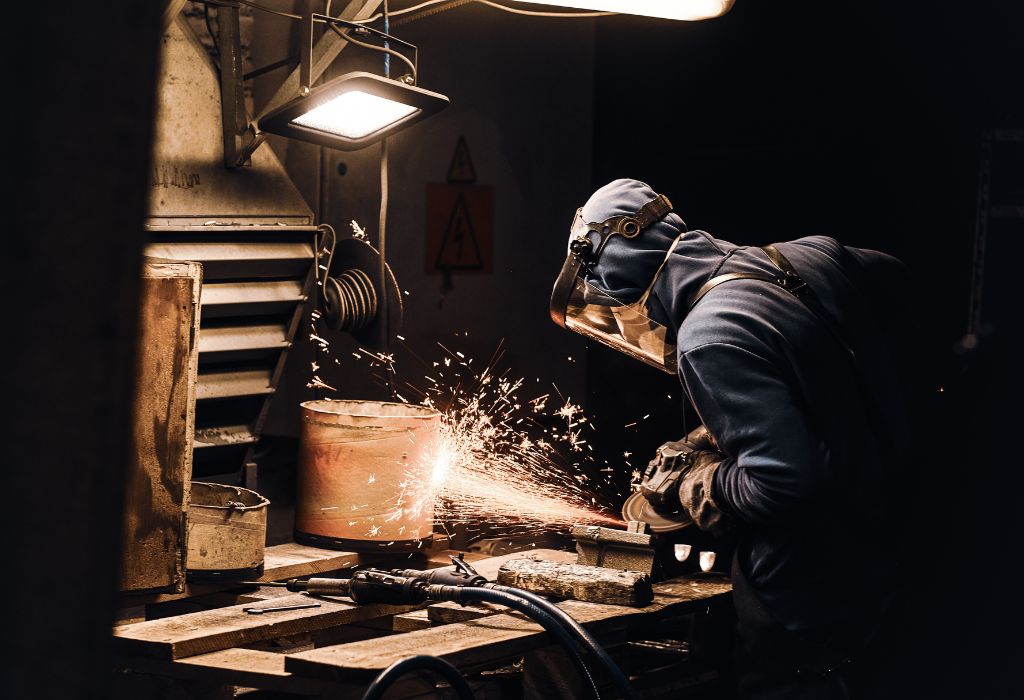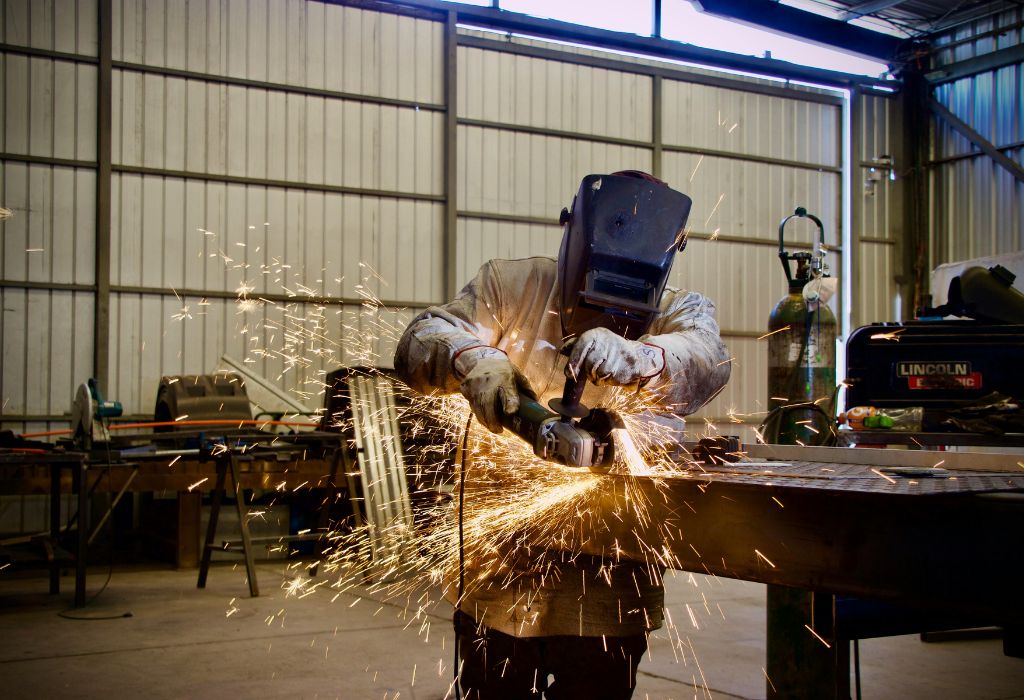
A welding arc flashes brightly, the metal hisses, and the protective helmet shields the worker’s eyes from the intense light. Suddenly, the auto-darkening lens hesitates for a split second, leaving a flash of brightness that feels unsettling.
Moments like these make many welders question how their helmets actually power the darkening function that protects their vision. The question are welding helmets solar powered has become increasingly common as more welders adopt auto-darkening helmets.
These helmets look simple on the outside but are powered by complex systems combining sensors, LCD lenses, and energy sources. Confusion arises because many helmets labeled “solar powered” still require batteries to function.
Reports show that over 70% of professional welders now use auto-darkening helmets for convenience and safety. Another study indicates that solar-assisted helmets can extend battery life by almost 40%, reducing waste and maintenance costs.
Understanding how these helmets generate power is crucial for both performance and safety. If a helmet loses power, even for a fraction of a second, it can expose eyes to harmful UV and IR rays. This guide explains how welding helmets are powered, how solar technology works, and which type of helmet offers the most reliable protection.
How Auto-Darkening Welding Helmets Work
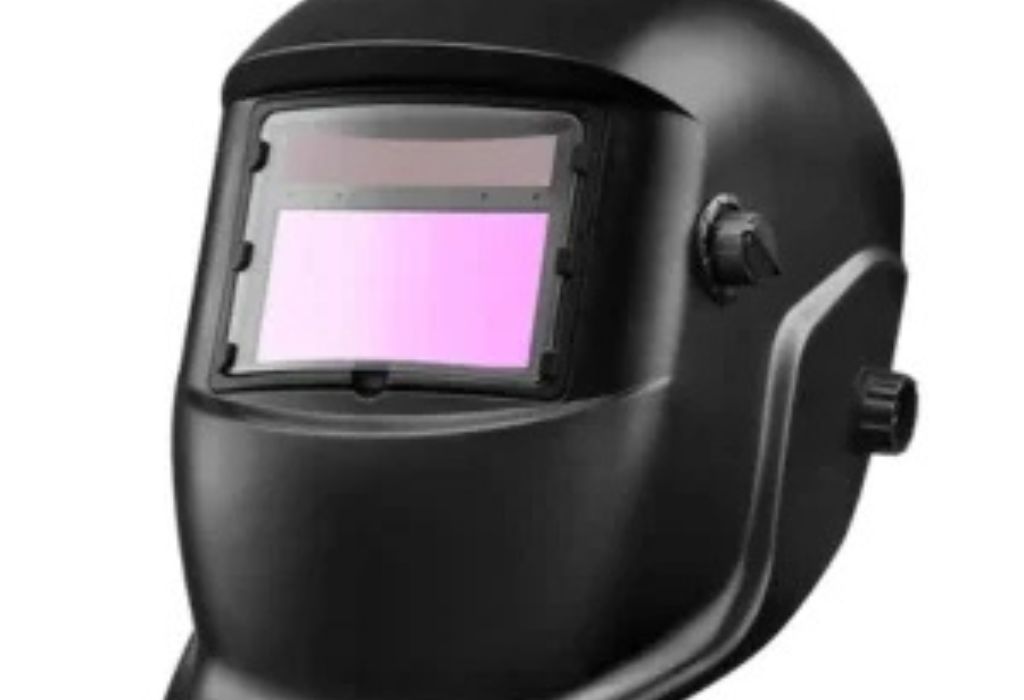
Auto-darkening welding helmets rely on advanced optical technology to protect the eyes while maintaining visibility. They contain light sensors that detect the intensity of the welding arc and instantly darken the lens.
When the sensors detect a flash, the LCD screen inside the lens adjusts its opacity automatically. This happens within fractions of a second, ensuring that welders are not blinded or distracted during work.
What triggers an auto-darkening lens?
The sensors detect bright welding arcs and send an electric signal to the LCD lens to darken immediately.
How fast does it react?
Most helmets react within 1/10,000 to 1/25,000 of a second depending on the model and brand.
Do all helmets need power to work?
Yes, even the solar models need electrical energy to control the LCD filter.
Why is this technology essential for welders?
It eliminates the need to lift and lower the helmet repeatedly and provides continuous protection.
Does every helmet work the same way?
No, higher-end helmets have more sensors and faster response times, offering smoother performance.
Are Welding Helmets Solar Powered?
The term “solar powered” often causes confusion. Most modern helmets use both solar energy and batteries, making them hybrid systems.
Solar panels on the helmet’s exterior capture light from the welding arc or the sun. This energy is converted into electricity, which either charges an internal battery or directly powers the auto-darkening function.
Are welding helmets fully solar powered?
No, most models use solar cells to assist rechargeable or replaceable batteries.
Do solar panels power the helmet directly?
In most cases, they support the battery by recharging it while welding.
Can solar helmets work indoors?
Yes, the welding arc itself provides sufficient light to keep the solar cells charged.
Are there helmets that rely only on solar energy?
Rarely. Purely solar-powered helmets are less common because they can fail in low-light conditions.
Do solar helmets save money?
Yes, they reduce the need for frequent battery changes, offering long-term cost efficiency.
Solar vs Battery-Powered Welding Helmets: What’s the Difference
Battery-only and solar-assisted helmets serve the same purpose but differ in how they maintain power. Solar helmets rely on light exposure, while battery helmets depend solely on stored electricity.
Each type has its advantages, but hybrid designs combine the best of both worlds—consistent performance and reduced maintenance.
What’s the main advantage of solar helmets?
They recharge during use and reduce dependency on external batteries.
Do battery helmets require manual maintenance?
Yes, they need battery replacements periodically to maintain responsiveness.
Which type lasts longer?
Solar-assisted helmets often outlast battery-only versions due to continuous charging.
Which is better for professionals?
Full-time welders prefer hybrid helmets for consistent reliability.
Are battery-only helmets cheaper?
Yes, but they may become more expensive in the long run because of frequent replacements.
How Solar Panels in Welding Helmets Work
Solar panels on a welding helmet are small photovoltaic cells that convert light into electricity. They are typically mounted above or beside the lens, facing the light source.
These panels collect energy from either the sun or the bright arc during welding. The captured light maintains the internal battery charge, ensuring uninterrupted performance.
Where are the solar panels located?
Usually near the viewing lens, positioned to absorb the strongest light during welding.
Do they store energy for later use?
Yes, they can store small amounts of energy to keep the helmet ready for the next job.
Can they charge without sunlight?
Yes, the welding arc itself provides enough brightness to recharge the cells indoors.
What happens if stored in darkness for months?
The internal battery can drain, leading to slower activation at first use.
How can you keep them charged?
Store in a well-lit area or under workshop lighting to maintain power between uses.
Common Myths About Solar Welding Helmets
Misunderstandings about solar-powered helmets are widespread. Many welders assume that solar models only work outdoors or lack batteries entirely.
In reality, hybrid solar helmets are designed to function effectively in almost any lighting environment.
Myth 1: Solar helmets don’t work indoors.
Fact: The welding arc emits enough light to charge solar panels even in dark environments.
Myth 2: Solar helmets have no batteries.
Fact: Most have internal lithium batteries that store energy for consistent operation.
Myth 3: Solar panels fail in low light.
Fact: They can still generate small charges from ambient workshop light.
Myth 4: Solar helmets are less durable.
Fact: They undergo the same durability and impact tests as battery-only helmets.
Myth 5: Solar helmets cost too much.
Fact: While the initial price is higher, the long-term savings offset the cost.
Maintenance and Charging Tips for Solar-Powered Welding Helmets
Proper care ensures your helmet performs well and lasts longer. Simple cleaning and storage habits make a big difference.
Keeping the solar panel clean allows maximum light absorption. Dust or welding residue can block light and reduce efficiency.
How should you maintain the solar panel?
Wipe it gently with a microfiber cloth to prevent scratches and keep it clear.
Should the helmet be stored in light?
Yes, occasional light exposure keeps the internal battery charged.
How do you know when the charge is low?
A delayed darkening response or dim display usually signals low power.
Can you replace batteries in a solar helmet?
Yes, some models have replaceable lithium batteries, while others are sealed and self-charging.
What happens if it’s stored in darkness too long?
It may take several minutes of light exposure before the lens reacts at full speed again.
Pros and Cons of Solar Welding Helmets
Solar helmets bring clear benefits, but they also have a few limitations. Understanding both helps you make an informed choice.
What are the pros of solar helmets?
They recharge automatically, require less maintenance, and are environmentally friendly.
What are the cons?
They may lose charge after long storage or in extremely dark environments.
Do they save money?
Yes, by reducing the need for disposable batteries.
Are they reliable for professional welders?
Absolutely, especially for those who weld frequently in bright conditions.
Do they require special care?
Minimal care is needed beyond regular cleaning and light exposure.
Choosing the Right Solar Welding Helmet

Choosing the right helmet depends on your welding type, frequency, and budget. Hybrid solar helmets are ideal for most welders seeking long-term performance.
Look for features that improve comfort, safety, and lens accuracy.
What should you look for before buying?
Check for variable shade levels, quick response time, and ergonomic fit.
Which brands are most reliable?
Well-known brands like Lincoln Electric, Miller, and YesWelder are trusted by professionals.
Does price reflect quality?
Yes, higher-priced helmets typically offer better sensors and battery efficiency.
What shade range works best?
A variable shade between 9 and 13 covers most welding applications.
Are certifications important?
Yes, ensure your helmet meets ANSI Z87.1 standards for optical clarity and safety.
Summary and Practical Recommendations
Solar-powered welding helmets combine technology and sustainability for modern welders. They reduce maintenance, extend lifespan, and enhance protection.
Are welding helmets solar powered?
Most modern helmets are hybrid, powered by both solar panels and batteries.
Which option is best overall?
Solar-assisted helmets provide the best balance between convenience and reliability.
How can you extend helmet life?
Store in a bright place, clean the lens regularly, and inspect batteries annually.
What is the biggest benefit?
Hands-free recharging and continuous protection with minimal upkeep.
Who should use them?
Both professionals and hobbyists benefit from their reliability and long-term performance.
Conclusion
Modern welding helmets are more than protective gear—they’re smart devices powered by light and energy storage. While most are not purely solar, their hybrid design offers dependable power and consistent shading in any environment.
Understanding how solar technology supports your helmet ensures better performance and safety during every weld. Whether you work in a garage or under the sun, a well-maintained solar-assisted helmet delivers reliable protection and convenience day after day.

I’m Darrell Julian, the founder, lead writer, and hands-on welding enthusiast behind ArcWeldingPro.com. With more than 15 years of real-world welding experience, I created this platform to share what I’ve learned in the field, in the shop, and in the heat of the arc.