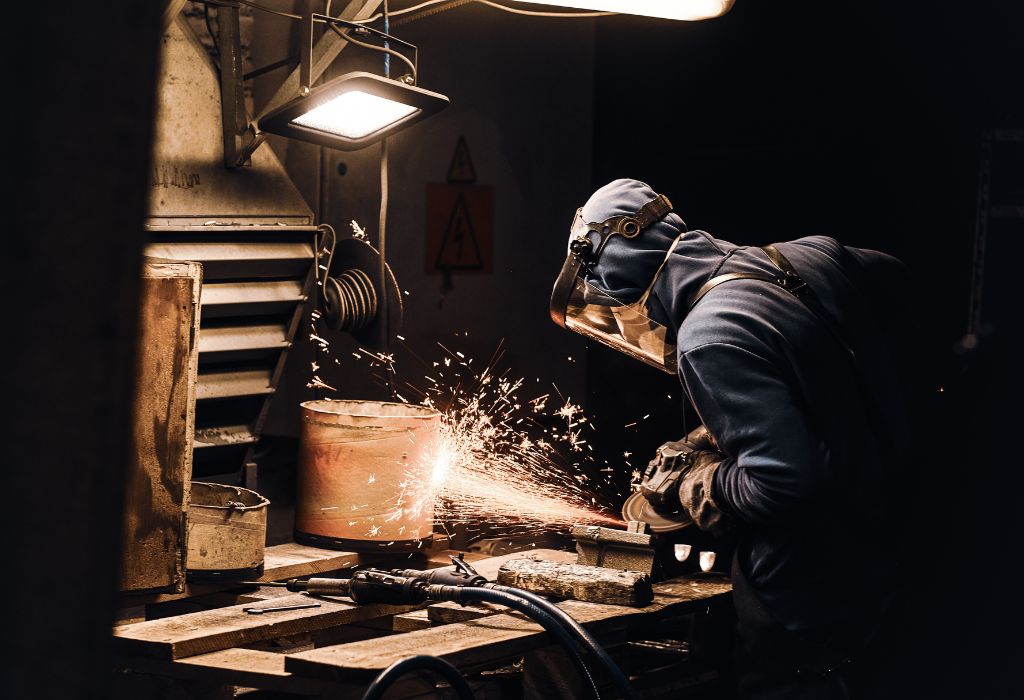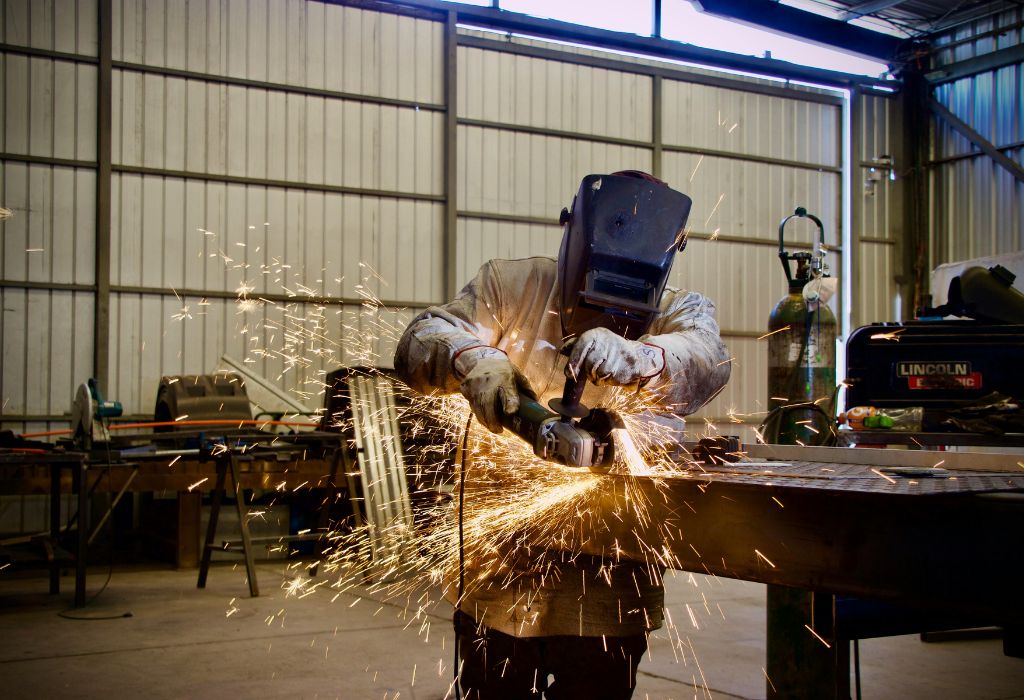
Every welder knows the frustration of striking an arc only to find the view through the helmet foggy, streaked, or speckled with spatter. A dirty welding helmet doesn’t just make the job harder; it can actually make it dangerous. Poor visibility leads to missed seams, eye strain, and even exposure to harmful light if the lens isn’t functioning correctly.
A recent industrial safety report found that nearly 40% of welding-related eye injuries are linked to poor visibility or faulty protective equipment. This means that something as simple as learning how to clean a welding helmet properly can directly reduce the risk of accidents and improve work quality.
Cleaning a welding helmet isn’t just about wiping away dust. It’s a maintenance ritual that preserves the auto-darkening lens, prevents distortion, and ensures that every weld is made under the safest conditions possible. Neglecting this small task allows smoke, grime, and metal particles to slowly eat away at the clarity of your lens and the efficiency of your gear.
Regular cleaning also extends the life of expensive components like the auto-darkening filter and the outer lens. According to workshop maintenance data, helmets cleaned weekly last up to 25% longer than those left unattended between jobs. That’s both cost-effective and safety-smart.
This guide explains how to clean a welding helmet step by step, what materials to use, and how to avoid common mistakes that can damage your lens or electronics. Whether working in a professional shop or a backyard garage, maintaining a spotless helmet ensures every weld is precise, safe, and distortion-free.
Why Proper Cleaning of a Welding Helmet Matters
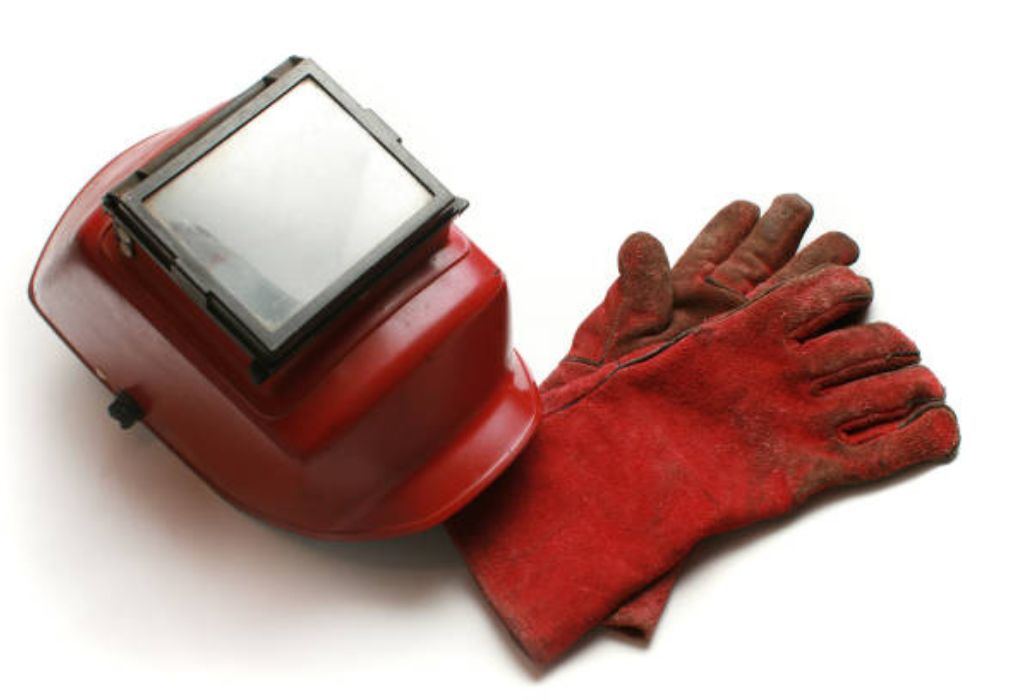
Cleaning your welding helmet regularly ensures maximum visibility and protection. When the lens is coated with grime or metal dust, the auto-darkening sensor cannot respond properly to light changes.
Proper cleaning also prevents long-term damage to the shell and inner components. Dust and debris can scratch the surface, while sweat buildup can lead to corrosion of the headgear and electronics.
Clean helmets not only perform better but also help prevent eye strain and fatigue during long shifts. A clear lens allows welders to focus accurately and produce consistent, high-quality welds.
What happens if a welding helmet lens is covered in spatter or smoke film?
Visibility becomes blurry, increasing the chance of poor welds and eye strain.
Does cleaning a welding helmet improve its lifespan?
Yes, regular cleaning prevents buildup and prolongs the life of both the lens and electronic components.
Is cleaning required for auto-darkening helmets differently?
Yes, their filters are more sensitive and must be handled carefully using non-abrasive cleaners.
Does helmet hygiene matter in shared workshops?
Absolutely, cleaning prevents the spread of bacteria and ensures each user has a safe piece of equipment.
How often should a welding helmet be inspected for cleanliness?
Inspect before each use and deep clean at least once a week in dusty environments.
What Parts of a Welding Helmet Need Cleaning and Maintenance
A welding helmet has multiple parts that collect dirt and residue over time. Each part requires specific cleaning methods to maintain clarity and comfort.
The most critical components include the outer shell, cover lens, auto-darkening filter, and internal headband or sweatband. Keeping these parts clean prevents contamination and ensures smooth functionality.
Which part of the helmet is most vulnerable to weld spatter?
The outer cover lens and front shell face receive the most spatter exposure.
Should the auto-darkening filter be cleaned like a normal lens?
No, it should be gently wiped with a soft, dry cloth or specialized cleaner to avoid damaging sensors.
Why is it important to clean the sweatband and headgear?
Sweat and oil buildup can cause odor, corrosion, and discomfort during long welding sessions.
What about ventilation channels or air vents?
They can get blocked with dust, so brushing or blowing them out improves airflow and cooling.
Are there any parts that should not be cleaned with water?
Yes, never use water near the battery, control panel, or circuit area inside an auto-darkening helmet.
Step-by-Step Guide: How to Clean a Welding Helmet Properly
Cleaning a welding helmet properly requires patience and care. Always start by disconnecting power or removing the battery if it’s an auto-darkening model. This prevents accidental activation or damage.
Begin by removing loose dust and debris with compressed air or a soft brush. Then focus on the outer shell, inner lens, and headgear separately using non-abrasive materials.
What is the first step before wiping down the helmet?
Use compressed air or a clean brush to remove dust, preventing scratches.
How do you safely clean the cover lens?
Wipe with a microfiber cloth and a mild detergent solution, gently moving in circles to restore clarity.
Can you use solvents or glass cleaners on the shell?
Only mild soap-based cleaners are safe; harsh chemicals can damage the plastic finish.
How do you clean the headband and sweatband?
Detach, wash with warm water and mild soap, then air dry completely before reattaching.
What should you inspect after cleaning?
Check the lens for cracks, verify that the darkening sensor reacts properly, and ensure the headgear fits securely.
Maintenance Tips and Best Practices for Longevity
Proper cleaning is only part of welding helmet care. Storage, inspection, and replacement routines play equal roles in ensuring long-term performance.
Store your helmet in a clean, dry place away from direct sunlight. Replace worn cover lenses regularly to maintain perfect visibility and protection.
How should a welding helmet be stored between uses?
Keep it inside a dust-free bag or locker away from sparks and high heat.
When should you replace the cover lens?
Whenever scratches or burns obstruct visibility or cleaning no longer restores clarity.
Can regular cleaning reduce costs over time?
Yes, because it extends the lifespan of filters and delays replacement expenses.
Are there chemicals to avoid for auto-darkening helmets?
Avoid ammonia, alcohol-based cleaners, or strong solvents that can damage sensors.
How often should a full inspection be done?
Perform a full inspection every three months or sooner if the helmet is heavily used.
Common Mistakes and How to Avoid Them
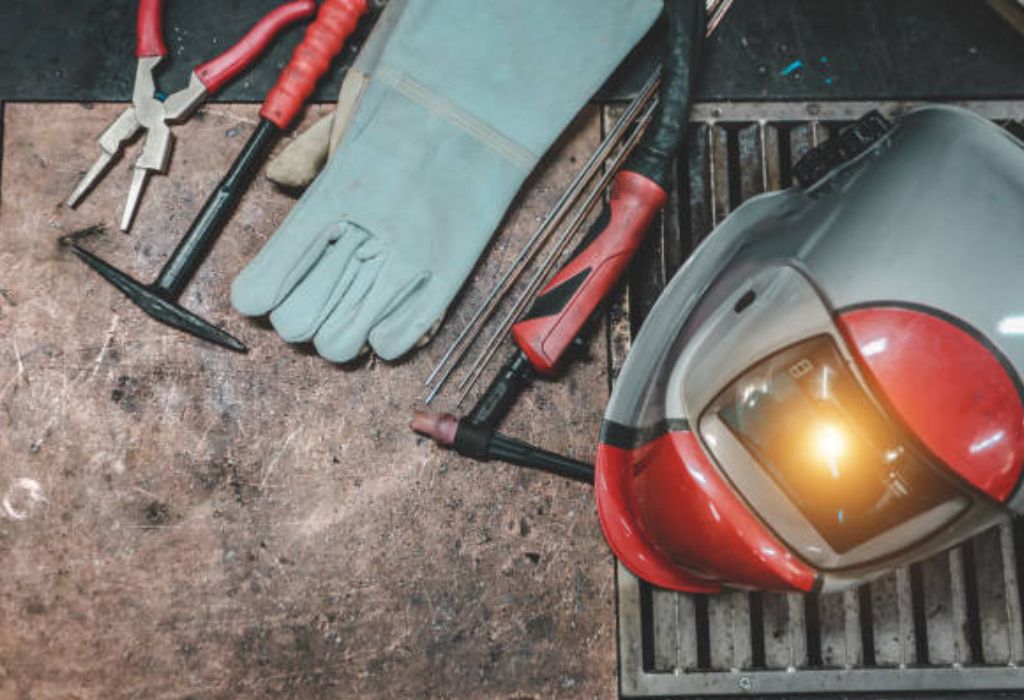
Even experienced welders make cleaning mistakes that damage their helmets. The most frequent issue is using paper towels or rough cloths that scratch the lens.
Another common error is spraying liquid cleaners directly onto the lens or electronic surface, which can lead to streaks and internal fogging.
Why shouldn’t you spray cleaner directly on the lens?
Liquids can seep into the filter casing and cause permanent damage or hazing.
What happens if you use rough cloths or paper towels?
They leave micro-scratches that reduce lens clarity over time.
Is skipping the headband cleaning a big problem?
Yes, sweat and oil can cause unpleasant odors and reduce comfort during use.
What happens if a helmet is stored dirty?
Residue hardens, making future cleaning difficult and potentially damaging components.
Are aftermarket sprays safe for lenses?
Not always, as some may contain chemicals that degrade anti-reflective coatings.
Conclusion
A welding helmet is more than just protective gear — it’s the welder’s window to the work. Keeping it clean ensures safety, precision, and long-term durability.
The answer to how to clean a welding helmet properly lies in consistent maintenance and gentle care. Use soft cloths, avoid harsh chemicals, clean every surface thoroughly, and inspect seals and sensors often.
Small habits like wiping the lens daily or washing the sweatband weekly can prevent costly replacements later. A clear view means safer welding, fewer mistakes, and a longer life for your equipment.
So, the next time you finish a job, take a few minutes to clean your welding helmet — your eyes, wallet, and weld quality will all benefit from it.

I’m Darrell Julian, the founder, lead writer, and hands-on welding enthusiast behind ArcWeldingPro.com. With more than 15 years of real-world welding experience, I created this platform to share what I’ve learned in the field, in the shop, and in the heat of the arc.