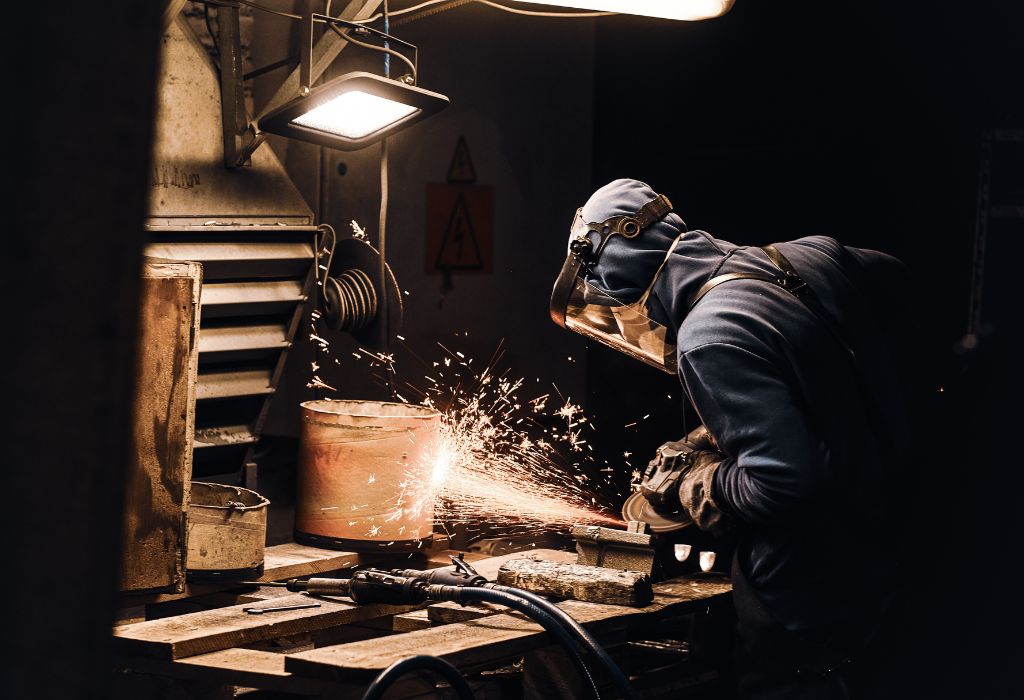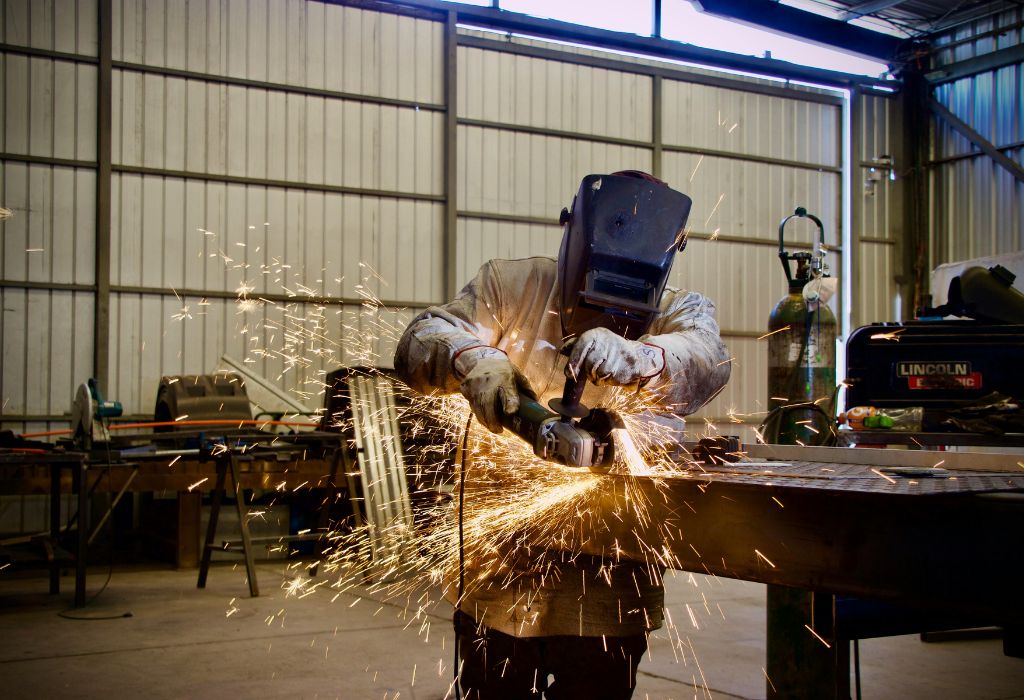
Welding is a craft that requires precision, focus, and the right protective gear. One critical piece of equipment is the welding helmet. Choosing the correct shade is not just about seeing your weld—it’s about protecting your eyes from intense ultraviolet (UV) and infrared (IR) radiation, sparks, and debris. A wrong shade can lead to painful arc flash injuries, blurred vision, or even permanent eye damage.
Many beginner welders struggle with the question: how dark should my welding helmet be? Arc flashes can reach brightness levels exceeding 10,000 lumens—far more intense than sunlight. Eye injuries from welding account for over 40% of workshop accidents, emphasizing the importance of proper helmet selection and shade choice.
The correct helmet shade is a balance between visibility and safety. A shade that is too light can expose your eyes to harmful radiation, while a shade that is too dark can prevent you from seeing the weld puddle clearly, leading to poor welds or mistakes. Factors like the welding process, amperage, personal eye sensitivity, and the workshop environment all affect the ideal shade.
This guide explores everything welders need to know about welding helmet shades: lens types, process-specific shade recommendations, tips for beginners and experts, common mistakes, and preventive safety measures. By the end, you will know exactly how dark your welding helmet should be, ensuring both safety and precision.
How Welding Helmets Work
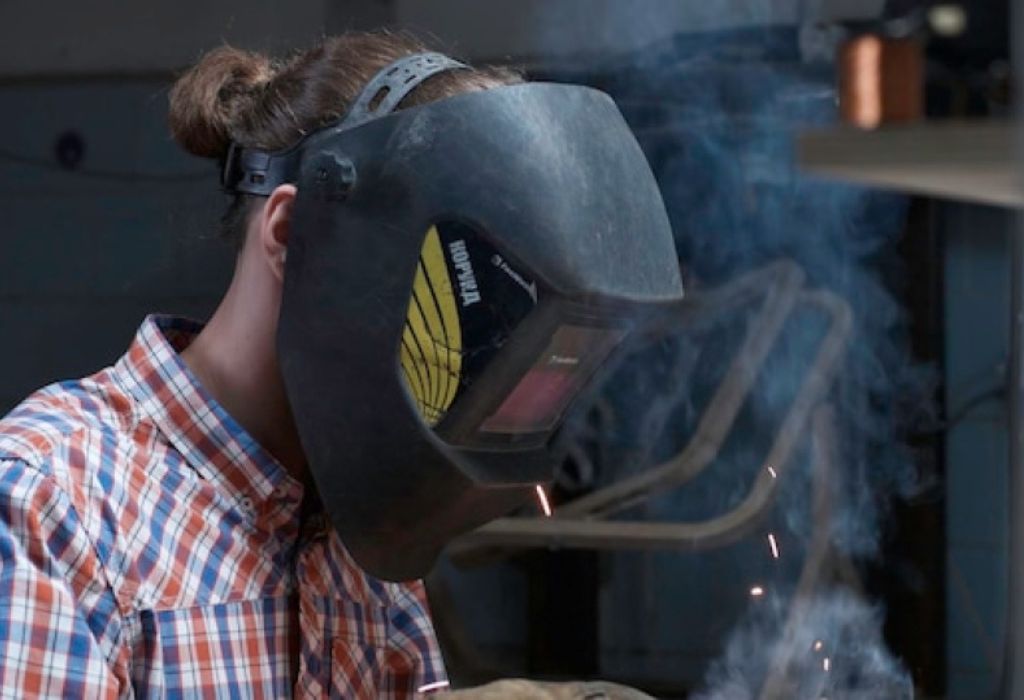
Welding helmets serve as a barrier between your eyes and the harmful effects of welding. Understanding their function is essential for selecting the right shade and using your helmet effectively.
Passive vs. Auto-Darkening Helmets
- Passive Helmets: Fixed-shade lenses, usually ranging from #10–#14. Simple and reliable but require the welder to flip the helmet up and down between welds. Ideal for infrequent welders or simple tasks.
- Auto-Darkening Helmets (ADH): Adjust lens shade automatically when detecting the arc. They allow continuous work without constantly lifting the helmet. Modern ADHs offer adjustable delay and sensitivity settings.
Lens Shade Numbers and Their Meaning
- Shade numbers indicate darkness; higher numbers = darker lenses.
- ANSI Z87.1 and EN379 standards specify lens protection against UV/IR radiation.
- Proper shade ensures both eye protection and visibility.
How Helmets Protect Your Eyes
- UV and IR Protection: All certified welding helmets block harmful UV and IR rays.
- Brightness Reduction: Lenses reduce the visible light from the arc, preventing glare.
- Additional Features: Auto-darkening helmets provide sensitivity and delay adjustments for customized protection.
Process-Specific Shade Recommendations
Different welding processes require different helmet shades to balance safety and visibility.
Stick Welding (SMAW) Shades
- Produces a bright, intense arc.
- Recommended Shades: #10–#14 depending on amperage.
- Low amperage (<100A): #10–#11
- Medium amperage (100–200A): #11–#12
- High amperage (>200A): #12–#14
MIG Welding Shades
- Smooth, steady arc, less intense than stick welding.
- Recommended Shades: #10–#13 depending on amperage and material thickness.
- Low amperage (<100A): #10–#11
- High amperage (>200A): #12–#13
TIG Welding Shades
- Precise, low-intensity arc. Requires careful focus.
- Recommended Shades: #8–#12 depending on amperage.
- Low amperage (<50A): #8–#9
- High amperage (>150A): #11–#12
Outdoor vs. Indoor Adjustments
- Outdoor welding often requires slightly darker lenses due to sunlight.
- Indoor work may allow lighter shades for better visibility.
- Adjust helmet settings based on lighting and reflection conditions.
Factors Affecting Shade Selection
Selecting the correct shade is not purely about amperage or process. Several factors influence your ideal choice:
- Eye Sensitivity: Sensitive eyes may need darker lenses to prevent strain.
- Position and Angle: Overhead or awkward welding positions may require adjustable shades.
- Ambient Lighting: Strong workshop lighting or direct sunlight can increase perceived arc brightness.
- Lens Quality: Higher quality lenses provide better clarity and consistent shading.
- Personal Experience: Beginners often start with slightly lighter shades to see the weld puddle clearly, while experienced welders adjust shades for comfort and protection.
Common Mistakes Welders Make
Even experienced welders sometimes make errors that compromise safety:
- Too Dark a Shade: Reduces visibility, making it hard to see weld puddle details.
- Too Light a Shade: Exposes eyes to UV and IR radiation.
- Ignoring Auto-Darkening Settings: Misadjusted delay or sensitivity can cause eye strain.
- Not Considering Amperage: Helmet shade must match the welding amperage.
- Skipping Environmental Adjustments: Failing to adjust for indoor/outdoor conditions reduces safety.
How to Test Your Welding Helmet Shade
Testing ensures proper protection and visibility:
- Set up welding machine at normal amperage.
- Observe the arc through the helmet lens.
- Adjust shade until the weld puddle is visible without glare.
- Test sensitivity and delay if using an auto-darkening helmet.
- Repeat tests in different lighting conditions.
Additional Safety Tips
- Inspect helmets regularly for scratches, cracks, or wear.
- Replace damaged lenses immediately.
- Follow OSHA and local safety guidelines.
- Adjust shade based on amperage, welding process, and personal comfort.
- Beginners may prefer slightly lighter shades until confident.
- Use helmet features such as delay, sensitivity, and grind mode appropriately.
Shade Charts for Quick Reference
| Welding Process | Amperage Range | Recommended Shade |
| SMAW (Stick) | <100A | 10–11 |
| SMAW | 100–200A | 11–12 |
| SMAW | >200A | 12–14 |
| MIG | <100A | 10–11 |
| MIG | 100–200A | 11–12 |
| MIG | >200A | 12–13 |
| TIG | <50A | 8–9 |
| TIG | 50–150A | 9–11 |
| TIG | >150A | 11–12 |
Testing and Adjusting Auto-Darkening Helmets
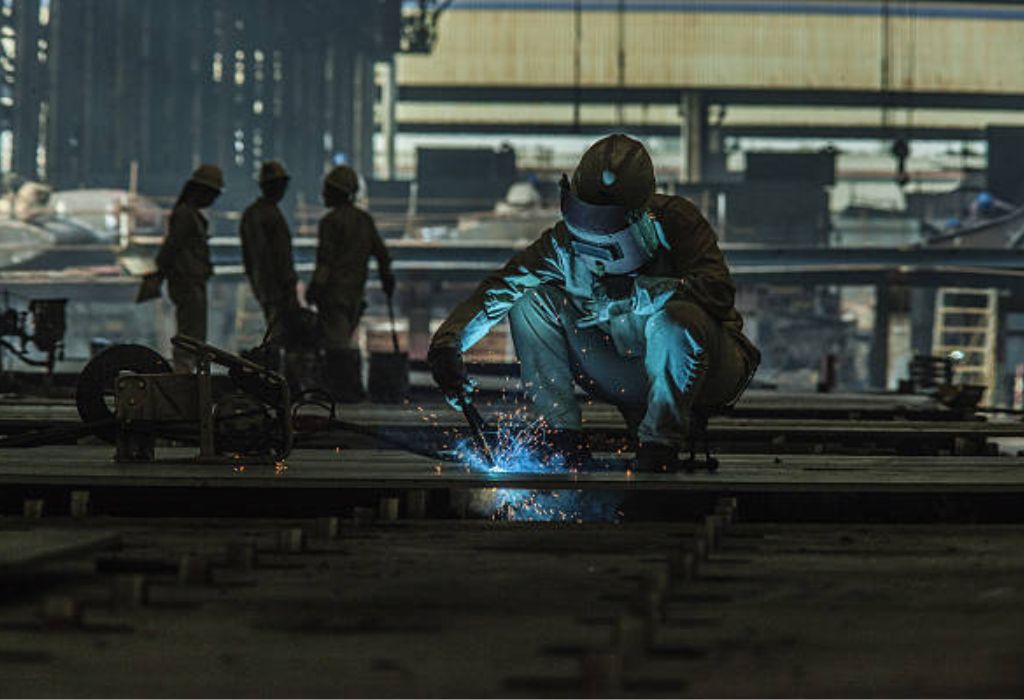
- Set lens to lowest shade recommended for your process.
- Observe the arc and let helmet adjust automatically.
- Adjust sensitivity for bright or dim lighting conditions.
- Set delay to suit personal preference—short delay for fast welding, longer delay for cooling arcs.
FAQ Section
1. Can I use the same shade for all welding processes?
No, each process has a specific shade range depending on amperage and arc intensity.
2. What happens if my welding helmet is too dark?
Reduced visibility may lead to poor weld quality, eye strain, and errors.
3. How do auto-darkening helmets work?
They detect the arc and automatically adjust the lens shade to protect your eyes while maintaining visibility.
4. Should beginners use a lighter shade?
Yes, slightly lighter shades allow better view of the weld pool and reduce mistakes.
5. How often should I replace my welding helmet lens?
Replace when scratched, cracked, or if auto-darkening fails.
6. Can eye strain indicate the wrong shade?
Yes, headaches, squinting, or fatigue often mean the lens is too light or too dark.
7. Do outdoor welders need different shades?
Yes, brighter ambient light may require darker shades.
8. Is shade #10 safe for all stick welding?
No, high amperage stick welding may need #12–#14.
9. Can I weld without a helmet if I wear safety glasses?
No, glasses alone cannot protect against UV/IR radiation and sparks.
10. Does helmet lens quality matter?
Absolutely, high-quality lenses provide clarity, accurate shading, and protection.
11. Can improper helmet use damage eyes over time?
Yes, prolonged exposure to arcs with wrong shade can lead to permanent eye damage.
12. What is grind mode on an auto-darkening helmet?
It allows welding helmet use for grinding without lens darkening.
13. Can adjustable delay improve comfort?
Yes, longer delay lets the lens stay dark briefly after the arc, protecting from residual brightness.
14. Are higher numbered shades always better?
Not necessarily—too dark reduces visibility and can harm welding accuracy.
15. How to maintain helmet longevity?
Clean lenses, store properly, replace batteries for auto-darkening helmets, avoid scratches.
Conclusion
Choosing the correct welding helmet shade is essential for both eye safety and weld quality. A properly selected shade protects from UV/IR radiation while allowing clear visibility of the weld pool. Consider welding process, amperage, environment, and personal eye sensitivity when selecting a shade.
Regular testing, helmet maintenance, and adherence to safety guidelines prevent eye strain, injuries, and equipment damage. Following this guide ensures welders can work safely and effectively, whether beginner or professional, indoors or outdoors.
Understanding how dark your welding helmet should be allows you to balance safety and precision, giving you confidence and protection during every welding task.

I’m Darrell Julian, the founder, lead writer, and hands-on welding enthusiast behind ArcWeldingPro.com. With more than 15 years of real-world welding experience, I created this platform to share what I’ve learned in the field, in the shop, and in the heat of the arc.