
Welding bursts to life with a flash — bright, intense, and powerful. From the moment the electrode strikes, a blaze of ultraviolet (UV), visible, and infrared (IR) radiation radiates outward, threatening the eyes and face of any welder in range. According to industry sources, welding arcs often reach luminosities many times that of direct sunlight, making protection not just advisable, but mandatory. Wikipedia+2Pro Welding Helmets+2
In the past, a welder’s only option was a fixed‑shade helmet: lift it, strike the arc, flip it down, weld, then flip it up again to inspect. But that flip motion costs time, precision, and safety. Enter the modern auto‑darkening welding helmet — and at its core, the unsung hero: the arc sensor.
Arc sensors detect the moment a welding arc is struck, converting that rapid flash into an electrical signal that triggers the lens to darken in milliseconds. This tiny component is a smart guardian: vigilant, instantaneous, and in many cases invisible to the welder — yet essential for safety and performance.
In this guide you’ll learn:
- Exactly what arc sensors are and how they work
- The types and configurations of sensors in welding helmets
- Key features, benefits, and what to look for in a high‑performing system
- Real‑world case scenarios of welders using arc sensor technology
- Common problems, troubleshooting, and maintenance
- Advanced features and future developments in arc detection
- FAQ answers and actionable tips to keep your helmet functioning optimally
Whether you’re a hobbyist fabricator, a pipe‑weld professional, or a manufacturing line welder, understanding arc sensors empowers you to choose the right helmet, avoid hidden risks, and maintain top performance day after day.
How Arc Sensors Work in Welding Helmets
Basic Functionality: From Flash to Shield
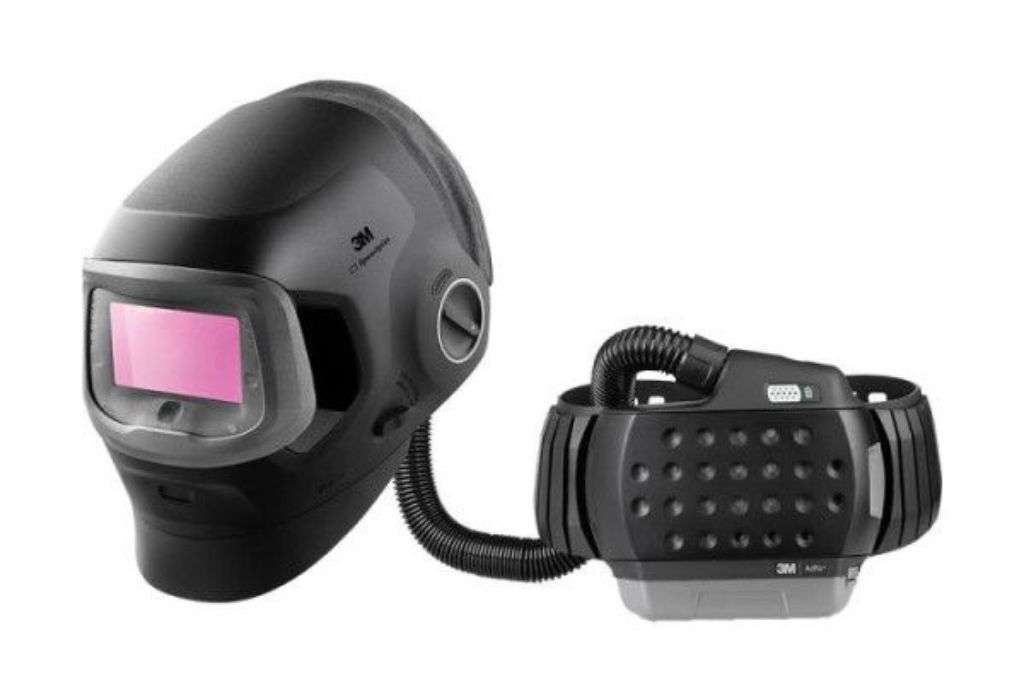
At its heart, an arc sensor is an optical or photonic device mounted in the front portion of a welding helmet. It monitors for a rapid change in light — specifically the characteristic flash and radiation of a welding arc — and signals the auto‑darkening filter (ADF) to switch from its light (clear or light grey) state to the dark state. Pro Welding Helmets+1
Here’s how the sequence unfolds:
- Welder strikes arc → intense light & radiation are emitted.
- Arc sensors detect the change in light intensity or specific wavelength (often visible, IR, or UV depending on design).
- The sensor forwards the signal to the helmet’s electronics (controller).
- The controller sends voltage to the liquid crystal (LC) cells in the auto‑darkening filter, aligning them so the lens darkens to the preset shade. Pro Welding Helmets+1
- During arc stoppage or when no arc detected, the lens reverts to light state, allowing clear view for setup or inspection.
Reaction speed is critical: many quality models switch shade in as little as 1/25,000 of a second — ensuring virtually no exposure of the welder’s eyes to the raw arc. Weld Guru
Sensor Types and Configurations
Arc sensors vary by number, placement, and technology. Key distinctions include:
- Single Sensor: A helmet with one sensor positioned centrally. Suitable for simple welding tasks and when the view of the arc is unobstructed.
- Multi‑Sensor Helmets (2–4 or more sensors): Provide broader arc detection coverage, particularly when welding in awkward positions, corners, or when part of the sensor view may be blocked. For example, many professional helmets list “2, 3 or 4 arc sensors” as a feature. millerwelds.com+1
- Infrared (IR) vs Optical sensors: Some helmets use IR photodiodes or phototransistors to detect the arc flash more reliably, especially outdoors or in bright ambient light. For instance, a forum discussion mentions that arc sensors are often IR because they are cheaper and still effective. Reddit
- Sensor Placement & Coverage: High‑end helmets place sensors around the viewing window, sometimes at corners or angled so that the arc is detected even when the welder is working overhead or from non‑ideal angles.
Integration With Helmet Electronics
Arc sensors do not act in isolation. They are part of a system:
- Controller Unit (ECU): Receives sensor triggers, controls LC cells, manages delay (how long lens stays dark after arc ends), sensitivity, and shade settings. Pro Welding Helmets+1
- Auto‑Darkening Filter (ADF) & LC Cells: Once triggered by the sensor/controller, the LC cells shift alignment and instantly darken the lens to the chosen shade (e.g., DIN 9‑13). At all times, UV/IR interference layers protect eyes even in the light state. Weld Guru+1
- Power Source: Sensors and electronics are powered by replaceable batteries and/or solar cells. A weak battery or dirty sensor may delay switch time or fail to trigger. Capitol Iron Works
Why Sensor Quality Matters
Poor or mis‑positioned sensors can lead to delayed triggering, failure to darken, or false triggering from ambient light. In welding, missing the moment the arc initiates can cause eye exposure (“flash burn” or “arc eye”) and reduced weld quality because the welder may hesitate or lift the helmet.
By understanding these mechanics, welders can evaluate helmets more critically — paying attention not just to brand, but to sensor count, reaction speed, coverage, and adjustment features.
Real‑World Case Scenarios: Welders and Arc Sensors in Action
Case 1: Pipe Welder Working in Confined Space
John is a pipe welder working inside tight mechanical skids with limited visibility. He switches between horizontal, vertical, and overhead welding. With his older single‑sensor helmet, he found that when working overhead, the sensor couldn’t detect the arc until a fraction later (because the arc flash direction was blocked by his welding arm). Result = flash of light before darkening, more fatigue, lower productivity.
Upgrading to a helmet with four arc sensors placed at the corners and higher reaction speed solved the issue. Now, no matter his position, the lens darkens instantly and he starts welds without hesitation. He reports fewer starts/stops, less neck strain, and better bead consistency.
Case 2: Outdoor Fabrication in Bright Sun
Maria works on a boat hull out in bright sunlight. Her old helmet would sometimes fail to trigger because the ambient light was too intense and the sensor was “distracted” by sunlight. She experiences intermittent delay in lens switching, causing discomfort.
She switched to a helmet with enhanced sensor sensitivity adjustments and outdoor “X‑Mode” (or equivalent) that incorporates IR detection beyond visible light and filters out ambient interference. After the upgrade, the helmet performed reliably, even in direct sunlight, and she no longer needed to flip the helmet manually upfront.
Case 3: Hobbyist Welder Practising TIG on Low Amps
Dave is a hobbyist welding stainless steel at low amperage (~30 A TIG). His helmet’s arc sensor was too insensitive for the weaker arc, so triggering was delayed. He ended up shielding his face longer than necessary, losing visibility of the torch tip.
By selecting a helmet with higher sensitivity (often advertised as “TIG‑rated”), more sensors, and user‑adjustable sensitivity, Dave was able to see the arc start immediately and maintain precise control over his welds.
These cases illustrate how arc sensor configuration and quality affect performance across different environments, positions, and welding processes. The right sensor system can dramatically improve comfort, safety, and weld quality.
Features & Benefits of Arc Sensors — Why They Matter
Instant Protection and Productivity
Auto‑darkening helmets with quality arc sensors react almost instantly — from light to dark in a fraction of a millisecond. This not only protects the welder’s eyes from UV/IR radiation and bright flashes, but also improves productivity because there’s no need to flip the helmet or pause between each strike. Capitol Iron Works+1
Improved Visibility and Setup
With the helmet lens in its light state before welding, the welder can clearly see his workpiece, joint, torch tip, or fixture. The arc sensors ensure once welding begins, the helmet darkens. This clear view simplifies setup and alignment. Better visibility leads to fewer errors and higher quality welds.
Reduced Fatigue and Enhanced Comfort
Traditional helmets require multiple flips of the helmet (up/down) or manual adjustment mid‑job. That repetitive motion introduces neck strain, slows work and increases fatigue. Arc sensors integrated into auto‑darkening helmets eliminate that flip motion altogether. Welders report fewer breaks, longer comfortable sessions, and reduced risk of posture‑related issues. Capitol Iron Works
Enhanced Safety in All Positions and Lighting Conditions
With high‑coverage sensor arrays and fast reaction times, helmets are able to protect welders working in overhead positions, confined spaces, or outdoor bright environments. Helmets with multiple sensors and IR‑capable detection mean fewer blind spots and more reliable triggering — increasing safety in challenging conditions. millerwelds.com+1
Versatility Across Welding Processes
Whether MIG, TIG, Stick, or Plasma, arc sensors allow quick adaptation: the moment the arc strikes, the helmet reacts. This flexibility is especially useful for multi‑process welders or workshops where operators switch commonly between methods. Modern helmets also allow sensitivity and delay adjustments to fine‑tune for each process.
Factors to Consider When Choosing Arc Sensors & Helmet Features
To get the full benefit of arc sensors, welders should look beyond just the count of sensors. Here are key considerations:
Sensor Count and Coverage
- 2‑Sensor Helmets: Suitable for general shop work where views are relatively unobstructed.
- 3 or 4+ Sensors: Better for overhead work, pipe welding, or tight spaces. More sensors mean better detection coverage and fewer blind spots. millerwelds.com+1
- Sensor Placement & Angle: Ensure sensors are placed so that they’re not easily blocked by your helmet shell, welding torch, or body position.
Reaction Speed & Shade Range
- Look for specified reaction times (e.g., 1/20,000 sec, 1/25,000 sec). These ensure minimal exposure to welding flash. Weld Guru+1
- Ensure the helmet offers a shade range suitable for your processes (e.g., DIN 9‑13 is common for welding; vantage might include 4‑8 for cutting, grinding).
Sensitivity & Delay Adjustments
- Sensitivity: How well the sensors detect arcs, especially low‑amperage (like TIG).
- Delay: How long the lens remains dark after the arc stops — useful when in multi‑pass welds or when sparks linger. A helmet that allows these adjustments gives professional flexibility.
Filter Quality & Optical Clarity
- The auto‑darkening filter (ADF) includes arc sensors, LC cells, UV/IR interference layers, and polarization filters. A premium helmet will have excellent optical clarity ratings (e.g., 1/1/1/2) and true‑color or enhanced clarity lenses. Capitol Iron Works
- The better the clarity, the less eye strain and the more accurate the weld.
Power Source & Maintenance
- Many helmets are hybrid: solar panels + rechargeable/replaceable batteries. Ensure the arc sensors are supported by a reliable power source, and that low‑battery indicators, replaceable covers, and sensor lens caps are easily accessible. Capitol Iron Works
- Sensor robustness: Are sensors protected against spatter, dust, and environmental contamination? Regular cleaning ensures reliable function.
Standards & Certifications
- Look for ANSI Z87.1 (USA), CSA Z94.3 (Canada), or EN379 (Europe) certifications. These ensure the helmet meets minimum safety and quality standards. Capitol Iron Works
- Some helmets specify sensor count, reaction speed, shade range, and optical clarity — use these specs to compare.
Maintenance, Troubleshooting & Common Issues with Arc Sensors
Even the best arc sensors can suffer from issues if not maintained properly or used under challenging conditions. Here are common problems, their causes, and solutions.
Sensor Failure to Trigger / Delayed Darkening
Causes:
- Dead or weak battery
- Sensors obstructed or covered by weld spatter
- Sensor angle or helmet position blocks arc view
- Ambient light interference (strong sunlight or reflections)
Solutions: - Replace or recharge power source.
- Clean sensors with a soft cloth; ensure cover lenses are clear.
- Verify sensor orientation — make sure you aren’t blocking the sensor with your torch, helmet rim, or body.
- In outdoor bright conditions, reduce sensitivity or switch to a model with IR detection/outdoor mode. Pro Welding Helmets
False Triggers (Lens Darkens When Not Welding)
Causes:
- Ambient light flash (sunlight, welding nearby) sensed as arc
- High sensor sensitivity in bright environments
Solutions: - Adjust sensitivity to a lower setting.
- Use helmets designed with interference filtering (e.g., IR sensors or outdoor mode).
- Cover or shield ambient light sources if feasible.
Inconsistent Shade Performance
Causes:
- LC cells aging or damaged
- Cover lens scratched, dirty, or clouded
- Sensor misalignment
Solutions: - Replace cover lenses regularly; maintain clean optics.
- Inspect internal ADF for damage; if optical clarity degrades, replace filter.
- Check sensor mounting; if moved, re‑adjust or replace.
Sensor Blind Spots or Missed Detection
Causes:
- Single sensor helmet during non‑ideal angle welding
- Sensors blocked by helmet shell, hands, torch
Solutions: - Use multi‑sensor helmet for multi‑position or overhead welds.
- Ensure proper helmet alignment and sensor positioning.
- Practice techniques to keep sensors oriented toward the arc.
General Maintenance Tips
- Clean sensors and cover lenses daily or after heavy use.
- Replace cover lenses at first sign of hazing, scratching, or weld spatter buildup.
- Periodically test the helmet using an IR remote, lighter or designated tester to verify switching. Pro Welding Helmets
- Store helmet in a dry, clean environment with sensor and lens protection.
- Check battery state or solar panel condition; replace worn batteries yearly or per manufacturer.
Advanced Features & The Future of Arc Sensor Technology
As welding helmet technology evolves, arc sensor systems are becoming more sophisticated. Here’s a look at advanced capabilities and trends:
Multi‑Sensor Arrays & Wider Coverage
Some top‑tier helmets now include 5 or 6 arc sensors, offering even better detection across all angles. This is especially helpful in overhead welding, pipe welding, or multi‑operator environments. The more sensors, the less likely the helmet will miss an arc due to blocked view or extreme positioning.
IR / Electromagnetic Arc Detection
Conventional sensors rely on optical flash detection; newer systems incorporate IR sensors or even electromagnetic sensors (e.g., “X‑Mode” in some helmets) to detect arcs even when ambient light interferes. This boosts reliability outdoors or in bright conditions. Capitol Iron Works
Connectivity & Smart Helmet Features
Some helmets integrate Bluetooth or digital monitoring: tracking arc time, usage metrics, sensor health alerts. These features may include firmware updates for sensors, or integration with welding power supply to optimize sensitivity automatically.
Adaptive Sensitivity & Smart Algorithms
Next‑gen helmets adjust sensitivity dynamically based on environment, torch angle, and welding process. The arc sensors pair with algorithms to distinguish real arcs from ambient flashes (sun, reflection) — reducing false triggers and improving safety.
True‑Color Optics & Large Viewing Areas
While not sensor‑specific, these features enhance the value of a helmet with quality arc sensors: larger viewing windows, better optical clarity, and enhanced color recognition mean welders can see their work better before, during, and after the arc.
History & Evolution of Arc Sensor Technology in Welding Helmets
To appreciate how far arc sensors have come, it helps to reflect on their development:
- Manual Helmets / Fixed Shade: Early welding helmets were passive with fixed darkened lenses. Welders manually flipped the helmet for each weld or inspection.
- Early Auto‑Darkening Filters (ADF): Introduced in the late 20th century, these used fixed sensors and slower switching times, but eliminated much of the flipping motion.
- Single Sensor ADFs: Entry‑level auto‑darkening helmets featured one or two sensors, basic electronics, and limited settings.
- Multi‑Sensor & Fast‑Switch ADFs: As welding environments became more complex (pipe welding, overhead, outdoor), helmets evolved to include more sensors, faster reaction speeds (1/10,000 sec or better), and broader shade/ sensitivity adjustment. Pro Welding Helmets+1
- Smart Helmets with Advanced Sensors: Modern helmets integrate IR/EM sensors, connectivity, adaptive algorithms, and larger viewing areas. Arc sensors are now part of intelligent systems capable of adapting to environment and process.
This evolution shows how arc sensors went from a simple flash detector to a core part of a complex protective, ergonomic, and digital system.
Common Mistakes Welders Make With Arc Sensors (And How to Avoid Them)
Mistake 1: Choosing Based on Brand Alone
A big name doesn’t guarantee optimal sensor performance for your situation. Always check specs: sensor count, reaction time, coverage, sensitivity settings. Don’t assume one sensor covers all positions.
Mistake 2: Ignoring Sensor Maintenance
Many welders focus on helmet shell or lens but neglect the sensors themselves. Dirty or blocked sensors can cause trigger failures. Clean sensors routinely and inspect cover lenses.
Mistake 3: Using a Helmet with Inadequate Sensor Coverage for the Task
If you’re welding overhead, inside a confined space, or multi‑position, a helmet with just one central sensor may be insufficient. Choose a helmet with more sensors and ensure coverage from multiple angles.
Mistake 4: Not Adjusting Sensitivity for Environment
Working outdoors in bright sunlight with a helmet set to high sensitivity can lead to false triggers. Conversely, using a low‑sensitivity setting for low‑amp TIG may delay triggering. Adjust sensitivity and delay settings to match your process.
Mistake 5: Ignoring Battery or Solar Power System
Weak batteries or dirty solar panels can slow down sensor response. A helmet may fail to switch promptly if power is marginal. Replace batteries regularly and keep solar cells clean.
Mistake 6: Misaligned Headgear Causing Sensor Obstruction
If the helmet isn’t worn properly, sensors may be blocked by your torch, hand, or helmet rim. Always adjust headgear to correct position and maintain clear sensor lines to the arc.
Maintenance Schedule & Longevity Tips for Arc Sensor Helmets
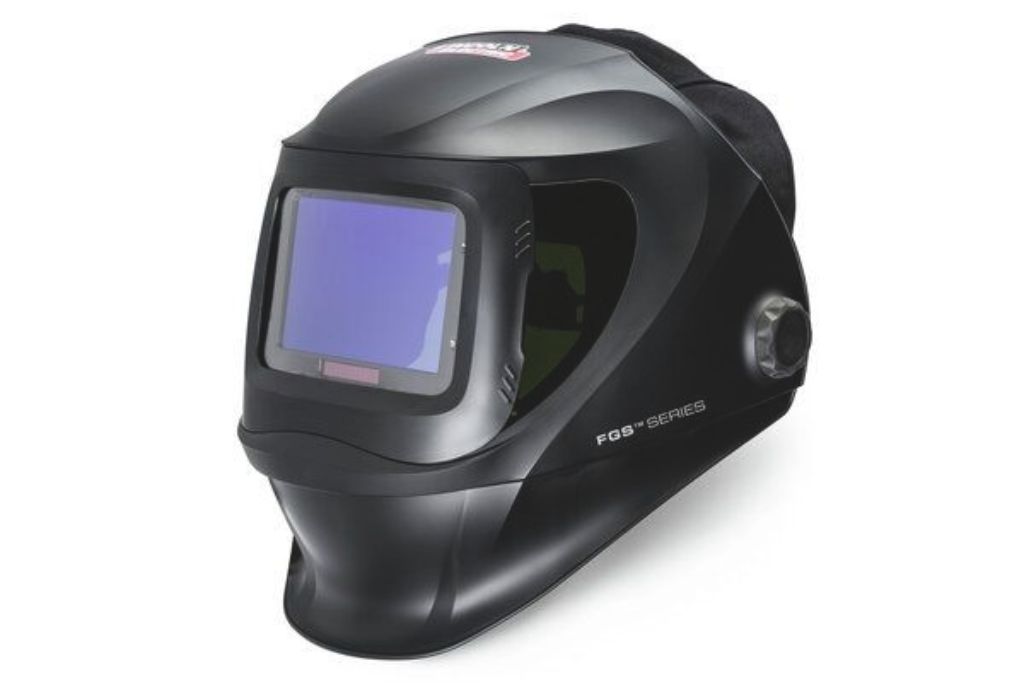
To get the most out of your helmet and ensure arc sensors function flawlessly, follow a regular maintenance routine:
- Daily/Before Use:
- Wipe sensors and cover lenses with a soft cloth.
- Check for visible damage, cracks, or spatter buildup on the lenses and sensors.
- Check battery/solar indicator; ensure sufficient power.
- Wipe sensors and cover lenses with a soft cloth.
- Weekly:
- Clean interior of helmet shell, headgear, and ensure no dust or spatter reaches sensors.
- Test the auto‑darkening filter: many helmets allow you to test switching with a lighter or IR remote. Pro Welding Helmets
- Clean interior of helmet shell, headgear, and ensure no dust or spatter reaches sensors.
- Monthly:
- Inspect headgear for wear; ensure helmet sits level so sensors aren’t angled awkwardly.
- Check sensitivity and delay settings; calibrate if your process or environment has changed.
- Inspect headgear for wear; ensure helmet sits level so sensors aren’t angled awkwardly.
- Every 6–12 Months:
- Replace cover lenses if scratched or hazy; poor clarity can delay sensor detection.
- Replace batteries if rechargeable or change if replaceable type.
- Inspect helmet shell, check certification labels, and replace helmet if damaged or outdated.
- Replace cover lenses if scratched or hazy; poor clarity can delay sensor detection.
- Whenever Performance Issues Appear:
- If you notice delayed switching, false triggering, or missing coverage — inspect sensors, verify power, check for obstruction, consider helmet replacement.
- If you notice delayed switching, false triggering, or missing coverage — inspect sensors, verify power, check for obstruction, consider helmet replacement.
By staying proactive with maintenance, the arc sensors and the entire auto‑darkening system will continue to provide reliable performance, safety, and efficiency over many years.
Frequently Asked Questions (FAQ)
How many arc sensors does a welding helmet need?
For basic indoor work, 2 sensors may suffice. For overhead, confined space or multi‑position work, 3 or 4 sensors (or more) provide better coverage and reliability.
Can arc sensors fail over time?
Yes. Sensors may degrade, batteries may weaken, cover lenses may scratch, or alignments may shift. Regular testing and maintenance help mitigate this.
Do arc sensors work for all types of welding (MIG, TIG, stick)?
Yes — provided the helmet’s sensitivity and shade range match the process. Low‑amp TIG may require higher sensitivity or specialized helmet models.
How do I test if my arc sensors are working properly?
You can use an IR remote (like a TV remote) pointed at the sensor or a torch/light‑strike to simulate arc flash. If the lens darkens instantly, the sensors and electronics are likely functional. Pro Welding Helmets
Are helmets without arc sensors safe?
Manual flip helmets offer protection but require the user to lower the helmet before striking the arc. This introduces risk of starting the weld with helmet up or flipping delay. Auto‑darkening with arc sensors provides faster and more consistent protection.
Can sunlight trigger arc sensors falsely?
Yes, bright ambient light or reflection can trigger sensors if sensitivity is too high. Using helmets with interference‑resistant sensors (IR detection) or adjusting sensitivity helps reduce false triggers. Capitol Iron Works
Is sensor count more important than helmet brand?
Sensor count, placement, and fresh power are often more crucial than just brand name when it comes to safety and coverage. Always verify specs rather than assume performance.
Will using a helmet with fewer sensors reduce weld quality?
Potentially yes — if the sensor fails to detect the arc promptly, the welder may hesitate or lose visibility. This can impact weld start, bead consistency, or spatter.
How long do arc sensor systems last?
With good maintenance, many auto‑darkening helmets last 5‑7 years or longer. Regular replacement of cover lenses and batteries extends lifespan. Capitol Iron Works
Should I replace the helmet if sensors fail?
If sensors are misfiring and the helmet is old, damaged, or lacks documentation for part replacement, replacing the helmet may be the safest choice.
Conclusion: Empowered Welding Starts With the Right Arc Sensor Helmet
Arc sensors are the silent sentinels of modern welding helmets. They detect the moment an arc is struck and trigger the lens to darken almost instantly — protecting your eyes, improving productivity, and eliminating wasted motion. From hobbyists to industrial fabricators and pipe welders, understanding how arc sensors work, what to look for, and how to maintain them unlocks major benefits.
Choose helmets with sufficient sensor coverage for your environment (especially if working overhead or in bright sunlight), ensure they have fast reaction times, clean optics, reliable power systems, and good adjustability. Maintain them diligently — clean sensors, clear lenses, fresh batteries, proper headgear fit.
Ultimately, a high‑quality helmet with well‑designed arc sensors means fewer interruptions, less eye strain, higher weld quality, and greater confidence in your work. Let the flash happen — your helmet handles the rest.
Good welding!

I’m Darrell Julian, the founder, lead writer, and hands-on welding enthusiast behind ArcWeldingPro.com. With more than 15 years of real-world welding experience, I created this platform to share what I’ve learned in the field, in the shop, and in the heat of the arc.