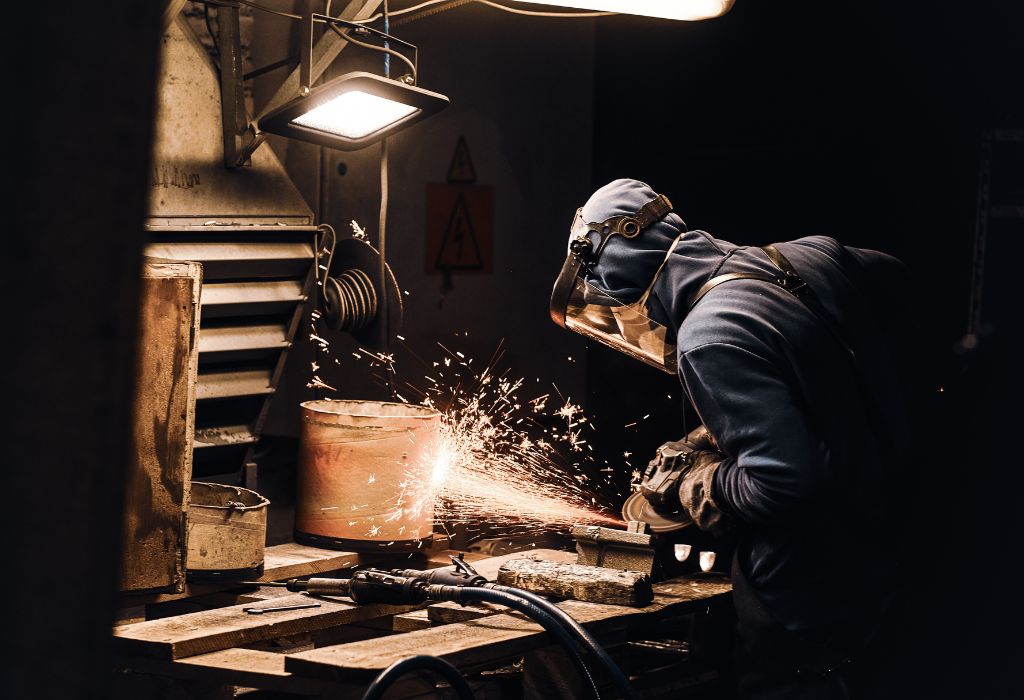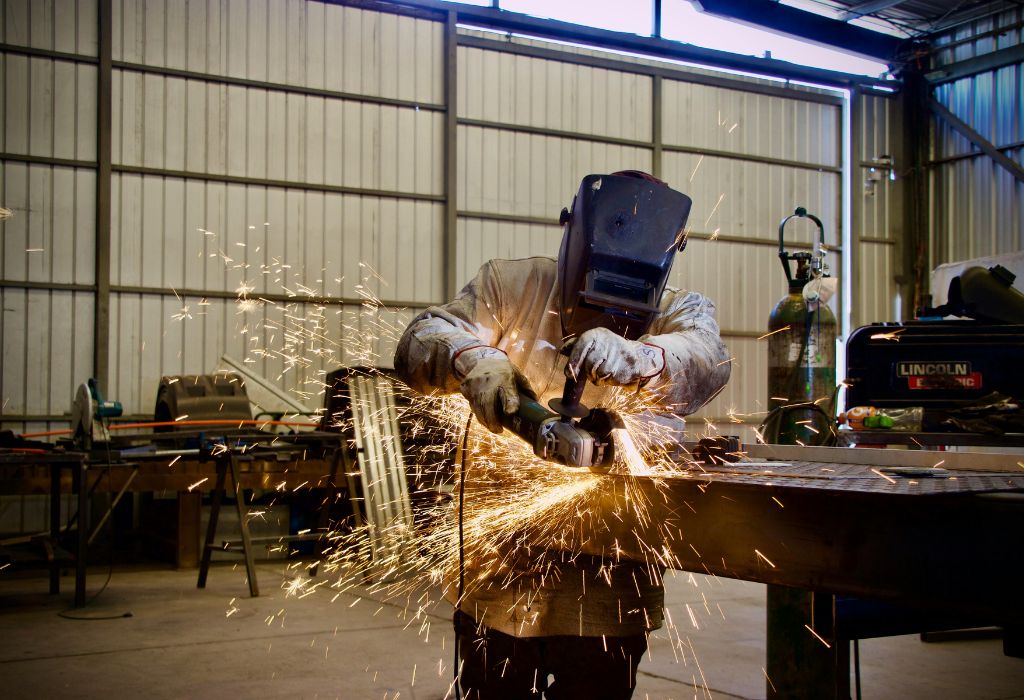
Every welder knows the importance of clear vision when working on precise welds. Struggling to see your work area fully can lead to mistakes, fatigue, and even safety risks.
Imagine holding a torch, trying to follow a seam, and needing to constantly tilt your head to see the joint. Limited visibility wastes time and increases strain on your neck and eyes.
A large view welding helmet solves this problem by offering an expanded viewing area. Studies show that welders using helmets with larger lenses experience less eye strain and improved accuracy.
Whether you’re MIG, TIG, or stick welding, seeing more of your workspace reduces errors and allows smoother, safer movements.
This guide will explain what a large view on a welding helmet means, the benefits of using one, how to choose the right model, and tips for maintaining it.
By the end, you’ll understand why upgrading to a large view helmet can enhance both safety and productivity.
Understanding Welding Helmets
Welding helmets come in two main types: passive and auto-darkening. Passive helmets use a fixed shade lens, while auto-darkening helmets adjust the shade based on the arc.
The lens size is a critical factor. Standard helmets often limit peripheral vision, forcing welders to constantly adjust head position to see the work area.
Filters and shades protect the eyes from UV and IR radiation, but a smaller lens reduces visibility. This can slow work and increase fatigue.
Standard, small, and large view helmets differ primarily in lens dimensions and headgear design. A larger lens expands your field of vision while maintaining protection.
Safety standards like ANSI Z87.1 ensure that welding helmets protect against impact, radiation, and heat. Choosing a compliant helmet is essential for any welding environment.
Proper understanding of these features helps welders select the right helmet for their needs. Even small improvements in lens size can have a significant impact on comfort and safety.
What Defines a Large View Welding Helmet
Large view helmets typically feature lenses larger than 3.9 inches by 3.6 inches. Some models exceed 4 inches by 4 inches for maximum visibility.
The increased viewing area lets welders see more of the workpiece without moving their head constantly. This reduces neck strain and improves precision.
Headgear design is adapted to support the larger lens while maintaining balance and comfort. Helmets are engineered to avoid adding excessive weight.
Popular large view models include Lincoln, Miller, and ESAB helmets with 4×4 or 3.93×3.66-inch viewing areas. They are used in professional and hobbyist settings alike.
Large view helmets benefit multiple welding types, including MIG, TIG, and stick welding. They provide a clear sightline for precise bead placement and seam tracking.
Lens clarity, viewing angle, and shade quality interact with size. A large view without optical clarity may still hinder visibility, so high-quality lenses are critical.
Benefits of a Large View Helmet
The primary advantage is increased visibility of the welding area. Peripheral vision is improved, reducing the need to constantly reposition your head.
Reduced head movement translates into less fatigue during long welding sessions. This is especially important for overhead or awkward-angle welds.
Inspecting welds mid-process is easier with a larger view. This allows for immediate corrections without pausing work.
Safety improves because you can see potential hazards around the workpiece. Large view lenses help identify sparks, arcs, and equipment movement in peripheral vision.
Positioning is easier in tight spaces or complex angles. You can maintain control without constantly shifting your posture.
Productivity and accuracy are enhanced. By reducing strain and improving sightlines, welders can produce cleaner, more precise welds consistently.
Choosing the Right Large View Helmet
Consider lens size first. Models range from 3.9×3.6 inches up to 4×4 inches or larger. Measure your workspace and preference before choosing.
Weight is critical for comfort. Larger lenses can add bulk, so choose helmets with lightweight materials and balanced headgear.
Auto-darkening speed, sensitivity, and delay settings are essential for performance. Faster sensors protect your eyes and maintain visibility during rapid welding.
Viewing angle and optical clarity ratings matter. Higher ratings provide clearer images without distortion.
Durability and impact resistance are also important. Helmets should withstand sparks, heat, and occasional drops.
Budget is a factor. While larger view helmets may cost more, the benefits in safety, productivity, and comfort often justify the investment.
Maintaining and Using Large View Helmets
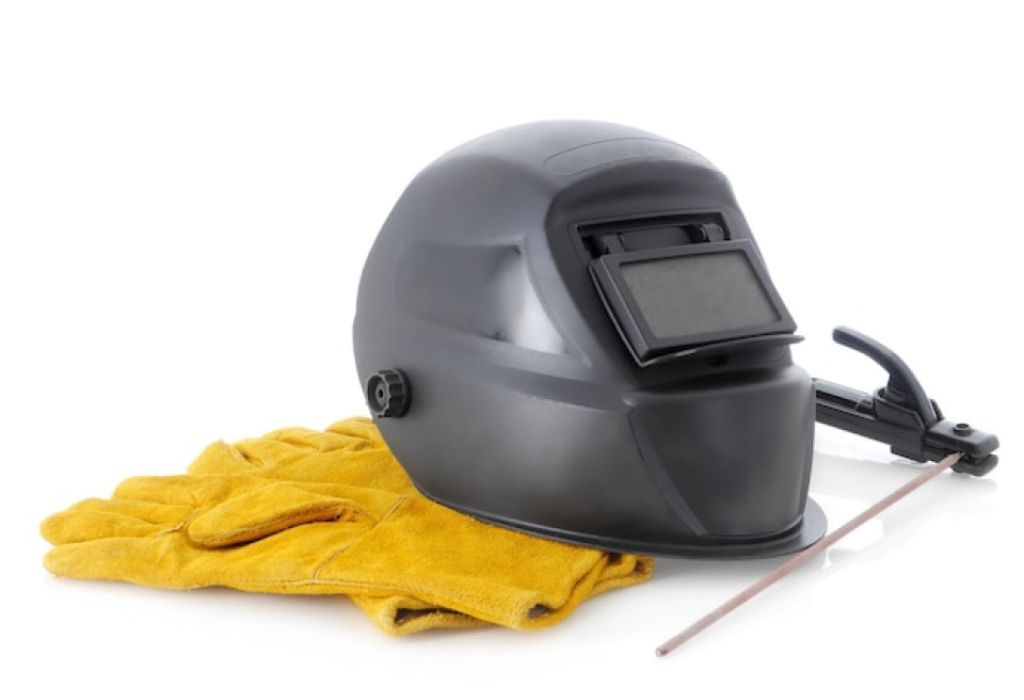
Clean the lens regularly with a soft cloth and approved cleaner to maintain clarity. Avoid harsh chemicals that can scratch or damage the lens.
Check batteries and auto-darkening functionality periodically. Replace batteries as needed to ensure consistent protection.
Inspect helmets for cracks, warping, or worn components. A damaged helmet compromises safety and optical performance.
Adjust headgear for a secure, comfortable fit. Proper adjustment ensures the lens stays in the correct position without strain.
Store helmets in a protective case when not in use to prevent scratches and exposure to UV or heat.
Follow manufacturer recommendations for maintenance and storage. Proper care extends the life of your large view welding helmet.
Frequently Asked Questions
What is considered a “large” view lens?
Lenses larger than 3.9×3.6 inches are generally considered large view. Some models exceed 4×4 inches.
Does a larger view helmet improve safety?
Yes. Larger lenses enhance peripheral vision and allow welders to see hazards more clearly.
Are large view helmets heavier than standard ones?
They can be slightly heavier, but modern designs distribute weight for comfort.
Can all welding types use a large view helmet?
Yes, MIG, TIG, and stick welding all benefit from enhanced visibility.
Do they cost significantly more?
Large view helmets are often more expensive, but benefits in comfort and productivity justify the price.
How does lens clarity vary with size?
High-quality lenses maintain clarity even at larger sizes; cheap lenses may distort vision.
Can large view helmets fit small heads comfortably?
Yes, most are adjustable with headgear to accommodate various sizes.
Are there auto-darkening options for large view helmets?
Absolutely. Many large view helmets feature fast auto-darkening sensors and adjustable shades.
How do I clean a large view lens safely?
Use a soft microfiber cloth and manufacturer-approved lens cleaner. Avoid abrasives.
Do large view helmets reduce eye strain?
Yes. Expanded visibility reduces head movement and helps maintain a natural posture.
Is peripheral vision really improved?
Yes, welders report seeing more of their workspace and surrounding hazards.
Are they suitable for professional welders?
Yes, many professionals choose large view helmets for precision work and comfort.
Can they be used for hobby welding at home?
Definitely. Hobbyists benefit from improved visibility and safety.
How does headgear adjustment differ from standard helmets?
Adjustable straps and pivot points are optimized for larger lenses to maintain balance and fit.
Do large view helmets meet ANSI safety standards?
Yes, reputable brands comply with ANSI Z87.1 and other relevant safety standards.
Can I retrofit a large view lens into a standard helmet?
Some helmets allow lens replacement, but check compatibility and safety.
How to prevent scratches on large lenses?
Store in a protective case and clean with soft materials. Avoid abrasive cleaning products.
Are replacement lenses widely available?
Yes, most major brands offer replacement lenses for large view helmets.
Conclusion
A large view on a welding helmet provides welders with enhanced visibility, safety, and comfort. It reduces eye strain, improves peripheral awareness, and allows more precise welds.
Choosing the right size, lens quality, and helmet features ensures a safer, more productive welding experience. Regular maintenance, careful use, and adherence to safety standards extend the lifespan and effectiveness of your helmet.
Upgrading to a large view helmet is a worthwhile investment for professionals and hobbyists alike, making welding safer, easier, and more efficient.

I’m Darrell Julian, the founder, lead writer, and hands-on welding enthusiast behind ArcWeldingPro.com. With more than 15 years of real-world welding experience, I created this platform to share what I’ve learned in the field, in the shop, and in the heat of the arc.