
Every welder knows the importance of a clear view while welding. Imagine noticing a black spot on your auto darkening welding helmet lens mid-weld, obstructing your vision and potentially compromising your work.
A black spot may seem minor, but it can affect visibility, accuracy, and safety. Even small spots can distract your eyes or hide sparks, increasing the risk of burns or poor welds.
Many welders encounter this issue, whether in professional shops or DIY setups. Statistics show that lens damage from impact, debris, or prolonged use is one of the most common reasons helmets need replacement.
Understanding what causes black spots can help prevent them, maintain lens quality, and ensure your helmet continues to protect your eyes effectively.
This guide will explore the common causes of black spots in auto darkening welding helmets, how to prevent them, proper maintenance techniques, and when replacement is necessary.
By the end, you’ll know how to protect your helmet, extend its lifespan, and weld safely with a clear, unobstructed view.
Understanding Auto Darkening Welding Helmets
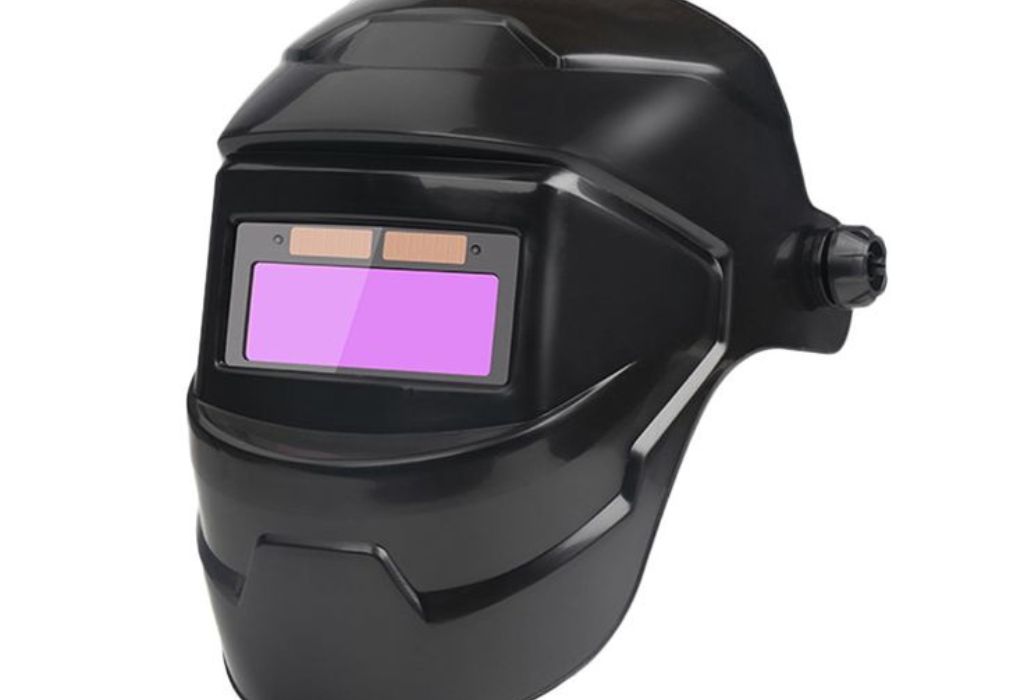
Auto darkening welding helmets are designed to automatically adjust lens shade when exposed to the welding arc. This allows welders to maintain visibility without lifting the helmet repeatedly.
These helmets consist of a protective shell, LCD lens, UV/IR sensors, and electronic components. Each part plays a role in maintaining proper darkening and eye protection.
The lens contains liquid crystal displays (LCD) that adjust opacity when exposed to light. Sensors detect the arc and trigger the darkening process within milliseconds.
Clear lenses are essential for accurate welding. A black spot can obscure vision, distort angles, and reduce precision, especially during detailed work.
Regular inspection and proper care of the helmet are necessary. Checking for cracks, debris, or discoloration helps maintain safety and performance.
A well-maintained auto darkening helmet ensures consistent protection, better weld quality, and reduces eye fatigue.
Common Causes of Black Spots
One of the most common causes is lens damage from impact. Dropping the helmet or hitting the lens against hard surfaces can create black spots or cracks in the LCD.
Burn marks from intense arc exposure can also leave permanent black spots. Prolonged exposure to high-amperage arcs without proper distance may damage the lens.
Manufacturing defects in the LCD or auto darkening filter may lead to black spots. While rare, defects can appear after a few months of use.
Extreme temperature exposure, such as leaving the helmet in direct sunlight or near heat sources, can damage the LCD. This may result in permanent dark areas on the lens.
Dust, metal particles, or debris landing on the lens can appear as black spots. Over time, accumulated debris may scratch or damage the surface.
Electrical or sensor malfunctions can also create darkened areas that resemble black spots. Issues in the auto darkening electronics may prevent proper lens function.
How to Prevent Black Spots
Handle your helmet carefully and avoid dropping it. Even minor impacts can compromise the lens integrity.
Use protective covers or helmet sleeves to shield the lens from sparks, metal spatter, and debris. This reduces the risk of scratches or burn marks.
Avoid prolonged exposure to high-temperature arcs. Maintain proper distance and use protective barriers if necessary.
Keep the lens clean and free of dust, metal shavings, and other particles. Regular cleaning preserves clarity and prevents permanent damage.
Inspect electronics and sensors periodically. Ensuring proper function reduces stress on the LCD and prevents malfunctions that create black spots.
Store your helmet in a cool, dry place when not in use. Avoid direct sunlight, extreme temperatures, or damp environments that can damage components.
Maintenance Tips for Auto Darkening Helmets
Clean the LCD lens using a soft, lint-free cloth and mild cleaner. Avoid abrasive materials that can scratch the lens.
Check battery or solar-powered components regularly. Weak power sources may affect lens performance or darkening speed.
Inspect the helmet shell for cracks, dents, or structural damage. Damaged shells compromise protection and may cause black spots on the lens.
Test the sensors to ensure they detect arcs properly. Malfunctioning sensors can result in uneven or permanent dark spots.
Replace worn or damaged lens filters promptly. Continuing to use a compromised lens increases the risk of eye strain and poor weld quality.
Schedule professional inspections if you notice persistent black spots. A technician can diagnose electrical or LCD issues accurately.
When to Replace Your Helmet or Lens
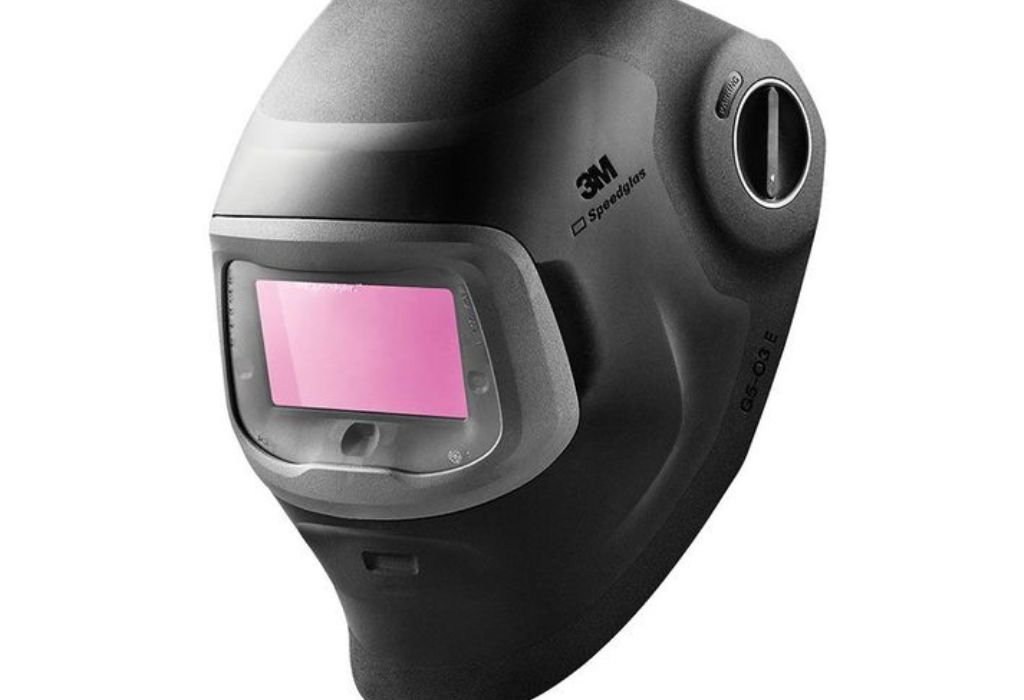
If the black spot cannot be cleaned or repaired, it’s time to replace the lens. Continuing to weld with a compromised lens is unsafe.
Damaged lenses affect visibility and eye protection. Welders risk burns, eye strain, and poor-quality welds.
Check manufacturer warranties for replacement options. Many brands provide lens replacements for defects or damage within a certain period.
Consider the cost of repair versus replacement. In many cases, investing in a new helmet or lens ensures full protection and optimal performance.
Prompt replacement protects your eyes and ensures consistent welding quality. Waiting too long can lead to accidents or further helmet damage.
Choose durable, reputable brands and lenses. Investing in quality reduces the likelihood of black spots and extends helmet lifespan.
Frequently Asked Questions
Can a black spot be repaired?
Minor debris or surface dirt can sometimes be cleaned, but permanent LCD damage cannot be repaired.
Does it affect eye safety?
Yes, black spots reduce visibility and compromise protection, increasing the risk of eye injuries.
Are some brands more prone to black spots?
Poor-quality or inexpensive helmets may be more susceptible to lens defects, but proper care reduces risk in all brands.
How long do lenses typically last?
With proper maintenance, most auto darkening lenses last several years before replacement is needed.
Can extreme heat cause permanent damage?
Yes, high temperatures can warp or discolor the LCD, leaving permanent black spots.
Is cleaning sufficient to prevent black spots?
Cleaning helps prevent debris-related spots but cannot fix internal LCD damage.
Do auto darkening helmets wear out over time?
Yes, electronic components and LCD lenses degrade over time and may develop dark spots.
Can metal spatter cause a black spot?
Yes, sparks or molten metal can burn the lens, creating permanent black marks.
How to check if the sensors are damaged?
Test the helmet in low-light conditions with a welding arc. Malfunctioning sensors may cause uneven darkening or permanent dark areas.
Are there aftermarket lens protection options?
Yes, protective covers, shields, and sleeves help prevent scratches, burns, and debris damage.
Conclusion
Black spots in auto darkening welding helmets are usually caused by impact, burn marks, debris, overheating, or sensor malfunctions. Identifying the cause is essential for proper maintenance.
Preventive measures include careful handling, protective covers, regular cleaning, and proper storage. Inspect electronics and sensors periodically to ensure correct lens function.
Replace damaged lenses or helmets promptly to maintain safety and weld quality. Investing in durable helmets and lenses reduces the risk of black spots and prolongs the lifespan of your gear.
By following these tips, welders can protect their auto darkening helmets, maintain clear vision, and ensure safe, high-quality welding every time.

I’m Darrell Julian, the founder, lead writer, and hands-on welding enthusiast behind ArcWeldingPro.com. With more than 15 years of real-world welding experience, I created this platform to share what I’ve learned in the field, in the shop, and in the heat of the arc.