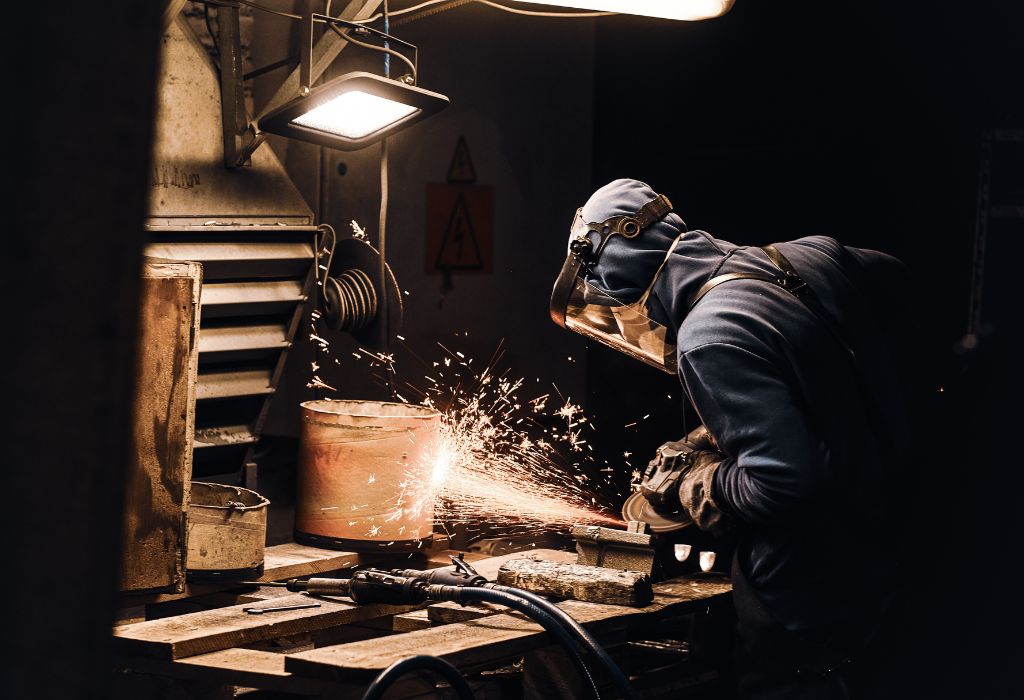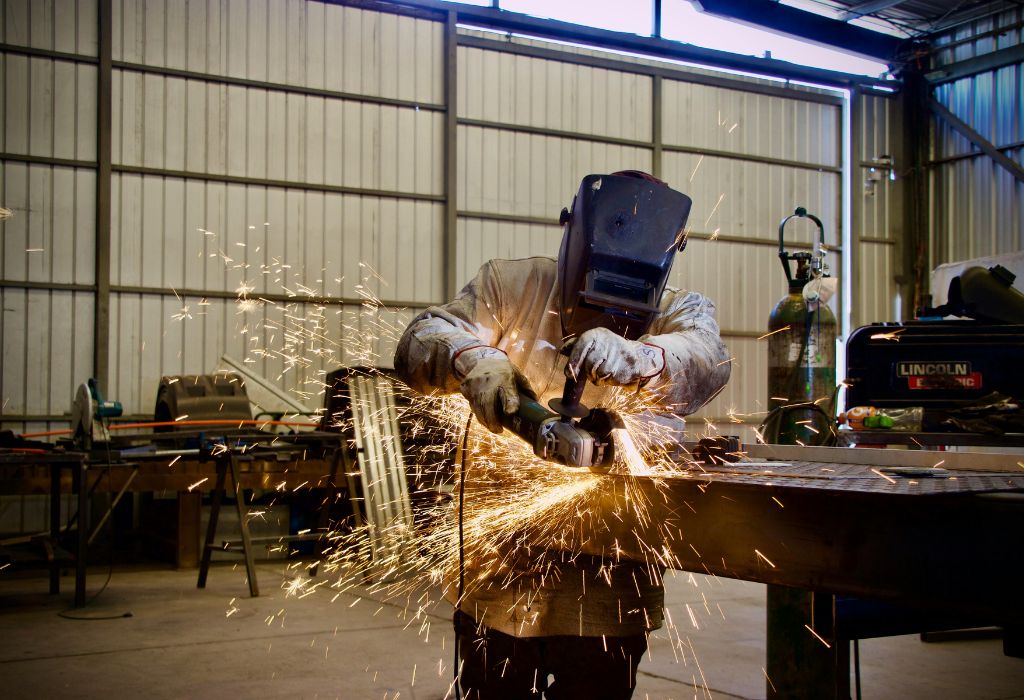
Imagine this: you are about to start a welding project, and as sparks fly, your hands are exposed to intense heat. Without proper protection, even a momentary lapse can cause serious burns, blisters, or long-term injuries.
Welding gloves are one of the most essential pieces of personal protective equipment for anyone handling welding tools. They not only protect your hands from heat and sparks but also provide grip and control during precise welding tasks.
Hand injuries are among the most common incidents in welding workplaces. Studies indicate that welders account for thousands of hand-related injuries annually due to burns, cuts, and molten metal exposure.
Choosing the right welding gloves is critical for safety, comfort, and efficiency. Using the wrong gloves can compromise dexterity, reduce control, and increase fatigue during long welding sessions.
This guide will explain what welding gloves are, their types, materials, and proper use, along with safety benefits and maintenance tips. By the end, you’ll know how to select, use, and care for welding gloves to ensure your hands stay safe on every project.
Wearing the correct gloves is not just a safety precaution — it’s an investment in your hands, your skill, and your long-term welding productivity.
What Are Welding Gloves
Welding gloves are specially designed protective gloves made for high-heat and high-risk environments. They provide a barrier against sparks, molten metal, ultraviolet radiation, and hot surfaces.
Unlike regular work gloves, welding gloves are constructed to withstand intense heat while maintaining flexibility. This allows welders to handle tools, grips, and metal with precision.
The primary purpose of welding gloves is to prevent burns, cuts, and abrasions. They also reduce exposure to UV and infrared radiation produced during welding arcs.
Most welding gloves are reinforced with durable materials such as leather, Kevlar stitching, and heat-resistant linings. These design features allow them to withstand both heat and mechanical wear.
Welding gloves also vary in thickness, length, and dexterity, depending on the welding type. Choosing the correct style ensures a balance between protection and hand movement.
Proper welding gloves are a must for safety compliance. Workplace safety standards often require appropriate gloves when welding, cutting, or handling hot metals.
Additionally, welding gloves can improve grip and control. Well-fitted gloves allow for secure handling of welding torches and materials while minimizing hand fatigue.
Types of Welding Gloves
There are several types of welding gloves, each designed for specific welding tasks.
TIG Gloves: These gloves are thin and flexible, offering high dexterity. They allow precise movement and are ideal for delicate welding tasks.
MIG Gloves: Slightly thicker than TIG gloves, MIG gloves provide more heat resistance while still allowing some dexterity. They are versatile for general-purpose welding.
Stick/Arc Welding Gloves: These are the thickest and most durable gloves. They provide maximum protection against heat, sparks, and molten metal, making them ideal for high-intensity welding.
Leather Gloves: Leather is the most common material for welding gloves. It is durable, heat-resistant, and offers good protection for heavy-duty work.
Synthetic Gloves: Some gloves use synthetic materials to provide flexibility and lighter weight. However, they may not match leather’s heat resistance for extreme welding.
Specialty Gloves: Certain gloves are designed for specific tasks like aluminum welding, chemical handling, or extreme heat exposure. They often include extra lining or flame-resistant materials.
Choosing the right type depends on the welding process and level of protection needed. Using the wrong glove can compromise safety and efficiency.
Materials Used in Welding Gloves

Most welding gloves are made from heat-resistant and durable materials. Cowhide leather is popular for its balance of heat protection and flexibility.
Pigskin gloves are softer and more breathable, making them ideal for high-heat applications with lighter tasks. They maintain heat resistance even when wet.
Goatskin gloves are supple, highly flexible, and provide excellent dexterity. They are often used in TIG welding for precision tasks.
Kevlar stitching is commonly used to reinforce seams. It ensures gloves can withstand wear and tear while remaining heat-resistant.
Many gloves include cotton or synthetic linings for added comfort and moisture absorption. Linings reduce sweat buildup during long sessions and improve grip.
Heat and flame resistance ratings vary by material and thickness. Heavy-duty leather gloves offer maximum protection, while thinner gloves provide better dexterity but less heat shielding.
Material choice depends on your welding environment. For high-temperature, heavy-duty welding, thick leather is essential; for detailed TIG work, soft goatskin provides better control.
How to Use Welding Gloves Properly
Always wear gloves fully covering your hands and wrists. Exposed skin can still receive burns or sparks if gloves are too short.
Check gloves for wear or damage before each use. Small holes, fraying, or worn-out seams reduce protection significantly.
Pair welding gloves with other PPE like helmets, jackets, and aprons. Gloves alone cannot prevent injuries from sparks or molten metal.
Handle hot tools and materials carefully. Even with gloves, avoid touching surfaces for extended periods to reduce heat transfer.
Avoid rolling up sleeves or leaving gaps between gloves and clothing. Sparks can enter through exposed areas, leading to burns.
Store gloves properly to extend their life. Keep them in a dry, ventilated area, away from direct heat or sunlight.
Clean gloves regularly to remove soot, metal dust, and debris. This maintains flexibility and prevents deterioration of the leather or synthetic material.
Wearing gloves correctly and consistently ensures both safety and comfort during welding operations.
Safety Benefits of Welding Gloves

Welding gloves protect against burns from sparks and molten metal. They are essential for preventing first- and second-degree burns.
Gloves reduce exposure to heat, UV, and infrared radiation. This prevents long-term skin damage and eye strain caused by reflective arcs.
Proper gloves improve grip and control on tools and welding rods. Secure handling reduces mistakes and increases precision during welding tasks.
Workplace safety compliance requires suitable gloves. Using proper welding gloves ensures you meet OSHA or industry safety standards.
Gloves reduce fatigue and strain during prolonged welding sessions. Comfortable gloves allow longer working periods without compromising protection.
High-quality gloves extend the lifespan of your hands and prevent injuries. They are an essential investment for anyone serious about welding safety and productivity.
Frequently Asked Questions
Are all welding gloves heat resistant?
Most welding gloves provide heat resistance, but the level varies by type and material. Always check manufacturer ratings for your specific gloves.
How often should welding gloves be replaced?
Replace gloves when seams fray, leather cracks, or padding deteriorates. Regular use often requires replacement every few months for heavy-duty welders.
Can I use regular leather gloves for welding?
No, standard leather gloves do not offer the same heat resistance or protection from sparks as welding gloves.
What type of gloves are best for TIG welding?
Soft goatskin gloves are ideal for TIG welding because they offer high dexterity and precise control.
Can welding gloves protect against sparks only?
No, gloves protect against sparks, molten metal, heat, and abrasion. Limited protection may still leave skin vulnerable.
How do I clean welding gloves safely?
Use mild soap and water or leather cleaner. Avoid harsh chemicals that degrade material or stitching.
Are synthetic gloves as good as leather?
Synthetic gloves are lighter and flexible but usually less heat-resistant than quality leather. Choose based on welding intensity.
Should welding gloves be tight or loose?
Gloves should fit snugly without restricting movement. Too loose increases the risk of snagging or reduced control.
Do gloves affect dexterity?
Yes, thicker gloves reduce dexterity but improve protection. Choose gloves based on task type and required precision.
Can welding gloves be used for other metalwork?
Yes, they provide excellent protection for grinding, cutting, or handling hot metal outside welding.
Conclusion
Welding gloves are essential for protecting your hands from burns, heat, sparks, and UV exposure. Choosing the right type and material ensures both safety and efficiency.
Different gloves serve different purposes: TIG gloves for precision, MIG gloves for versatility, and stick/arc gloves for maximum heat protection. Selecting the right glove for your welding process is crucial.
Proper use, maintenance, and regular replacement prolong glove life and protect your hands. Combining gloves with other PPE ensures comprehensive safety during welding operations.
Investing in high-quality gloves is not just about comfort — it is about preventing injury, maintaining dexterity, and ensuring long-term safety on every welding project.

I’m Darrell Julian, the founder, lead writer, and hands-on welding enthusiast behind ArcWeldingPro.com. With more than 15 years of real-world welding experience, I created this platform to share what I’ve learned in the field, in the shop, and in the heat of the arc.