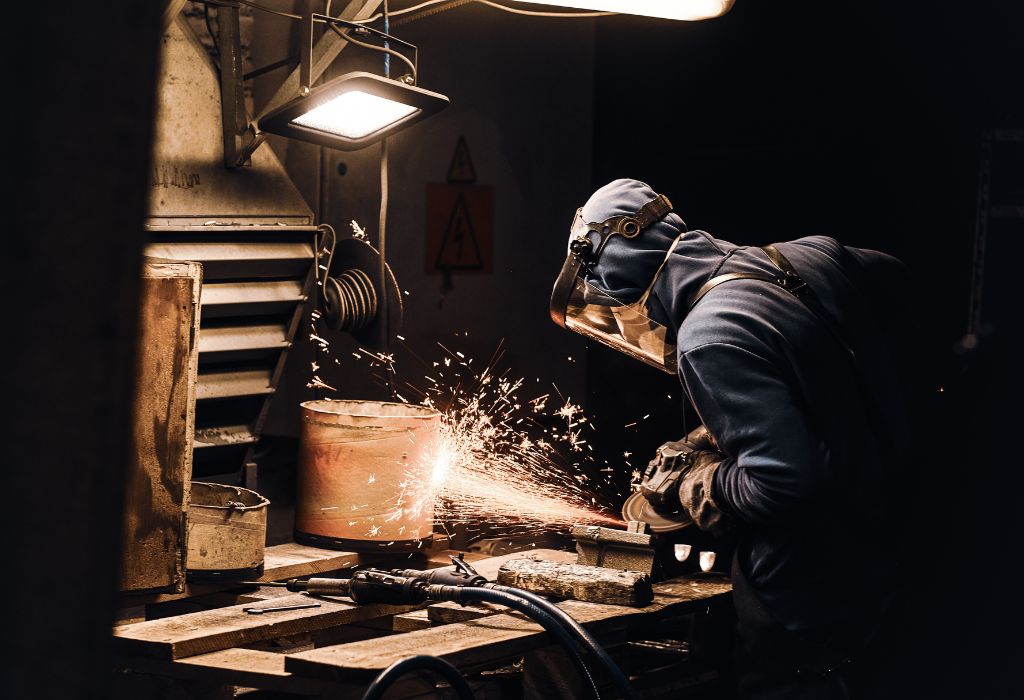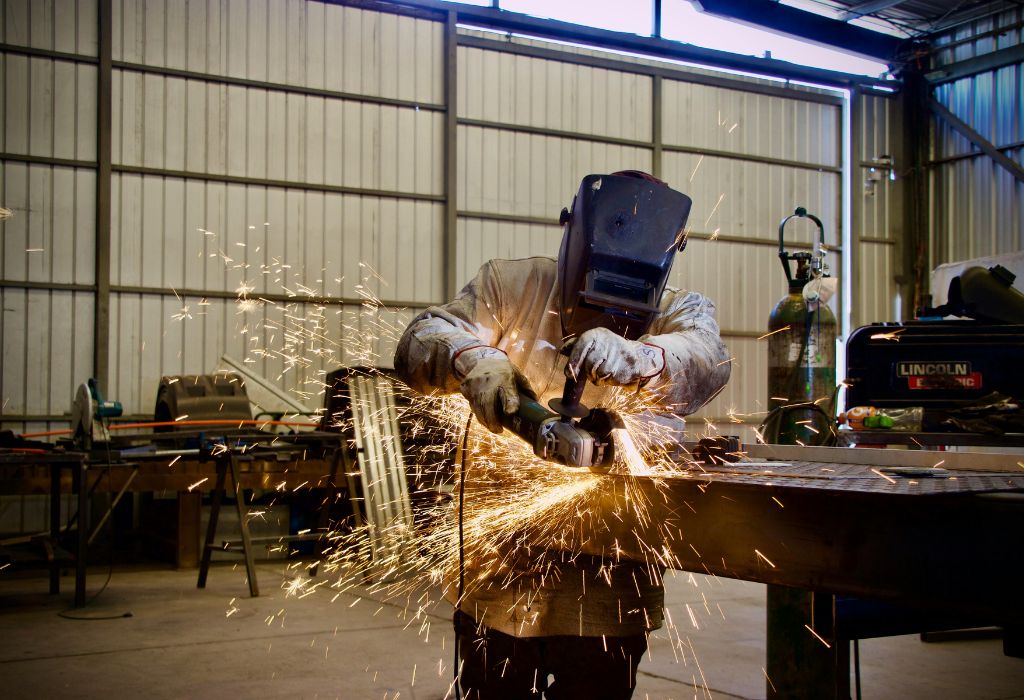
The heat rises, sparks fly, and the bright arc glows like lightning against metal. You grip the torch tighter, but suddenly feel warmth seeping through your gloves. A quick flinch, a minor sting — and you realize your gloves weren’t built for this kind of job. Every welder who’s worked long enough knows that one moment when cheap gloves fail, and the importance of material quality becomes painfully clear.
Welding gloves are more than just safety gear. They are the first line of defense between you and burns, electrical shocks, and molten metal. But not all gloves are created equal. The leather type, inner lining, and even the stitching material determine how well they protect your hands in extreme conditions.
Many new welders assume that “leather gloves” are all the same, but professional welders know better. The choice between cowhide, goatskin, or pigskin can make a huge difference in flexibility, comfort, and heat resistance. Some gloves are built for endurance, others for precision. Understanding what welding gloves are made of helps you choose the right pair for your specific welding process and environment.
In this guide, you’ll learn exactly what materials make up welding gloves, why certain leathers perform better than others, and how modern designs blend traditional craftsmanship with advanced protection. By the end, you’ll know not only what welding gloves are made of, but also why their composition matters more than most welders realize.
The Purpose and Importance of Welding Gloves
Welding exposes workers to extreme temperatures, flying sparks, and harmful radiation. The gloves you wear are designed to protect your hands from these dangers while still allowing movement and control. Without the right gloves, even a quick tack weld can cause burns or blisters.
The main goal of welding gloves is to resist heat transfer. The outer material must withstand temperatures that can easily exceed 1,000°F, while the inner lining keeps your skin comfortable and cool. They also prevent electrical shock during certain processes and protect against UV and infrared radiation.
Good gloves balance protection with dexterity. A glove that’s too thick might block heat but reduce your ability to handle welding rods or control the torch. On the other hand, thin gloves improve movement but risk exposure to heat and spatter. Finding that balance is what makes welding glove design so precise.
Safety standards, such as ANSI and EN 407, define specific heat and flame resistance levels for gloves. High-quality pairs are tested to ensure they can resist flame contact and convective heat for a specific duration. These certifications prove that the gloves can handle real welding conditions.
In short, welding gloves aren’t just accessories — they are critical safety equipment designed to match your work type, environment, and technique.
Common Materials Used in Welding Gloves
The most common materials for welding gloves are leathers derived from animal hides. Each type offers different strengths in flexibility, durability, and heat resistance.
Cowhide is the most popular choice because it’s tough and provides excellent protection against sparks and spatter. It’s ideal for heavy-duty work like MIG and stick welding, where high heat is constant.
Goatskin stands out for its softness and flexibility. It allows welders to handle small parts and perform precise movements. This makes it perfect for TIG welding, where dexterity is more important than maximum heat protection.
Pigskin is known for breathability and moisture resistance. It stays soft even after getting wet, making it a reliable option for outdoor or humid environments.
Deerskin provides a blend of comfort and durability. It’s softer than cowhide but offers decent heat resistance, great for light welding and long working hours.
Inside, most gloves are lined with cotton, fleece, or Kevlar for added comfort and insulation. Kevlar is particularly important because it resists both heat and cutting damage. Some high-end gloves also feature aluminized outer layers to reflect radiant heat.
Every material used has a purpose — to protect, insulate, and enhance the performance of the welder’s most valuable tools: their hands.
Cowhide Gloves – The Reliable All-Rounder

Cowhide has been the industry standard for decades. It’s thick, strong, and able to handle the intense heat from arc and stick welding. Cowhide gloves create a strong barrier against sparks, hot metal, and rough surfaces.
The natural grain structure of cowhide gives it excellent durability. It holds up well in high-friction work environments where gloves constantly scrape against metal and tools. This makes cowhide gloves a favorite among welders who work outdoors or in fabrication shops.
However, cowhide is not as flexible as other leathers. It can feel stiff when new, and it may take time to break in. For tasks that require fine control, such as TIG welding, cowhide might limit finger movement slightly.
In terms of cost, cowhide gloves are affordable and widely available. A good pair offers long-lasting performance, often outlasting softer leathers. For welders who value durability over sensitivity, cowhide remains the go-to option.
The heat resistance of cowhide is exceptional. It handles prolonged exposure without cracking or drying out when properly maintained. For general-purpose welding, cowhide strikes the perfect balance between protection, price, and reliability.
Goatskin Gloves – Flexibility and Dexterity
Goatskin gloves are prized for their softness and superior control. The fine grain of goatskin leather gives it a natural elasticity that makes gripping and maneuvering tools much easier. This quality is essential for TIG welding, where precision movements determine weld quality.
Unlike thicker leathers, goatskin provides a “second-skin” feel. It conforms to the hand quickly, allowing welders to manipulate thin filler rods or torch handles with precision. Because TIG welding produces lower heat levels than MIG or stick welding, goatskin offers the ideal compromise between protection and dexterity.
Goatskin is also resistant to oil and water, making it suitable for workshops or automotive applications. Despite its softness, it remains surprisingly durable when treated properly.
The main drawback is its lower heat resistance compared to cowhide or elk leather. Extended exposure to high heat may cause the material to harden over time. For this reason, goatskin gloves are best reserved for tasks that prioritize control over maximum protection.
Their lightweight comfort and smooth feel make them a favorite for welders who focus on detail-oriented work rather than heavy-duty cutting or fabrication.
Pigskin and Deerskin Gloves – Comfort Meets Performance
Pigskin gloves are popular for their breathability and ability to stay flexible after getting wet. Unlike cowhide, pigskin’s porous texture allows air circulation, keeping your hands cooler during long welding sessions.
They are perfect for outdoor work where gloves may be exposed to moisture, rain, or humidity. The natural oils in pigskin keep the leather supple even after repeated use.
Deerskin offers unmatched comfort. It’s extremely soft, conforming easily to the shape of your hands. Deerskin gloves are perfect for light-duty welding and long shifts where comfort is a top priority.
While both materials provide good flexibility, they offer less heat resistance than cowhide or elk. For high-heat processes like stick welding, they may not perform as well. However, for low to medium heat applications, they offer a great balance between comfort, durability, and affordability.
These materials are ideal for welders who value long-term comfort without compromising basic protection.
Specialty Materials – Kevlar, Aluminized Fabric, and More
Modern welding gloves go beyond leather. They now include synthetic and specialty materials designed for extreme environments.
Kevlar is a popular addition due to its resistance to cuts, flames, and heat. It’s often used in stitching because it can handle temperatures that melt regular thread. Kevlar linings add strength without increasing bulk, improving durability where gloves face the most wear.
Aluminized fabrics reflect radiant heat away from the hands, protecting against infrared exposure during high-amperage or plasma cutting work. These gloves are common in heavy industry or foundry settings where ambient heat is intense.
Some gloves combine leather with Nomex, another fire-resistant material that adds flexibility and enhances flame resistance. Others use foam or wool linings for insulation during long welding sessions in cold weather.
Each advanced material serves a specific role — improving comfort, strength, or resistance under unique welding conditions.
How Glove Construction Affects Safety and Comfort
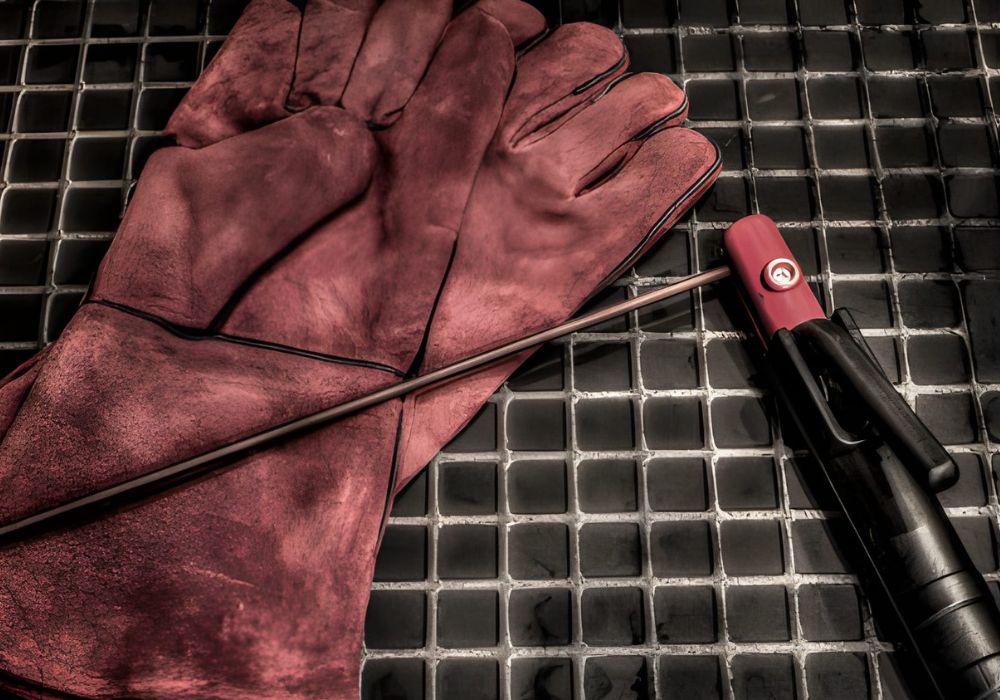
The way a glove is built matters as much as the material itself. High-quality gloves use Kevlar stitching to prevent seams from burning or unraveling during prolonged heat exposure. Poor stitching can cause gaps that let heat or sparks reach your skin.
Inner linings add insulation and comfort. Cotton linings absorb sweat, while fleece or wool keep hands warm in cold environments. Multi-layered linings increase heat protection but reduce dexterity slightly.
Cuff design is another critical detail. Extended cuffs protect the wrists and lower arms from spatter and radiant heat. Split-cuff or gauntlet styles are common in industrial welding settings.
Double-layer palms reinforce grip and extend glove life, especially for tasks that involve frequent contact with sharp or hot materials. The combination of padding and flexibility determines how comfortable gloves feel during long hours.
Good construction ensures even heat distribution, prevents fatigue, and maintains comfort even after months of use.
Choosing the Right Welding Gloves for Each Process
Different welding methods demand different glove characteristics.
MIG welding produces heavy sparks and spatter, so gloves need thick cowhide or elk leather for maximum protection. MIG gloves are usually lined with cotton or fleece to handle sustained heat.
TIG welding requires sensitivity and precision. Goatskin or deerskin gloves are best because they allow finger movement and fine control. They are thinner and more flexible than other types.
Stick welding generates extreme heat and spatter, demanding heavy-duty gloves made from cowhide or elk hide. The thick insulation and long cuffs protect against burns.
Flux-core or plasma cutting needs gloves that resist radiant heat, often featuring aluminized layers or Kevlar stitching for added safety.
Matching glove type to welding process ensures better performance, comfort, and protection for every kind of job.
Maintaining and Caring for Welding Gloves
Proper care extends the lifespan of your welding gloves and keeps them safe to use.
Always let gloves dry naturally if they get wet. Avoid placing them near direct heat sources, as this can harden or crack the leather.
Clean gloves by brushing off dirt and debris after each use. For tough stains, use a damp cloth but avoid soaking them completely. Leather conditioners help maintain softness and prevent drying out.
Store gloves in a cool, dry place away from sunlight or chemical fumes. Hanging them allows air circulation, which prevents odor buildup.
Inspect gloves regularly for damage. Torn seams, burnt fingertips, or thin spots indicate it’s time for replacement. Using damaged gloves can expose you to serious burns.
With regular maintenance, a good pair of welding gloves can last several months to a year, depending on frequency and intensity of use.
FAQ – Common Questions About Welding Glove Materials
Are all welding gloves fireproof?
No, but they are highly fire-resistant. The materials can withstand heat and sparks but should still be replaced when damaged.
What is the best leather for welding gloves?
Cowhide is best for heavy-duty welding, while goatskin offers flexibility for TIG work.
Can welding gloves be washed?
Leather gloves should not be machine washed. Wipe them gently with a damp cloth and allow them to air dry.
Why do TIG gloves feel thinner?
TIG gloves are designed for precision and flexibility, not maximum heat protection.
How long do welding gloves last?
With proper care, most quality gloves last six months to a year depending on usage.
Do all gloves have Kevlar stitching?
Not all, but professional-grade gloves usually do because it increases strength and heat resistance.
Are aluminized gloves necessary for regular welding?
Only for high-heat or reflective applications like plasma cutting or foundry work.
Can synthetic materials replace leather?
Not fully. Leather still offers unmatched durability and heat resistance, though synthetics are improving.
What’s the difference between lined and unlined gloves?
Lined gloves offer better insulation, while unlined gloves provide more dexterity.
Why do some gloves have long cuffs?
They protect wrists and forearms from sparks, molten metal, and radiant heat.
Conclusion
Welding gloves may look similar, but their materials define how well they protect and perform. From cowhide’s toughness to goatskin’s flexibility and Kevlar’s strength, each material serves a unique role in keeping welders safe.
Choosing the right gloves isn’t just about comfort — it’s about matching the material to the task. The right pair enhances safety, efficiency, and confidence in every weld.
Your hands are your most valuable tools. Protect them with gloves made from the right materials, and they’ll serve you safely through every spark, every arc, and every project you complete.

I’m Darrell Julian, the founder, lead writer, and hands-on welding enthusiast behind ArcWeldingPro.com. With more than 15 years of real-world welding experience, I created this platform to share what I’ve learned in the field, in the shop, and in the heat of the arc.