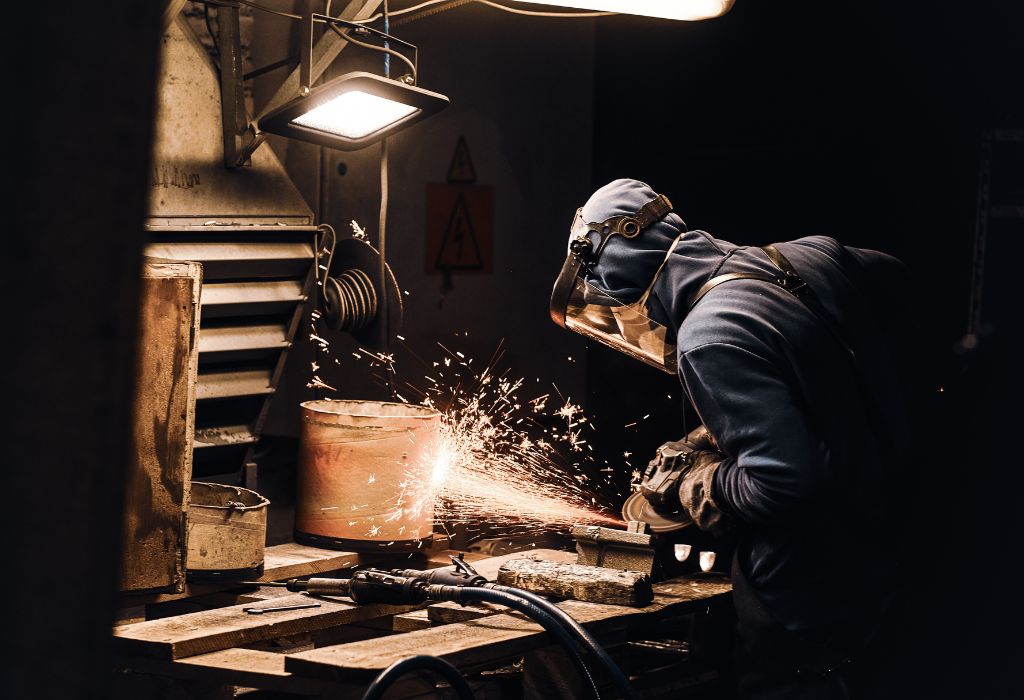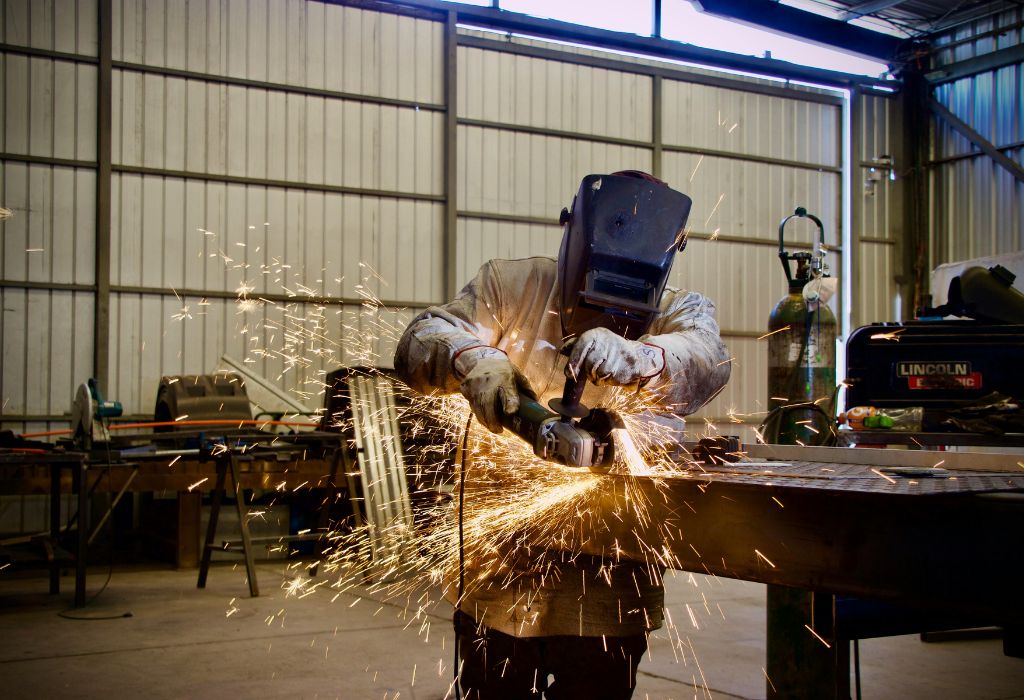
The hum of electricity fills the workshop as a welder leans in close to a glowing bead of metal. The tungsten tip sizzles, and the air smells faintly of ozone and molten steel. His hands move slowly and steadily, guiding the filler rod with surgical precision. But one thing makes all the difference — his gloves.
Ordinary leather gloves would stiffen under the heat, burn along the seams, and restrict his fingers. Yet, his TIG welding gloves feel flexible, cool, and perfectly balanced, allowing him to control every movement without fear or fatigue. That’s when you realize TIG welding isn’t just about sparks and steel — it’s about touch, precision, and protection.
Every professional TIG welder knows that gloves aren’t just safety gear; they’re an extension of the welder’s skill. Poor-quality gloves can make even experienced hands clumsy, while the right pair turns every weld into a clean, consistent masterpiece.
According to welding safety studies, nearly 40% of minor welding injuries involve hand burns or abrasions caused by improper gloves. That’s why choosing the correct type isn’t optional — it’s essential for both comfort and safety.
In this complete guide, you’ll learn exactly what TIG welding gloves are, what makes them unique, and how to choose the right ones for your next welding project.
What Are TIG Welding Gloves
TIG welding stands for Tungsten Inert Gas welding, also known as Gas Tungsten Arc Welding (GTAW). It’s one of the most precise and clean methods used to join metals like stainless steel, aluminum, and titanium. Because the process relies on a non-consumable tungsten electrode, the welder must control heat and filler material with exact hand coordination.
TIG welding gloves are specifically designed for this delicate process. Unlike thicker gloves used in MIG or stick welding, these gloves are lightweight, flexible, and allow fingertip control without sacrificing safety.
The main goal of TIG welding gloves is to protect the welder from radiant heat, sparks, and accidental contact with hot metal surfaces while maintaining fine motor movement.
They act as both a barrier and a tool — insulating the hand from heat while letting the welder manipulate filler rods and torch angles accurately.
Typically made from thin, high-quality leather, TIG gloves are designed to fit snugly like a second skin. This fit ensures that no part of the glove bunches up, slips, or interferes with finger coordination.
Even the seams are placed carefully to avoid irritating the hand or reducing flexibility during long sessions.
A pair of well-fitted TIG gloves lets you feel the weld puddle’s reaction and make micro-adjustments that define precision welding.
So, while they might look like ordinary gloves from afar, their design, materials, and craftsmanship make them a vital part of a welder’s toolkit.
Why TIG Welding Requires Special Gloves
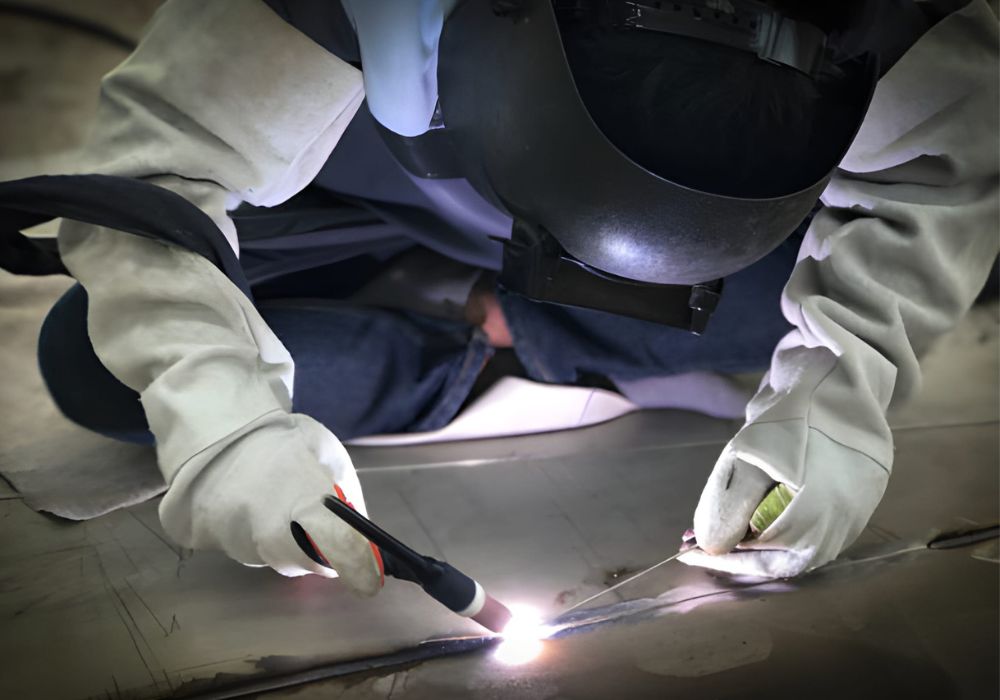
TIG welding is not like other welding methods. It demands finesse, patience, and small, deliberate hand movements. This process generates less spatter but higher radiant heat around the weld zone, which can easily burn unprotected skin.
Unlike MIG welding, where thicker gloves protect against flying sparks, TIG gloves need to allow sensitivity and dexterity. Welders often feed filler rods with one hand while holding the torch in the other, requiring full control of both.
The glove material must balance heat resistance and flexibility. Too thick, and you lose touch sensitivity. Too thin, and the glove won’t block enough heat.
Since TIG welding operates at lower amperages, there’s less heavy spatter but more radiant heat exposure over time. Gloves that trap heat or restrict ventilation can cause sweat buildup and discomfort.
That’s why manufacturers use soft leathers like goatskin or deerskin, which naturally dissipate heat while staying supple.
Well-designed gloves reduce hand fatigue during extended welding sessions. They also prevent tremors caused by excessive grip pressure on the torch.
TIG gloves feature precise stitching and smooth inner linings to prevent irritation during repetitive hand movements.
These gloves aren’t just about protection — they’re about enhancing performance. Properly fitted TIG gloves give welders the confidence to focus entirely on their craft.
In short, TIG welding demands gloves that protect without getting in the way. It’s the perfect marriage of safety and precision.
Materials Used in TIG Welding Gloves
The best TIG welding gloves are crafted from high-quality natural leathers known for their combination of softness and durability. Each material brings a different advantage to the table.
Goatskin is the most popular choice due to its natural flexibility and smooth texture. It offers an excellent balance between heat protection and fingertip control.
Deerskin provides unmatched softness, molding perfectly to the shape of the welder’s hand. It’s breathable and ideal for comfort during long hours of fine welding work.
Cowhide is thicker and more durable, used mainly in TIG gloves designed for higher heat or heavy-duty environments.
Many premium gloves include Kevlar stitching, which resists heat and tearing far better than traditional thread. This prevents seams from opening even under intense conditions.
Some models use pigskin, valued for its toughness and resistance to oil and moisture, though it’s slightly less flexible than goatskin.
The inner lining may consist of lightweight cotton or flame-resistant fleece to wick away sweat and maintain comfort.
Manufacturers also include reinforcements in high-stress areas like the thumb and palm to extend glove lifespan without reducing mobility.
Advanced gloves use hybrid designs, combining different leathers for maximum performance — soft palms for dexterity and tougher backs for protection.
Overall, the right material mix ensures safety, comfort, and control, making every welding session more productive and enjoyable.
Design Features That Make TIG Gloves Unique
TIG gloves stand apart from all other types of welding gloves because of their precision-oriented design. Every element, from fit to stitching, serves a purpose.
The leather is thinner than in MIG or stick gloves, allowing the welder to feel the filler rod and torch handle. This tactile sensitivity is critical for high-quality welds.
Many gloves include pre-curved fingers, mimicking the natural resting shape of the hand to reduce strain during long sessions.
Reinforced seams protect against wear and friction without adding unnecessary bulk. Welders can flex their hands freely while staying protected from radiant heat.
Extended cuffs cover the wrist and lower forearm, preventing burns from hot surfaces or radiant heat without restricting motion.
The interior lining keeps the glove cool, absorbing sweat and allowing air to circulate, even in high-temperature environments.
Double-layered palm patches add extra grip where welders need stability without making the glove too stiff.
Some advanced designs even feature elastic wrists or adjustable straps for a snug fit that stays secure during detailed work.
Every feature aims to combine flexibility, protection, and comfort — three things every TIG welder relies on to produce flawless results.
That’s what separates a professional TIG glove from an ordinary work glove — precision by design.
TIG vs MIG Welding Gloves – The Key Differences
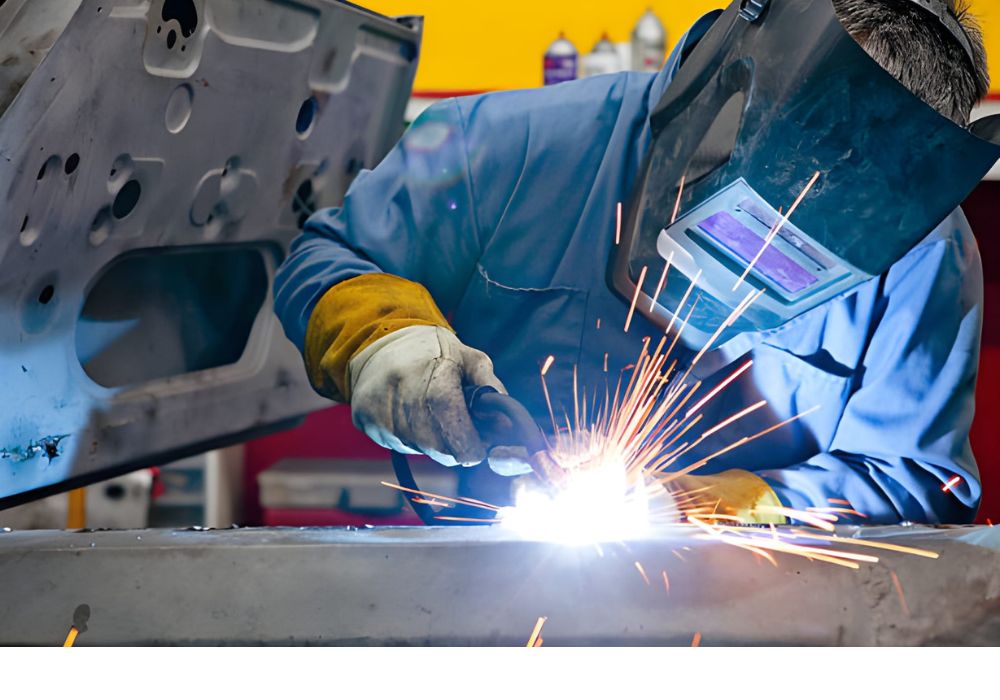
At first glance, all welding gloves might look similar, but their construction serves very different purposes. The difference between TIG and MIG gloves is all about balance between heat protection and control.
MIG gloves are thick, insulated, and heavily padded to resist sparks, molten splatter, and high heat. They protect but restrict finger movement.
TIG gloves, on the other hand, are thinner and softer, offering more freedom of movement and tactile response. They prioritize precision over extreme insulation.
MIG gloves often use cowhide or pigskin, while TIG gloves use goatskin or deerskin for a lighter touch.
TIG welding involves less spatter but more consistent heat exposure, so gloves must breathe while still resisting burns.
A MIG welder might not feel the need for finger sensitivity, but a TIG welder relies on it to control arc length, filler feed, and bead shape.
The lining and stitching also differ. TIG gloves often use heat-resistant Kevlar thread and minimal internal seams to prevent irritation.
Because TIG welders spend longer periods handling hot material, lightweight comfort becomes a top priority.
In essence, MIG gloves protect like armor, while TIG gloves perform like instruments. Each has its place, but they are not interchangeable.
How to Choose the Right TIG Welding Gloves
Choosing TIG welding gloves is about matching your work style and comfort needs. Start by considering what kind of metals you weld and for how long.
For light, detailed TIG work like stainless steel or aluminum, go for thin goatskin or deerskin gloves for maximum flexibility.
For higher-temperature jobs or longer sessions, consider cowhide or multi-layer gloves with reinforced palms.
Fit is crucial — gloves that are too loose slip and reduce control, while tight gloves restrict circulation and cause fatigue.
Try bending your fingers while wearing them. You should be able to move naturally without tension.
Check that the seams don’t rub or press into your skin. TIG work requires repetitive fine motions, and even small discomforts become big distractions.
Look for gloves with Kevlar stitching for longevity and flame resistance. They’ll last longer and stay safer under continuous heat.
A snug wrist closure helps keep debris out while maintaining stability during cuts or torch work.
Always read reviews or test grip quality before buying. A non-slip surface ensures better handling of filler rods and torches.
Lastly, never prioritize price over comfort. A well-made pair of TIG gloves is an investment in precision, safety, and endurance.
Common Mistakes Welders Make with Gloves
One common mistake is using MIG or general-purpose gloves for TIG work. These gloves limit dexterity and increase hand fatigue quickly.
Many welders ignore fit, assuming all gloves stretch over time. In reality, improper sizing causes blisters and poor control.
Some neglect glove care altogether, letting leather dry out and crack. This not only shortens lifespan but also makes gloves unsafe.
Others forget that sweat and oil affect glove texture. Without cleaning or airing them, gloves lose grip and comfort.
Wearing damaged gloves is another frequent error. Torn seams or burnt spots expose the skin to heat, risking injury.
Leaving gloves near welding arcs or sparks when not in use can cause unnoticed burns or melting.
Failing to replace gloves on time reduces performance and safety. Once stiffness or tears appear, it’s time for new ones.
Some welders also overlook the importance of breathability, leading to overheating during long sessions.
Proper glove care and selection prevent all these problems, keeping your focus on welding instead of discomfort.
Maintenance Tips for TIG Welding Gloves
Cleaning TIG gloves properly extends their life and keeps them comfortable. Always brush off dust and debris after every session.
If the gloves get dirty, use a damp cloth with mild soap to wipe them clean. Avoid soaking leather in water, as it can harden and crack when dry.
Allow gloves to air-dry naturally, away from direct heat sources. Dryers or sunlight can warp the leather’s shape and texture.
Condition the gloves occasionally with leather conditioner to maintain flexibility and softness.
Store them in a cool, dry place when not in use. Avoid sealed plastic bags, which can trap moisture and cause mildew.
Never leave gloves on a hot welding table; heat can weaken seams and damage linings.
Inspect them regularly for signs of thinning or burned spots, especially around the fingers and palms.
If stitching begins to fray, replace the gloves rather than attempting to repair them with standard thread.
With simple care, a good pair of TIG welding gloves can last months or even years under regular use.
Maintenance is not just about longevity — it ensures every weld feels as controlled and safe as the first.
FAQ – Understanding TIG Welding Gloves
What are TIG welding gloves made from?
They are usually made from goatskin, deerskin, or cowhide leather with Kevlar stitching for flexibility and heat protection.
Can you use regular leather gloves for TIG welding?
No, ordinary gloves are too thick and reduce control. TIG gloves are designed for precision and comfort.
How long do TIG gloves last?
With proper care, they can last several months to a year, depending on usage intensity.
Are TIG welding gloves fireproof?
They are heat-resistant, not fireproof. They protect from radiant heat and small sparks but not open flames.
What size TIG gloves should I wear?
Choose gloves that fit snugly but allow free movement of fingers. The glove should feel like a flexible second skin.
Do TIG gloves work for MIG welding too?
No, they are too thin for heavy MIG applications. Each type is made for its specific purpose.
Why are TIG gloves more expensive than regular gloves?
Because of premium leather, precise stitching, and ergonomic design that enhances sensitivity and comfort.
Should TIG gloves be tight or loose?
They should fit snugly without cutting circulation. Loose gloves slip, reducing precision and control.
Can I wash TIG welding gloves with water?
Avoid soaking. Instead, wipe them gently with a damp cloth and let them air dry.
Do TIG gloves prevent electric shock?
They offer some resistance but are not rated for electrical insulation. Always follow standard welding safety protocols.
Conclusion
TIG welding gloves are more than protective gear — they are precision instruments that bridge safety with performance. Every weld relies on balance, control, and comfort, and the right gloves make that possible.
Made from premium leather and designed for flexibility, they keep your hands safe while maintaining fingertip sensitivity. Investing in a good pair not only prevents burns but also enhances weld quality and endurance.
Remember, the best welders treat their gloves like tools, not accessories. They clean them, maintain them, and choose them with care.
With the right TIG welding gloves, every motion feels natural, every joint looks cleaner, and every project reflects true craftsmanship.

I’m Darrell Julian, the founder, lead writer, and hands-on welding enthusiast behind ArcWeldingPro.com. With more than 15 years of real-world welding experience, I created this platform to share what I’ve learned in the field, in the shop, and in the heat of the arc.