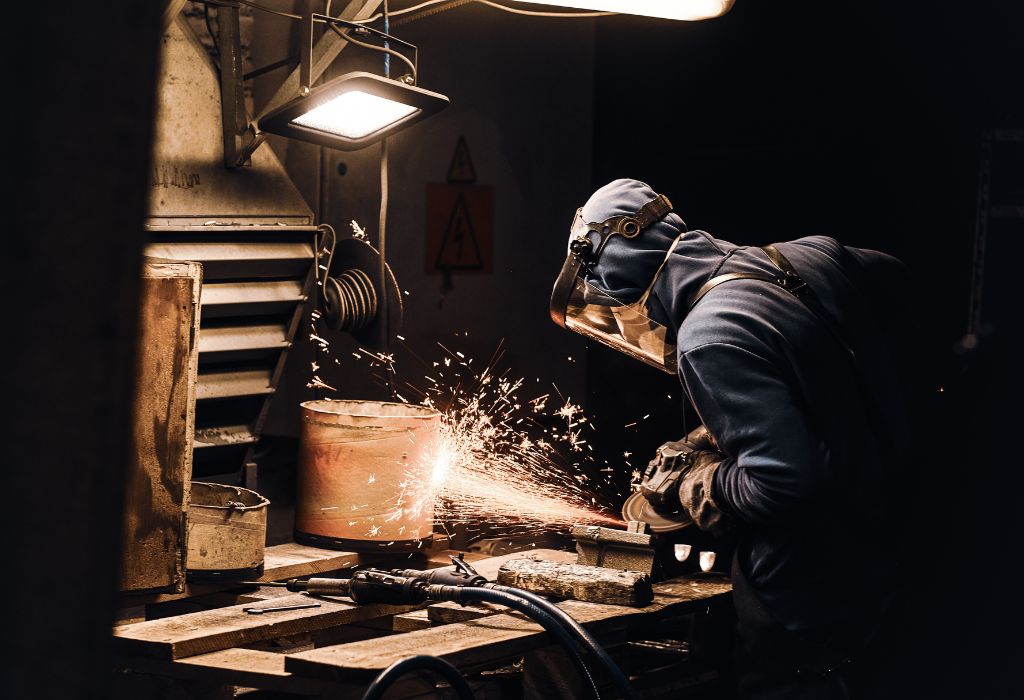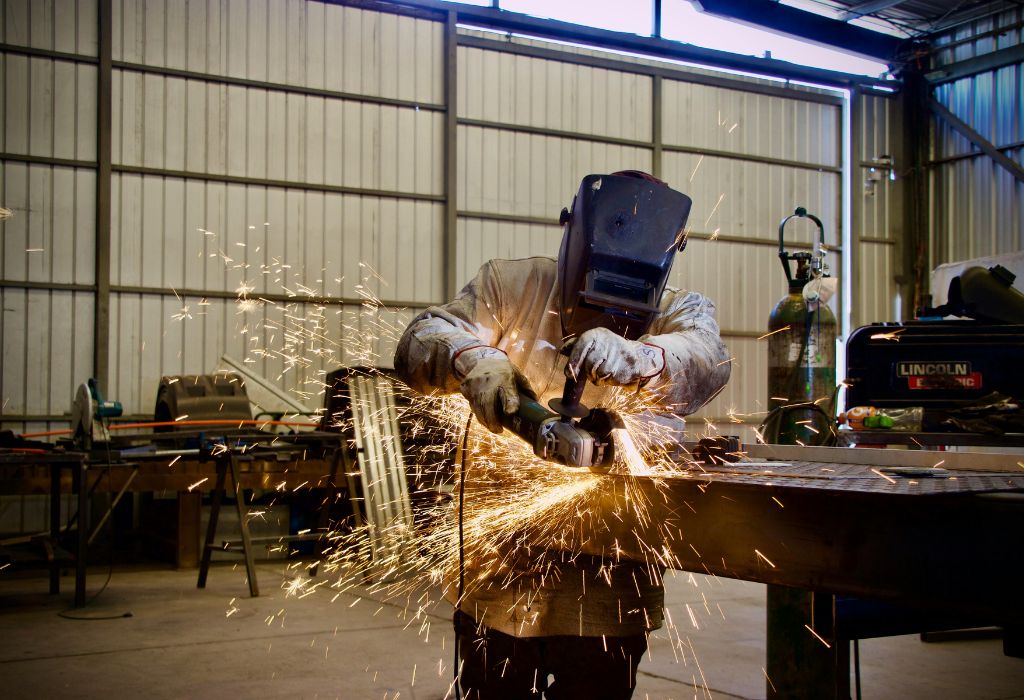
Imagine standing near a bright arc of light, sparks flying like fireflies, metal glowing orange from the heat. Your hands are the closest to that flame, steady and precise. Without protection, one spark could mean a severe burn. This is why welding gloves aren’t just accessories—they are your shield in the workshop.
Many beginners wonder what welding gloves are actually called. Are they just “gloves,” or do they have specific names and classifications? In the world of welding, the type of glove you use depends on the technique, heat level, and material. Choosing the right one isn’t about style—it’s about survival.
According to the American Welding Society, over 30% of welding-related injuries involve burns to the hands or wrists. That’s why gloves aren’t optional—they’re essential. In this guide, we’ll break down what welding gloves are called, the materials they’re made from, their specific types, and why each one exists for a reason.
By the end, you’ll understand not just the name but also the purpose, design, and differences that define the world of welding gloves.
What Are Welding Gloves Actually Called
Welding gloves are often referred to simply as welders’ gloves or protective welding gauntlets. The term “gauntlet” describes the extended cuff that covers part of the forearm, protecting welders from heat, sparks, and metal splatter.
In professional circles, they may also be categorized by welding process—such as MIG gloves, TIG gloves, or Stick welding gloves. Each name indicates a specific type of glove designed for a particular technique.
While general-purpose work gloves may be made from cotton or synthetic blends, welding gloves are typically made from leather or advanced heat-resistant materials. Their unique name reflects their purpose—to shield hands from extreme heat and mechanical risks while maintaining control and comfort.
Different Types of Welding Gloves
Not all welding gloves are created equal. Each type is designed to meet the demands of a specific welding process. The main categories are TIG, MIG, and Stick welding gloves.
TIG Welding Gloves are thin, flexible, and made for precision. They’re usually crafted from goat or deerskin, allowing welders to manipulate filler rods with accuracy. Despite their lightness, they provide enough heat resistance for low to moderate temperatures.
MIG Welding Gloves balance flexibility and heat protection. They’re thicker than TIG gloves and often made from cowhide or pigskin. These gloves have moderate insulation, making them ideal for medium-heat applications.
Stick Welding Gloves are the heavy-duty champions. Made from split cowhide or elk leather, they’re thick, long, and highly insulated. Stick welding produces intense heat and sparks, so these gloves prioritize protection over dexterity.
Each glove type has its own design focus, from tactile control to heat endurance. Knowing which one you need depends on the process you perform most often.
Materials Used in Welding Gloves
The secret behind welding glove strength lies in its material. Leather remains the most trusted option because of its natural resistance to heat, flame, and abrasion.
Cowhide is the most common. It’s durable, firm, and affordable, offering strong heat protection and longevity.
Goatskin is soft and supple, making it perfect for TIG gloves where dexterity matters most.
Deerskin combines comfort with flexibility, resisting stiffening after exposure to heat.
Pigskin offers breathability and water resistance, suitable for both indoor and outdoor welding.
Elk and Horsehide are premium choices for heavy-duty tasks. They resist high temperatures and remain soft even under heat exposure.
Some modern gloves also include Kevlar stitching, which adds fireproof strength to seams. This feature prevents unraveling or melting during high-heat contact.
Understanding materials helps you choose gloves that match your balance of comfort, flexibility, and safety.
Design Features That Define Welding Gloves
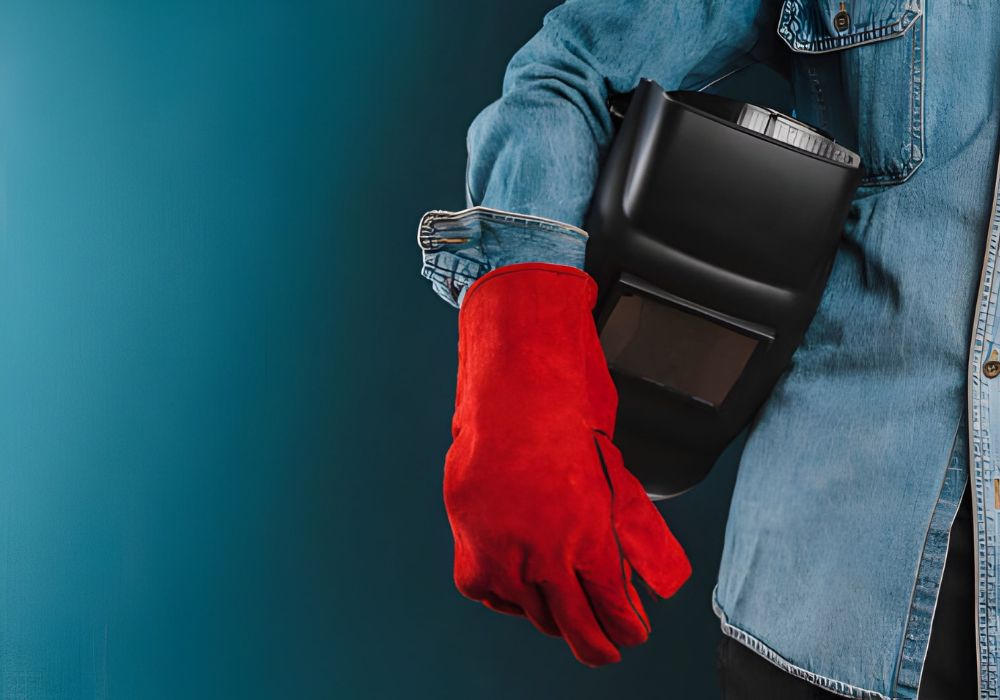
A good welding glove is more than just thick leather—it’s a combination of layers, stitching, and ergonomic design.
Most gloves include a gauntlet cuff extending several inches past the wrist to protect forearms from sparks. This is where the term “welding gauntlet” originates.
Lining materials vary depending on heat requirements. Cotton fleece, foam, or wool provide insulation, while some modern gloves use heat-reflective aluminum layers for maximum protection.
Seam positioning is intentional—manufacturers avoid placing seams where heat or friction is highest to prevent burns.
Reinforced palm and thumb patches are common in MIG and Stick gloves, where the grip must endure more heat and pressure.
Elastic wrist bands or straps improve fit and prevent debris from entering the glove.
These design features make welding gloves both protective and practical, allowing you to work safely without sacrificing performance.
How Welding Gloves Protect You from Hazards
Welding is one of the hottest trades, literally. A welding arc can reach temperatures above 6,000°F, and sparks can fly in every direction. Without gloves, a single mistake could cause burns within seconds.
Welding gloves serve as a heat barrier, dispersing temperature before it reaches the skin. The thick leather and inner lining trap air pockets that act as insulation.
They also protect against electrical shocks, especially in arc welding, where moisture and metal contact are constant risks. Insulated gloves help prevent accidental current flow through the body.
The extended cuffs prevent radiant heat burns and shield the wrists from flying slag.
Another key role is mechanical protection—guarding against sharp metal edges, tools, and accidental drops. In professional shops, gloves are part of a full personal protective equipment (PPE) system.
Simply put, welding gloves are your first line of defense against multiple workplace dangers.
Specialized Welding Gloves and Their Uses
Some welding environments demand specialized gloves beyond the standard TIG, MIG, or Stick types.
Aluminized gloves have reflective surfaces designed to deflect radiant heat. They’re often used in foundries or for plasma cutting where temperature levels are extreme.
Cut-resistant gloves incorporate Kevlar or stainless-steel mesh fibers to protect against sharp metal edges.
Hybrid gloves mix features from different styles—for example, TIG palms with Stick-level cuffs—to create all-purpose protection for multi-process welders.
High-dexterity gloves are designed for detailed welding or fabrication work. These models combine thin materials with heat-resistant layers for comfort and control.
Choosing the right type depends on your workspace, process, and comfort preference.
How to Care for and Maintain Welding Gloves
Proper glove maintenance extends their life and keeps you safe. Dirt, oil, and slag buildup reduce heat resistance and flexibility.
Always let gloves cool completely before cleaning. Wipe them with a damp cloth to remove soot or metal dust. Avoid soaking leather gloves in water—it stiffens and cracks the surface.
For deeper cleaning, use specialized leather cleaner or saddle soap. Let them air dry naturally away from sunlight or heaters.
Conditioning the leather every few weeks restores softness and prevents cracking. Products made for leather boots or jackets work well.
Never store gloves when they’re wet or dirty. Keep them in a cool, dry space to maintain shape and integrity.
Well-maintained gloves perform better and save money over time, reducing the need for frequent replacements.
Common Mistakes When Choosing Welding Gloves
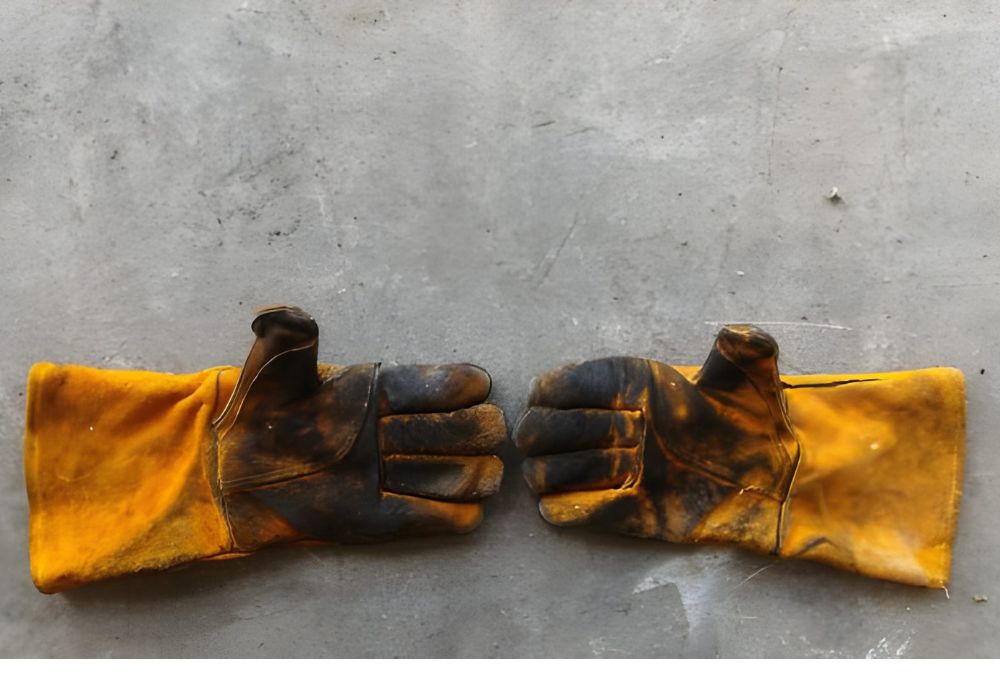
Many welders make the mistake of choosing gloves based only on price. Cheap gloves may save money short-term but fail quickly under heat.
Another common error is using the wrong glove type. Wearing thick Stick gloves during TIG welding reduces control and increases fatigue.
Neglecting proper fit also causes issues. Loose gloves can slip, while tight ones restrict hand movement. Both situations lead to unsafe handling.
Some users ignore material quality, buying synthetic or low-grade leather that melts or stiffens under heat. Always look for gloves made from full-grain or split leather.
Lastly, skipping maintenance shortens glove lifespan. Regular cleaning and conditioning ensure long-term protection and flexibility.
FAQ – Common Questions About Welding Gloves
What are welding gloves called?
They’re commonly called welding gauntlets or welder’s gloves, designed specifically for heat and spark protection.
Are welding gloves made of leather?
Yes, most are made from heat-resistant leathers like cowhide, goatskin, or deerskin.
What’s the difference between TIG and MIG gloves?
TIG gloves are thinner for precision, while MIG gloves are thicker for heat resistance.
Can welding gloves protect against electric shock?
They offer limited protection due to insulation but are not rated as electrical gloves.
How long do welding gloves last?
With proper care, quality gloves can last several months to a year depending on usage frequency.
Why are some gloves aluminized?
Aluminized gloves reflect radiant heat, offering extra protection during plasma or heavy arc welding.
Can I wash welding gloves in a machine?
No, machine washing damages leather. Always clean manually with a damp cloth.
Do color or design affect performance?
Not really. Protection depends on material, stitching, and thickness rather than color.
Should I use the same gloves for cutting and welding?
It’s better to use specific gloves for each task, as cutting gloves prioritize dexterity over heat resistance.
What size welding gloves should I buy?
Choose a snug fit that allows free finger movement. Most brands offer sizing charts for accuracy.
Conclusion
Welding gloves go by many names—welder’s gloves, welding gauntlets, or process-specific titles like MIG and TIG gloves—but they all serve one purpose: to protect your hands from the heat, sparks, and hazards of metalwork.
Understanding their design, materials, and differences helps you choose wisely for your specific job. Whether you’re a beginner or an experienced welder, the right pair of gloves can mean the difference between comfort and injury.
So next time someone asks, “What are welding gloves called?” you’ll know the answer—and more importantly, you’ll know why they’re a vital part of every welder’s gear.

I’m Darrell Julian, the founder, lead writer, and hands-on welding enthusiast behind ArcWeldingPro.com. With more than 15 years of real-world welding experience, I created this platform to share what I’ve learned in the field, in the shop, and in the heat of the arc.