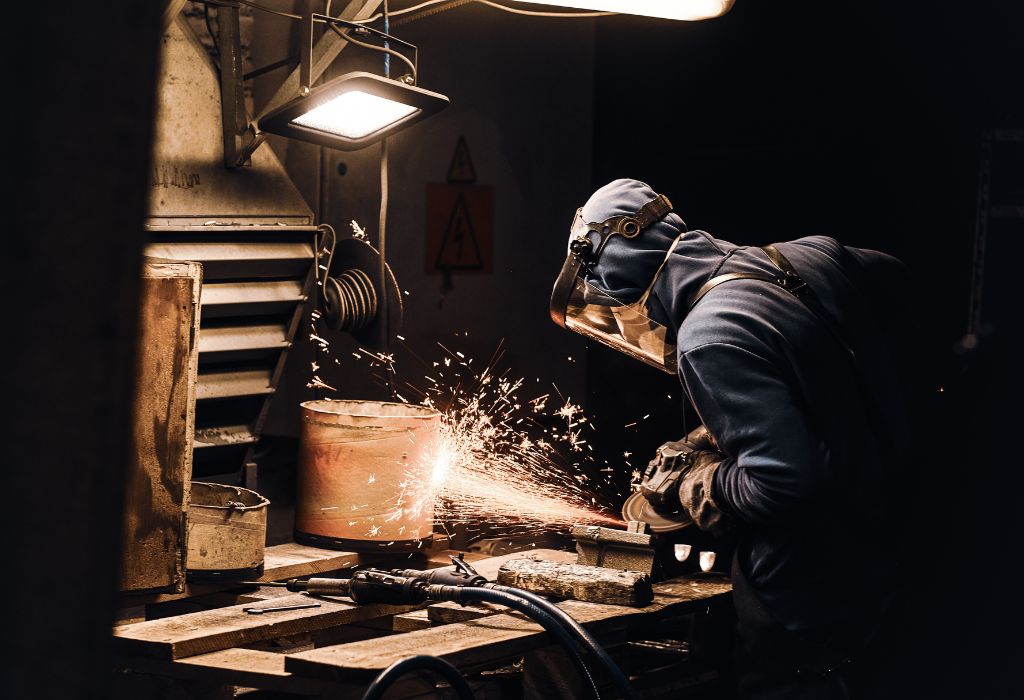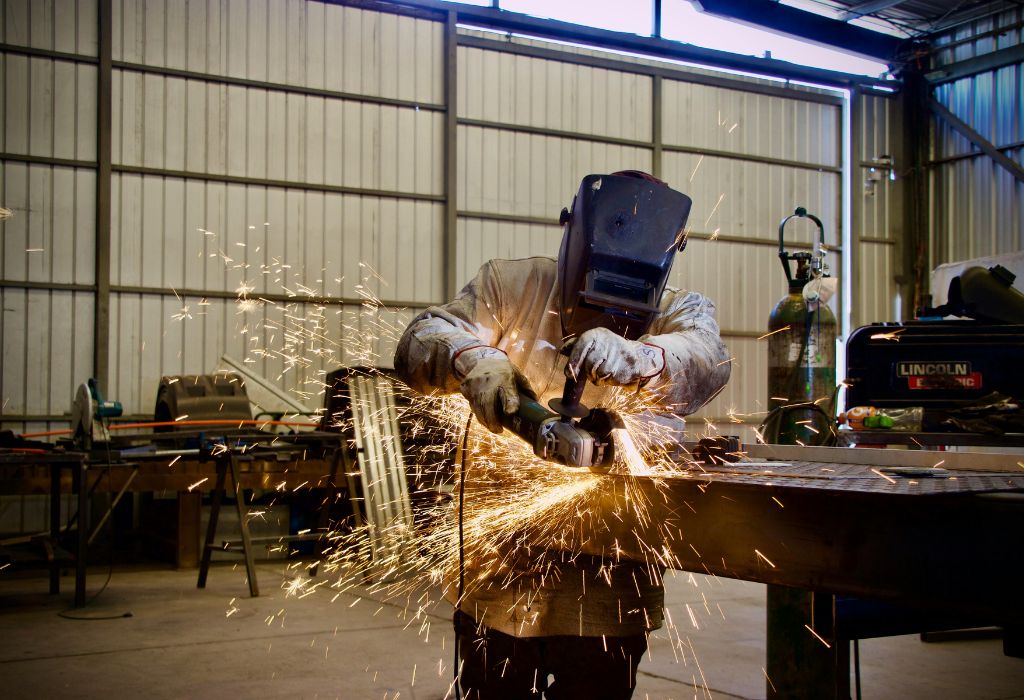
The moment the arc strikes, the heat flashes brighter than daylight, sparks fly, and molten metal drips with intensity. Every welder knows that their hands are just inches away from danger. In that moment, nothing matters more than the gloves you’re wearing. The right pair of welding gloves isn’t just about comfort — it’s about safety, control, and confidence.
Imagine working on a metal joint and feeling the heat seeping through your gloves. You pause, adjust your grip, and realize that your gloves are not protecting you enough. That split second of discomfort can lead to burns, poor welds, or worse. Choosing the best welding gloves ensures you can focus on the weld, not the fire.
Every welding process — MIG, TIG, or Stick — produces different heat levels and requires different flexibility. A glove that’s perfect for TIG welding might fail in MIG or Stick welding. Understanding these differences helps you pick the right glove for your craft.
According to industry data, more than 30% of welding-related injuries involve hand burns or cuts caused by poor-quality or worn-out gloves. That’s why professionals always invest in high-grade materials, solid stitching, and reliable protection.
In this guide, you’ll learn exactly what makes a welding glove great, the best materials for each welding type, and which brands welders around the world trust the most. By the end, you’ll know how to protect your hands like a pro and improve every weld with precision and comfort.
Why Welding Gloves Matter
Welding gloves are the first line of defense against extreme heat, sparks, and molten metal. Without proper protection, even a momentary exposure can cause severe burns. Good gloves provide insulation while still allowing enough movement to manipulate tools and filler rods.
Beyond safety, they also improve grip and control. A firm, stable grip ensures steady weld lines and reduces fatigue. Over time, poor-fitting gloves can lead to muscle strain or accidental slips that ruin the quality of your work.
The best welding gloves combine three elements: protection, comfort, and dexterity. Achieving all three requires the right materials, design, and manufacturing quality. Whether you’re welding for an hour or an entire day, the gloves must maintain flexibility while withstanding intense conditions.
Different Welding Types Require Different Gloves
Every welding technique creates unique working conditions. Selecting gloves based on your welding type ensures optimal performance and comfort.
TIG Welding:
TIG (Tungsten Inert Gas) welding requires precision and delicate hand control. The gloves must be lightweight and flexible to handle filler rods accurately. Goatskin and deerskin are excellent for TIG gloves because they’re soft, pliable, and allow tactile feedback.
MIG Welding:
MIG (Metal Inert Gas) welding generates more heat and sparks than TIG. You’ll need medium-thickness gloves that balance dexterity with protection. Cowhide and pigskin gloves are ideal since they provide durability and resistance to high temperatures.
Stick Welding:
Stick welding produces the most heat and spatter. Heavy-duty gloves made from elk or split cowhide leather are best suited for this type. They offer maximum insulation and extended cuffs to protect the forearms from spatter and radiant heat.
Matching the right glove to your welding style prevents discomfort, improves accuracy, and extends glove life.
Best Materials for Welding Gloves
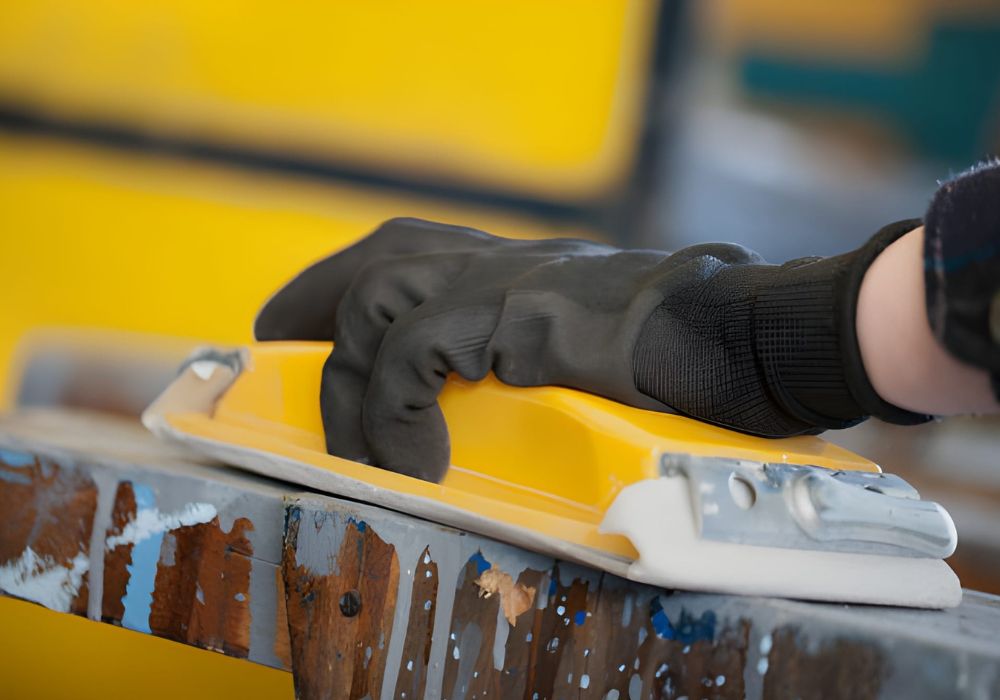
Leather remains the top choice for welding gloves because it naturally resists heat and abrasion. However, not all leathers are created equal.
Goatskin: Known for softness and flexibility. Perfect for TIG welding where control matters most.
Cowhide: Offers durability and heat resistance, ideal for MIG and Stick welding. It’s thicker and long-lasting.
Elk Skin: Soft, tough, and highly resistant to heat. Popular among professional Stick welders for comfort under extreme conditions.
Deerskin: Extremely flexible with a snug fit, great for fine welding tasks that demand precision.
Pigskin: Strong, breathable, and maintains flexibility even after getting wet. A great all-around choice for MIG welding.
In addition to leather, the inner lining plays a key role. Cotton or foam linings add comfort, while Kevlar stitching ensures seams don’t melt or split under heat.
Top 5 Welding Gloves for Professionals
1. Tillman 850L MIG/Stick Welding Gloves
Made from top-grain cowhide with reinforced thumbs and Kevlar stitching. Known for durability and long cuff design. Great for heavy-duty work and consistent performance.
2. Lincoln Electric Traditional MIG/Stick Gloves
Feature heat-resistant leather with soft cotton lining for comfort. They’re excellent for extended welding sessions, offering both flexibility and protection.
3. Caiman 1878-5 Stick Welding Gloves
Crafted from elk skin for extreme heat resistance and comfort. The pre-curved design reduces fatigue during long welding jobs.
4. Miller TIG Gloves (Goatskin)
Perfect for TIG welders who need precision. The thin goatskin leather provides great tactile sensitivity without sacrificing safety.
5. Revco Black Stallion MIG Gloves
Made from split cowhide with flame-resistant cotton lining. The reinforced palm ensures a firm grip and long life, even in tough environments.
Each of these gloves is widely trusted by professional welders for their balance between protection, comfort, and durability.
Features That Define High-Quality Welding Gloves
Premium welding gloves always stand out through thoughtful design details. Kevlar stitching is standard in quality gloves since it resists high temperatures without breaking. Reinforced palms extend lifespan and improve grip on tools.
Long cuffs are essential for protecting forearms from sparks and spatter. Many gloves extend up to 16 inches for full coverage.
Fit and flexibility also matter. A snug glove improves movement control, while too tight a fit restricts blood flow and causes discomfort. The right glove should feel natural and move with your hand.
Lastly, the glove’s internal comfort layer is critical. Lined interiors absorb sweat and reduce friction, making it easier to weld longer without irritation.
Safety and Maintenance Tips for Welding Gloves
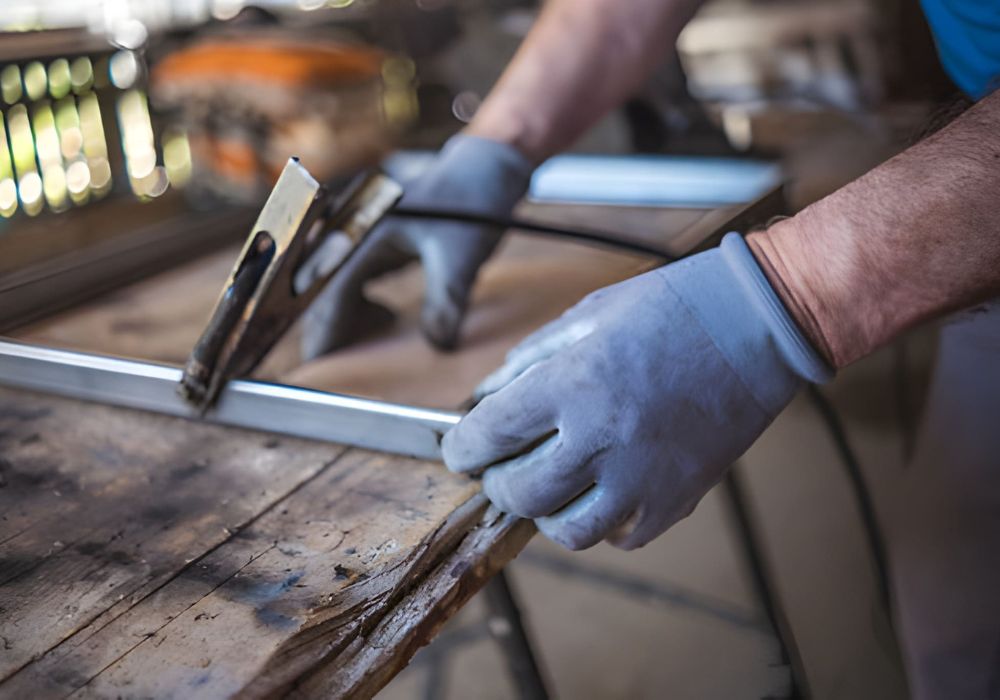
Even the best gloves lose effectiveness without proper care. Cleaning regularly removes spatter and debris that can weaken the leather.
Avoid soaking leather gloves in water, as it hardens and cracks once dried. Instead, use a damp cloth and mild soap to wipe away dirt. Always let gloves air dry at room temperature.
Inspect them frequently for holes, burns, or loose stitching. Small damages can quickly worsen and compromise protection.
Storing gloves in a cool, dry place extends their lifespan. Avoid keeping them near open flames or direct sunlight, which can dry out the leather.
Remember — gloves are personal protective equipment, not just accessories. Taking care of them means taking care of your hands.
FAQ – Common Questions About Welding Gloves
What are the best gloves for TIG welding?
Goatskin or deerskin gloves are best for TIG because they’re soft, flexible, and allow precision handling.
Are welding gloves heatproof?
They are heat-resistant, not fully heatproof. Always avoid direct contact with molten metal.
How often should welding gloves be replaced?
Replace gloves once they show burn marks, holes, or reduced insulation. Frequent users may need new pairs every few months.
Can I wash welding gloves?
You can gently wipe them, but soaking or machine washing damages leather. Air dry only.
Do all welding gloves use Kevlar stitching?
High-quality gloves usually do, as Kevlar thread resists heat far better than cotton or nylon.
Conclusion
Welding gloves aren’t just another piece of gear — they’re the barrier between you and hundreds of degrees of heat. The best gloves combine protection, flexibility, and durability to keep your hands safe and your work precise.
Choose goatskin or deerskin for delicate TIG work, cowhide or pigskin for versatile MIG welding, and elk skin for heavy-duty Stick welding. Match your glove to your task, care for it properly, and it will protect you through every spark and flame.
In the end, the right welding gloves give you more than safety. They give you confidence, control, and the ability to focus entirely on your craft — one perfect weld at a time.

I’m Darrell Julian, the founder, lead writer, and hands-on welding enthusiast behind ArcWeldingPro.com. With more than 15 years of real-world welding experience, I created this platform to share what I’ve learned in the field, in the shop, and in the heat of the arc.