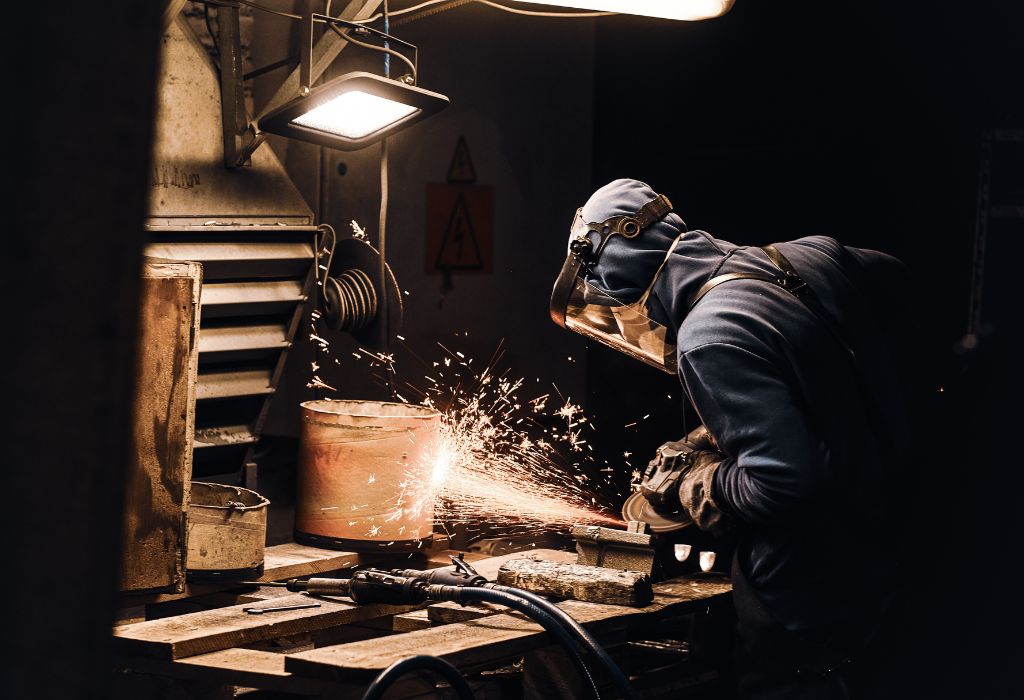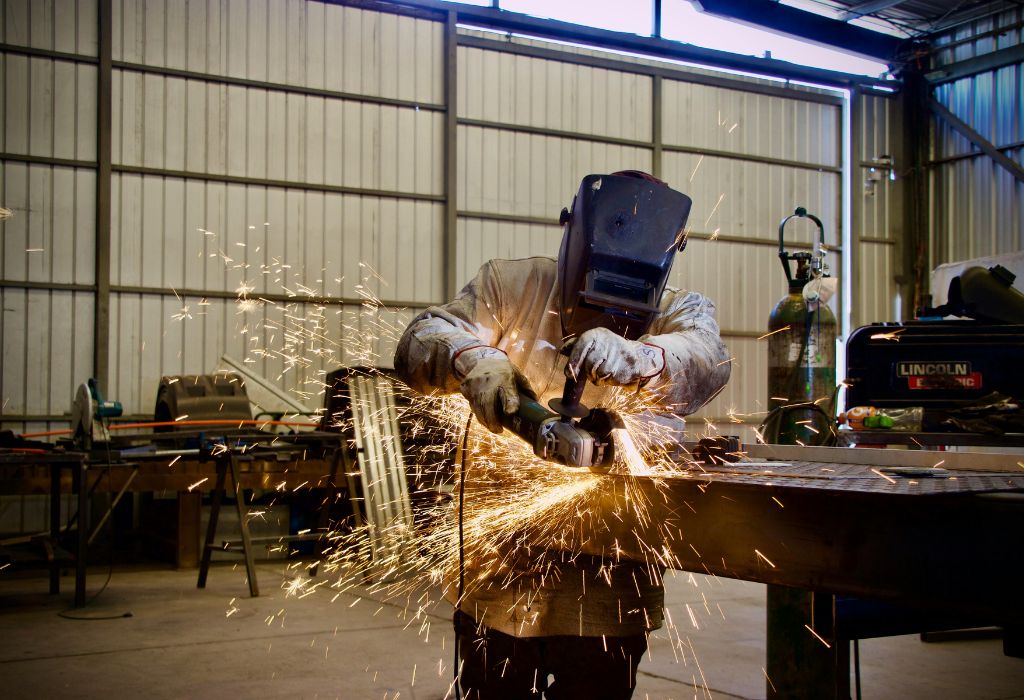
Imagine standing close to a welding arc as molten metal sizzles and sparks dance around you. The heat feels intense, even from a distance, and yet welders manage to work safely for hours.
Their secret? A reliable pair of welding gloves. But have you ever wondered whether those gloves are truly heat resistant — or just thick pieces of leather that delay the burn?
In this guide, we’ll uncover the science behind welding glove heat resistance, explore the materials that make them work, and help you choose the right pair for your welding type. Because when it comes to protecting your hands, knowing the limits of your gear can make all the difference.
Why Welding Gloves Must Be Heat Resistant
Welding is a high-temperature process where heat, sparks, and molten metal are constant threats. The average welding arc reaches up to 6,500°F (3,600°C), and while gloves don’t touch that directly, they must endure extreme radiant and conductive heat.
Without heat-resistant gloves, even a few seconds of exposure can cause burns, nerve damage, or permanent scarring. The gloves act as a thermal barrier that absorbs and disperses heat before it reaches your skin.
They also protect from UV and infrared radiation, flying debris, and accidental contact with hot metal parts. In short, they’re not just for comfort — they’re your first line of defense in a fire zone.
What Makes Welding Gloves Heat Resistant
The secret behind welding gloves lies in their materials and construction. Let’s break down what each component does.
Leather:
High-quality leather is the most common choice because it’s naturally resistant to heat and abrasion. Cowhide, goatskin, elk, and deerskin each have unique qualities. Cowhide offers durability, goatskin provides flexibility, and elk handles intense heat well.
Kevlar Stitching:
The thread that holds gloves together must also withstand heat. Kevlar can resist up to 800°F (427°C) and adds extra strength to the seams, preventing burns through weak points.
Insulated Liners:
Layers of cotton, foam, or fleece inside the glove act as insulation. They trap air, reducing heat transfer and improving comfort during long welding sessions.
Heat-Reflective Surfaces:
Some heavy-duty gloves feature aluminized backs that reflect radiant heat. This design is especially useful in industrial settings or high-amp welding environments.
Temperature Limits of Welding Gloves
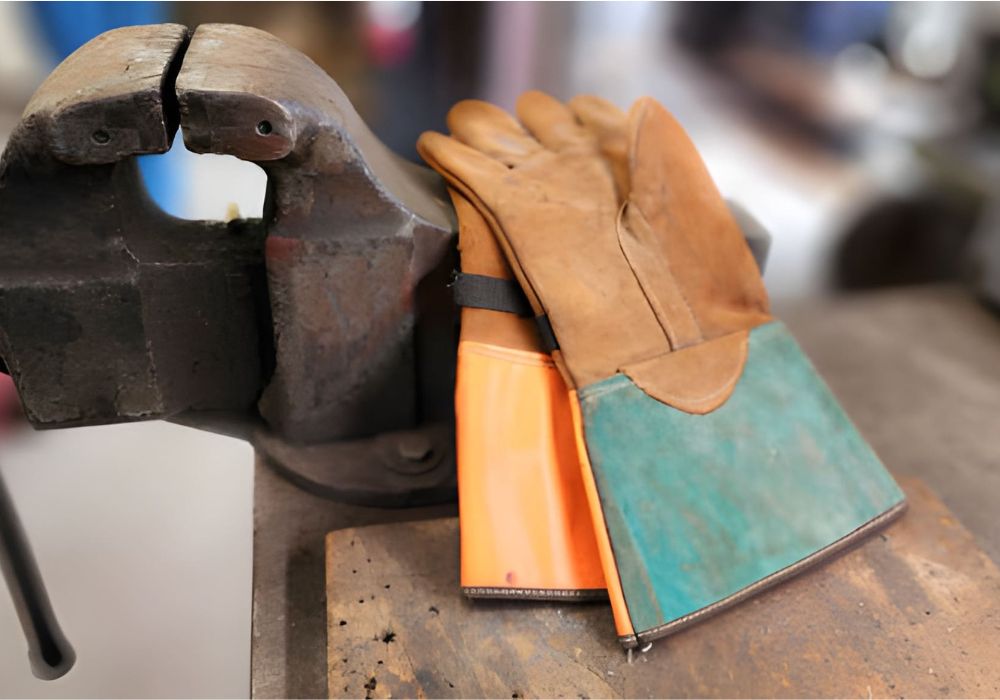
Different welding types expose your hands to different levels of heat. Here’s how they compare:
TIG Welding:
TIG welding demands precision, not bulk. Gloves for this type are thin and flexible, resisting moderate radiant heat — typically up to 200°C (392°F).
MIG Welding:
MIG welding involves more spatter and higher arc heat. Gloves here handle 250–400°C (480–750°F) comfortably, providing a balance between dexterity and insulation.
Stick Welding:
Stick welding generates intense heat and spatter. Gloves designed for this type can resist up to 500°C (932°F) for short periods, offering the highest protection among all styles.
No glove is completely “heat-proof.” Instead, they’re heat resistant for specific durations — enough to keep your hands safe during normal welding conditions.
Heat Resistant vs Heat Proof: The Real Difference
Many beginners confuse “heat resistant” with “heat proof.” The distinction is critical for safety.
Heat-resistant gloves can handle high temperatures for limited periods. They protect from sparks, radiant heat, and brief contact with hot surfaces.
Heat-proof gloves, on the other hand, would never transmit heat — and those don’t exist. Even the best welding gloves will start to feel warm or uncomfortable after prolonged exposure.
Understanding this difference prevents accidents and helps you know when to replace or rest your gloves.
How to Choose the Right Welding Gloves
The right glove depends on your welding process, working conditions, and comfort needs.
For TIG Welding:
Use thin goatskin gloves for maximum dexterity and fingertip sensitivity. They’re perfect for precision work and controlling filler rods.
For MIG Welding:
Choose mid-weight cowhide or deerskin gloves with cotton liners. They provide solid protection while allowing hand flexibility.
For Stick Welding:
Go for thick split-leather gloves with extended cuffs and reinforced stitching. They’re bulkier but essential for handling heavy spatter and slag.
Also, look for gloves with EN 407 or ANSI-rated heat protection to ensure tested performance under high-heat environments.
Caring for Welding Gloves to Maintain Heat Resistance
Proper maintenance extends both comfort and safety. Heat, grime, and metal residue can weaken leather and stitching over time.
Clean gloves gently with a damp cloth — never soak them in water. Water stiffens leather and breaks down protective oils.
After each session, allow gloves to air dry naturally. Avoid placing them near direct flames or heaters, as that can cause hardening or cracking.
Store them in a cool, dry place to prevent mold and maintain flexibility. Regular care ensures consistent insulation and a longer lifespan.
Common Mistakes Welders Make with Heat-Resistant Gloves
Even seasoned welders sometimes misuse their gloves without realizing it.
One common mistake is using synthetic gloves not rated for welding. These materials can melt quickly under heat.
Another error is overusing worn-out gloves. Once the surface leather thins or stitches loosen, insulation drops dramatically.
Lastly, many welders forget to match glove types with their welding process, sacrificing safety for convenience. Always choose purpose-built gloves for maximum protection.
Signs Your Welding Gloves Need Replacement

If your gloves show any of these signs, it’s time for a new pair:
- Burn marks or darkened leather areas
- Holes or exposed inner linings
- Stiff, brittle, or cracked material
- Noticeable heat transfer during work
Replacing gloves before they fail keeps your hands protected and prevents workplace injuries.
Frequently Asked Questions
Are all welding gloves heat resistant?
Most are, but the resistance level varies based on materials and construction. Always check manufacturer specs.
Can welding gloves catch fire?
High-quality leather gloves rarely ignite. However, if exposed to direct flame for long, they can char.
What temperature can welding gloves handle?
Most handle between 200°C and 500°C (392°F–932°F) depending on type and lining.
Can I use welding gloves for grilling or metal casting?
Yes, as long as they’re leather and undamaged. Many people use old gloves for high-heat household tasks.
How long do welding gloves last?
With regular use, good gloves last 3–6 months before insulation wears down. Occasional users may get up to a year.
Do I need special gloves for TIG welding?
Yes. TIG gloves are thinner for control, while MIG or stick gloves are thicker for heat and spatter protection.
Can heat pass through gloves over time?
Yes. Even the best gloves allow gradual heat transfer after extended exposure. Take breaks during long welds.
Are welding gloves waterproof?
Not usually. Wet gloves transfer heat faster and can become stiff. Always keep them dry.
Do heat-resistant gloves protect from electricity?
Standard welding gloves provide limited electrical resistance. For live circuits, use insulated gloves rated for voltage.
How do I know if my gloves meet safety standards?
Look for ANSI/ISEA or EN 407 markings — they confirm your gloves were tested for thermal protection.
Conclusion
So, are welding gloves heat resistant? Absolutely — but within limits. They’re crafted from durable, heat-tolerant materials that shield your hands from sparks, spatter, and radiant heat, giving you confidence to work safely.
However, no glove is invincible. Understanding the materials, usage limits, and proper care helps you maintain protection every time you strike an arc.
Invest in quality gloves, keep them clean, and replace them when worn. Because in welding, safety isn’t optional — it’s built one glove at a time.

I’m Darrell Julian, the founder, lead writer, and hands-on welding enthusiast behind ArcWeldingPro.com. With more than 15 years of real-world welding experience, I created this platform to share what I’ve learned in the field, in the shop, and in the heat of the arc.