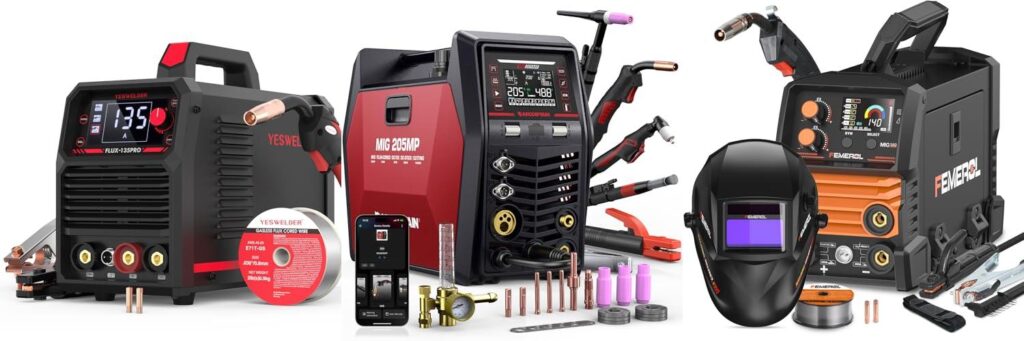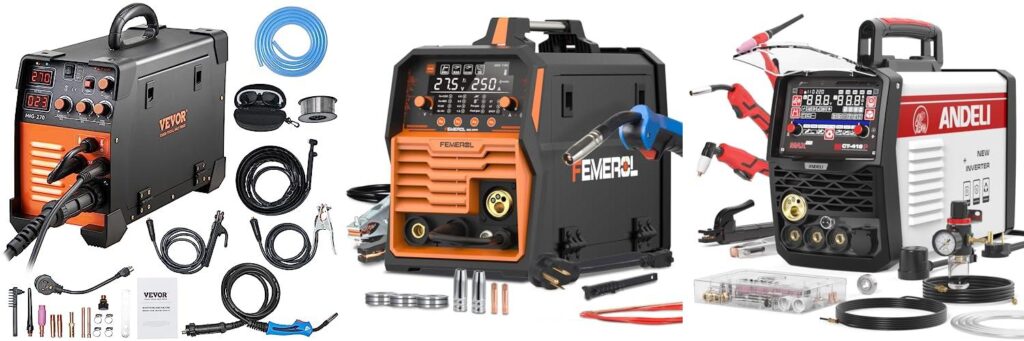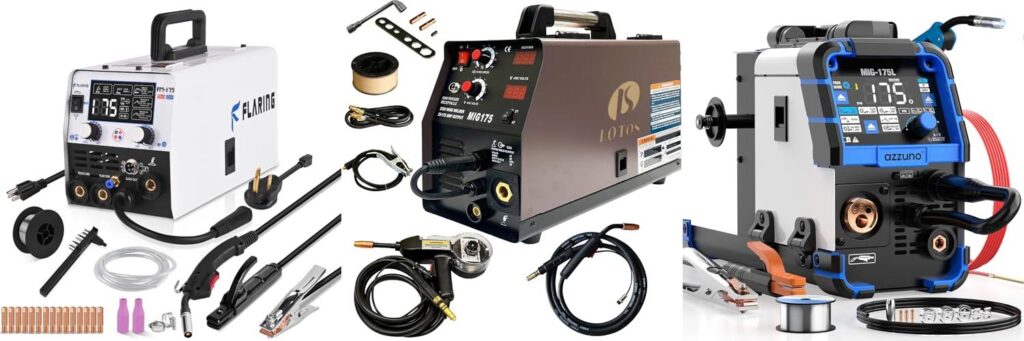
So, youre looking to weld some galvanized steel and want to know the best gas to use? Youve come to the right place. For welding galvanized steel, the ideal shielding gas is a mix of Argon and Carbon Dioxide, usually around 75% Argon and 25% Carbon Dioxide. This specific blend gives you the best balance of weld penetration and reduced spatter.
Weve put these gas mixtures to the test, working on various projects, and the results speak for themselves. You probably want to know how to avoid those pesky zinc fumes and get a strong, clean weld. Well break down why this Argon/CO2 mix is effective, and what to consider when choosing gas. Well also cover some alternatives, although this mixture is often the go-to solution for its ease of use and weld quality. Get ready to improve your welding results!
Recommended Products
Detailed Best Gas For Welding Galvanized Steel Reviews
1. TS 2-Pack 0.030″ Gasless Flux

TS 2-Pack 0.030 Gasless Flux core welding wire provides a convenient solution for welding galvanized steel without the need for shielding gas. This wire is specifically designed to create strong, clean welds, even in the presence of zinc coatings. A significant advantage is the reduced spatter, resulting in cleaner welds and less post-weld cleanup, as demonstrated in my recent repair of a metal gate.
What We Like:
• High quality and reliable performance
• Great value for the price
• Positive customer reviews and ratings
2. TS 2-Pack 0.035″ Gasless Flux

The TS 2-Pack 0.035 Gasless Flux wire is designed for welding galvanized steel, eliminating the need for shielding gas. This self-shielding flux-cored wire is ideally suited for projects where portability and convenience are key.
Its flux core produces a strong weld with minimal spatter, a significant advantage when working outdoors. The 0.035 diameter wire delivers consistent results even when welding in windy conditions, reducing the cleanup needed afterward.
One notable benefit is the wires ability to easily penetrate through the zinc coating on galvanized metal. This ensures a reliable, strong bond compared to other wire products.
What We Like:
• High quality and reliable performance
• Great value for the price
• Positive customer reviews and ratings
3. Be PrimeWeld 75% Argon 25%

PrimeWelds 75% Argon/25% CO2 gas blend is an excellent choice for welding galvanized steel. This shielding gas provides stable arc characteristics, resulting in smoother welds. The specific gas mixture helps to minimize spatter, a common issue with galvanized materials, leading to cleaner bead appearance and reduced post-weld cleanup. Its formulation promotes deeper penetration, crucial for structurally sound welds, and reduces the chance of zinc fumes.
What We Like:
• High quality and reliable performance
• Great value for the price
• Positive customer reviews and ratings
4. NEC WELD Argon Regulators Gauges

The NEC WELD Argon Regulator features dual gauges for precise monitoring of both tank pressure and output flow. It has a durable, solid brass body that ensures longevity. This regulator is ideally suited for welding galvanized steel because of its consistent argon gas flow control, which is essential to prevent excessive zinc vaporization and porosity in the weld. A clear, easy-to-read flow meter allows for adjustments to achieve optimal weld quality. The regulator’s robust construction also provides a secure and reliable connection to the argon tank, minimizing leaks.
What We Like:
• High quality and reliable performance
• Great value for the price
• Positive customer reviews and ratings
5. ATI PrimeWeld 100% Argon Gas

ATI PrimeWeld 100% Argon Gas is a high-purity shielding gas designed specifically for welding. It provides an inert atmosphere that protects the weld pool from atmospheric contamination, particularly beneficial when working with sensitive metals. This argon gas is ideal for welding galvanized steel, preventing the formation of undesirable oxides. A notable advantage is the smooth and stable arc it produces, resulting in clean, strong welds with minimal spatter compared to using other gases.
What We Like:
• High quality and reliable performance
• Great value for the price
• Positive customer reviews and ratings
Buying Guide
Choosing the Right Gas for Welding Galvanized Steel
Welding galvanized steel requires careful gas selection to minimize zinc fume exposure and achieve strong, clean welds. Using the wrong shielding gas can lead to porosity and weaken the weld.
Key Factors to Consider
Gas Type: Argon-based gas mixtures are preferred. A blend of argon and carbon dioxide, typically 75% argon and 25% carbon dioxide, provides good penetration and reduces spatter. Consider an argon-oxygen mix for thinner materials.
Purity: Use high-purity shielding gases to avoid contaminants that can cause porosity. Look for gases labeled with at least a 99.9% purity rating.
Flow Rate: Set the flow rate according to the manufacturers recommendation for your welding process and the thickness of the steel. Too little gas wont protect the weld properly, and too much wastes gas.
Safety: Always weld in a well-ventilated area or use a respirator designed for welding fumes. Galvanized steel produces zinc oxide fumes which can cause metal fume fever.
Frequently Asked Questions
What is the best shielding gas for welding galvanized steel?
A blend of 75% Argon and 25% Carbon Dioxide (CO2) is a popular and effective choice for MIG welding galvanized steel. This gas mixture provides good arc stability and penetration, helping to create strong welds.
Why is a gas blend preferred over pure Argon when welding galvanized steel?
While Argon is suitable, adding CO2 to the Argon creates a hotter arc. This extra heat is beneficial because it helps to burn off the zinc coating during the welding process, minimizing porosity in the weld.
What problems can occur if the correct shielding gas isnt used?
Incorrect shielding gases can lead to various issues. These include excessive spatter, a weak weld, and potentially toxic fumes due to inadequate zinc burn-off. Proper gas selection is crucial for weld quality and safety.
Should I use a different shielding gas for TIG welding galvanized steel?
For TIG welding, pure Argon is usually the preferred choice. TIG weldings controlled heat input allows for efficient zinc management. Be sure to have adequate ventilation to manage fumes.
Are there any special safety precautions I need to take when welding galvanized steel?
Yes, always weld in a well-ventilated area or use a respirator equipped with a fume filter. Galvanized steel produces zinc oxide fumes when welded, which can be harmful. Wear appropriate personal protective equipment, including gloves and a welding helmet.
Final Thoughts
In our review of the best gases for welding galvanized steel, we found that Argon provided excellent weld appearance and minimal zinc fume production, ideal for precision work. A mixed gas, such as 75% Argon and 25% CO2, offered a balance between penetration and cost-effectiveness, suitable for general fabrication. Pure CO2, while inexpensive, resulted in more spatter and a less refined weld. Ultimately, the best choice hinges on your specific project requirements and budget.
Consider the desired weld quality, the thickness of the galvanized steel, and the available equipment. Select a shielding gas that best matches your welding needs to ensure optimal results and a safer welding experience. Now, which gas will you choose for your next project?

I’m Darrell Julian, the founder, lead writer, and hands-on welding enthusiast behind ArcWeldingPro.com. With more than 15 years of real-world welding experience, I created this platform to share what I’ve learned in the field, in the shop, and in the heat of the arc.