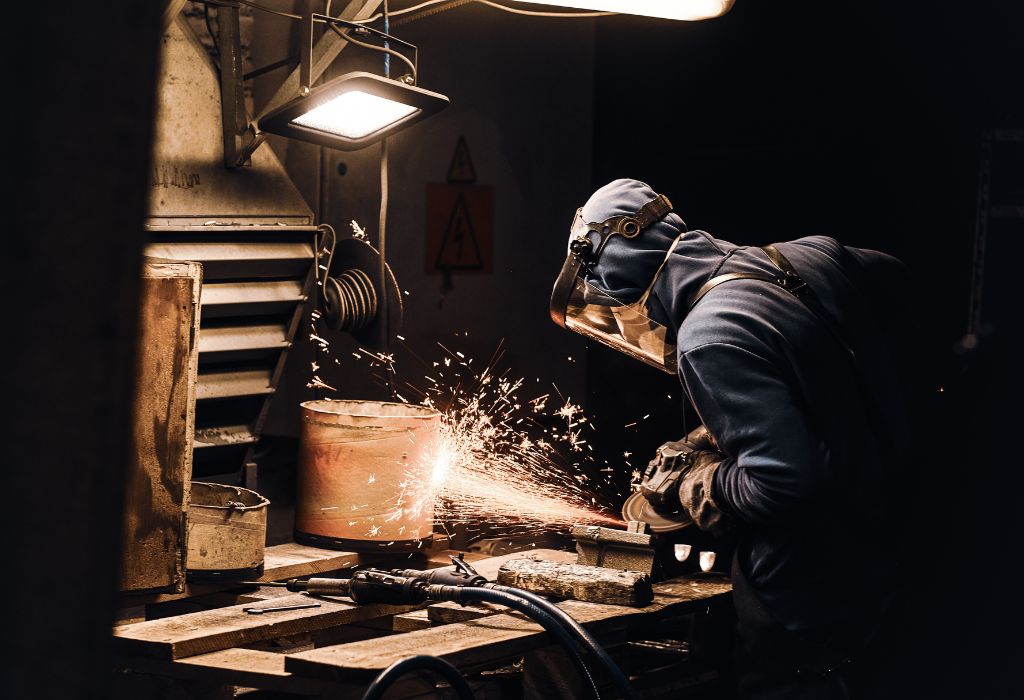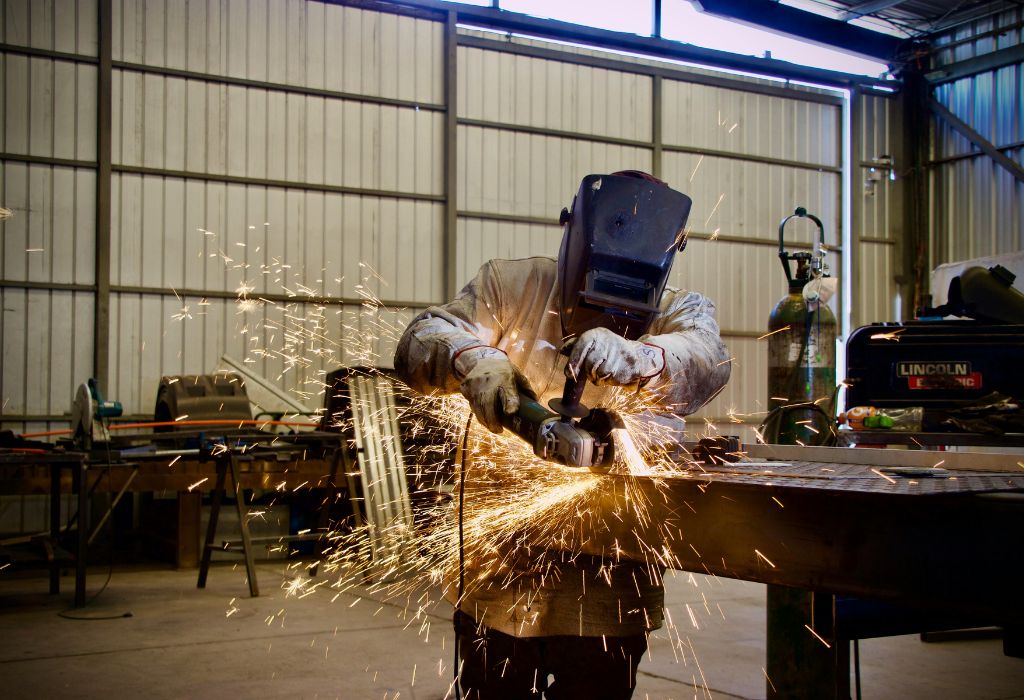
Imagine you’re welding in a tight workshop when a cable suddenly brushes your wrist. You feel a light tingle and wonder — are these thick leather gloves enough to stop an electric shock?
Many welders believe that their gloves provide full electrical protection. The truth, however, is more complex. Welding gloves are designed mainly for heat, sparks, and abrasion, not for electrical insulation.
Still, they offer partial resistance depending on their material, condition, and environment. In this article, we’ll explore how much insulation welding gloves actually provide, the science behind it, and what you can do to stay safe while working around live circuits.
Understanding the Purpose of Welding Gloves
Welding gloves serve a crucial role in shielding your hands from radiant heat, hot metal, and spatter. They are made of materials that withstand extreme temperatures and harsh mechanical impact.
Common leathers include cowhide, goatskin, elk, deerskin, and pigskin. Each type balances flexibility, heat resistance, and comfort differently. Cowhide and elk provide toughness, while goatskin gives more dexterity for TIG work.
Many gloves also feature inner linings of cotton, fleece, or Kevlar to improve thermal comfort. These layers insulate against heat but are not engineered to resist high voltage.
Over time, exposure to sweat, moisture, and metal dust can further degrade the glove’s non-conductive properties. That’s why understanding their limits is key to electrical safety.
Do Welding Gloves Protect Against Electricity?
In simple terms — no, welding gloves are not fully electrically insulated. They can resist minor current under dry conditions, but that protection fades fast when the gloves get damp or contaminated.
Leather is naturally resistant to electricity when dry because it lacks free ions for conduction. However, it becomes conductive when wet, absorbing sweat and water that carry current easily.
So, while welding gloves may offer some level of resistance, they should never be considered a reliable barrier against electric shock. Their primary protection lies in thermal resistance, not electrical safety.
If your welding setup involves potential contact with live circuits or faulty cables, you need additional certified insulation layers.
The Science Behind Electrical Insulation

Electric current always seeks the easiest path to ground. A glove’s ability to block or slow this current depends on its resistivity — how much it opposes the flow of electrons.
Leather fibers contain natural oils and air pockets, which provide partial resistance. But moisture drastically reduces this resistivity, allowing current to travel through easily.
In contrast, true electrical-insulating gloves made from rubber, latex, or synthetic polymers undergo strict testing to meet ASTM D120 or IEC 60903 standards. These are designed to withstand specific voltage levels safely.
That means your standard welding glove, even if thick and high-quality, can’t guarantee insulation against electrical shock hazards.
Types of Welding Gloves and Their Electrical Resistance
1. MIG Welding Gloves:
MIG gloves are thick and heat-resistant, typically made from cowhide or goatskin. They handle moderate current but aren’t rated for electrical insulation.
2. TIG Welding Gloves:
TIG gloves are thinner to allow precise finger movement. They offer less heat and electrical protection because of their flexible design.
3. Stick Welding Gloves:
Stick welding involves high amperage, so these gloves have the most padding and insulation. They protect well from sparks and heat but are not voltage-rated.
4. Aluminized or Specialty Gloves:
These reflect radiant heat efficiently. They protect from extreme temperatures but contain metal fibers, which can actually increase electrical conductivity.
In all cases, no welding glove qualifies as a true “electrical glove” unless it includes a dielectric layer.
How Moisture and Contamination Affect Insulation
The environment plays a huge role in electrical safety. Even the best leather glove loses resistance once it absorbs water, sweat, or oil.
Moisture creates a bridge for electricity to pass through easily, making the glove a poor insulator. Similarly, metal dust or grease buildup on the glove’s surface can conduct electricity directly.
Before welding, always check your gloves for dampness, oil stains, or metallic debris. Replace or dry them completely if needed.
Regular cleaning and storage in a dry, ventilated space help maintain whatever minimal electrical resistance they originally offered.
Welding Glove Safety Standards
Welding gloves are tested under strict guidelines — but none for electricity. Common standards include:
- EN 12477: Specifies protective requirements for welding gloves.
- EN 407: Measures heat and flame resistance.
- ANSI/ISEA 105: Evaluates cut and puncture resistance.
However, none of these cover dielectric strength or voltage resistance. For electrical protection, only ASTM D120 (Class 00 to 4) or IEC 60903 apply.
That’s why professionals working near energized circuits often layer rubber electrical gloves under their welding gloves.
Layering: The Right Way to Stay Safe
To work safely around both heat and electricity, wear rubber insulating gloves underneath your leather welding gloves.
The rubber glove provides the electrical barrier, while the outer leather glove protects it from heat and puncture. This double-layer approach ensures safety without compromising dexterity.
Make sure the inner glove’s class matches your voltage exposure level. After every use, inspect both pairs for cracks, cuts, or brittleness before storing them properly.
Best Safety Practices for Welders
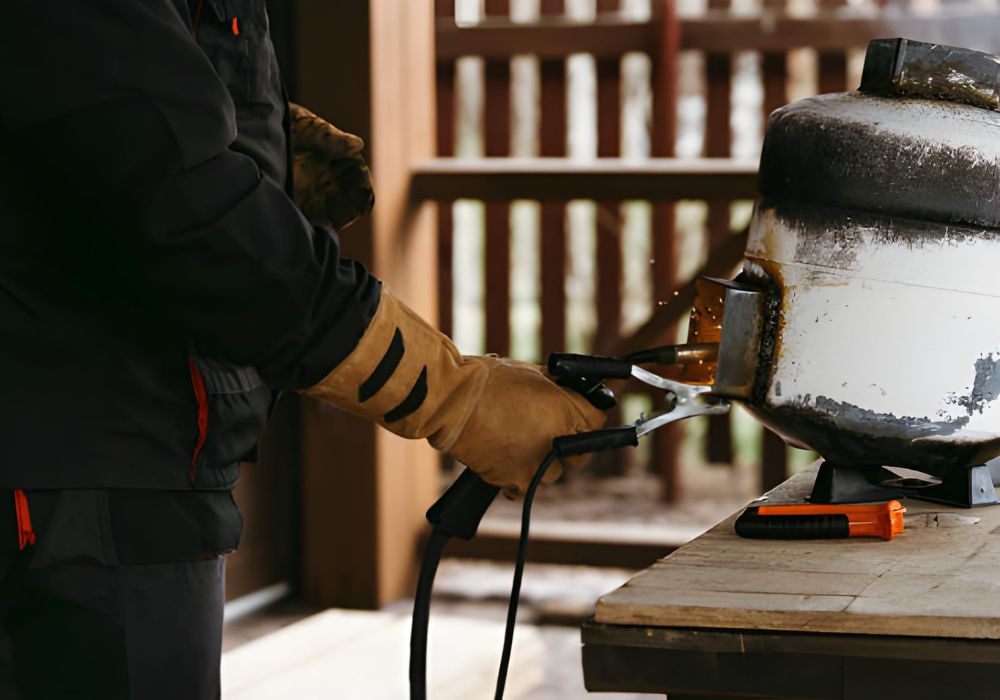
- Inspect cables regularly — replace frayed or cracked ones immediately.
- Avoid wet areas — water and electricity are a deadly mix.
- Keep gloves dry and clean at all times.
- Use insulated mats or rubber-soled boots to add another barrier.
- Ensure proper grounding of the workpiece and welding machine.
- Never touch electrode holders or live metal with bare or damp gloves.
Even minor negligence can cause electric burns or severe injury.
Frequently Asked Questions
Are welding gloves electrically insulated?
No. They resist minor current when dry but are not rated for electrical insulation.
Can leather stop electric shock?
Only if dry and clean — once wet, leather becomes conductive.
Which gloves are safe for electrical work?
Only dielectric rubber gloves tested under ASTM D120 or IEC 60903 standards.
Can I wear rubber gloves under welding gloves?
Yes, that’s the recommended way for dual protection from heat and electricity.
Are TIG gloves more dangerous near electricity?
Yes. Their thin construction offers little resistance to current.
Do welding gloves lose insulation over time?
Yes, heat, moisture, and wear reduce resistance quickly.
Can I weld in rainy or humid conditions?
Avoid it. Moisture drastically increases electrical risk.
Are there metal fibers in some gloves?
Yes. Some aluminized gloves have conductive fibers, which can transmit current.
What should I do if I feel a mild shock while welding?
Stop immediately, inspect your cables and grounding, and replace damaged gloves.
Do certification labels guarantee electrical safety?
No. Welding glove certifications cover heat and mechanical resistance, not electrical insulation.
Conclusion
Welding gloves are essential for protection against heat, sparks, and abrasions — but they are not electrically insulated. Their leather composition offers limited resistance that disappears once the gloves get wet or dirty.
If your work involves any chance of electrical exposure, always pair your welding gloves with certified dielectric rubber gloves. Keep your gear dry, your cables grounded, and your hands safe.
Remember: you can’t see electricity, but you can prevent its danger with the right precautions every time you weld.

I’m Darrell Julian, the founder, lead writer, and hands-on welding enthusiast behind ArcWeldingPro.com. With more than 15 years of real-world welding experience, I created this platform to share what I’ve learned in the field, in the shop, and in the heat of the arc.