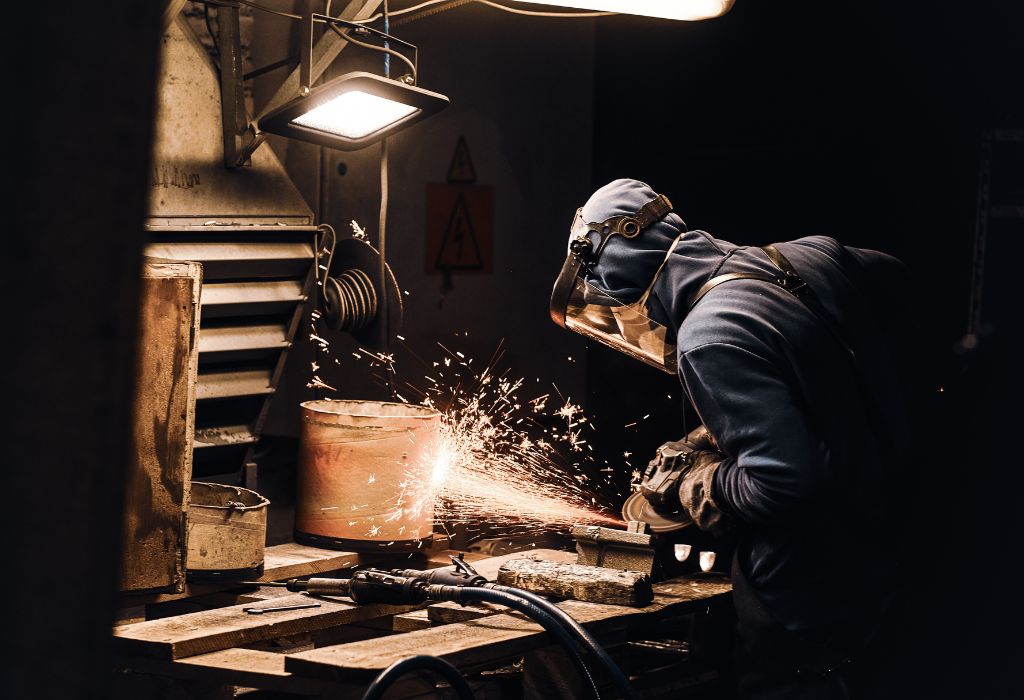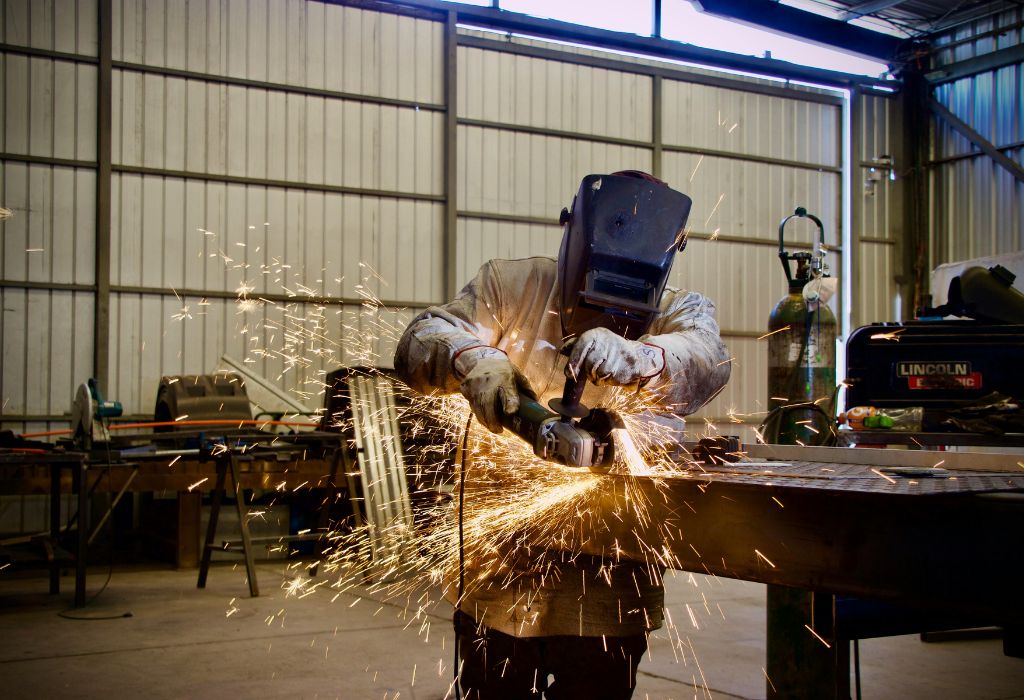
You’re standing in your workshop, sparks flying as molten metal glows under your torch. The heat is intense, but your hands feel protected — wrapped in thick leather gloves that seem indestructible. Then a spark lands on your wrist, and for a brief second, you feel the sting of heat. You suddenly wonder, are these gloves truly fireproof?
Every welder relies on their gloves as the first line of defense against burns, sparks, and high temperatures. But the truth is, no welding glove is 100% fireproof. Instead, they’re heat and flame-resistant, meaning they can handle extreme heat for limited durations before damage occurs.
In this article, we’ll explore what “fireproof” really means, the science behind welding glove materials, how much heat they can take, and how to choose the right pair for your welding style. You’ll also learn the proper care steps to extend their lifespan and maintain top-level protection every time you weld.
What Does “Fireproof” Actually Mean in Welding
Many welders assume “fireproof” means complete immunity to flames or heat. However, in scientific terms, “fireproof” refers to materials that do not burn or melt under any condition — and such materials are rare in personal protective gear.
Welding gloves are actually flame-resistant, not fireproof. They can withstand short exposure to sparks, radiant heat, and spatter without igniting, but they will eventually degrade under prolonged exposure.
The design focuses on time-based protection — giving you a few vital seconds to react, drop the torch, or move your hands away from danger. This distinction matters because even the best gloves need proper use and maintenance to stay safe.
Materials Used in Welding Gloves and Their Fire Resistance
The strength of a welding glove depends on its material composition. Most gloves are made from leather, which offers natural flame resistance and durability.
Cowhide is the most common choice, valued for its toughness and ability to resist abrasion. It handles high heat well, making it ideal for stick and MIG welding.
Goatskin and deerskin gloves are thinner and softer, providing flexibility and tactile control — perfect for TIG welding, where precision matters more than raw heat protection.
To increase durability, gloves often use Kevlar stitching, capable of withstanding up to 800°F (427°C). Kevlar fibers don’t melt easily, maintaining integrity under sparks and radiant heat.
Some high-end gloves include aluminized backs or reinforced palms, which reflect radiant heat away and add an extra barrier against molten spatter.
This combination of thick leather and advanced stitching gives welding gloves their fire-resistant nature, even though they’re not truly fireproof.
How Heat-Resistant Are Welding Gloves
Most standard welding gloves can tolerate brief contact with temperatures up to 2000°F (1093°C), depending on their build quality and leather thickness.
However, continuous exposure to direct flame, molten metal, or prolonged radiant heat can scorch or stiffen the material. Even heavy-duty cowhide will eventually char when held too close to an open arc for too long.
That’s why professional welders rotate between pairs, allowing gloves to cool down between tasks. Excessive heat not only reduces protection but also makes gloves brittle and less flexible.
Manufacturers test gloves under strict conditions to assign thermal performance ratings (EN 407 standards), ensuring they meet safety thresholds for heat, flame spread, and molten metal resistance.
Always check the label for these standards before buying. A certified glove guarantees tested protection levels under controlled conditions.
Fireproof vs Heat-Resistant: Understanding the Difference
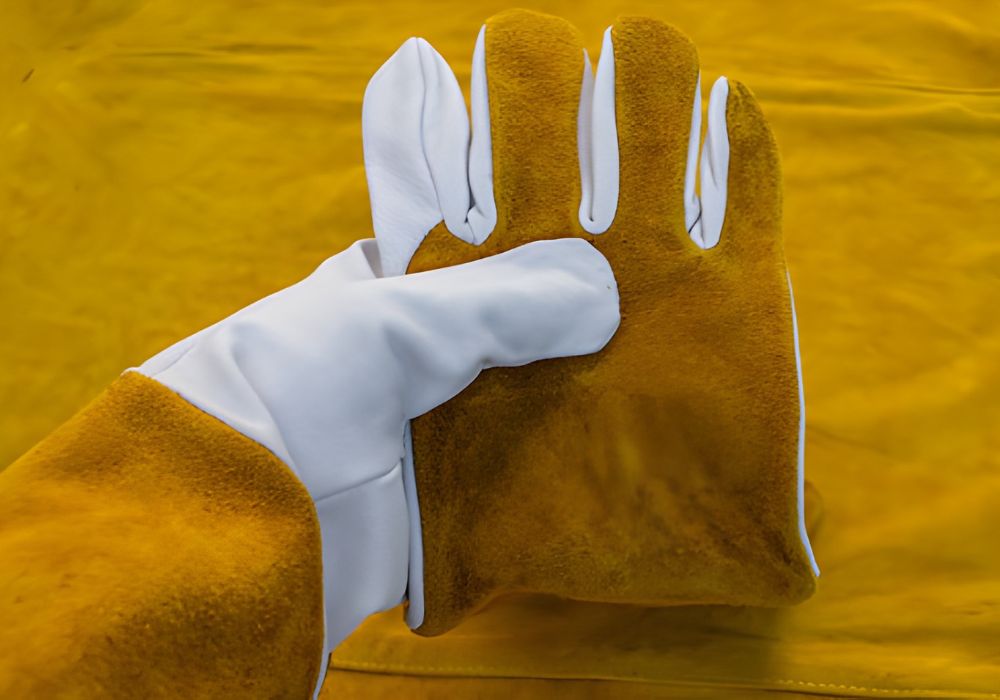
When we talk about “fireproof” and “heat-resistant,” we’re talking about durability versus duration.
A fireproof material will not burn, but a heat-resistant material can tolerate exposure for a certain time before failure. Welding gloves fall into the second category.
They’re designed to resist ignition and protect your skin long enough to complete a weld or move away from danger. But if exposed to continuous flame or molten metal, even the best glove will eventually degrade.
This is why professionals emphasize safety layering — gloves, sleeves, and flame-resistant jackets together form a system that protects welders from burns and radiant heat.
Understanding this difference helps you set realistic expectations for your protective gear.
Types of Welding Gloves and Their Fire Resistance Levels
Not all welding gloves are created equal — each welding method requires a specific glove type.
Stick Welding Gloves: These are the thickest and most durable, usually made from split cowhide or elk leather. They provide superior heat resistance for prolonged high-temperature work.
MIG Welding Gloves: Slightly thinner than stick gloves, MIG gloves balance dexterity and protection. They use cowhide, pigskin, or goatskin, often with a cotton or fleece lining for insulation.
TIG Welding Gloves: These are the thinnest and lightest, prioritizing precision over insulation. TIG gloves made from goatskin or deerskin offer flexibility but should not be used for heavy-heat applications.
Knowing which glove fits your welding type is crucial. Using TIG gloves for stick welding, for instance, can lead to burns due to insufficient insulation.
Design Features That Boost Fire Protection
Modern welding gloves incorporate smart design features that enhance safety.
Extended Cuffs: Longer gauntlet cuffs protect wrists and forearms from sparks and slag.
Reinforced Seams: Double or triple stitching ensures the glove holds together under stress and heat.
Heat-Reflective Backs: Some gloves have aluminum coating or special fabrics to reflect radiant energy.
Padded Palms and Fingers: These reduce vibration and provide comfort during long welding sessions.
Ergonomic Fit: Snug gloves reduce air gaps that trap heat and make handling easier.
These innovations make gloves safer, but they still require regular inspection for wear and tear.
How to Maintain Welding Gloves for Long-Term Safety
Maintenance plays a major role in how long your gloves retain their flame resistance.
Avoid soaking them in water, as moisture weakens leather and stitching. Always let gloves dry naturally if they get damp — never use direct heat or open flame to dry them.
Wipe off oil, dirt, and metal dust after every session. Store gloves in a clean, dry space away from sunlight and chemicals.
If you notice hard spots, holes, or burns, replace the gloves immediately. Compromised material won’t provide proper protection.
Caring for your gloves extends their life and keeps your safety level consistent every time you weld.
Common Mistakes Welders Make

One common mistake is using worn-out gloves beyond their safe limit. Cracked leather or torn seams expose your skin to heat instantly.
Another error is assuming all gloves perform the same. Using lightweight TIG gloves for stick welding or cutting can lead to severe burns.
Many welders also forget to clean off oil and metal dust, which can ignite easily under heat.
Avoiding these mistakes ensures your gloves remain effective and safe throughout your projects.
Frequently Asked Questions
1. Are welding gloves completely fireproof?
No. They are flame-resistant but not fireproof. They resist short-term heat and sparks but can burn under prolonged flame.
2. What’s the difference between fireproof and flame-resistant gloves?
Fireproof means unable to burn at all. Flame-resistant means the glove can handle high heat for a limited time before degradation.
3. Can welding gloves catch fire?
Yes, if exposed to direct flame or molten metal for too long. Always avoid constant contact with the welding arc.
4. Which material offers the best fire protection?
Cowhide and elk leather provide the highest resistance, especially with Kevlar stitching and fleece lining.
5. How much heat can welding gloves handle?
High-quality gloves can resist up to 2000°F momentarily but will degrade with constant exposure.
6. Can I use TIG gloves for stick or MIG welding?
No. TIG gloves are thinner and meant for precision, not high-heat applications.
7. What certifications should I look for?
Look for EN 407 or ANSI Z49.1 labels — they indicate tested protection for flame and heat exposure.
8. How do I clean my welding gloves safely?
Wipe with a damp cloth, avoid machine washing, and air-dry naturally to preserve leather integrity.
9. Do Kevlar-stitched gloves make a big difference?
Yes. Kevlar threads resist melting and hold seams together under intense heat better than cotton or nylon stitching.
10. When should I replace my welding gloves?
Replace them when you see holes, burns, stiffness, or loose seams — these signs mean the glove no longer provides safe insulation.
Conclusion
Welding gloves may not be fully fireproof, but they are expertly designed to protect your hands from extreme heat, sparks, and molten metal. Their flame-resistant materials, durable stitching, and smart design features make them indispensable for every welder.
Understanding how they work — and their limitations — helps you stay safe while working around high temperatures. Always choose gloves suited to your welding type, inspect them regularly, and store them properly after every use.
Your hands are your most valuable tools. Protect them with the right gloves, proper care, and respect for the power of heat. With the right preparation, you’ll work confidently knowing your safety gear can handle the fire.

I’m Darrell Julian, the founder, lead writer, and hands-on welding enthusiast behind ArcWeldingPro.com. With more than 15 years of real-world welding experience, I created this platform to share what I’ve learned in the field, in the shop, and in the heat of the arc.