Every time a solar eclipse approaches, millions of people rush outdoors with cameras and curiosity, hoping to witness one of nature’s rarest events. Yet, one wrong glance at the sun can lead to irreversible eye damage within seconds.
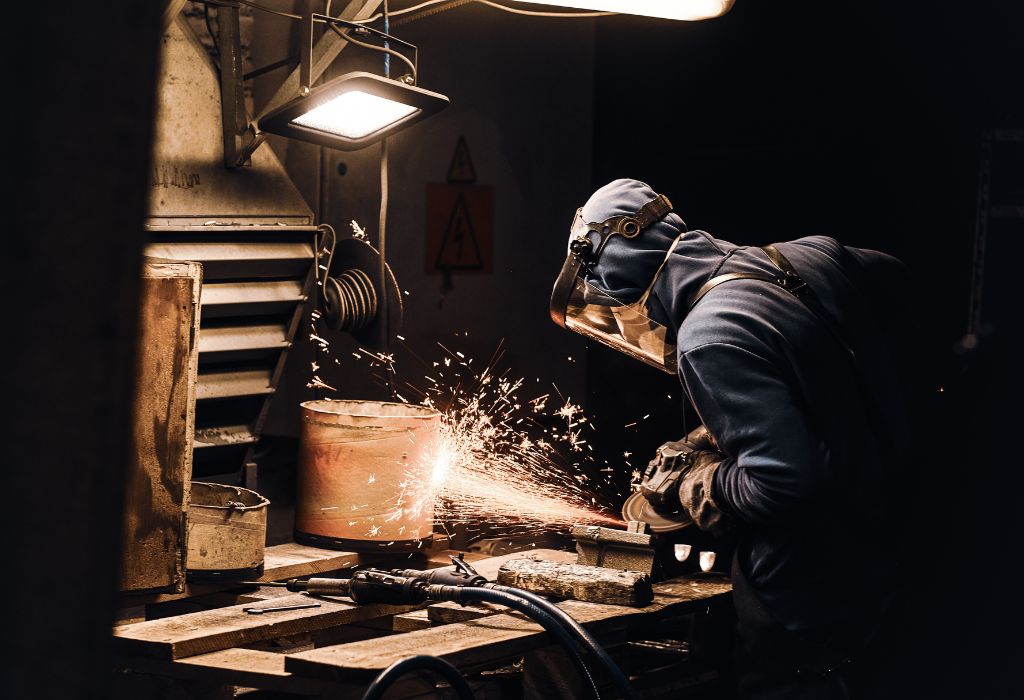
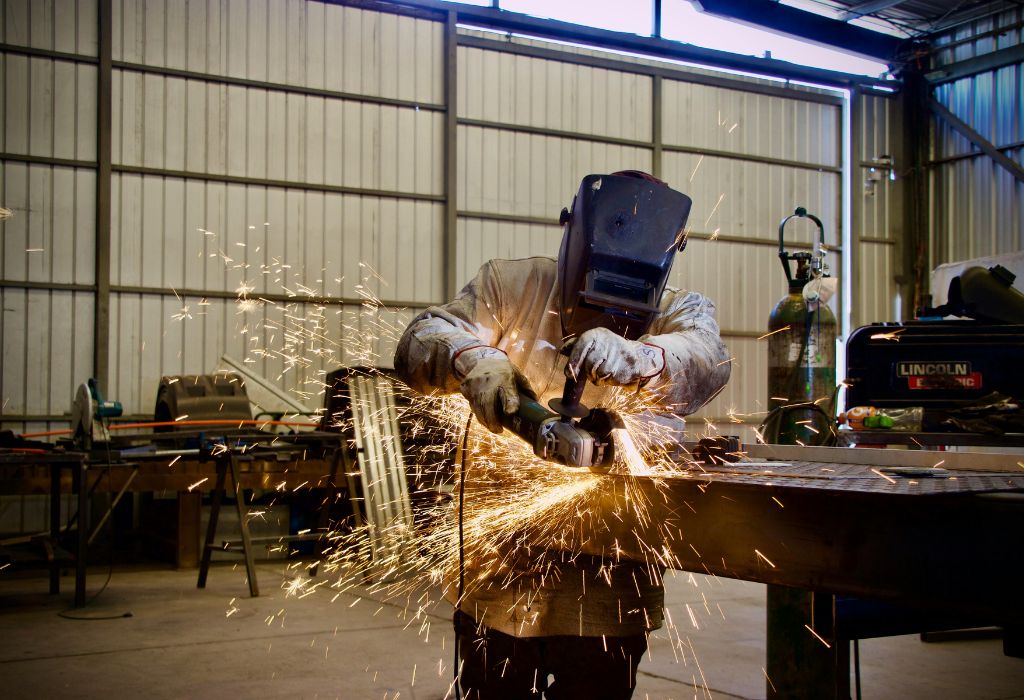
The question then arises — are welding helmets safe for solar eclipse viewing? Many DIY enthusiasts and welders assume their helmets can double as protective solar viewers, but the truth is more complex than it seems.
According to the American Astronomical Society, staring at the sun without proper filtration can cause permanent retinal burns, known as solar retinopathy. In past eclipses, hospitals across the United States reported spikes in patients suffering from partial vision loss after looking at the sun through unsafe filters.
Welding helmets are designed to shield eyes from the intense brightness of arc welding, but the solar eclipse presents a different kind of challenge. The visible light may dim during an eclipse, yet invisible ultraviolet and infrared rays remain powerful enough to damage the retina.
Some welding helmets, particularly those rated shade 12 or higher, can block enough sunlight to make viewing safe for brief periods. Others, especially auto-darkening helmets or those below shade 12, may not react quickly or darken sufficiently to protect your vision.
This guide explores whether welding helmets truly offer safe solar protection, which shade numbers meet expert safety standards, and how to view an eclipse without risking your eyesight. The goal is simple — to enjoy the beauty of a solar eclipse safely, without compromising one of your most valuable senses.
The Basics of Solar Eclipse Eye Safety
A solar eclipse happens when the moon passes between the Earth and the sun, partially or completely blocking sunlight. Although the sky darkens, the sun’s harmful radiation still reaches your eyes unless it is completely obscured during totality.
During the partial phases, looking directly at the sun without certified protection can cause permanent eye damage. Regular sunglasses, no matter how dark, are not designed to filter the intense solar rays that strike the retina during an eclipse.
What happens to the eyes when viewing a solar eclipse without protection?
Even brief exposure can burn the light-sensitive tissue in the retina, leading to blurred or distorted vision.
Why are regular sunglasses insufficient for eclipse viewing?
Sunglasses block only visible light, not ultraviolet or infrared radiation, which are responsible for retinal burns.
What type of filters are approved for safe solar viewing?
Only ISO 12312-2 certified solar filters or glasses are considered safe for directly watching a solar eclipse.
What is the “path of totality” in an eclipse?
It’s the narrow region where the moon completely covers the sun. Only during this short phase can you safely view the eclipse with the naked eye.
Why is eye protection necessary even outside totality?
Because even a small sliver of exposed sunlight can permanently damage the retina before pain is ever felt.
How Welding Helmets and Filters Work
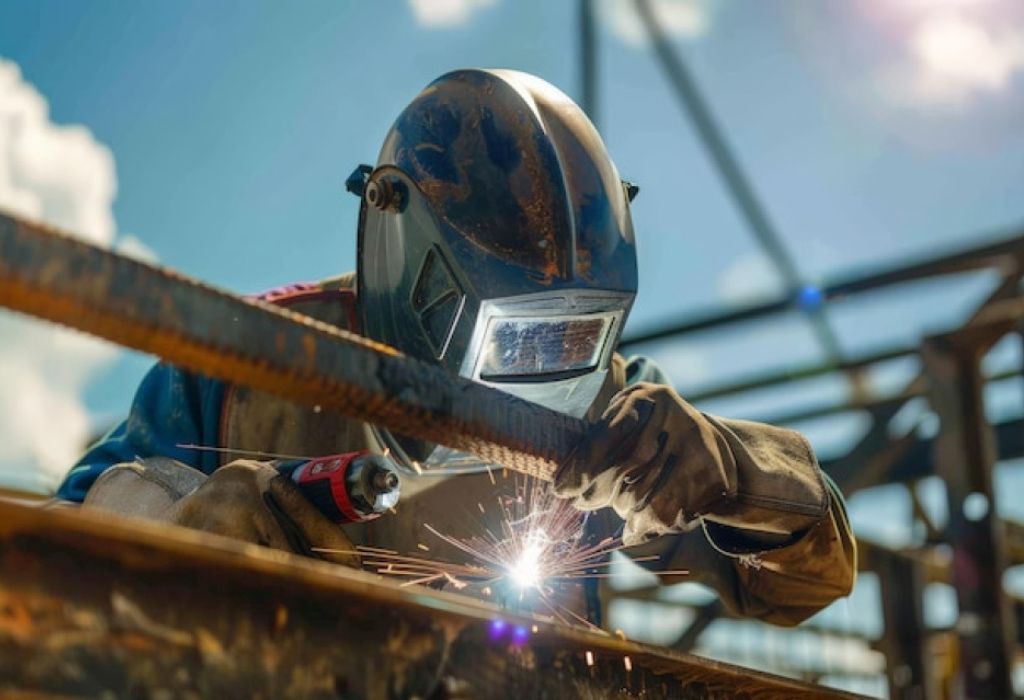
Welding helmets protect welders from extreme light, heat, and radiation produced by electric arcs. The filters inside these helmets are rated by shade numbers that indicate their light-blocking capacity.
The higher the shade number, the darker the lens and the more protection it offers against ultraviolet and infrared radiation. However, not all welding helmets are designed for continuous direct sunlight exposure.
What does a “shade number” mean?
It’s a numerical value that measures how much light the filter blocks. For example, shade 10 blocks less light than shade 14.
How do welding helmets block radiation?
They use darkened glass or electronic filters that reduce visible brightness and absorb UV and IR radiation.
What is the difference between fixed shade and auto-darkening helmets?
Fixed shade helmets stay at one darkness level, while auto-darkening models adjust automatically when detecting welding arcs.
Why might some welding helmets be unsafe for eclipse viewing?
Auto-darkening helmets may not react properly to sunlight levels, allowing harmful radiation to pass through before the lens darkens.
Why is shade level critical for eye safety?
Only very dark lenses, typically shade 12 or higher, can block enough light to make solar viewing safe.
Are Welding Helmets Safe for Solar Eclipse Viewing?
The short answer is: only some welding helmets are safe, and only under specific conditions. The safety depends on the shade number and the helmet’s ability to maintain constant light protection.
Experts generally recommend a minimum of shade 12, though shade 14 provides the best level of safety for viewing the sun. Anything lighter than shade 12 allows too much visible light and radiation to reach the eyes.
Can any welding helmet replace certified eclipse glasses?
No. Most welding helmets are designed for intermittent use during welding, not continuous direct solar observation.
What minimum shade level is required for safe solar eclipse viewing?
Shade 12 is the absolute minimum. Shades 13 and 14 are safer for longer viewing times.
Why is shade 14 considered the safest choice?
It provides the darkest filter available in standard helmets, effectively blocking over 99.999% of sunlight.
What do expert guidelines say about using welding filters for eclipses?
Organizations like NASA and the American Astronomical Society approve only fixed shade 12–14 lenses for short viewing.
What can go wrong with improper filters?
Using lighter shades or auto-darkening helmets can result in retinal damage within seconds of exposure.
Example Scenarios – Suitable vs Unsuitable Helmets
Understanding how shade levels translate into safety can help prevent dangerous mistakes.
Is a helmet with shade 9 or 10 safe for solar viewing?
No. These shades are far too light and only suitable for certain welding tasks, not direct solar observation.
Is an auto-darkening helmet safe for solar viewing?
Not always. The sensors may not darken fast enough under sunlight, leaving eyes exposed during the delay.
If a welding filter is scratched or damaged, is it still safe?
No. Any imperfection can allow concentrated beams of sunlight through, risking permanent eye injury.
Can you modify a welding helmet by adding layers of dark film or glass?
This is unsafe. Most improvised filters do not provide certified UV and IR protection.
Should children use welding helmets to view an eclipse?
Only under strict supervision, and only with a verified fixed shade 14 filter. Lighter or auto-darkening helmets should never be used by children.
Best Practices for Safe Solar Eclipse Viewing with Welding Helmets

If you plan to use a welding helmet, following best practices ensures maximum protection and visibility.
How do you confirm your helmet’s shade level?
Check the lens label or manufacturer’s documentation to confirm it meets or exceeds shade 12.
Should you rely solely on a welding helmet?
No. Certified eclipse glasses or solar viewers are recommended as backup protection.
What other precautions should you follow?
Inspect the lens for scratches, use fixed-shade helmets only, and never look through the helmet for prolonged periods.
How long can you safely look at the sun with proper equipment?
Even with the correct shade, limit continuous viewing to a few seconds at a time to reduce risk.
What should you do if you’re unsure about your helmet’s safety rating?
Avoid using it and opt for ISO-certified eclipse glasses instead.
Myths, Mistakes, and Misconceptions
There are many myths surrounding welding helmets and solar eclipses. Misunderstanding these can lead to severe eye injury.
Is every welding helmet automatically safe for eclipse viewing?
No. Only helmets with shade 12 or higher fixed filters provide adequate protection.
Does the lens color (green or blue) determine safety?
No. Shade number and certification are the only factors that matter.
Is it safe to view a total solar eclipse without protection during totality?
Yes, but only during the brief total phase when the sun is completely covered. The moment light reappears, protection is required again.
Can welding goggles substitute for eclipse glasses?
Not safely. Most goggles have lower shade ratings and limited coverage.
Are counterfeit filters and glasses a problem?
Yes. Always verify authenticity when buying solar viewers or filters.
Conclusion and Final Advice
So, are welding helmets safe for solar eclipse viewing? The answer depends entirely on the shade rating and type of helmet used.
Helmets with fixed shade 12, 13, or 14 filters can offer sufficient protection for brief viewing. Auto-darkening or lower shade helmets should never be used to look at the sun.
If there’s any doubt about your helmet’s rating, choose ISO-certified solar eclipse glasses instead. They are affordable, widely available, and designed specifically for safe solar viewing.
Protecting your eyes during a solar eclipse is not optional — it’s essential. One careless moment can lead to permanent vision loss. Enjoy the wonder of the eclipse safely, with the right gear, knowledge, and preparation.

I’m Darrell Julian, the founder, lead writer, and hands-on welding enthusiast behind ArcWeldingPro.com. With more than 15 years of real-world welding experience, I created this platform to share what I’ve learned in the field, in the shop, and in the heat of the arc.