A bench grinder for drill bits is an indispensable tool for any workshop or garage, offering a cost-effective and efficient way to maintain the sharpness and longevity of your drilling accessories. Instead of constantly replacing dull bits, a dedicated drill bit sharpening setup on a bench grinder allows you to restore their cutting edge, improving drilling precision and speed. This guide explores the top options available, helping you find the perfect system to keep your drill bits performing like new, saving you time and money on your projects.
Quick Product Comparison
Our Top 5 Bench Grinder For Drill Bits Reviews – Expert Tested & Recommended
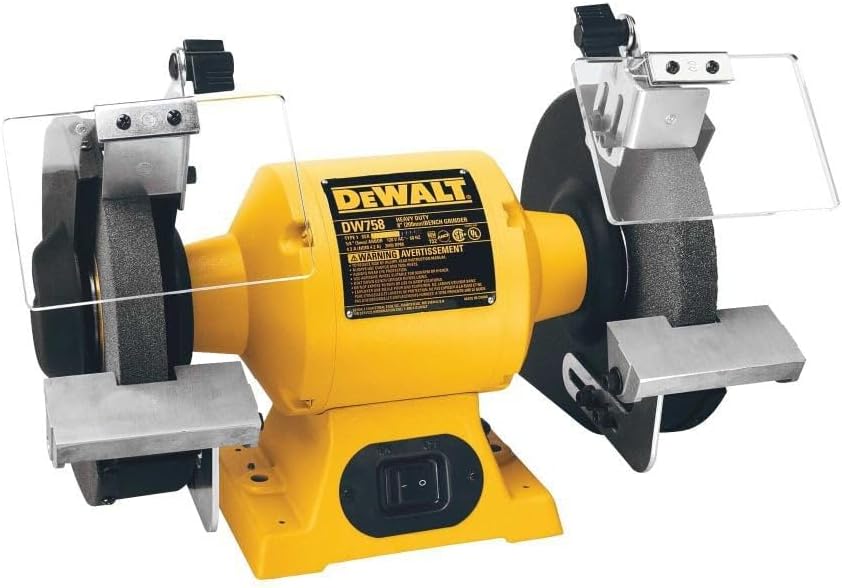
1. DEWALT DW758 8-Inch Bench Grinder for Professional Drill Bit Sharpening and Grinding
The DEWALT DW758 8-Inch Bench Grinder stands out as a professional-grade solution for drill bit sharpening and general grinding tasks. Its robust construction and powerful motor ensure reliable performance for industrial applications, making it a favorite among serious DIYers and professionals alike. This bench grinder is built for longevity and provides exceptional power for sustained use.
Key Features That Stand Out
- ✓ Powerful 3/4 HP induction motor for superior grinding applications.
- ✓ Durable cast iron base and motor housing ensure prolonged life.
- ✓ Operates at 3,600 rpm for high-speed material removal.
- ✓ Precision-machined aluminum tool rests allow accurate work.
- ✓ Includes 36 and 60 grit grinding wheels for versatile sharpening.
Why We Recommend It
We recommend the DEWALT DW758 for its unparalleled power and durability, which are crucial for consistent and effective drill bit sharpening. The high-speed motor combined with the sturdy construction means it can handle demanding tasks without bogging down, providing a smooth and efficient grinding experience every time. It’s an investment that pays off in the longevity and performance of your tools.
Best For
This bench grinder is best for professionals, heavy-duty workshop users, and serious hobbyists who require a robust, reliable tool for frequent drill bit sharpening and grinding tasks.
Pros and Cons
Pros:
- Excellent power output with a 3/4 HP motor.
- Heavy-duty cast iron construction ensures durability.
- High RPM for rapid material removal and efficient sharpening.
- Comes with two grinding wheels for immediate use.
Cons:
- Can be quite heavy and requires a dedicated bench space.
- May be overkill for occasional, light-duty sharpening needs.
- Tool rests could benefit from more precise adjustments for intricate drill bit angles.
Customer Reviews
Customer Review: “This DEWALT grinder is a beast! It powers through everything I throw at it, and sharpening my drill bits has never been easier or more precise. A true workhorse for my shop.”
Customer Review: “After years of struggling with dull bits, I finally invested in this grinder. The build quality is fantastic, and it effortlessly brings my bits back to life. Highly recommend for serious users.”
2. Bench Grinder Drill Bit Sharpener Guide Jig for 90, 118, and 135-Degree Angles
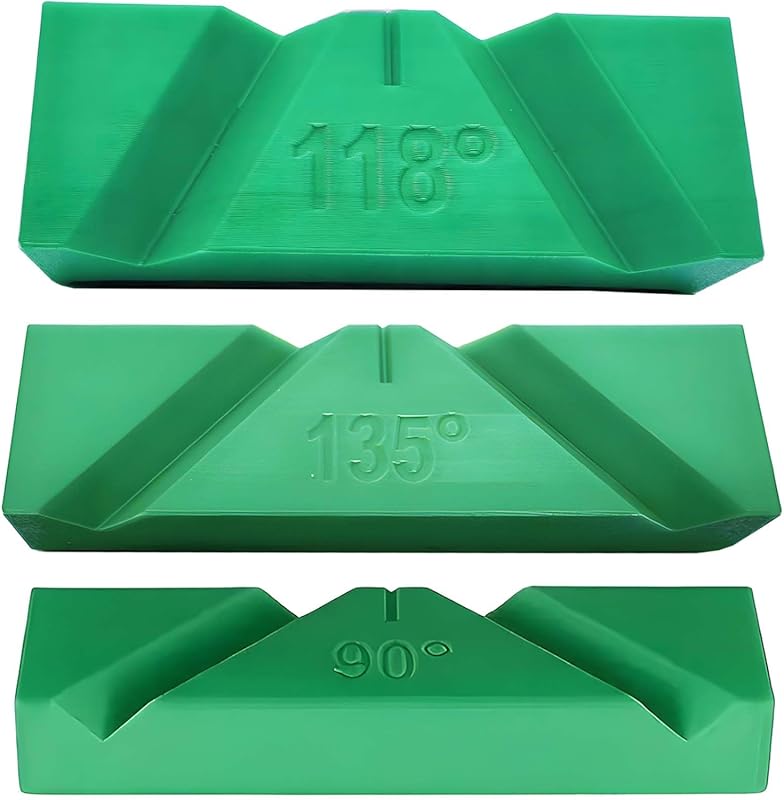
This bench grinder drill bit sharpener guide jig is a manual tool designed to assist in sharpening drill bits to precise angles, extending their usability and lifespan. It offers versatile angle options for 90°, 118°, and 135° drill bit types, ensuring consistent and accurate results. This jig is an excellent accessory for anyone looking to maintain their drill bits with precision.
Key Features That Stand Out
- ✓ Manual guide jig for precise drill bit sharpening.
- ✓ Supports 90°, 118°, and 135° angles for broad compatibility.
- ✓ Ideal for restoring dull drill bits, enhancing their lifespan.
- ✓ Ensures consistent and accurate sharpening results.
- ✓ Simple and straightforward to use with an existing bench grinder.
Why We Recommend It
We recommend this guide jig because it provides the essential precision needed for effective drill bit sharpening, a task often challenging to do freehand. The multiple angle settings make it highly versatile for various drill bit types, and its manual nature gives users fine control over the sharpening process. It’s a smart accessory to get the most out of your existing bench grinder.
Best For
This jig is best for DIY enthusiasts, woodworkers, and metalworkers who frequently use various drill bit sizes and angles and want to ensure precise, consistent sharpening results using their bench grinder.
Pros and Cons
Pros:
- Provides accurate angle guidance for consistent sharpening.
- Accommodates common drill bit angles (90°, 118°, 135°).
- Cost-effective solution compared to dedicated electric sharpeners.
- Extends the life of drill bits significantly.
Cons:
- Requires an existing bench grinder for operation.
- Steeper learning curve for beginners compared to automated systems.
- Precision relies on user technique and careful adjustment.
Customer Reviews
Customer Review: “The left side angle is the cutting edge angle (do both edges. The right side angle is the non cutting edge. Do both non cutting edges. The cutting edge must be even or the drill bit will wobble. Last but least the drill bit guide closes to the wheel must match the face of the grinding wheel, adjust”
Customer Review: “The left side angle is the cutting edge angle (do both edges. The right side angle is the non cutting edge. Do both non cutting edges. The cutting edge must be even or the drill bit will wobble. Last but least the drill bit guide closes to the wheel must match the face of the grinding wheel, adjust”
3. General Tools Drill Grinding Attachment #825 – Drill Accessories – For use with ANSI, OSHA, and UL
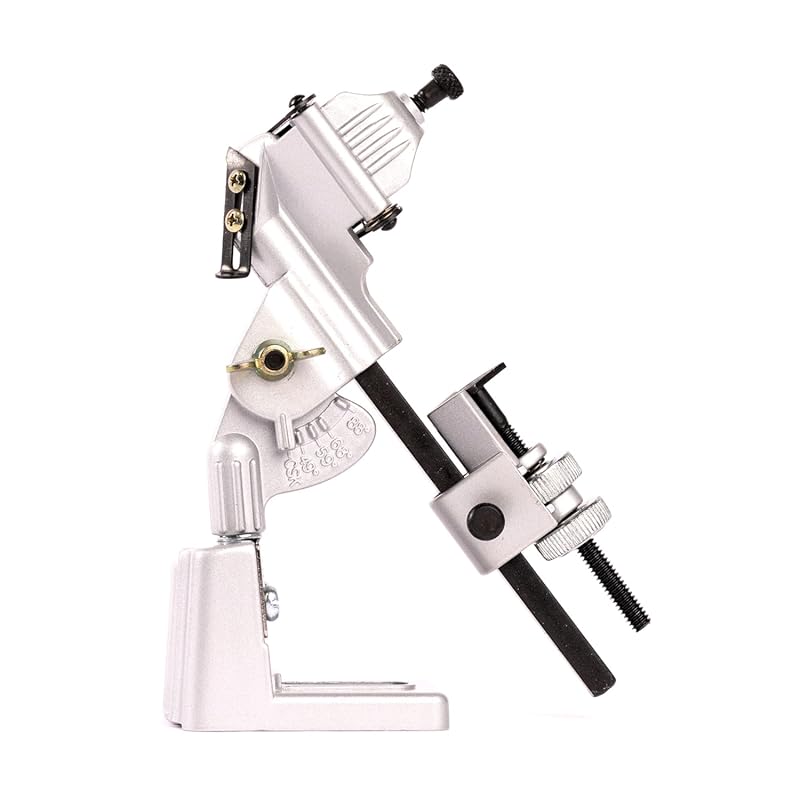
The General Tools Drill Grinding Attachment #825 is a simple yet effective accessory designed to revive your dull drill bits. This sturdy tool is perfect for quick honing and sharpening, extending the life of both large and small drill bits. Its adjustable features allow you to match various point angles, making it a versatile addition to your bench grinder for drill bits setup.
Key Features That Stand Out
- ✓ Extends the life of drill bits by quickly honing and sharpening.
- ✓ Angle adjustment features for matching various drill bit point angles.
- ✓ Non-marking depth stop-cap protects material surfaces during sharpening.
- ✓ Suitable for use with a wide range of drill bit sizes.
- ✓ Compatible with ANSI, OSHA, and UL standards for safety.
Why We Recommend It
This grinding attachment is highly recommended for its straightforward functionality and effectiveness in restoring drill bits. It’s a budget-friendly way to maintain your tools, preventing damage to bits and materials. The adjustable angle and depth stop features provide controlled sharpening, making it easier for users to achieve desired results without expensive equipment.
Best For
Ideal for budget-conscious DIYers, home workshops, and anyone looking for a reliable, simple attachment to sharpen their drill bits on an existing bench grinder.
Pros and Cons
Pros:
- Very affordable way to sharpen drill bits.
- Effectively restores dull drill bits to sharpness.
- Adjustable for various point angles and bit sizes.
- Non-marking depth stop protects workpieces.
Cons:
- Requires manual operation, which can take practice to master.
- Less automated than higher-end drill bit sharpeners.
- Does not include the bench grinder itself.
Customer Reviews
Customer Review: “Easy set up . Practiced on a couple of cheap bits to learn. Within ten minutes I was sharpening $100 bits. Works great. I had hundreds of bits thrown aside because no one around sharpened them. I have plenty now and they look and work as a new one.”
Customer Review: “Easy set up . Practiced on a couple of cheap bits to learn. Within ten minutes I was sharpening $100 bits. Works great. I had hundreds of bits thrown aside because no one around sharpened them. I have plenty now and they look and work as a new one.Read more”
4. Bench Grinder Drill Bit Sharpening Guide with 90°, 118°, 135° Angle Sharpener
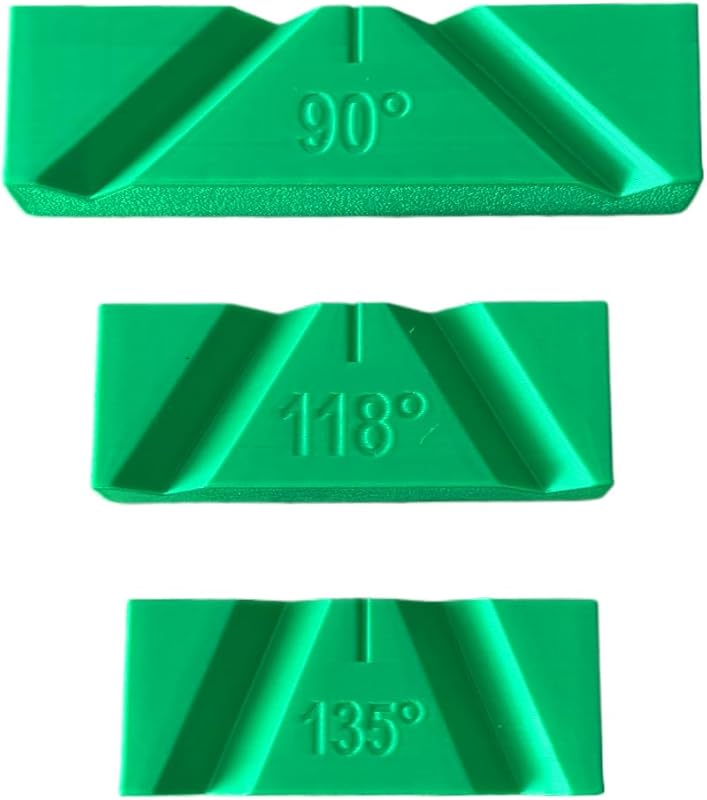
This bench grinder drill bit sharpening guide provides versatile angle options for 90°, 118°, and 135° drill bits, ensuring you can match the precise requirements of various drilling tasks. It’s an easy-to-use jig that attaches to your bench grinder, requiring no additional power source. This manual guide is a practical and cost-effective solution for maintaining the sharpness of your drill bits.
Key Features That Stand Out
- ✓ Includes three distinct sharpening guides for 90°, 118°, and 135° angles.
- ✓ Simple setup and alignment with your existing bench grinder or grinding tools.
- ✓ Requires no external power source, offering a convenient, non-electric solution.
- ✓ Helps in accurately restoring the original cutting edges of drill bits.
- ✓ Designed for universal application with various drill bit types.
Why We Recommend It
We recommend this sharpening guide for its simplicity and the ability to achieve common drill bit angles effectively. It’s a straightforward attachment that transforms a standard bench grinder into a functional drill bit sharpener, making it accessible for users who prefer manual control and a budget-friendly approach to tool maintenance. It promotes consistency, which is vital for drill bit performance.
Best For
This guide is best for hobbyists, homeowners, and small workshop owners who want to manually sharpen their drill bits to specific angles without investing in a fully automated sharpener.
Pros and Cons
Pros:
- Offers multiple precise angle options for diverse drill bits.
- Very easy to set up and use with a standard bench grinder.
- No power required, making it highly portable (within grinder limits).
- Cost-effective alternative to dedicated sharpening machines.
Cons:
- Lightweight construction may impact long-term durability.
- Lacks detailed instructions, which can be challenging for beginners.
- Manual nature means results can vary with user skill.
Customer Reviews
Customer Review: “Haven’t tried yet but appears to be be a practical tool.”
Customer Review: “Light weight, so durability may be an issue. No instructions either.”
5. Bench Grinder Drill Bit Sharpener Attachment for 2-13mm Bits, Fits 125mm Grinders
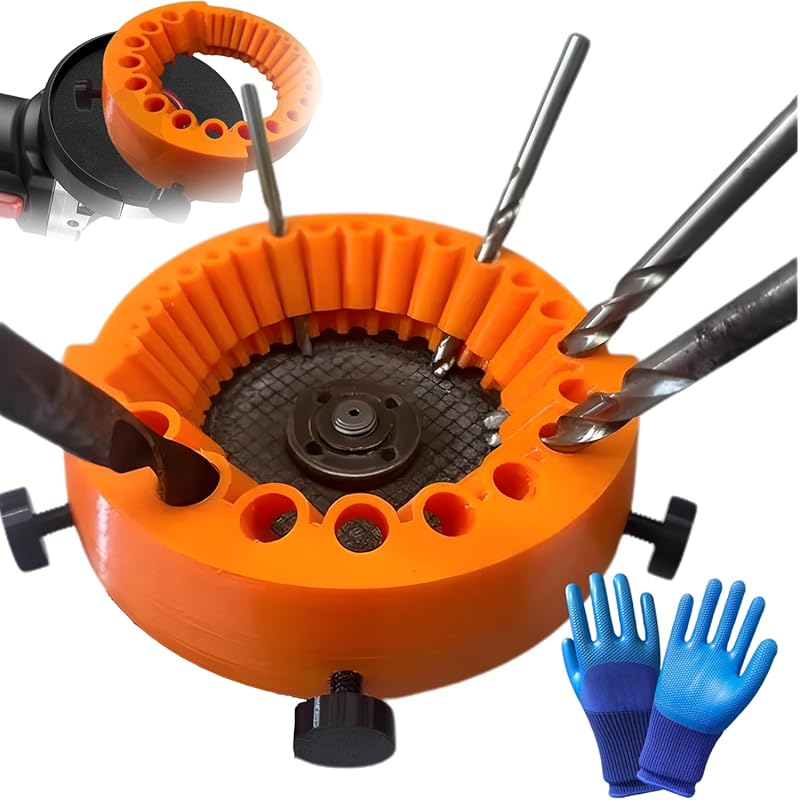
This bench grinder drill bit sharpener attachment is engineered to transform a standard 125mm angle grinder into an efficient tool for sharpening drill bits ranging from 2mm to 13mm. It’s designed for precision grinding, ensuring that dull bits are restored to their original sharpness and accuracy. This attachment offers a practical solution for users who already own an angle grinder and need a dedicated drill bit sharpening function.
Key Features That Stand Out
- ✓ Converts 125mm angle grinders into a precise drill bit sharpener.
- ✓ Designed for a wide range of drill bit sizes, from 2mm to 13mm.
- ✓ Restores dull drill bits to their previous precision and sharpness.
- ✓ Provides an economical way to extend the life of existing drill bits.
- ✓ Easy to attach and use for efficient tool maintenance.
Why We Recommend It
This attachment is a smart recommendation for its ability to repurpose an existing tool, making drill bit sharpening accessible without buying another bulky machine. Its compatibility with a broad range of bit sizes (2-13mm) means it covers most common drilling needs, making it a versatile and economical choice for maintaining a sharp inventory of bits. It’s an excellent way to get more utility from your angle grinder.
Best For
This attachment is best for individuals who already own a 125mm angle grinder and are looking for a compact, cost-effective method to sharpen their drill bits for various projects.
Pros and Cons
Pros:
- Utilizes an existing angle grinder, saving space and cost.
- Compatible with a broad range of common drill bit sizes (2-13mm).
- Highly efficient in restoring dull bits to sharpness.
- Compact and easy to store when not in use.
Cons:
- Made of 3D printed material, raising concerns about durability.
- Some users report issues with fitment and stability on angle grinders.
- Lacks a mechanism to key flutes, leading to uneven sharpening without practice.
Customer Reviews
Customer Review: “Came as described, haven’t used it yet, looks like it will work.”
Customer Review: “Inexpensive and totally not worth it. First, the item is 3D printed and a flange broke off in attaching it to my angle grinder (it was not a great fit, either). Second, there is nothing to key the flutes in place so that one side is sharpened at a time. The bit just spins on the grinding wheel leavi”
Complete Buying Guide for Bench Grinder for Drill Bits
Essential Factors We Consider
When choosing a bench grinder for drill bits or a dedicated attachment, several factors come into play to ensure you get the most effective tool for your needs. First, consider the power of the motor for bench grinders; a higher horsepower (HP) indicates more consistent performance, especially under load when sharpening larger bits. For attachments, compatibility with your existing grinder’s size (e.g., 125mm angle grinder) is crucial. Adjustability of sharpening angles is paramount, as different drill bits require specific tip angles (e.g., 90°, 118°, 135°) for optimal performance in various materials. Look for guides that offer precise, repeatable angle settings. The range of drill bit sizes the sharpener can handle is also important; ensure it accommodates both your smallest and largest commonly used bits. Finally, consider the durability and construction materials; cast iron bases and robust housings signify longevity, while 3D-printed attachments might be more budget-friendly but potentially less durable.
💡 Related:
variable speed bench grinders
Budget Planning
The cost of a bench grinder for drill bits can vary significantly, depending on whether you’re buying a full bench grinder primarily for sharpening, or just an attachment. Dedicated bench grinders like the DEWALT DW758 are a larger initial investment but offer versatility for many grinding tasks beyond just drill bits. Attachments, on the other hand, are much more budget-friendly, especially if you already own a compatible grinder. When planning your budget, factor in the frequency of use and the value of your drill bits. Investing in a good sharpener can save you money in the long run by extending the life of expensive drill bits. Always weigh the upfront cost against the long-term savings and the quality of sharpening you expect to achieve.
Final Thoughts
Ultimately, the best bench grinder for drill bits or sharpening attachment is one that meets your specific needs for precision, durability, and versatility. Assess your current toolkit, the types of drill bits you commonly use, and your budget. Whether you opt for a powerful, standalone bench grinder or a clever attachment for an existing tool, ensuring your drill bits are consistently sharp will enhance your work quality, speed, and safety. A sharp bit drills faster, cleaner, and lasts longer, making a drill bit sharpening solution a valuable addition to any workshop.
Frequently Asked Questions
Q: Why should I sharpen my drill bits with a bench grinder?
A: Sharpening your drill bits with a bench grinder for drill bits restores their cutting edge, improving drilling efficiency, accuracy, and prolonging the life of your bits. Dull bits can cause slower drilling, increased heat, material damage, and can even break prematurely. Sharpening saves money on replacements and ensures consistent performance.
💡 Related:
affordable bench grinder options
Q: What angles are important for drill bit sharpening?
A: Common drill bit tip angles include 118 degrees for general-purpose drilling in softer materials like wood and plastic, and 135 degrees (split point) for harder materials like metal, as it reduces walking. A 90-degree angle might be used for specific countersinking or specialty applications. Many drill bit sharpening guides offer these precise angle settings.
Q: Can any bench grinder be used to sharpen drill bits?
A: While you can technically sharpen a drill bit freehand on any bench grinder, it’s very difficult to achieve a precise and consistent angle. To effectively sharpen drill bits, it’s highly recommended to use a specialized drill bit sharpening attachment for bench grinders or a dedicated drill bit sharpener. These guides ensure correct angles and relief for optimal performance.
Q: How often should I sharpen my drill bits?
A: The frequency of sharpening depends on how often you use your drill bits and the materials you’re drilling. As a general rule, sharpen a bit as soon as you notice it’s drilling slower, requiring more pressure, producing excessive heat, or creating poor-quality holes. Keeping your bits sharp is a proactive measure for better project outcomes.
Q: Are bench grinder attachments as good as dedicated drill bit sharpeners?
A: Bench grinder attachments can be very effective, especially for basic sharpening and for users who prefer manual control and precision. Dedicated electric drill bit sharpeners often offer more automation, making them easier and faster for some users, but typically come at a higher cost. The “best” option depends on your budget, existing tools, and desired level of automation and precision.
Selecting the right bench grinder for drill bits, or a suitable attachment, is a smart investment for any craftsman or DIY enthusiast. From powerful standalone units like the DEWALT DW758 to versatile angle-specific jigs, there’s a solution to fit every need and budget. By keeping your drill bits razor-sharp, you’ll experience improved drilling performance, extended tool life, and ultimately, more successful projects. We encourage you to consider our top recommendations and make an informed choice to empower your workshop. Click on the “Check Price on Amazon” buttons to explore the best options and get your drill bits back in prime working condition today!

I’m Darrell Julian, the founder, lead writer, and hands-on welding enthusiast behind ArcWeldingPro.com. With more than 15 years of real-world welding experience, I created this platform to share what I’ve learned in the field, in the shop, and in the heat of the arc.