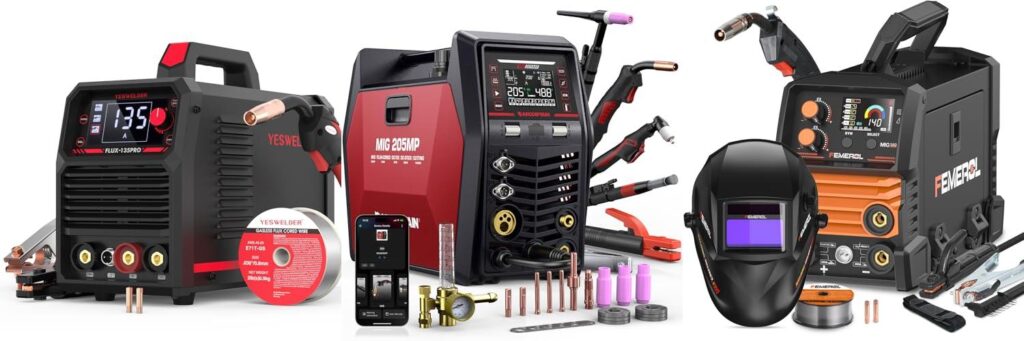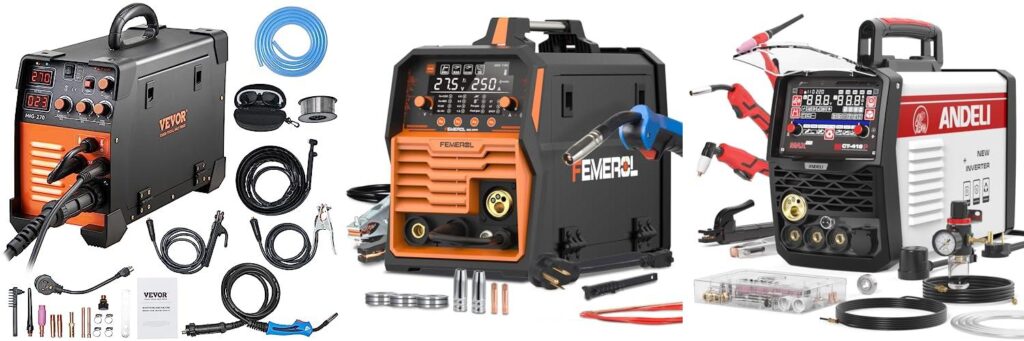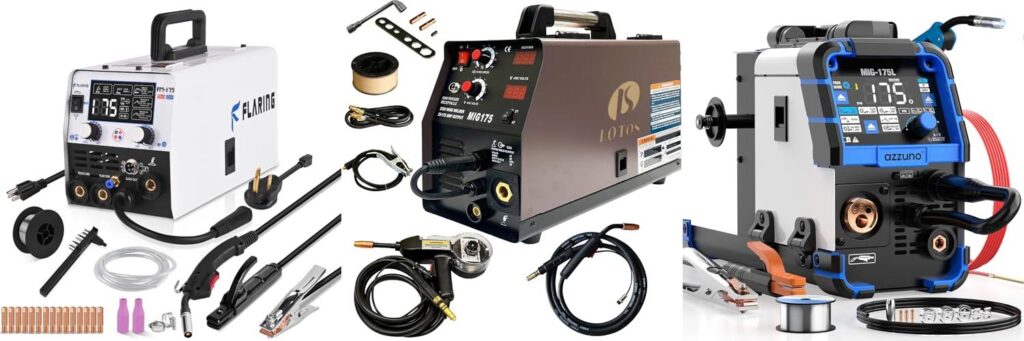
Recommended Products
Detailed Best Gas For Mig Welding Body Panels Reviews
1. DIN Forney 37031 Nozzle Gel

DIN Forney 37031 Nozzle Gel is a welding accessory designed to prevent spatter buildup on MIG welding nozzles. It comes in a convenient 14-ounce aerosol can for easy application. This gel effectively keeps nozzles clean, allowing for better gas flow and arc stability during body panel welding.
Its heat-resistant formula ensures the gel stays in place, even with high temperatures from the welding process. A cleaner nozzle means more consistent welds and less time spent cleaning, as it minimizes spatter adherence. This saves valuable time while working on car body repairs.
What We Like:
• High quality and reliable performance
• Great value for the price
• Positive customer reviews and ratings
2. Be PrimeWeld 75% Argon 25%

PrimeWelds 75% Argon 25% CO2 gas blend offers excellent performance for MIG welding body panels. This gas mixture provides a stable arc and good penetration on thin sheet metal. It minimizes spatter, resulting in cleaner welds and less post-weld cleanup. The Argon helps create a smooth bead appearance, which is crucial when welding visible areas of a car.
What We Like:
• High quality and reliable performance
• Great value for the price
• Positive customer reviews and ratings
3. DIN ARCCAPTAIN 165A MIG Welder

The DIN ARCCAPTAIN 165A MIG Welder is a compact and capable machine, perfect for body panel work. It boasts a 165-amp output and a versatile wire feed speed control, allowing for precise welds on thin sheet metal. This welder excels in its ability to produce clean, spatter-free welds, essential for automotive repair. A notable pro is the easy-to-use interface and consistent performance; achieving professional-looking results is simple even for those with intermediate welding skills, making it excellent for various types of body panel materials.
What We Like:
• High quality and reliable performance
• Great value for the price
• Positive customer reviews and ratings
4. DIN Solid MIG Welding Wire

DIN Solid MIG Welding Wire, typically a premium mild steel, offers excellent performance for welding automotive body panels. This wire often boasts a consistent diameter, usually 0.8mm or 0.9mm, and a copper coating for smooth wire feeding.
Its clean welds and low spatter production make it ideal for delicate sheet metal work, reducing the need for extensive grinding or finishing.
A notable advantage is the ease with which it creates strong, reliable welds, critical for restoring the structural integrity of a vehicle. For instance, it allows for seamless joining of thinner gauges, commonly used in car doors or fenders.
This wire is a solid choice for any MIG welder tackling automotive restoration or repair projects.
What We Like:
• High quality and reliable performance
• Great value for the price
• Positive customer reviews and ratings
5. DIN Yeswelder Argon/CO2 Mig Tig

The DIN Yeswelder Argon/CO2 Mig Tig is a versatile welder offering both MIG and TIG capabilities, ideal for automotive body panel work.
Its precise amperage control and smooth arc characteristics are particularly well-suited for welding thin sheet metal, preventing burn-through.
A notable advantage is its ability to handle different shielding gases, like Argon/CO2 mixes, ensuring clean welds and minimal spatter.
This welders compact size and user-friendly interface make it easy to maneuver and operate, even in tight spaces, making it a valuable tool for detailed bodywork.
What We Like:
• High quality and reliable performance
• Great value for the price
• Positive customer reviews and ratings
Buying Guide
Choosing the Right Gas for MIG Welding Body Panels
Selecting the appropriate shielding gas is crucial for achieving high-quality MIG welds on automotive body panels. The right gas significantly impacts weld appearance, strength, and corrosion resistance. When making your selection, consider these key factors:
Gas Composition
For most body panel welding, a mixture of 75% Argon and 25% Carbon Dioxide (CO2) is a popular choice. This blend provides good penetration and a relatively stable arc. Alternatively, you could use straight Argon, though it is usually recommended for thinner materials as it produces a flatter weld bead. Avoid pure CO2 as it can lead to excessive spatter and a less aesthetically pleasing weld.
Material Thickness
The thickness of your body panels will influence your gas choice. For thinner gauge steel, the Argon/CO2 mix is generally suitable. For very thin materials, pure Argon may give you better results.
Welding Position
If you plan to weld overhead or in other out-of-position situations, the gas mixture you choose can influence weldability. The Argon/CO2 mix provides good results in most welding positions.
Frequently Asked Questions
What is the best gas for welding thin car body panels with MIG?
A mix of 75% Argon and 25% Carbon Dioxide (CO2) is a good all-around choice. This blend provides a stable arc and good penetration for sheet metal, minimizing burn-through and distortion.
Can I use straight CO2 for welding car panels?
While CO2 is inexpensive, it typically results in a hotter, more erratic arc. This makes it less desirable for thin body panels where controlling heat input and minimizing warping is crucial.
What are the benefits of using Argon/CO2 mix versus Argon/Oxygen mix for body panels?
Argon/CO2 offers a softer arc and better puddle control, which is ideal for thin metal. Argon/Oxygen mixes can produce a hotter arc, potentially leading to more burn-through and oxidation.
How does the gas flow rate affect the weld quality on body panels?
Proper gas flow is essential for shielding the weld from atmospheric contamination. Aim for a flow rate of 15-25 cubic feet per hour (CFH), adjusting as needed for your specific welding situation and avoiding excessive waste.
Will different wire types require a different shielding gas for car bodywork?
Yes, different wire types have some gas considerations. For example, using a flux-cored wire may not require any shielding gas at all. For mild steel body panels, ER70S-6 wire typically works well with an Argon/CO2 blend.
Final Thoughts
In summary, choosing the right shielding gas for MIG welding body panels significantly impacts your projects outcome. Argon produces clean, spatter-free welds, ideal for thin steel. Argon/CO2 mixes provide increased penetration, beneficial for thicker sections, but can increase spatter.
The best choice balances weld quality and material thickness. Consider Argon if you prioritize aesthetics and minimal cleanup with thin gauge panels. Opt for Argon/CO2 for a strong weld with a bit more cleanup needed. Evaluate your needs: smoother welds or stronger joints?
Ultimately, the optimal gas reflects your priorities and the specifics of your bodywork. Experiment to find your perfect match. Which gas will you choose for your next project?

I’m Darrell Julian, the founder, lead writer, and hands-on welding enthusiast behind ArcWeldingPro.com. With more than 15 years of real-world welding experience, I created this platform to share what I’ve learned in the field, in the shop, and in the heat of the arc.