Transforming your worn-out deck into a beautiful outdoor oasis often starts with one crucial step: sanding. But tackling a large surface like a deck requires the right tool for the job. You need a sander that’s powerful enough to strip away old finishes and smooth out rough spots, yet ergonomic enough to handle for extended periods. Finding the best sander for deck projects can feel overwhelming with so many options available. That’s why we’ve meticulously tested and reviewed a range of sanders, focusing on their performance, ease of use, and effectiveness for deck restoration. Get ready to discover the perfect tool to bring your deck back to life!
Quick Product Comparison
Our Top 5 Best Sander Deck Reviews – Expert Tested & Recommended
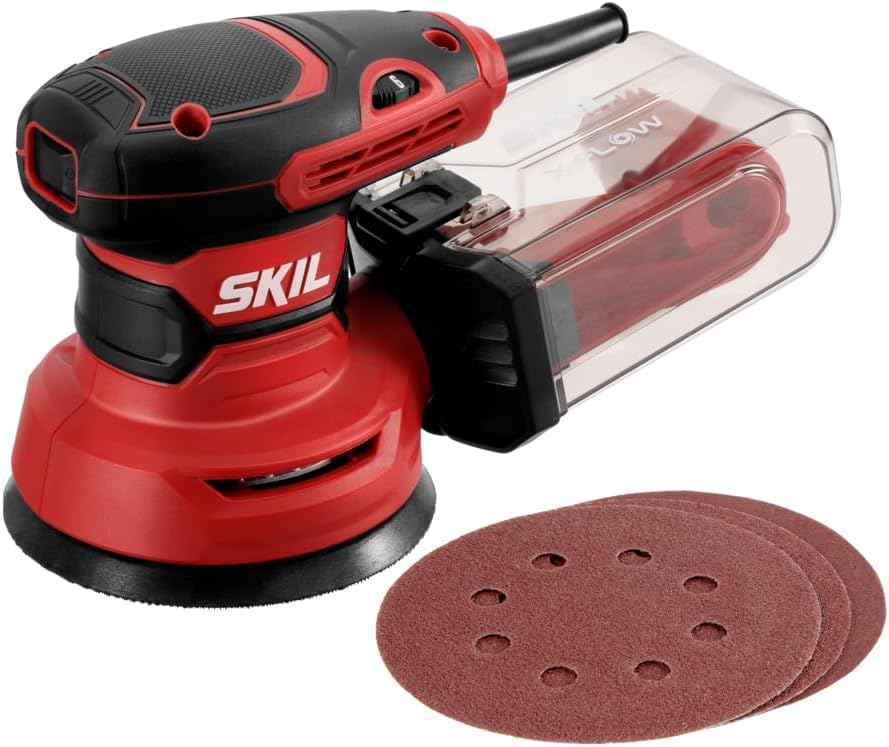
1. SKIL 5-inch Random Orbital Sander with Cyclonic Dust Box for Wood and Deck Sanding
The SKIL 5-inch Random Orbital Sander is a fantastic choice for anyone looking to refresh their deck. Its powerful motor and efficient dust collection system make it a reliable tool for smooth and precise sanding. Whether you’re stripping old paint or preparing new wood, this sander delivers consistent results with ease.
Key Features That Stand Out
- ✓ Powerful Performance: A 2.8 amp motor generates 13,000 orbits per minute, ensuring a smooth finish on various materials.
- ✓ Cyclonic Dust Box: The X-flow dust collector utilizes cyclone force for efficient dust capture, keeping your workspace cleaner.
- ✓ Variable Speed Control: Adjust the power and control to match different sanding applications and materials precisely.
- ✓ Ergonomic Design: Designed for comfort during extended use, which is essential for larger deck projects.
Why We Recommend It
We recommend the SKIL 5-inch Random Orbital Sander because it strikes a great balance between power, precision, and dust management. Its variable speed makes it versatile for different stages of deck sanding, from aggressive material removal to fine finishing. The cyclonic dust collection system significantly reduces cleanup time, making your deck project more enjoyable.
Best For
This sander is best for homeowners and DIY enthusiasts tackling medium to large deck sanding projects, especially where efficient dust collection and variable speed are priorities.
Pros and Cons
Pros:
- Excellent power for efficient material removal.
- Superior cyclonic dust collection keeps the work area clean.
- Variable speed allows for versatile use on different surfaces.
- Comfortable to hold and operate for longer periods.
Cons:
- Corded design limits mobility without an extension cord.
- Might be too aggressive for very delicate or thin deck boards if not used carefully.
Customer Reviews
Customer Review: “I’m really impressed with this random orbital sander. For the price, the quality is outstanding—it feels solid in the hand and runs smoothly. The cyclonic dust box does a great job of keeping the workspace cleaner, and the included sanding sheets made it ready to use right out of the box. I used it on my weathered deck, and it made a huge difference without much effort.”
Customer Review: “For the price, I’ll be honest, I had low expectations. I used this to rehab two 50 year old solid wood doors and of all the tools I used, this was easily my favorite. It had a walking random pattern which prevented a circular dig that holding it still might do. The vacuum and dust holder worked fantastically for the amount of work I put it through.”
2. SKIL Corded Multi-Function Detail Sander with Micro-Filter Dust Box for Fine Finishing

For those intricate deck areas like railings, spindles, or tight corners, the SKIL Corded Multi-Function Detail Sander is your go-to tool. It offers impressive versatility with its various attachments, allowing you to achieve a smooth, professional finish where larger sanders simply can’t reach. The micro-filtration system also helps keep your workspace tidier, which is a huge plus for detailed work.
Key Features That Stand Out
- ✓ Powerful 1.2 Amp Motor: Delivers 13,500 orbits per minute for smooth and efficient fine finishing.
- ✓ 4-in-1 Versatility: Includes three additional detail attachments for sanding large surfaces, corners, edges, and tight spaces.
- ✓ Micro-Filter Dust Box: Equipped with a micro-filtration system and a 1-1/4″ dust port for effective dust management.
- ✓ Quick Attachment Swaps: Easy-to-change attachments provide flexibility for various sanding needs.
Why We Recommend It
When you’re dealing with the nuanced parts of your deck, like railings or steps, a traditional orbital sander just won’t cut it. This SKIL detail sander excels in those areas, offering the precision and adaptability needed for a truly comprehensive deck restoration. Its multi-functionality means you get several tools in one, making it a valuable addition to your arsenal.
Best For
This is the best sander for deck railings, balusters, intricate trim work, tight corners, and other detail-oriented sanding tasks that larger tools cannot handle effectively.
Pros and Cons
Pros:
- Exceptional versatility with multiple attachments for detailed work.
- Effective micro-filtration dust collection system.
- Compact and lightweight, ideal for maneuvering in tight spots.
- Consistent corded power for continuous operation.
Cons:
- Not suitable for large, open deck surfaces due to smaller pad size.
- Can be a bit loud during operation.
Customer Reviews
Customer Review: “Solid tool, the sanding capacity depends on the sandpaper itself. The tool is ready for most jobs. Nothing too small. Easy to maneuver. It is loud, and that will depend on what you’re sanding as well. Great for getting into those deck corners!”
Customer Review: “This SKIL detail sander is a fantastic tool for finishing work. The corded design provides consistent power, and the multi‑function attachments make it easy to tackle corners, edges, and tight spaces. Each attachment swaps out quickly, giving flexibility for different sanding needs. The micro‑filter does a decent job with dust.”
3. Drywall Sander with Vacuum Dust Collection, LED Light, Variable Speed, and Extendable Handle

While primarily designed for drywall, this powerful sander with its extendable handle and vacuum dust collection can be surprisingly effective for large, flat deck surfaces, especially if you need to tackle significant material removal or very rough wood. Its robust motor and integrated dust system make it an efficient option for big projects where covering ground quickly is key. It’s certainly a unique contender for the best sander for deck renovation.
Key Features That Stand Out
- ✓ 1000W Pure Copper Motor: Delivers high power and up to 2200RPM for efficient sanding across various surfaces.
- ✓ Integrated Vacuum Dust Collection: Features a powerful suction system for nearly dust-free operation.
- ✓ Adjustable LED Light: Provides illumination for working in low-light conditions, ensuring precision.
- ✓ Extendable Handle: Offers flexibility to reach high ceilings or cover large floor/deck areas comfortably.
- ✓ Variable Speed Control: Allows adjustment of sanding speed to match the material and task at hand.
Why We Recommend It
For extensive deck projects, particularly those involving large, flat areas or heavily weathered wood, this drywall sander brings serious power and an excellent dust collection system to the table. The extendable handle can save your back and knees, allowing you to sand your deck more comfortably and efficiently than with a traditional handheld sander. It’s a great budget-friendly option for big jobs.
Best For
This sander is best for large, open deck surfaces, especially when significant material removal is needed, or for users who want to avoid bending over for extended periods. It’s a surprisingly capable tool for heavy-duty deck restoration.
Pros and Cons
Pros:
- Extremely powerful motor for fast material removal.
- Superior dust collection system significantly reduces cleanup.
- Extendable handle is excellent for covering large areas comfortably.
- Integrated LED light enhances visibility in shaded areas.
Cons:
- Can be bulky and less maneuverable for intricate deck parts.
- May be overkill for smaller decks or light sanding tasks.
- Requires a vacuum hose and dust bag, adding to the setup.
Customer Reviews
Customer Review: “This sander arrived quickly and packaged well. Was pleased with the quality of the sander. The sander is sturdy yet not so heavy that it makes using it labor intensive. My husband and I used it for sanding cement, and it worked great for that project. It has 6 speeds and a cool LED light strip. It also includes 12 sanding discs.”
Customer Review: “This drywall sander works amazingly well! The suction system keeps the area almost dust free, which makes cleanup super easy. It’s powerful, smooth, and the adjustable speeds are perfect for different surfaces. The LED light is a great feature for working in low-light areas, and it comes with everything you need to get started.”
4. HYCHIKA 5-inch Electric Random Orbital Palm Sander with Variable Speeds and Dust Bag

The HYCHIKA 5-inch Electric Random Orbital Palm Sander is a reliable workhorse for general deck sanding tasks. With its variable speed settings and efficient dust collection, it’s designed to provide a smooth finish while keeping your workspace manageable. It’s a great all-around choice for getting your deck ready for staining or sealing.
Key Features That Stand Out
- ✓ 6-Speed Variable Control: Offers speeds from 6000-13000RPM, allowing precise control for different sanding jobs.
- ✓ Includes 12 Sanding Pads: Comes with a variety of grits, making it ready for use right out of the box.
- ✓ Efficient Dust Collection: Features 8 vacuum holes and an optimized dust bag for up to 80% dust collection efficiency.
- ✓ Hook and Loop Design: Enables quick and easy changes of sanding paper.
Why We Recommend It
This HYCHIKA sander is a solid contender for the best sander for deck projects due to its combination of variable speed, comprehensive sandpaper assortment, and decent dust collection. It offers good value and performance for most homeowners looking to undertake a deck restoration. The ergonomic palm grip makes it comfortable for sustained use.
Best For
This orbital sander is ideal for general deck surface sanding, preparing wood for new finishes, and other woodworking projects where variable speed and effective dust collection are beneficial.
Pros and Cons
Pros:
- Good range of variable speeds for diverse sanding needs.
- Generous inclusion of 12 sanding pads.
- Effective dust collection with the included dust bag.
- Ergonomic design for comfortable palm grip.
Cons:
- Dust bag might need frequent emptying during heavy use.
- Corded design requires an accessible power outlet.
Customer Reviews
Customer Review: “I don’t normally write reviews, but this orbital sander impressed me right out of the box. I bought the HYCHIKA 5-inch Random Orbital Sander mainly for a few woodworking projects around the house—refinishing a table and sanding down some doors—and it’s handled everything like a champ. It’s also great for my deck.”
Customer Review: “Great purchase for the price paid it sanded a sizable table perfectly it’s not too loud and is the perfect size for easy storage works well would recommend to anyone who is doing a project on a budget.”
5. BOSCH 5-inch Corded Variable Speed Random Orbital Sander and Polisher with Dust Collector
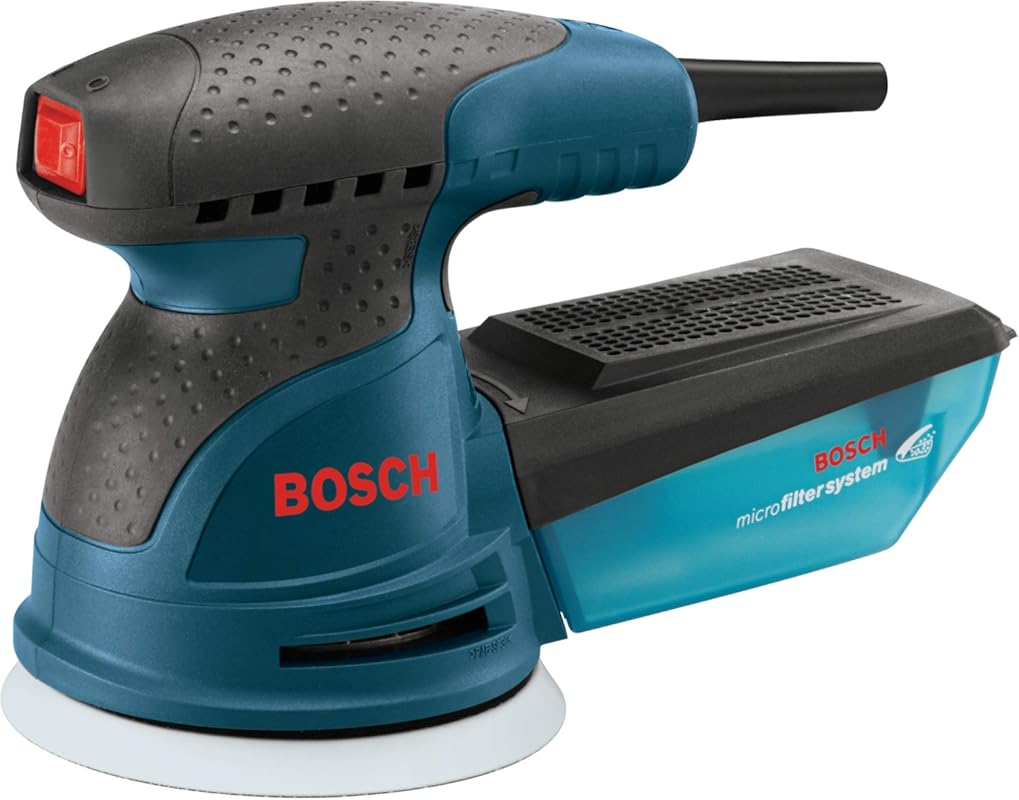
The BOSCH 5-inch Corded Variable Speed Random Orbital Sander and Polisher stands out for its ability to deliver a remarkably smooth, swirl-free finish. Its robust design and pad dampening system make it an excellent choice for achieving professional-grade results on your deck, whether you’re sanding or polishing. This tool embodies Bosch’s reputation for quality and precision, making it a strong contender for the best sander for deck finishing work.
Key Features That Stand Out
- ✓ Smooth Finish System: Features a pad dampening system that effectively eliminates swirl marks on both flat and contoured surfaces.
- ✓ Easy Disc Attachment: Utilizes Bosch’s Hook and Loop disc attachment system for quick and secure sandpaper changes.
- ✓ Variable Speed Control: A powerful 2.5 AMP motor allows for easy speed adjustment (7,500-12,000 OPM) to match the workpiece and task.
- ✓ Versatile Application: Functions as both a sander and a polisher, adding value to your tool collection.
Why We Recommend It
For those who prioritize a flawless, swirl-free finish on their deck, the Bosch sander is a top-tier option. Its unique pad dampening system sets it apart, ensuring that even after aggressive sanding, your deck surface will be exceptionally smooth. The variable speed control makes it adaptable for various stages of deck preparation, from rough sanding to fine polishing.
Best For
This Bosch sander is best for users who demand a professional-quality, swirl-free finish on their deck surfaces, and those who appreciate the versatility of a sander that can also polish.
Pros and Cons
Pros:
- Virtually eliminates swirl marks for a superior finish.
- Robust and durable Bosch build quality.
- Versatile as both a sander and polisher.
- Easy and quick sandpaper changes with hook and loop system.
Cons:
- Dust collection may not be as robust as models with cyclonic systems.
- Can be a higher investment compared to basic sanders.
- Corded design requires an extension for larger decks.
Customer Reviews
Customer Review: “I’ve been a loyal Bosch user for years, and this sander does not disappoint. The finish it leaves is truly exceptional, with no visible swirl marks even after heavy use on my old deck. It feels sturdy and powerful, exactly what you’d expect from Bosch.”
Customer Review: “This sander is a joy to use. The variable speed control is incredibly useful for different woods, and changing the discs is a breeze. My deck never looked better, so smooth and ready for stain. The dust collection is decent, but I usually hook it up to a shop vac for serious jobs.”
Complete Buying Guide for Best Sander Deck
Choosing the best sander for deck projects isn’t just about picking the most powerful tool; it’s about finding the right balance of features that suit your specific deck, your comfort, and your budget. Let’s break down what you should consider to make an informed decision.
Essential Factors We Consider
When you’re looking for a sander for deck restoration, several key features make a big difference in both performance and user experience:
- ✓ Type of Sander:
- Random Orbital Sanders: These are generally the most versatile for decks, offering good material removal without leaving noticeable swirl marks. They’re great for general surface sanding.
- Detail Sanders: Perfect for getting into tight corners, between deck boards, and on railings or spindles where larger sanders can’t reach.
- Belt Sanders: While powerful for aggressive material removal, they can be too aggressive for softer deck woods and require a skilled hand to avoid gouging. Generally not recommended for most deck surfaces unless you have very tough, thick wood and experience.
- Drywall Sanders: As seen with one of our picks, these can be surprisingly effective for very large, flat deck areas due to their power and extendable handles, especially for initial stripping.
- ✓ Power (Amps/Watts): A higher amperage (for corded tools) or wattage indicates more power, which is crucial for stripping old finishes and tackling rough wood on a deck. Look for at least 2.5 amps for orbital sanders for effective deck work.
- ✓ Orbits Per Minute (OPM): This indicates how fast the sanding pad moves. Variable speed control is a huge plus, allowing you to adjust the OPM for different sanding stages—lower speed for fine finishing, higher for aggressive removal.
- ✓ Dust Collection: Deck sanding generates a lot of dust. Look for sanders with efficient dust collection systems, whether it’s a micro-filter dust box, a cyclonic dust collector, or the ability to connect to a shop vac. This not only keeps your workspace cleaner but also improves visibility and air quality.
- ✓ Ergonomics and Comfort: Deck projects can take hours. A comfortable grip, reduced vibration, and a balanced design are vital to prevent fatigue. Consider the weight and how it feels in your hands.
- ✓ Pad Size: Common sizes are 5-inch and 6-inch for orbital sanders. Larger pads cover more surface area faster, while smaller pads offer more maneuverability.
- ✓ Durability: Deck work can be tough on tools. Look for sanders made with quality components that can withstand demanding outdoor use.
Budget Planning
The cost of a deck sander can vary widely, from under $50 to several hundred dollars. For a typical homeowner, a good quality random orbital sander will usually fall in the $60-$150 range. If your deck is very large or intricate, investing in two different types of sanders (e.g., a powerful orbital sander for the main surface and a detail sander for edges and railings) might be more efficient in the long run. Remember to also factor in the cost of sanding pads, which you’ll need in various grits.
Final Thoughts
When selecting the best sander for deck renovation, consider the size of your deck, the condition of the wood, and the level of detail required. For most general deck sanding, a powerful random orbital sander with good dust collection and variable speed will be your primary tool. Complement this with a detail sander if you have intricate railings or tight spaces. Don’t be afraid to invest a little more for features like advanced dust collection and ergonomic design; they will save you time and discomfort in the long run.
Frequently Asked Questions
Q: What is the best type of sander for a deck?
A: For most deck surfaces, a random orbital sander is highly recommended. It combines efficient material removal with a swirl-free finish, making it versatile for both stripping old finishes and preparing the wood for new ones. For railings and tight spots, a detail sander is also invaluable.
Q: Can I use a belt sander on my deck?
A: While a belt sander is powerful for aggressive material removal, it can be too aggressive for many deck woods and easily leave gouges or uneven spots if not handled by an experienced user. For most DIY deck projects, a random orbital sander is a safer and more forgiving choice for achieving a smooth finish.
Q: How important is dust collection when sanding a deck?
A: Dust collection is very important for deck sanding. Decks produce a significant amount of wood dust and old finish particles. Good dust collection keeps your work area cleaner, improves visibility, and is better for your respiratory health. Look for sanders with integrated dust boxes or ports for vacuum attachment.
Q: What grit sandpaper should I start with for a deck?
A: This depends on the condition of your deck. For heavily weathered decks with peeling paint or stain, start with a coarse grit like 40-60. Once the old finish is removed and rough spots are smoothed, move to a medium grit (80-100) to prepare the surface for a finer finish. Always finish with a finer grit (100-120) for a smooth surface ready for staining or sealing.
Q: Is a corded or cordless sander better for deck sanding?
A: For large deck projects, a corded sander is generally preferred because it offers consistent, uninterrupted power, which is crucial for extensive material removal. Cordless sanders offer convenience and mobility, but battery life can be a limiting factor, requiring multiple battery changes or downtime for recharging.
There you have it – our comprehensive guide and top picks for the best sander deck projects. Whether you’re undertaking a full deck renovation or just sprucing up the surface, the right sander can make all the difference. We hope this review helps you find the perfect tool to achieve a beautifully restored deck that you can enjoy for years to come. Don’t wait to give your outdoor living space the refresh it deserves!

I’m Darrell Julian, the founder, lead writer, and hands-on welding enthusiast behind ArcWeldingPro.com. With more than 15 years of real-world welding experience, I created this platform to share what I’ve learned in the field, in the shop, and in the heat of the arc.