Ever wondered why some MIG welds look shiny and strong while others appear weak and dull? It all comes down to something called shielding gas, and picking the right one is a big deal for any welder. If you’ve ever felt lost staring at a wall of gas cylinders, wondering which one is best for your project, you’re not alone. The wrong gas can lead to messy welds, weak joints, and a whole lot of frustration.
But don’t worry! By the end of this post, you’ll understand exactly what shielding gas does and how to choose the perfect type for your needs. We’ll break down the different kinds of gases, what they’re good for, and how they affect your welds. Get ready to say goodbye to confusing choices and hello to smooth, strong, and beautiful MIG welds.
Our Top 5 Shielding Gas For Mig Welding Recommendations at a Glance
Top 5 Shielding Gas For Mig Welding Detailed Reviews
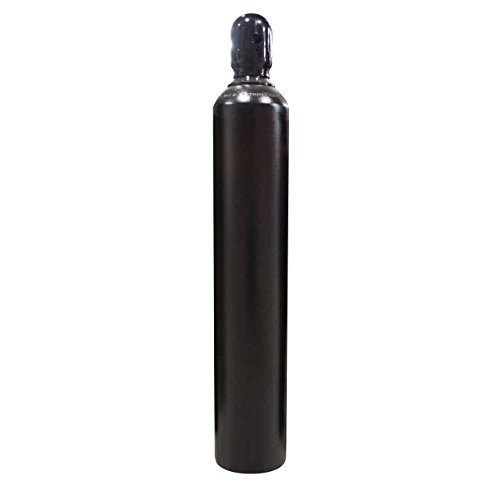
1. 125 cu/ft 75% Argon 25% CO2 Welding Gas Cylinder Tank CGA 580 – FULL
Rating: 9.4/10
This 125 cubic foot welding gas cylinder is filled with a 75% Argon and 25% CO2 mix. This blend is excellent for many welding jobs, especially on steel. The CGA 580 valve fits most standard welding equipment. This tank is full and ready to go for your projects.
What We Like:
- The cylinder has a 10-year hydrotest date. This means it’s built to last and safe for a long time.
- The tank is new, with a stamped date within the last 2 years. This ensures you get a fresh, reliable supply of gas.
- It meets DOT and/or ISO regulations. This confirms the tank is made to strict safety standards.
- The DOT number is stamped on the tank. This makes it easy to identify and verify its safety.
- It’s a full tank. You get the entire 125 cubic feet of gas you need.
What Could Be Improved:
- Shipping is only available to the Continental US (Lower 48 States). This limits who can buy it.
This welding gas cylinder is a solid choice for many welders. It offers reliability and meets important safety standards for your peace of mind.
2. 80 cu/ft 75% Argon 25% CO2 Welding Gas Cylinder Tank CGA 580 – FULL

Rating: 9.1/10
This 80 cubic foot welding gas cylinder is packed full of a 75% Argon and 25% CO2 mix. It’s ready to go for your welding projects. This gas blend is great for welding steel. It helps you get clean, strong welds. The CGA 580 fitting is standard for many welding machines. This means it should connect easily to your equipment. You get a full tank, so you can start welding right away.
What We Like:
- The cylinder is full and ready for immediate use.
- It comes with a 10-year hydrotest date, ensuring it’s safe and reliable for a long time.
- All cylinders are within 2 years of their stamped date, meaning they are practically new.
- It meets DOT and/or ISO regulations, so it’s built to high safety standards.
- The DOT number is stamped on the tank, which is important for safety and identification.
What Could Be Improved:
- Shipping is only available to the Continental US (Lower 48 States). This means people outside this area cannot buy it.
This welding gas cylinder is a solid choice for serious welders. Its safety features and full capacity make it a dependable option for your workshop.
3. Forney 37031 Nozzle Gel For Mig Welding

Rating: 9.0/10
The Forney 37031 Nozzle Gel is a must-have for anyone who uses a MIG welder. This white gel comes in a 16-ounce container. It helps your welding equipment work smoothly. It creates a protective film that stops spatter from sticking. This keeps your nozzle and contact tip clear.
What We Like:
- It stops your MIG welder from acting up.
- A special film prevents clogs in the nozzle and tip threads.
- It works on machines for both manual and automatic welding.
- The gel has no smell.
- It is safe to use because it’s not flammable or toxic.
- It does not contain silicon, which is good for welding.
- It will not make your welds have tiny holes (porosity).
What Could Be Improved:
- The container could be easier to open for some users.
- More detailed instructions on application frequency might be helpful.
This nozzle gel makes MIG welding much easier. It keeps your equipment clean and your welds looking great.
4. 40 cu/ft 100% Argon Welding Gas Cylinder Tank CGA 580 – FULL

Rating: 9.2/10
This 40 cu/ft 100% Argon Welding Gas Cylinder Tank CGA 580 – FULL is a vital tool for welders. It holds a generous amount of pure argon gas. This gas is essential for many types of welding, like TIG welding. It helps create clean and strong welds. The tank is ready to go right out of the box, as it’s full of gas.
What We Like:
- The cylinder is guaranteed for 10 years with a recent hydrotest date.
- It’s very new, with a hydrotest date within the last 2 years.
- It meets important safety rules like DOT and ISO.
- The tank has its DOT number clearly stamped on it.
- It comes full of 100% argon gas, so you can start welding right away.
What Could Be Improved:
- Shipping is only available for the lower 48 states in the US.
This argon cylinder is a reliable choice for your welding projects. It offers good value and comes ready for use.
5. RX WELD Argon Regulator Flowmeter Gas Gauge for Mig Tig Weld with Gas Welding Hose

Rating: 8.7/10
The RX WELD Argon Regulator Flowmeter Gas Gauge is a handy tool for anyone doing MIG or TIG welding. It helps you control the gas flow accurately. This regulator works with common Argon, Helium, and CO2 tanks. It’s built tough with brass, so it can handle tough jobs. You get everything you need to get started right in the box.
What We Like:
- It fits CGA-580 tanks, which are very common.
- You can connect it to different types of fittings, like female 9/16″ x 18 or male 5/8″ x 18.
- It also has a standard 1/4″ barbed fitting for easy hose connection.
- The gas flow is accurate and adjustable from 10 to 60 cfh.
- It’s made of strong brass to last a long time.
- The package includes a 6.6ft hose and a hose clamp, so you’re ready to go.
- RX WELD offers more accessories, giving you confidence in its completeness.
- It’s designed specifically for MIG and TIG welding.
- It’s a good value for precise gas metering.
What Could Be Improved:
- The instructions could be a bit clearer for beginners.
- While it’s well-made, some users might prefer a digital display for even more precise readings.
This regulator is a solid choice for welders who need accuracy without breaking the bank. It provides reliable gas control for your welding projects.
Choosing the Right Shielding Gas for MIG Welding
MIG welding uses a shielding gas to protect the molten metal from the air. This protection prevents impurities from getting into your weld. Picking the right gas is super important for a strong and clean weld. This guide will help you understand what to look for.
1. Key Features to Look For
A. Gas Purity
High purity gas means fewer problems. Impure gas can cause weak welds or a messy appearance. Always check the purity level. Most good gases are 99.9% pure or higher.
B. Gas Flow Rate
The gas needs to flow at the right speed. Too little gas won’t protect your weld. Too much gas can be wasteful and blow away the shielding. Your welder’s manual will suggest a good flow rate.
C. Cylinder Size and Type
Gas comes in different sized cylinders. Small cylinders are good for home use. Big cylinders last longer for bigger jobs. Some cylinders are disposable, while others are refillable. Refillable cylinders are usually more cost-effective in the long run.
D. Regulator and Flowmeter
You need a good regulator to control the gas pressure. A flowmeter shows you how much gas is coming out. These tools help you get the perfect flow rate every time.
2. Important Materials
The type of metal you’re welding is the biggest factor in choosing your gas. Different metals need different gases to bond properly.
A. Steel
For most steel welding, a mix of Argon and Carbon Dioxide (CO2) works great. This mix is called C25 (25% CO2, 75% Argon). It’s popular because it’s affordable and gives good results.
- Pure CO2: This is cheaper but can cause more spatter (small metal droplets that fly out). It’s good for thicker steel.
- Argon/CO2 Mixes: Varying the amount of CO2 changes the weld. More Argon means less spatter and a smoother weld, but it costs more.
B. Aluminum
Aluminum needs pure Argon. Argon helps the weld flow smoothly and prevents oxidation (rusting) on the aluminum.
C. Stainless Steel
For stainless steel, you often use a mix of Argon and a small amount of CO2 or Oxygen. This helps maintain the stainless steel’s corrosion resistance. A common mix is 98% Argon and 2% CO2.
3. Factors That Improve or Reduce Quality
Several things can make your weld better or worse.
A. Gas Quality
As mentioned, pure gas is key. Dirty gas can ruin a good weld.
B. Flow Rate Control
Using a good regulator and flowmeter helps you maintain the correct gas flow. This prevents porosity (small holes in the weld) and ensures good penetration.
C. Environmental Conditions
Wind is the enemy of shielding gas. If you’re welding outside, use a windbreak or a gas with a higher CO2 content, as it’s a bit heavier and can resist wind better.
D. Weld Technique
How you move your welding gun matters. Keep the nozzle at the right distance from the weld puddle. This ensures the gas fully covers the molten metal.
4. User Experience and Use Cases
The best gas for you depends on what you’re welding and where.
A. Hobbyist/Home Use
For general steel projects around the house, a C25 (75% Argon/25% CO2) mix is a fantastic choice. It’s easy to use and affordable. Small, disposable cylinders are often convenient.
B. Professional/Industrial Use
Professionals might use different gases for specific jobs. They might opt for larger, refillable cylinders for continuous work. They might also choose higher-purity gases or specialized mixes for critical applications where weld quality is paramount.
C. Specific Projects
If you’re welding thin sheet metal, you might want a gas that produces less heat and spatter, like a higher Argon mix. For thicker materials, a gas with more CO2 can provide better penetration.
Frequently Asked Questions (FAQ)
Q: What is the most common shielding gas for MIG welding steel?
A: The most common shielding gas for MIG welding steel is a mix of 75% Argon and 25% CO2, often called C25.
Q: Can I use pure Argon for steel?
A: While you can use pure Argon for steel, it’s not ideal. It tends to create a more fluid puddle and can lead to less penetration and more spatter than a CO2 mix.
Q: What gas should I use for welding aluminum?
A: You should use pure Argon when welding aluminum. This helps create a clean, strong weld.
Q: Does wind affect my shielding gas?
A: Yes, strong winds can blow away your shielding gas. This can lead to a porous and weak weld. Try to shield your weld area from wind.
Q: How do I know if my gas flow rate is correct?
A: Your welder’s manual will give you a recommended flow rate. You can also listen to the sound of the gas. It should sound like a steady hiss, not a roar or a whisper. A flowmeter on your regulator helps you measure it.
Q: What is spatter in MIG welding?
A: Spatter is small droplets of molten metal that fly out of the weld puddle. Too much spatter can be messy and waste metal. The type of gas you use can affect the amount of spatter.
Q: Are disposable gas cylinders good?
A: Disposable cylinders are convenient for light use or when you need a small amount of gas. However, they are more expensive per unit of gas than refillable cylinders for frequent users.
Q: What is the difference between Argon and CO2 as shielding gases?
A: Argon is a heavier gas that creates a more stable arc and less spatter. CO2 is cheaper and provides deeper penetration but can cause more spatter and a rougher weld.
Q: Can I use the same gas for all metals?
A: No, you cannot use the same gas for all metals. Different metals require specific shielding gases for optimal weld quality and to prevent contamination.
Q: How important is gas purity?
A: Gas purity is very important. Impurities in the shielding gas can get into your weld, making it weaker and more prone to defects.
In conclusion, every product has unique features and benefits. We hope this review helps you decide if it meets your needs. An informed choice ensures the best experience.
If you have any questions or feedback, please share them in the comments. Your input helps everyone. Thank you for reading.

I’m Darrell Julian, the founder, lead writer, and hands-on welding enthusiast behind ArcWeldingPro.com. With more than 15 years of real-world welding experience, I created this platform to share what I’ve learned in the field, in the shop, and in the heat of the arc.