When a solar eclipse paints the sky or the sun glows brighter than ever, curiosity tempts many people to take a direct look.
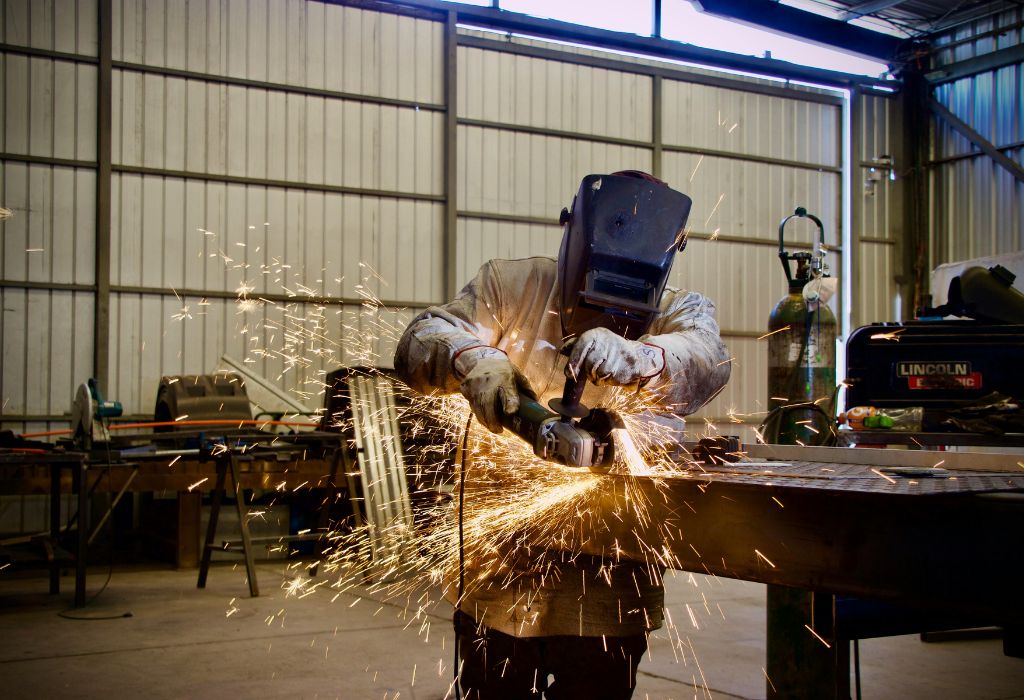
Some grab sunglasses, others reach for welding helmets, believing that dark lenses mean safety.
But the truth is far more dangerous than it appears.
Every year, thousands experience vision problems after viewing the sun without proper protection.
Eye specialists warn that even a few seconds of exposure can burn the retina, a condition known as solar retinopathy.
During major eclipses, hospitals often report up to thirty percent more eye injuries linked to unsafe viewing.
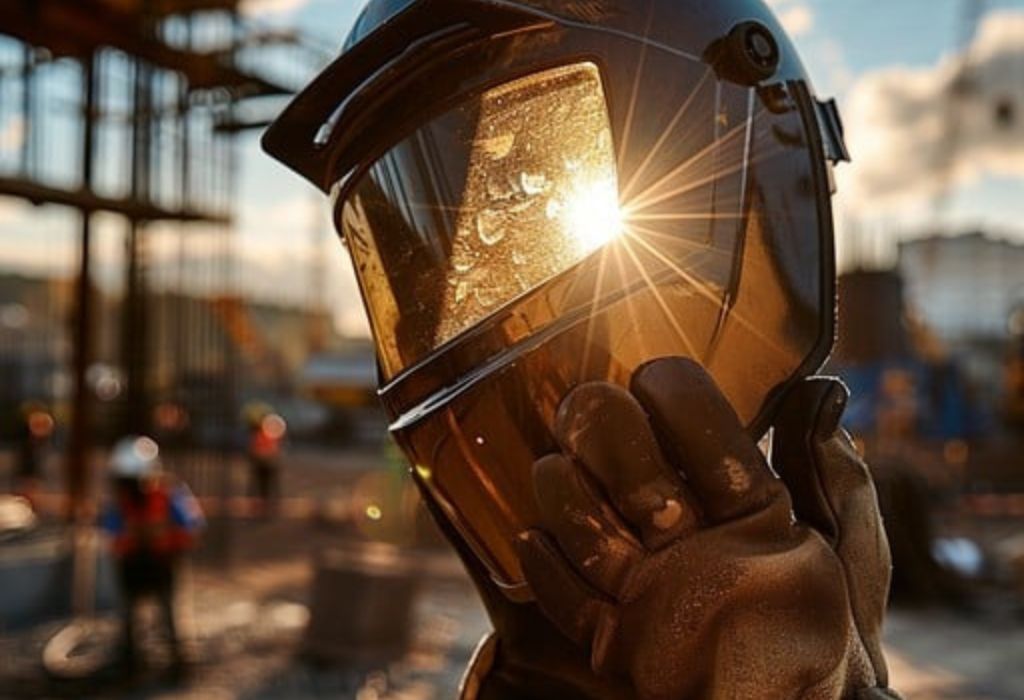
This leads to the common question: can I look at the sun with a welding helmet?
At first glance, it feels logical—the helmet blocks the blinding light of welding arcs, so it should protect against sunlight too.
Not exactly.
The sun emits far more ultraviolet and infrared radiation than any welding torch, and most helmets are not designed for solar viewing.
This guide explores the science behind solar safety, the correct shade requirements, and expert recommendations.
Because understanding how to safely look at the sun is the difference between a breathtaking moment and a lifetime of vision loss.
Why You Should Never Look Directly at the Sun
The human eye is incredibly sensitive, and direct sunlight overwhelms it instantly.
Even though the sun looks small from Earth, its radiation can permanently damage retinal cells in seconds.
The condition caused by this exposure is called solar retinopathy.
It leads to blurred vision, blind spots, or permanent scarring in the central vision.
What makes it more dangerous is that the eyes have no pain sensors for ultraviolet light.
You can cause irreversible damage before feeling any discomfort.
Experts confirm that cloud cover or brief glances offer no real protection.
Invisible ultraviolet and infrared rays still pass through, reaching and burning delicate eye tissue.
Questions About Sunlight Damage
What happens if you stare at the sun without protection?
The retina absorbs intense radiation, leading to burns and permanent vision loss.
Can a short glance cause harm?
Yes, even one or two seconds can damage light-sensitive cells beyond repair.
Do sunglasses protect your eyes from the sun?
No, standard sunglasses only block visible brightness, not harmful radiation.
Is indirect viewing through clouds or reflections safe?
No, because UV and IR rays still reach your eyes even when sunlight looks dim.
Can You Look at the Sun with a Welding Helmet?
Many believe welding helmets are a safe alternative to solar filters.
They are designed to block extreme brightness from welding arcs, but not necessarily the full spectrum of solar radiation.
A welding helmet uses a darkened glass called a shade lens to filter visible light.
However, not all shades block ultraviolet and infrared radiation at safe levels.
Helmets with shade numbers below 14 allow enough radiation to pass through to cause eye injury.
Only the darkest lenses—shade 14—can offer minimal protection against the sun’s intense rays.
Even then, the lens must be fixed and certified, because auto-darkening helmets may not reach or hold that shade consistently.
Relying on untested lenses can lead to false confidence and dangerous exposure.
Questions About Welding Helmet Safety
Is it safe to look at the sun through a welding helmet?
Only if the lens is shade 14; anything lighter can cause permanent damage.
Why do some helmets seem dark enough but still unsafe?
They reduce visible brightness but not ultraviolet or infrared radiation.
Can auto-darkening helmets protect during an eclipse?
Not reliably, because most models do not stay at shade 14 constantly.
Is it safe to use older helmets for solar viewing?
No, older lenses can degrade and lose their filtering strength over time.
Understanding Welding Helmet Shade Numbers
Every welding lens has a shade number indicating its darkness level.
The higher the number, the less light passes through the lens.
Shade 9 to 13 lenses are typically used for industrial welding.
However, these shades block only part of the harmful solar radiation, not all of it.
Shade 14 lenses are the minimum level that meet safety standards for looking at the sun.
This shade blocks nearly all visible light and dangerous wavelengths, keeping radiation below the damage threshold.
Anything lower may appear dark enough to the eye but still allow harmful rays through.
That’s why NASA and eye safety experts emphasize shade 14 as the only acceptable level for direct solar observation.
Questions About Shade Numbers
What does a shade number mean?
It measures how much light the lens blocks; higher numbers mean greater protection.
Why is shade 14 the minimum for solar viewing?
It’s the only shade dark enough to protect against ultraviolet and infrared radiation.
Can stacking lower shades equal a shade 14?
No, layering lenses doesn’t guarantee full coverage or even filtration.
Do cheaper helmets use real shade 14 filters?
Not always; always verify the filter label before using it.
Risks of Using Improper Welding Lenses
Using a low-shade welding helmet for solar viewing can be catastrophic.
It gives a false sense of security because the sun looks dimmer through the lens, but radiation still penetrates.
Even a few seconds of exposure through shade 10 or 11 can cause corneal burns or retinal injury.
Symptoms may not appear immediately but can develop within hours as blurred or distorted vision.
Permanent eye damage often occurs silently, without pain, because nerve endings in the retina cannot detect heat.
This makes unsafe viewing even more deceptive and dangerous.
Questions About Improper Use
Can your eyes heal after solar burns?
Mild surface burns may recover, but retinal damage is usually permanent.
Do polarized sunglasses provide extra protection?
No, they only reduce glare and visible brightness, not UV or IR radiation.
Is it safe to use a low-shade helmet just for a few seconds?
No, even brief exposure through the wrong filter can cause permanent damage.
Can reflections from shiny surfaces cause harm?
Yes, reflective sunlight can also burn your eyes if viewed without protection.
Proper and Safe Ways to Observe the Sun
The safest way to view the sun is to use ISO-certified solar viewing glasses.
These filters are specifically designed to block ultraviolet, visible, and infrared light to safe levels.
Another safe option is to use a solar filter designed for telescopes or binoculars.
These filters are mounted at the front of the optics and tested for optical density.
Indirect viewing methods, such as pinhole projectors, also allow you to watch an eclipse safely without looking directly at the sun.
Avoid homemade filters or old film negatives—they do not block enough radiation.
Questions About Safe Viewing Methods
What is the safest way to watch a solar eclipse?
Use certified eclipse glasses or solar filters that meet international safety standards.
Can a welding glass with shade 14 be used instead?
Yes, but only if it is fixed and verified to meet full protection requirements.
Are cheap or homemade filters safe?
No, uncertified materials allow dangerous radiation to pass through.
Can you use your camera or telescope to look at the sun?
Only with proper solar filters; never look directly through optics without one.
What Experts Recommend for Eye Safety

Organizations such as NASA and the American Astronomical Society strongly discourage using welding helmets below shade 14.
They recommend certified solar filters for any direct solar viewing.
Eye specialists agree that prevention is far easier than treatment.
Once retinal tissue is burned, vision loss cannot be reversed.
Proper eye protection is not about darkness—it’s about radiation filtering.
Always verify the filter specifications before using it for solar observation.
Questions About Expert Recommendations
What shade does NASA recommend for looking at the sun?
Shade 14 or darker; anything lighter is unsafe.
Do eye doctors approve welding helmets for solar use?
Only if they are fixed at shade 14 and in perfect condition.
Can you use the same filter for welding and solar viewing?
Yes, if it’s shade 14, but it must be tested and scratch-free.
Conclusion
So, can you look at the sun with a welding helmet?
Yes—but only if it’s shade 14 and in excellent condition.
Any lower shade will not block enough ultraviolet or infrared radiation, no matter how dark it appears.
Viewing the sun with the wrong lens can cause irreversible eye damage in seconds.
The safest option remains ISO-certified solar filters or eclipse glasses.
Protecting your vision is far more important than testing myths or shortcuts.
Eyes are irreplaceable—treat them like your most valuable tool.
With the right protection, you can safely enjoy every eclipse, sunrise, or solar wonder nature has to offer.

I’m Darrell Julian, the founder, lead writer, and hands-on welding enthusiast behind ArcWeldingPro.com. With more than 15 years of real-world welding experience, I created this platform to share what I’ve learned in the field, in the shop, and in the heat of the arc.