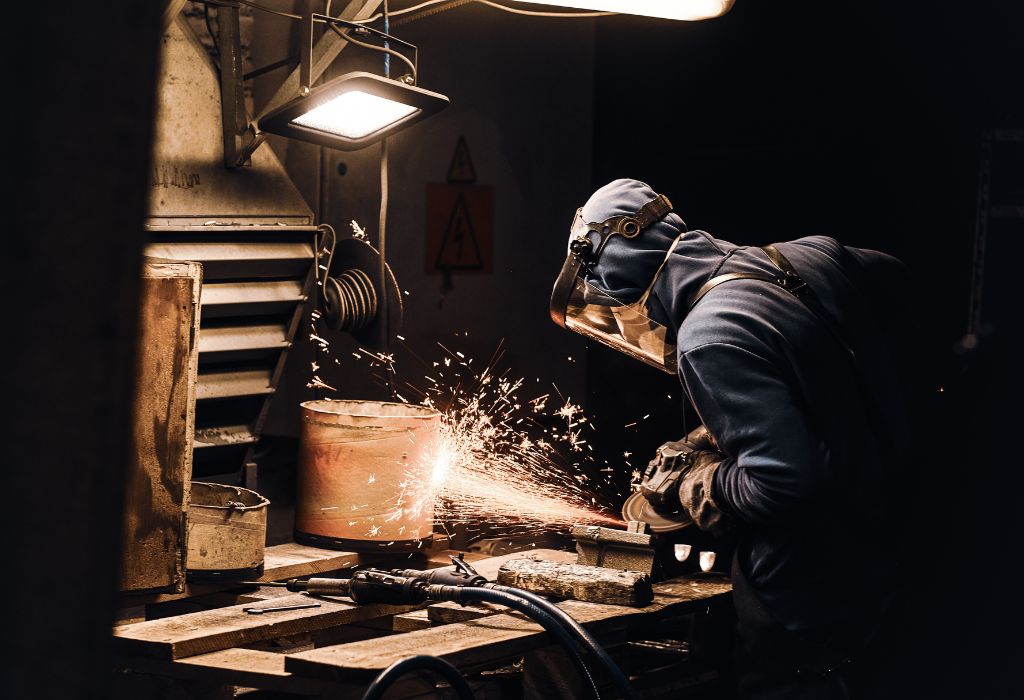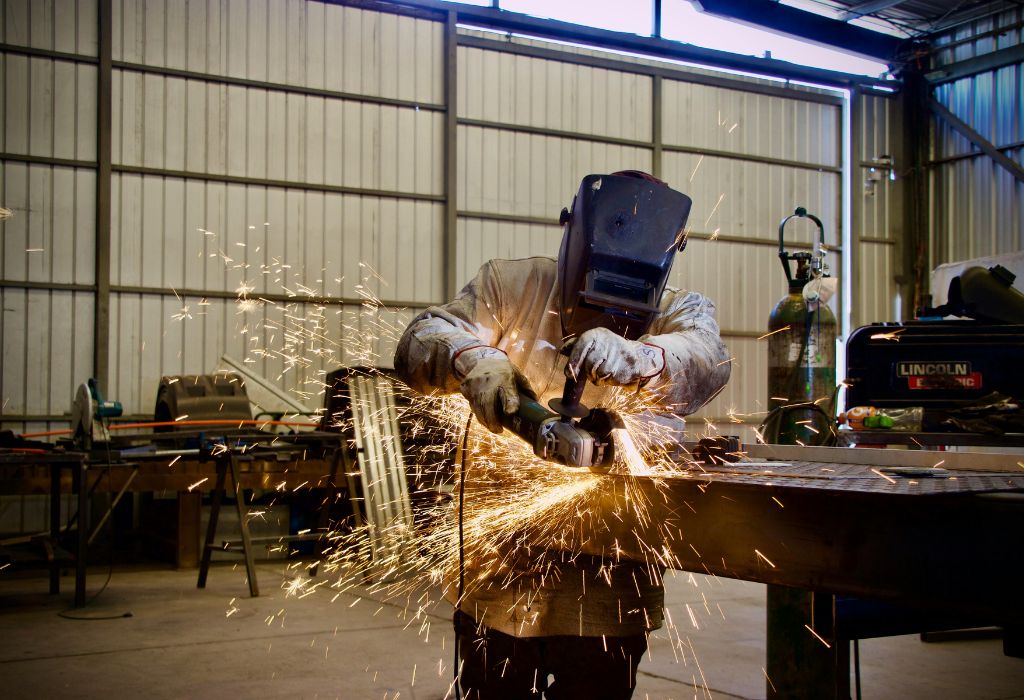
Millions of people look forward to the next solar eclipse, eager to witness the rare moment when the moon perfectly covers the sun. Yet every eclipse season, eye doctors warn of permanent damage caused by people staring at the sun without proper protection. One of the most common questions is — can I use a welding helmet for solar eclipse viewing?
At first glance, it seems logical. Welding helmets are designed to shield eyes from the blinding light of an electric arc, which can reach temperatures hotter than the surface of the sun. But the difference between welding and solar viewing lies in duration and light intensity.
According to NASA, direct viewing of the sun even for a few seconds without proper filters can cause permanent retinal burns or “eclipse blindness.” After every major solar event, thousands of people report eye injuries simply because they used the wrong filter (nasa.gov).
This article will explain exactly when a welding helmet is safe for solar eclipse viewing, what shade level is required, how to test your helmet, and the safest alternatives if your helmet doesn’t meet the standard.
Understanding the Danger – Why You Can’t Just Use Any Helmet or Glasses
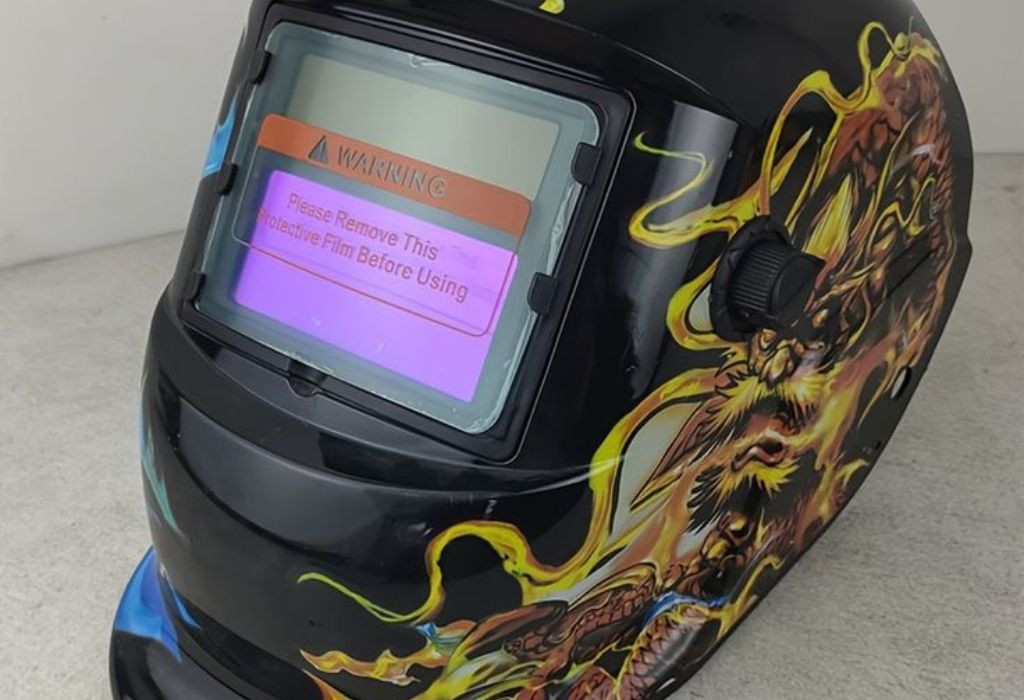
Watching the sun during an eclipse feels less intense because part of its light is blocked — but the invisible infrared and ultraviolet rays remain just as powerful. That’s what makes it so dangerous.
Even if your eyes don’t feel pain, these rays can permanently scar the retina. Ordinary sunglasses, even very dark ones, block only visible light — not the damaging UV and IR radiation.
Why is it unsafe to look at the sun during an eclipse without protection?
Because the sun’s harmful rays still reach your eyes even when it appears dim, leading to retinal burns that cause lifelong vision loss.
What makes eclipse viewing different from daily sunlight?
During partial coverage, the pupils dilate, allowing more concentrated radiation to enter, which damages tissue faster than during full daylight.
Are regular welding helmets designed for sun viewing?
No. Most are engineered for welding arcs, not continuous solar observation, unless they have the correct shade filter.
What eye injuries can occur from unfiltered viewing?
Photokeratitis (eye sunburn), retinal burns, and permanent blind spots — often painless at first but irreversible within hours.
Why must filters comply with ISO 12312-2?
That international standard ensures a solar filter blocks all UV and 99.999 % of visible light, something most random dark glass can’t guarantee.
What Welding Helmet Shade & Filter Requirements Apply
The key to safe solar viewing lies in the shade number — a rating system (DIN/ANSI) that indicates how much light a welding lens blocks. The higher the number, the darker and safer the filter for solar observation.
NASA and the American Astronomical Society recommend shade 12 or darker for watching a solar eclipse. Shades 13 and 14 provide the best balance of visibility and safety. Anything below 12 lets in too much sunlight and can cause damage even within seconds.
What shade number is recommended for eclipse viewing?
At least shade 12 — ideally shade 13 or 14 for maximum eye protection.
Can a shade 10 or 11 helmet be used safely?
No. These are far too light for direct solar viewing and may cause retinal damage within seconds.
Is an auto-darkening welding helmet safe?
Only if it has a fixed shade 13 or 14 mode that remains dark even when sensors are inactive. Standard auto-darkening helmets that fluctuate may flash unfiltered sunlight into your eyes.
What role does certification play?
Helmets meeting ANSI Z87.1 and ISO 12312-2 standards ensure tested, consistent optical density.
Why might a high-shade filter still be unsafe?
Scratches, cracks, or counterfeits compromise uniform protection, allowing radiation to leak through.
How to Check Your Welding Helmet Before Using It for Solar Viewing
Even if your welding helmet lists shade 13 or 14, you must inspect it carefully before pointing it at the sun. Small lens defects or old filters can turn a safe helmet into a dangerous one.
Start with a bright-light test indoors. Stand in a well-lit area and look at a strong bulb — you should see almost nothing through the lens. If the light appears clear or your eyes feel strain, the shade isn’t sufficient.
How do you verify the shade number?
Look for the number etched or printed near the lens or on the auto-darkening filter housing.
What condition should the lens be in?
Completely free of scratches, cracks, or burn marks. Even a tiny defect can allow unfiltered sunlight through.
How to test if it’s safe for solar viewing?
Hold the helmet toward the sun for a moment. If the light seems bright or uncomfortable, it’s not dark enough — never continue staring.
What damage signs mean you shouldn’t use it?
Peeling filters, hazy lenses, slow auto-darkening response, or discoloration indicate the lens is unsafe.
When should you avoid using your welding helmet altogether?
If it’s old (10+ years), uncertified, or lacks a fixed shade 13–14 filter.
Alternatives & Safer Options for Solar Eclipse Viewing
Even though some welding helmets can work, dedicated eclipse glasses remain the safest and simplest option. These are designed specifically for solar observation and meet ISO 12312-2 standards.
Another safe method is indirect viewing — projecting sunlight through a pinhole or telescope onto a white surface so you can watch the shadow rather than the sun itself.
What are eclipse glasses and what standard must they meet?
They are lightweight cardboard or plastic viewers that filter UV, IR, and visible light according to ISO 12312-2 certification.
Why use a pinhole projector?
It lets you view the eclipse indirectly without looking at the sun at all — perfect for groups or children.
Can you combine welding helmets and eclipse glasses?
No. Layering filters may distort light or cause reflections that increase risk.
Is it safe to view through a telescope with a welding lens?
Never. Magnified light can burn through filters instantly. Always use a certified solar telescope filter.
If your helmet doesn’t meet the shade level, what should you do?
Buy ISO-certified eclipse glasses from reputable suppliers or visit public observation events where equipment is provided.
Practical Tips for Viewing the Eclipse with a Welding Helmet
If your welding helmet is certified and has the correct shade, you can use it — but carefully. Treat it as professional eye protection, not a casual viewer.
Check fit and cleanliness before the event. Avoid quick glances at the unfiltered sun or switching modes mid-view. Children should always be supervised.
How should you wear the helmet?
Fit it snugly, ensuring full coverage around the eyes with no side light leaks.
Is it safe to remove the helmet during totality?
Only during the brief total eclipse phase when the sun is fully covered — and only if experts confirm the timing in your region.
How long can you safely look through it?
As long as the filter remains in place and comfortable; if any light appears intense, look away immediately.
What if you feel discomfort or heat on your eyes?
Stop at once — your lens may be compromised or too light.
Can children use welding helmets?
Only if adjusted to fit tightly and verified as shade 13–14; otherwise, use certified eclipse glasses instead.
Common Myths & Mistakes to Avoid

Every eclipse brings a wave of misinformation that can end in eye injuries. Don’t let myths put your vision at risk.
Is a shade 4 or 5 helmet safe?
Absolutely not. These are designed for grinding or light welding, not solar intensity.
Are welding goggles or dark sunglasses enough?
No — they block brightness but not UV/IR radiation.
Does stacking multiple sunglasses increase protection?
It may look darker but doesn’t block invisible radiation — still dangerous.
Does auto-darkening guarantee safety?
No. Unless fixed at shade 13–14, auto sensors may delay darkening for milliseconds, allowing harmful exposure.
Is it safe to glance quickly at the partial eclipse?
Even a one-second look can burn retinal cells beyond recovery.
Important reminder
Always test, verify, and trust certified equipment — never experiment with your eyesight.
Conclusion
So, can you use a welding helmet for solar eclipse viewing?
Yes — but only under very specific conditions. The helmet must use a shade 13 or 14 filter, be free of damage, and ideally meet ISO 12312-2 standards. Anything lighter is unsafe for direct solar observation.
If your helmet doesn’t meet these conditions, choose certified solar eclipse glasses or indirect viewing methods. Protecting your vision should always come before curiosity.
The solar eclipse is a rare, breathtaking moment. Experience it safely — inspect your welding helmet today, or pick up ISO-approved glasses so you can enjoy the wonder without risking your sight.

I’m Darrell Julian, the founder, lead writer, and hands-on welding enthusiast behind ArcWeldingPro.com. With more than 15 years of real-world welding experience, I created this platform to share what I’ve learned in the field, in the shop, and in the heat of the arc.