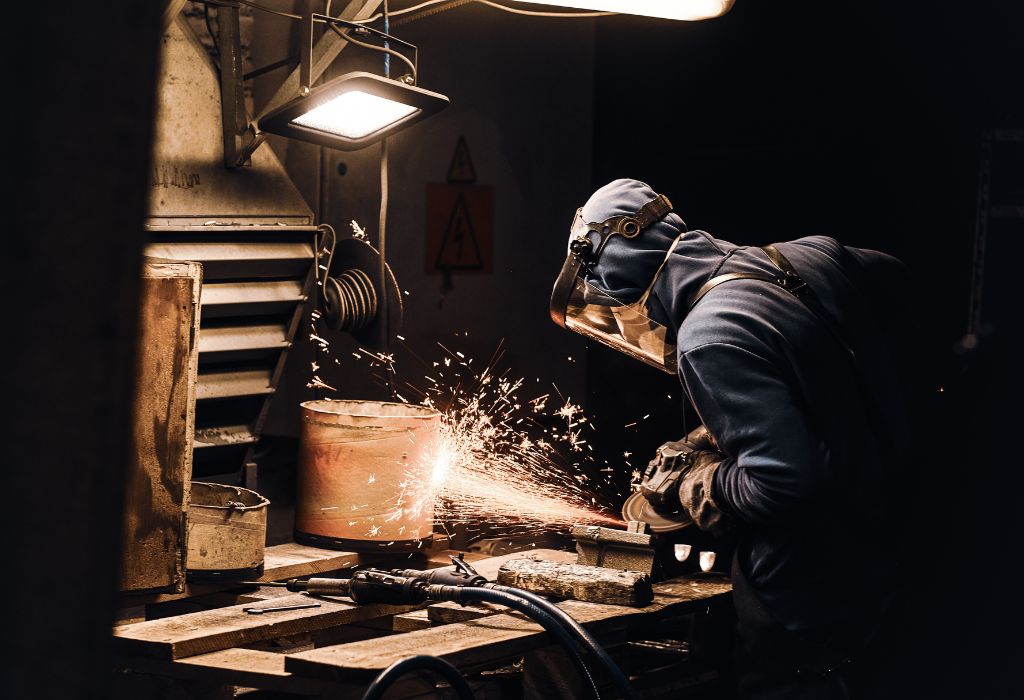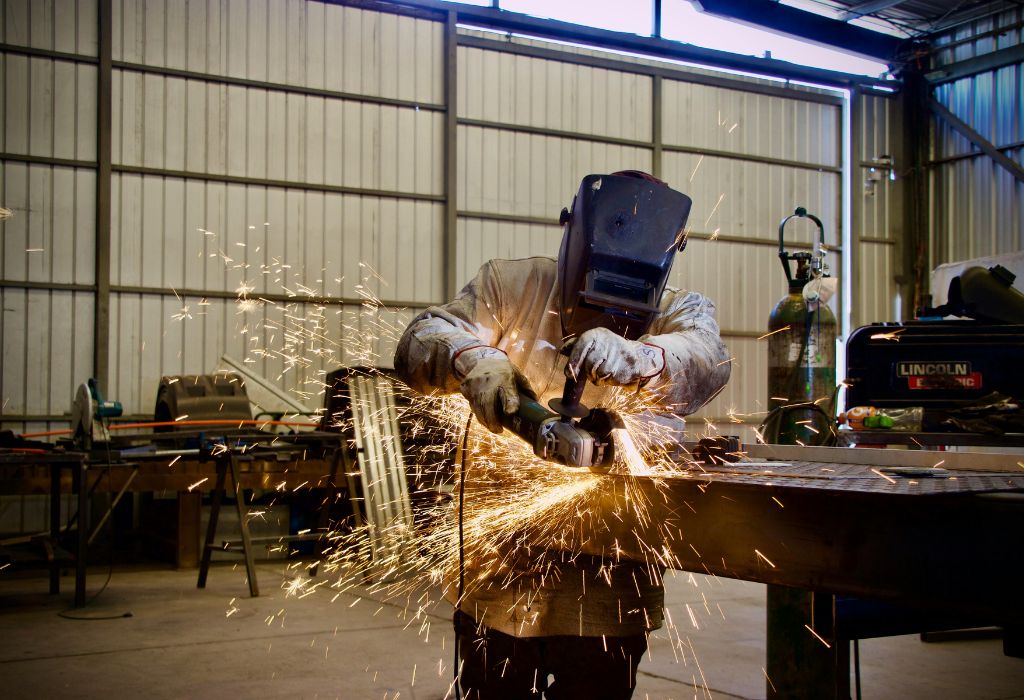
Every welder remembers that first blinding flash that made them promise never to weld without a helmet again. Yet many still grab the same old helmet year after year, assuming it will last forever. What if that trusted shield is slowly losing its ability to protect your eyes?
A welding helmet is one of the most important pieces of PPE (personal protective equipment) in any workshop. Its job is simple — block harmful radiation, sparks, and heat while keeping visibility clear. But like all safety gear, helmets age, and components degrade over time.
According to Welding World Magazine, most auto-darkening welding helmets last 3–10 years, depending on use and maintenance (weldingworldmag.com). Meanwhile, over 70 % of welding injuries involve eye exposure caused by faulty or old protection (osha.gov). Understanding when a helmet’s protection fades can literally save your sight.
This guide explains exactly whether welding helmets expire, what affects their lifespan, which parts wear out, and how to test, maintain, and replace them before failure happens.
What Does “Expire” Mean for a Welding Helmet?
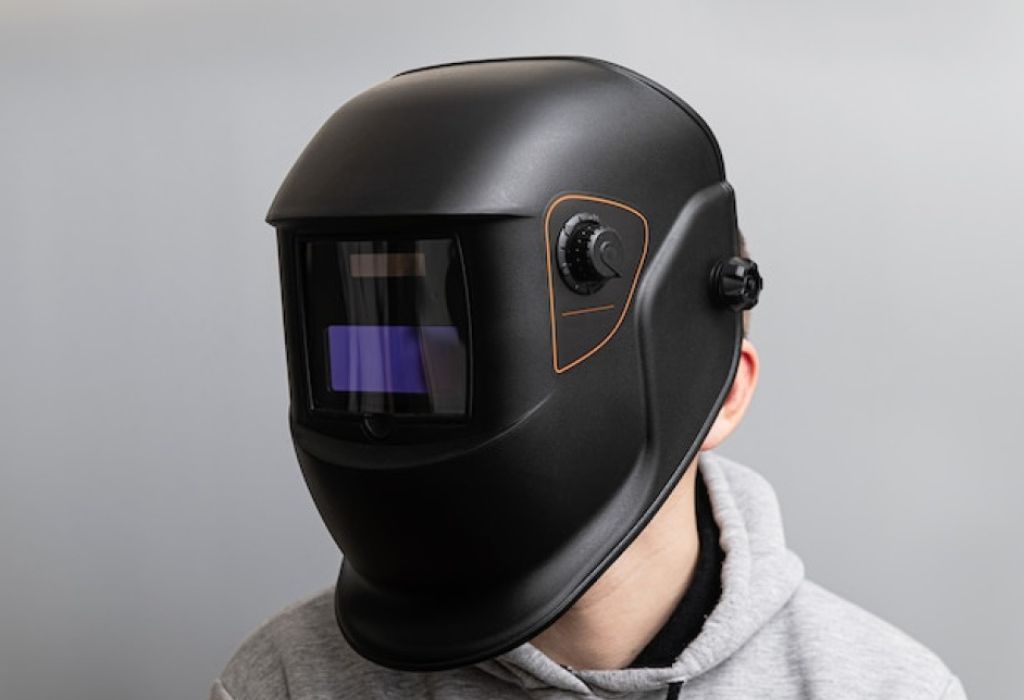
When people ask if welding helmets expire, they often expect a printed date like on food or medication. But helmets don’t have a strict expiration — they wear out as materials, sensors, and electronics slowly deteriorate.
Over time, exposure to UV radiation, heat, and impact can weaken the shell, reduce lens clarity, and slow the auto-darkening filter (ADF). Batteries lose charge capacity, solar cells degrade, and sensors become less responsive. Eventually, the helmet fails to darken fast enough to protect your eyes.
Does a welding helmet have a printed expiration date?
Most helmets don’t include an expiration date; they include a manufacturing date. Safety lifespan depends on condition and usage, not the printed label.
Which parts are most likely to degrade?
The outer cover lens, inside protective lens, auto-darkening filter, and headgear are the most vulnerable components.
Is it safe to use a helmet beyond its expected lifespan?
Only if it passes inspection — but slow-reacting filters or cracked lenses mean it’s time for replacement.
Do passive and auto-darkening helmets age the same way?
No. Passive helmets mainly suffer from physical wear, while auto-darkening models also experience electronic degradation.
How do safety standards define expiry?
ANSI Z87.1 and EN 379 don’t assign expiry dates but require ongoing performance within optical & mechanical tolerances.
Typical Lifespan of Welding Helmets and Key Factors
A quality auto-darkening welding helmet can last anywhere between 3 and 10 years depending on brand, environment, and care. Professional welders who use helmets daily may see shorter life spans than hobbyists.
Harsh conditions — high humidity, metal dust, or high heat — can accelerate aging. Infrequent maintenance or battery neglect also shortens usable life. Conversely, clean storage and proper care can extend performance for years.
How long should a good helmet last?
Budget models ≈ 3–5 years; premium professional models ≈ 8–10 years with maintenance.
Which environments reduce lifespan fastest?
Workshops with constant spatter, high UV light, or high humidity degrade sensors and plastics quickly.
How does frequency of use matter?
Daily welding cycles wear sensors and headgear faster than occasional weekend use.
Do brand and quality affect life expectancy?
Absolutely — helmets from Lincoln Electric, Miller, or Optrel often outlast low-cost imports thanks to better ADF modules.
Can maintenance extend the life of a helmet?
Yes. Regular cleaning, replacing outer lenses, and checking batteries can easily add 2–3 extra years of safe operation.
Components That Degrade and When to Replace Them
A welding helmet isn’t one solid unit; it’s a system of replaceable safety components. Each part ages at a different rate.
Outer Cover Lens
This clear lens protects the filter from spatter and scratches. For professionals, it should be replaced every few days of heavy use or when visibility drops.
Inside Lens
The interior lens shields the filter from sweat and debris. Replace monthly or when it shows haze or burn spots.
Auto-Darkening Filter (ADF)
The most sensitive component. If response time slows or shade is inconsistent, replace the filter or the entire helmet immediately.
Batteries or Solar Cells
Auto-darkening helmets rely on these for power. When they fail to hold charge or the helmet flashes during start-up, replace batteries or the unit.
Headgear and Shell
Cracked plastic, worn straps, or loose pivots compromise safety and comfort. Replace headgear yearly or when stability declines.
When should the outer lens be changed?
Whenever visibility decreases or after any pitting or spatter damage.
How to know if batteries are weak?
If the filter flickers or darkens slowly at arc strike, battery voltage is dropping.
Can you replace only parts instead of the full helmet?
Yes — most brands sell replaceable lenses, filters, and headgear kits for economical maintenance.
How to Inspect and Test Your Welding Helmet
Routine inspection prevents surprises mid-weld. Each session should begin with a quick safety check before striking an arc.
Visual Inspection
Look for cracks, melted edges, and lens discoloration. Any damage can distort vision and weaken impact resistance.
ADF Test
Point the helmet toward a bright light or lighter flame. The lens should darken instantly. If it lags even half a second, stop using it.
Battery and Solar Check
Verify battery indicators. Cover the solar strip and ensure the ADF still activates — otherwise internal batteries may be dead.
Headgear Integrity
Adjust the head strap and tension knobs. If they slip easily, replace the assembly.
Certification Label Verification
Ensure the helmet still carries ANSI Z87.1 or EN 379 markings. Missing labels could mean unauthorized or expired components.
How often should helmets be inspected?
Before each shift for professionals, and at least monthly for hobby use.
Which test proves the ADF is still functional?
Hold the helmet toward bright light; if it darkens instantly, sensors still work.
What indicates complete failure?
Permanent light state or flashing while welding.
Maintenance and Storage to Extend Helmet Life
Simple habits dramatically increase a helmet’s service life.
Clean Regularly
Use a soft microfiber cloth and mild soap — no solvents — to remove dirt, oil, and smoke residue.
Store Properly
Keep helmets in a dry, cool place away from sunlight. Direct UV can weaken the shell and sensors.
Replace Parts Promptly
Don’t wait for a total failure. Swap cover lenses and batteries on schedule.
Handle with Care
Avoid dropping or stacking heavy tools on the helmet. Impact can misalign the ADF sensor array.
Keep Spare Accessories
Stock extra outer lenses and batteries to avoid downtime mid-project.
How should you clean the helmet?
With mild soap and a soft cloth — never with thinners or acetone.
Which storage condition is ideal?
Dry, shaded area at room temperature with lens covered to block dust.
What maintenance tasks prevent failure?
Regular lens replacement and battery inspection.
How often to do full maintenance?
Monthly check for professional use, quarterly for occasional use.
When to Replace the Entire Welding Helmet
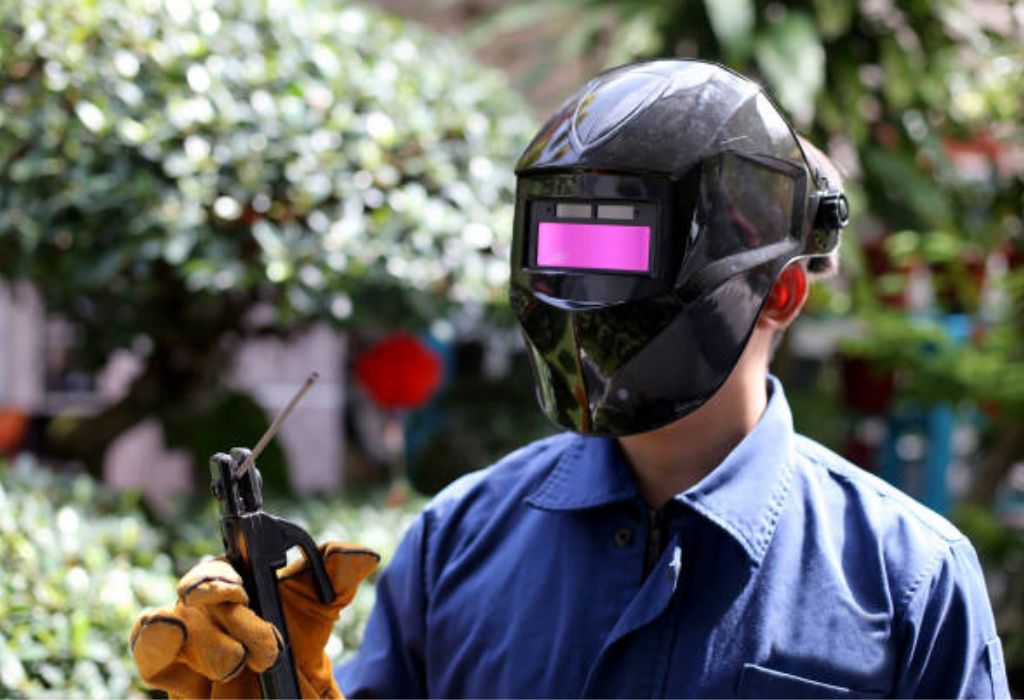
Even with care, every helmet reaches the end of its safe life.
Replace Immediately If:
– Shell is cracked, melted, or brittle.
– ADF fails to darken reliably.
– Sensors are blocked or malfunctioning.
– Headgear no longer adjusts securely.
– The helmet is more than 10 years old and used regularly.
If only part is worn, can you keep using it?
Yes — replace lenses or headgear as needed if the shell and ADF remain intact.
When does repair become uneconomical?
When ADF modules or sensors cost over half the price of a new helmet.
Can a helmet still protect if ADF fails?
Not adequately. A static shade lens can offer minimal protection but risks flash exposure.
Is a 10-year-old helmet safe if it looks fine?
Plastic degradation and sensor aging may be invisible — replace for safety.
How to dispose of an expired helmet?
Remove batteries and recycle plastic if possible; otherwise label “NOT FOR USE” and discard.
Regulatory Standards, Certifications & Expiry Myths
Many welders mistakenly believe their helmet expires after a specific period. In reality, no official standard imposes a fixed date.
ANSI Z87.1 (U.S.) and EN 379 (Europe) set minimum impact and optical safety requirements but don’t define shelf life. They require helmets to perform within spec at time of use, not age.
Some manufacturers print a production date for traceability — not an expiration date. Helmets should be retired based on wear, damage, or failing performance, not calendar age.
Does any standard set an expiry rule?
No — they mandate performance tests, not time limits.
What does the date sticker mean?
It shows manufacturing date, useful for tracking age and warranty.
What are common expiry myths?
That all helmets expire after 5 years or become illegal to use — both false.
How do certification marks help?
They confirm the helmet met optical and impact criteria when produced.
Should you rely only on printed dates?
Never — visual inspection and function tests are the true indicators of safety.
Conclusion
So, do welding helmets expire? Not in the same way as food or medicine — but they do wear out. Over years of heat, UV, and spark exposure, filters slow down, lenses scratch, and plastics weaken. The result is reduced protection exactly when you need it most.
Check your helmet regularly, replace outer lenses and batteries as scheduled, and never ignore flickering or slow ADF response. If your helmet shows any cracks, failing sensors, or aging beyond a decade — retire it. Your eyes and skin deserve the full protection a reliable helmet offers.
The cost of a new welding helmet is small compared to the price of lost vision. Inspect yours today and ensure every spark is met with confidence and safety.

I’m Darrell Julian, the founder, lead writer, and hands-on welding enthusiast behind ArcWeldingPro.com. With more than 15 years of real-world welding experience, I created this platform to share what I’ve learned in the field, in the shop, and in the heat of the arc.