
A welder’s safety begins with vision protection, yet few tools cause as much confusion as the welding helmet. Many users notice the auto-darkening lens flicker or stop working and wonder if their helmet actually runs on batteries.
Modern welding helmets have advanced far beyond the simple passive lenses used decades ago. Today’s auto-darkening helmets rely on sensors and power sources to instantly dim the lens, blocking harmful ultraviolet and infrared rays.
According to welding industry studies, over 85% of professionals now use auto-darkening helmets, and most contain batteries for consistent performance. Still, confusion persists over whether these helmets are purely solar-powered or contain hidden cells.
In truth, most welding helmets combine both systems — solar-assisted operation with internal batteries. Knowing how these work prevents sudden failure, protects eyes from arc flash, and extends helmet life.
This guide explains everything about welding helmet batteries: which models use them, how they work, replacement tips, and maintenance strategies to keep your protective gear safe and reliable.
What Types of Welding Helmets Exist and Why Batteries Might Be Needed
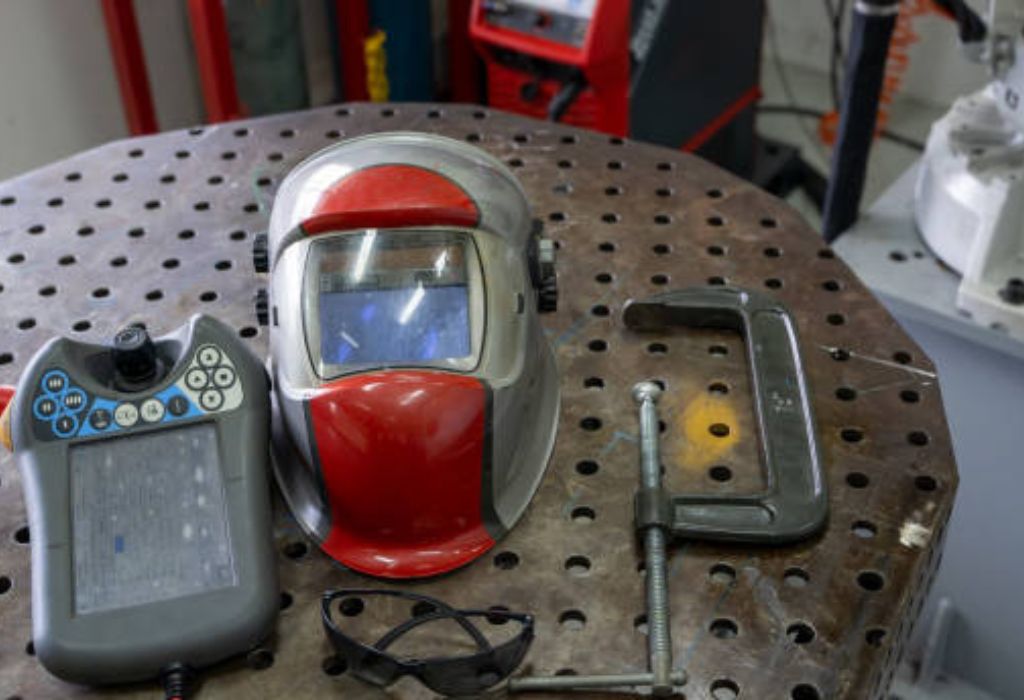
Welding helmets come in two major categories — passive (fixed-shade) and auto-darkening. Passive helmets rely solely on a static lens that filters bright light, while auto-darkening helmets use sensors and powered lenses that react instantly to welding arcs.
Because auto-darkening lenses require an electronic reaction, they need a power source. Batteries supply that energy, while solar cells recharge or assist in bright conditions.
The combination ensures fast lens darkening and reliable protection from arc flashes even when welding indoors or in dimly lit environments.
What is a fixed-shade welding helmet and does it use a battery?
Fixed-shade helmets use a single, non-electronic lens that blocks light continuously and does not require batteries.
What is an auto-darkening welding helmet and how does it use a battery?
Auto-darkening helmets use sensors and LCD filters powered by batteries to adjust the shade automatically when an arc is detected.
Do solar-powered welding helmets still have batteries?
Yes, most “solar” helmets have backup lithium coin cells or rechargeable batteries to maintain function in low light.
Why do some helmets operate without batteries?
Passive helmets work entirely through optical filtering, so no electrical power is needed.
How does the power source affect helmet safety?
A helmet with a stable battery provides faster reaction times and prevents eye strain or flash burns.
Battery Types Used in Auto-Darkening Welding Helmets
Different helmets use various battery configurations depending on model and brand. Common power types include disposable coin cells, rechargeable lithium packs, and hybrid solar-assisted batteries.
Coin-cell batteries such as CR2450 or CR2032 are popular because they’re compact, affordable, and easy to replace. Rechargeable lithium-ion batteries, on the other hand, last longer and are often paired with solar panels that keep them charged.
Solar-assisted systems use light to recharge internal cells, but even those rely on batteries to maintain consistent function in darker workspaces or storage conditions.
What common battery types are used in welding helmets?
CR2450 and CR2032 lithium coin cells are the most frequently used power sources in modern auto-darkening helmets.
What’s the difference between rechargeable and disposable batteries?
Rechargeable cells can last years and recharge via solar panels, while disposable ones require manual replacement after several months of use.
Are there helmets that run purely on solar power?
Few helmets rely solely on solar energy; most combine solar charging with battery backup for reliability.
How long do typical welding helmet batteries last?
Under regular use, batteries last 2–3 years before replacement is necessary.
What are signs that a helmet battery needs replacement?
Dim display, delayed darkening, or complete failure of auto-darkening function indicate weak or drained batteries.
How to Determine If Your Welding Helmet Has a Battery and How to Replace It
Not all helmets clearly show their battery compartment. Many auto-darkening helmets hide batteries behind the lens housing or beneath small side panels.
Checking your user manual is the safest way to confirm if your model contains removable or sealed batteries. Some sealed designs use permanent rechargeable cells that require professional service once they fail.
Always disconnect power and remove the lens cover before opening any compartment. Handle the lens carefully to avoid damaging the sensors or filter screen.
How can you tell if a welding helmet has a battery?
Look for a removable panel or small screw cap labeled “battery” near the lens or inside the headgear area.
Where is the battery compartment typically located?
Most helmets have the battery slot behind the filter cartridge or near the control buttons.
How do you safely replace the battery?
Turn off the helmet, remove old batteries with non-metallic tools, insert new ones with correct polarity, and secure the cover.
What precautions should be followed during replacement?
Avoid touching circuit boards or sensor areas and never use wet hands during maintenance.
What happens if battery maintenance is skipped?
Ignoring battery care can lead to lens failure, delayed darkening, or inconsistent shading that may harm vision.
Battery Life, Maintenance, and Best Practices
Battery lifespan depends on usage, storage, and working conditions. Helmets used frequently under high heat or bright arcs may drain faster than those used occasionally.
Proper maintenance can double a helmet’s battery life. Always store it in a cool, dry place and turn off the auto-darkening function when not in use.
Clean the solar panel regularly since dust and welding residue reduce charging efficiency. Regular inspection ensures reliable performance on every job.
How often should welding helmet batteries be checked?
Inspect them every few months or before each major project to ensure sufficient charge.
What conditions shorten battery life?
Excessive heat, constant exposure to UV light, and infrequent use can reduce charge capacity.
Does storage position matter?
Yes, leaving a helmet in a dark storage area for long periods can cause solar-assist batteries to drain.
How can maintenance improve battery life?
Cleaning panels, storing in lighted environments, and removing batteries during long inactivity preserve energy.
Are there special recommendations for harsh environments?
Keep the helmet dry, avoid direct rain, and use moisture-resistant storage bags when working outdoors.
Cost, Safety, and When to Upgrade Your Welding Helmet
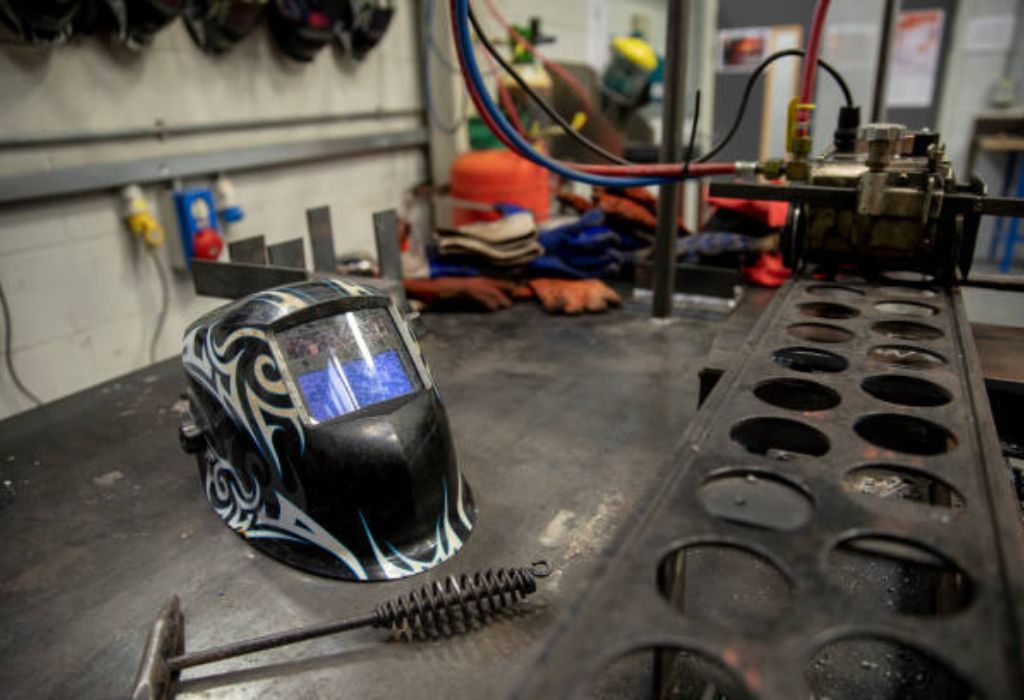
Batteries in welding helmets are inexpensive compared to the cost of damage caused by a failing lens. A simple battery change can restore safety and visual clarity instantly.
If the helmet frequently loses power or the lens reacts slowly, it may be time to upgrade. Modern helmets come with improved solar panels, longer battery life, and digital control features.
A well-powered helmet is not just about convenience; it’s a crucial component of eye safety and weld quality.
What are the risks if a battery fails mid-weld?
A sudden power loss can result in unfiltered arc exposure, causing severe eye strain or flash burns.
Is it better to replace batteries or buy a new helmet?
Replace the batteries first, but if issues persist, upgrading ensures newer safety technology.
What features indicate a strong power system?
Helmets with solar assist, dual sensors, and replaceable lithium cells provide the most reliability.
Are there helmets with low-battery indicators?
Yes, many premium models feature warning lights or display icons for battery replacement.
When should a welder replace the helmet instead of the battery?
If the auto-darkening lens or sensors fail repeatedly, replacing the entire unit is safer and more cost-effective.
Summary and Final Recommendations
Auto-darkening welding helmets depend on batteries for quick lens reaction and reliable performance. The power source ensures eye safety, consistent shading, and comfort during long welding sessions.
Most helmets use 1-1/16 inch lithium coin cells supported by solar assist, and regular replacement keeps them functioning effectively. Proper care, inspection, and cleaning of solar panels extend both battery life and helmet longevity.
What’s the main takeaway about welding helmet batteries?
Most auto-darkening helmets do have batteries, and maintaining them is essential for safety and visibility.
Which helmets need the most attention?
Older or frequently used helmets require more regular inspection and battery replacement.
What’s the easiest way to avoid sudden power failure?
Check the charge and clean the solar panel before each welding session.
How can welders maximize both safety and battery life?
Follow maintenance schedules, store properly, and use quality batteries from trusted brands.
Why is understanding welding helmet batteries important?
Because reliable power ensures immediate lens darkening, protects the eyes, and guarantees every weld is performed safely.

I’m Darrell Julian, the founder, lead writer, and hands-on welding enthusiast behind ArcWeldingPro.com. With more than 15 years of real-world welding experience, I created this platform to share what I’ve learned in the field, in the shop, and in the heat of the arc.