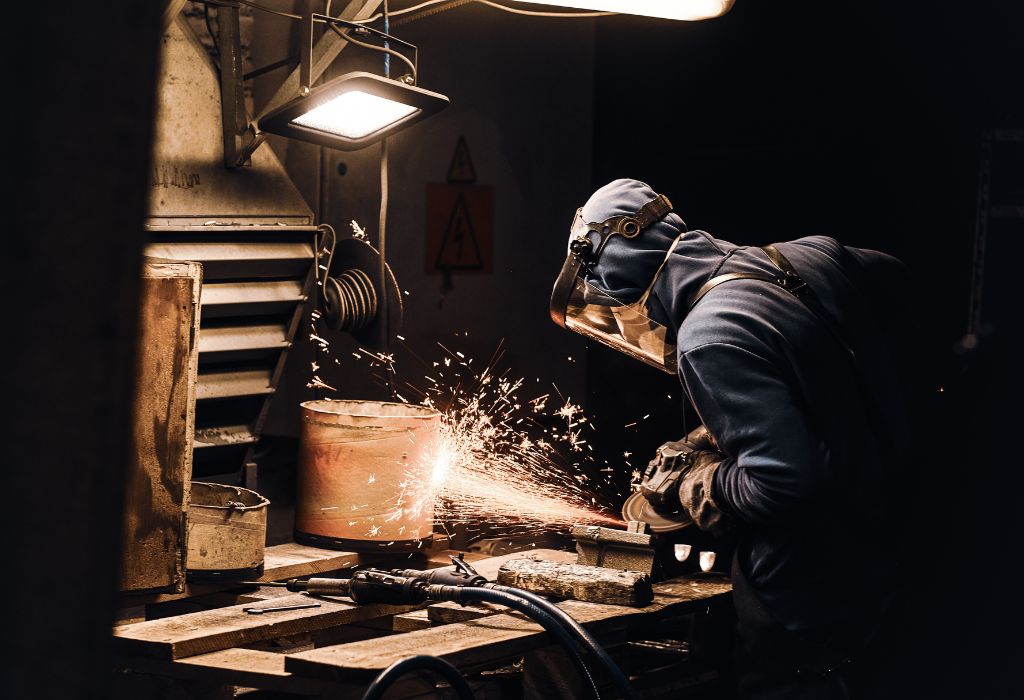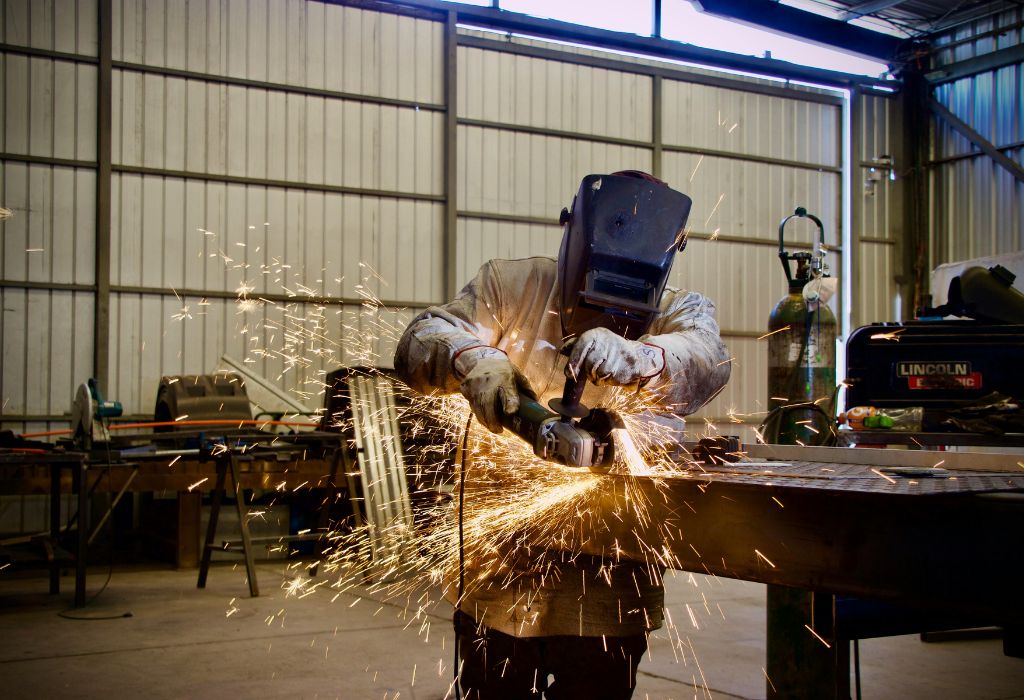
Welding is one of the most light-intense and heat-intensive tasks in any trade, and with that intensity comes a serious hidden risk: ultraviolet (UV) radiation. Each time a welding arc ignites, it emits UV rays that can burn unprotected eyes and skin within seconds.
According to the American Welding Society (AWS), arc welding can produce UV radiation levels up to ten times stronger than direct sunlight. That means even a brief flash of the arc can cause eye injuries, known as arc eye or welder’s flash, along with severe skin burns.
While most welders rely on helmets for protection, not all helmets are created equal. The quality of the lens, shade level, and safety certifications determine how well it blocks harmful radiation. The good news is that modern helmets are designed with UV and infrared (IR) filters that provide complete protection when used correctly.
In this article, you’ll discover how welding helmets protect from UV rays, which technologies make them effective, common myths about UV exposure, and the best ways to stay protected every time you strike an arc.
Understanding the UV Hazard in Welding
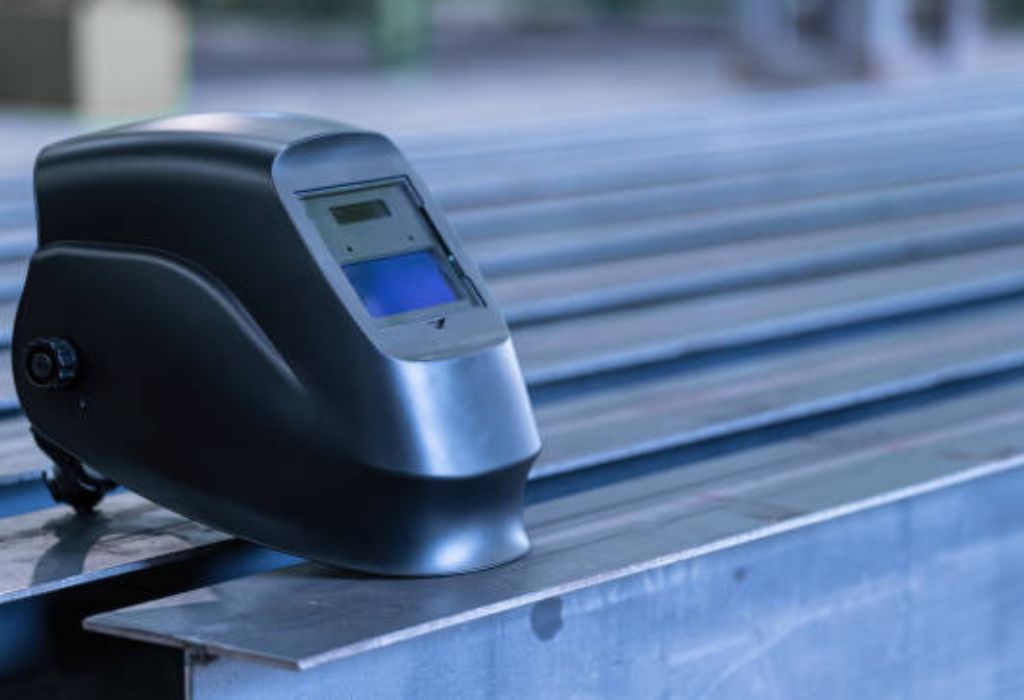
When a welding arc strikes, it generates an intense spectrum of electromagnetic energy that includes visible light, infrared radiation, and ultraviolet radiation (UV). UV rays are invisible but can cause instant and long-term damage to both eyes and skin.
Prolonged exposure can lead to welder’s flash, skin burns, premature aging, and even increased risk of cataracts. The radiation emitted depends on the welding process — MIG and TIG produce particularly high UV levels compared to others.
How does welding produce ultraviolet radiation?
The electrical arc ionizes gases and creates plasma, which emits a strong UV spectrum during metal fusion.
What is welder’s flash and how is it caused?
Welder’s flash is a painful eye inflammation caused by overexposure to UV rays from the welding arc.
Which parts of a welder’s body are most at risk from UV exposure?
The eyes, face, neck, and forearms are most vulnerable because they are closest to the arc.
How common are welding-related eye injuries?
Studies show about 25% of work-related eye injuries in industrial jobs involve welding exposure.
Why is UV protection crucial even when the light doesn’t look bright?
UV radiation is invisible, so you can still be harmed even if the arc appears dim or shielded by smoke.
How Welding Helmets Are Designed to Block UV Rays
Modern welding helmets are engineered to provide complete UV and IR protection, regardless of whether the lens appears dark or light. The lens contains specialized filters that absorb ultraviolet radiation at all times.
Even when an auto-darkening helmet is in its “light” state, these filters remain active. That means your eyes are protected before, during, and after every weld.
What components in a welding helmet block UV radiation?
The filter lens has built-in UV and IR coatings that prevent harmful wavelengths from passing through.
Do auto-darkening helmets protect from UV when not darkened?
Yes. Even before the lens darkens, the permanent UV/IR filter provides 100% protection.
What shade number should be chosen for proper UV protection?
Shade levels from 9 to 13 are recommended for most arc welding, ensuring adequate filtering for brightness and radiation.
Are all welding helmets equal in UV protection?
No. Only helmets meeting ANSI Z87.1 or EN 379 safety standards guarantee full UV and IR protection.
Which safety standards ensure protection against UV and IR?
ANSI Z87.1 in the U.S. and EN 379 in Europe specify optical clarity and radiation-blocking requirements for helmets.
Real-World Limitations and Myths About UV Protection
While helmets are effective, improper use or poor maintenance can reduce their protection. Cracked lenses, low-quality filters, or worn coatings can allow radiation to leak through.
Another common myth is that a darker lens automatically means more UV protection. In reality, UV protection comes from the filter layer, not the shade level.
Can a scratched or cracked lens still block UV effectively?
No. Damaged lenses can compromise the filter’s integrity and allow harmful light to pass through.
If a helmet has a lighter shade, is UV protection reduced?
No. Shade affects visible brightness, but UV protection remains constant if the filter is intact.
Are some welding processes riskier than others for UV exposure?
Yes. Processes like MIG, TIG, and flux-cored welding emit higher UV levels than gas or spot welding.
Is side or neck exposure still possible when wearing a helmet?
Yes. UV rays can reflect off nearby metal surfaces and reach exposed skin. Wearing full protective clothing is essential.
Does wearing a helmet mean no other protection is needed?
No. Gloves, jackets, and neck covers are also necessary to block stray UV rays and reflected light.
Best Practices to Maximize UV Protection While Welding
Even with a high-quality helmet, the way you use and maintain it affects your safety. Regular inspections, correct fit, and additional gear all contribute to total UV protection.
Always check your helmet lens for cracks or cloudiness before starting work. Replace batteries in auto-darkening models regularly to ensure sensors respond instantly when the arc strikes.
How often should the welding helmet lens or filters be replaced?
Inspect before every shift and replace at the first sign of cracks, discoloration, or reduced visibility.
What protective gear helps block UV beyond the helmet?
Welders should wear flame-resistant jackets, gloves, aprons, and neck covers to shield exposed skin.
When selecting a helmet, what features ensure maximum UV safety?
Look for certification labels such as ANSI Z87.1, EN 175, or CSA Z94.3, which confirm tested UV protection.
Should bystanders or nearby workers use UV protection too?
Yes. Even indirect exposure from reflected arcs can cause burns or eye irritation to unprotected observers.
What maintenance keeps a helmet effective?
Clean the lens with soft cloths, store it away from direct sunlight, and replace parts according to manufacturer guidelines.
Selecting the Right Welding Helmet for UV Safety
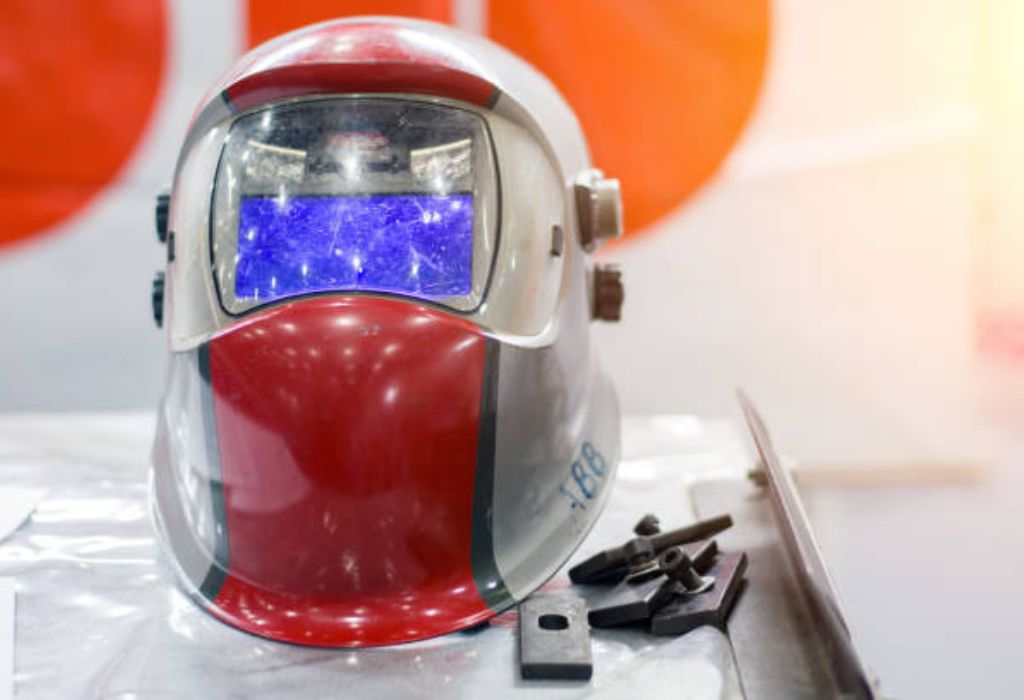
Choosing the right helmet is a crucial decision for any welder. A good helmet combines comfort, visibility, and certified UV/IR protection.
Auto-darkening helmets are the most popular because they automatically adjust shade levels, allowing both safety and convenience. However, traditional passive lenses also offer full UV protection if they meet safety standards.
What UV/IR rating should a helmet have for arc welding?
Helmets labeled with “99.9% UV/IR protection” or “ANSI Z87.1 certified” provide maximum protection.
How do shade numbers correlate with UV/IR protection?
Shade levels mainly reduce brightness, while UV protection remains constant across all certified helmets.
Are cheaper helmets safe against UV rays?
Only if they are tested and certified. Unbranded or uncertified helmets may lack adequate filter coatings.
Do all auto-darkening helmets guarantee full UV protection?
Yes, if they meet ANSI or EN certification. The protection remains active even when the lens is not darkened.
What certification marks confirm UV/IR safety?
Look for official markings like ANSI Z87.1, EN 379, or CE on the helmet’s frame or lens label.
Conclusion
UV radiation is one of the most dangerous yet invisible hazards in welding. Without proper protection, even short exposure can cause painful eye injuries and long-term damage.
Modern welding helmets provide reliable defense through advanced UV and IR filters that protect you at all times — even when the lens isn’t darkened. But protection also depends on proper maintenance, fit, and using additional gear for uncovered areas.
To stay safe, always wear certified equipment, inspect your gear regularly, and educate others about UV hazards in welding environments. A quality helmet is more than a tool — it’s your shield against invisible danger.

I’m Darrell Julian, the founder, lead writer, and hands-on welding enthusiast behind ArcWeldingPro.com. With more than 15 years of real-world welding experience, I created this platform to share what I’ve learned in the field, in the shop, and in the heat of the arc.