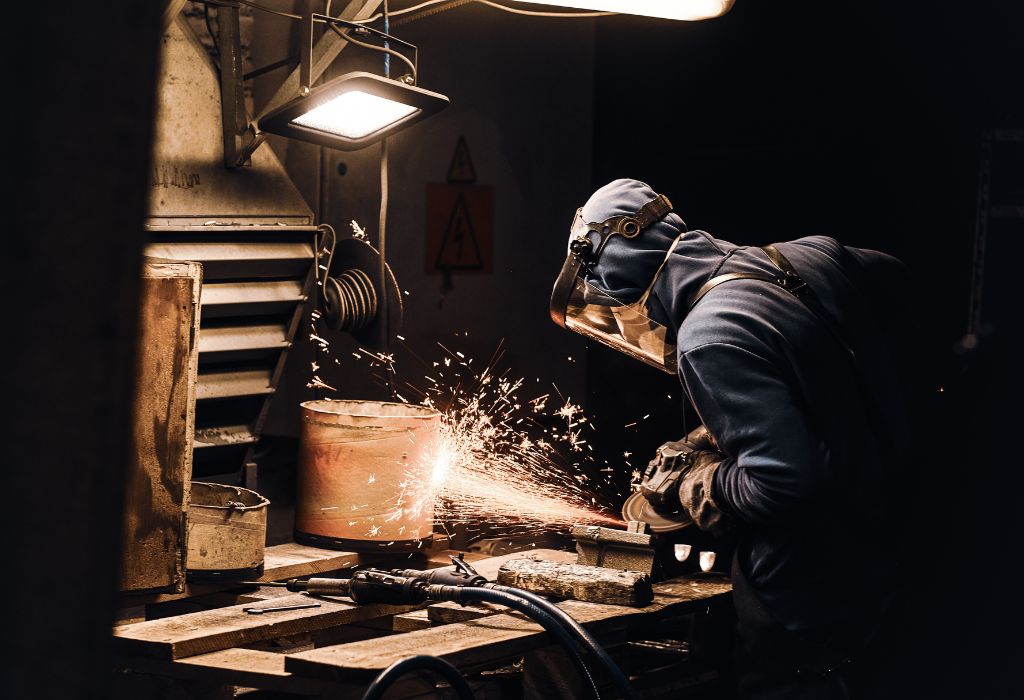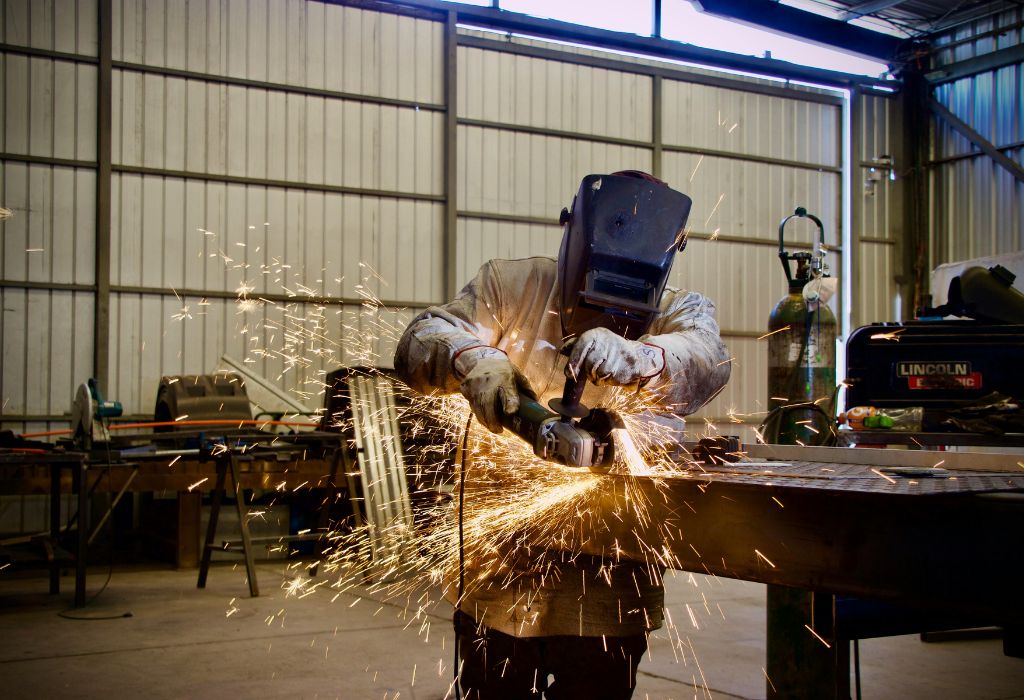
Imagine a time when welders relied solely on traditional fixed-shade helmets, lifting the mask repeatedly to check their work. This method was time-consuming, inefficient, and potentially hazardous to the eyes, exposing them to bright arcs and harmful UV/IR radiation.
Enter the automatic welding helmet, also known as an auto-darkening helmet. These helmets revolutionized welding by automatically adjusting the lens shade the moment the arc strikes, providing continuous protection without interrupting work.
Understanding how automatic welding helmets work is essential for welders of all experience levels. From the sensors that detect the arc, to the LCD lens that darkens in milliseconds, and the solar or battery power systems that keep everything running, these helmets combine technology and safety in a single, powerful tool.
In this guide, we’ll explain the components, auto-darkening technology, power systems, maintenance, common mistakes, and FAQs, giving you a complete understanding of how these helmets function and how to get the most out of them. Whether you’re a beginner or an experienced welder upgrading your gear, this article will help you understand, maintain, and safely operate an automatic welding helmet.
What Is an Automatic Welding Helmet?
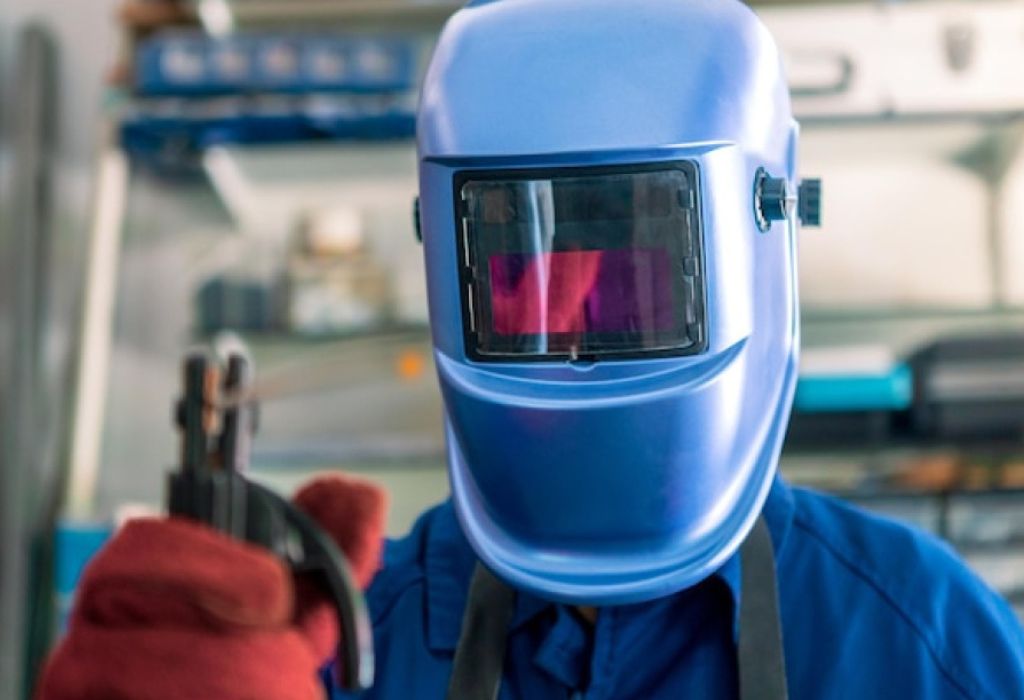
An automatic welding helmet, often called an auto-darkening helmet (ADH), is a modern protective tool designed to shield a welder’s eyes and face from intense light, sparks, and harmful UV/IR radiation while allowing continuous visibility of the workpiece.
Unlike traditional fixed-shade helmets, which require the welder to flip the mask up and down between welds, auto-darkening helmets automatically adjust the lens shade the instant the arc is struck, allowing uninterrupted workflow.
Key Benefits:
- Enhanced Safety: Protects eyes from bright arc light and harmful radiation instantly.
- Improved Efficiency: Reduces the need to repeatedly lift the helmet.
- Adjustable for Multiple Processes: Allows welders to change shade settings for TIG, MIG, Stick, or plasma cutting.
- Reduced Fatigue: Continuous visibility without constantly repositioning the helmet improves comfort during long welding sessions.
Automatic welding helmets combine sensors, LCD lenses, and power systems to provide both safety and convenience, making them a must-have for modern welders.
Core Components of Automatic Welding Helmets
Understanding the components of an auto-darkening helmet helps welders maintain, troubleshoot, and use their equipment effectively.
1. Auto-Darkening LCD Lens:
- The heart of the helmet; instantly adjusts shade to protect eyes.
- Lens shade can be fixed or variable, depending on the model.
- Protects against UV and IR radiation even when in light state.
2. Arc Sensors:
- Detect the welding arc within milliseconds.
- Usually 2–4 sensors on the front of the helmet.
- Trigger the lens to darken automatically for immediate protection.
3. Power System:
- Solar-assisted: Charges the battery from ambient light.
- Rechargeable lithium-ion: Allows repeated charging via USB or wall adapter.
- Disposable batteries: Found in older or budget helmets.
- Hybrid systems: Combine solar and battery for maximum reliability.
4. Helmet Shell and Headgear:
- Provides face and head protection against sparks and debris.
- Adjustable headgear ensures stability and comfort during welding.
5. Protective Covers:
- Inner and outer lens covers prevent scratches and extend lens life.
- Replace covers if damaged to maintain clarity and protection.
By understanding these components, welders can properly operate, maintain, and troubleshoot their automatic welding helmets for maximum safety and performance.
How Auto-Darkening Technology Works
The core feature of an automatic welding helmet is its auto-darkening technology, which allows the lens to adjust shade instantly when an arc is struck, protecting the welder’s eyes from bright light and harmful UV/IR radiation.
1. Arc Detection:
- Sensors on the front of the helmet detect the welding arc within milliseconds.
- Most helmets have 2–4 sensors strategically placed to ensure detection even at different angles.
2. Lens Activation:
- When the arc is detected, the liquid crystal display (LCD) lens changes from a light “viewing” state to a darker shade appropriate for the welding process.
- This instant darkening protects the eyes without requiring the welder to flip the helmet.
3. Adjustable Settings:
- Shade Level: Auto-darkening helmets allow manual or automatic adjustment for the correct shade depending on welding type and amperage.
- Sensitivity: Determines how easily the sensors respond to the arc.
- Delay: Controls how long the lens stays dark after the arc stops, allowing for comfortable post-weld observation.
4. Continuous Protection:
- Even in light state, the helmet blocks UV and IR rays, providing eye safety at all times.
- The combination of sensors and LCD lens ensures quick response and reliable protection during all types of welding.
This technology allows welders to work more efficiently, comfortably, and safely, reducing fatigue and improving welding accuracy.
Types of Power Systems in Automatic Helmets
Automatic welding helmets rely on a power source to operate sensors and the LCD lens. The type of power system affects charging, maintenance, and reliability:
1. Solar-Assisted Helmets:
- Equipped with solar panels on the helmet front.
- Solar power charges the internal battery during use or idle light exposure.
- Ideal for frequent welding in well-lit environments.
2. Rechargeable Lithium-Ion Helmets:
- Powered by internal rechargeable batteries.
- Charged via USB or wall adapter.
- Offers consistent power for extended use, even indoors or in low-light conditions.
3. Disposable Battery Helmets:
- Use AA or AAA alkaline batteries.
- Convenient but require frequent replacement.
- May be found in older or budget-friendly models.
4. Hybrid Helmets:
- Combine solar-assisted and rechargeable battery systems.
- Solar provides supplementary charge, reducing the need for manual recharging.
- Ensures helmet is always ready for use in variable lighting conditions.
Choosing the right power system is crucial for consistent auto-darkening performance and reduces the risk of the helmet failing during welding.
Common Applications and Use Cases
Automatic welding helmets are versatile tools that enhance safety and efficiency across multiple welding applications. Their instant lens darkening and adjustable features make them suitable for various tasks:
1. Stick Welding (SMAW):
- High-intensity arc welding requiring darker shade levels (typically 10–14).
- Auto-darkening helmets protect eyes instantly while allowing welders to monitor the arc.
2. MIG Welding (GMAW):
- Medium-intensity arc welding with moderate amperage.
- Helmets with adjustable shades provide optimal visibility and protection during continuous welding.
3. TIG Welding (GTAW):
- Low-intensity, precise welding often on thin metals.
- Adjustable auto-darkening helmets allow welders to maintain clear visibility of weld seams without sacrificing eye protection.
4. Plasma Cutting:
- Produces extremely bright arcs.
- Auto-darkening helmets ensure instant shade adjustment, protecting eyes from harmful UV and IR radiation.
5. Multi-Process Welding Environments:
- Auto-darkening helmets allow quick adjustments between welding types, improving workflow efficiency.
- Particularly useful in fabrication shops, automotive repair, or construction projects where multiple processes are used.
By understanding the applications, welders can select the right shade, helmet type, and settings to maximize both safety and productivity.
Maintenance and Care Tips
Proper maintenance ensures long-lasting performance and reliable protection from your automatic welding helmet:
1. Clean the Lens and Helmet Shell:
- Use a soft microfiber cloth and mild cleaner. Avoid harsh chemicals or abrasives.
- Keep both inner and outer protective covers clean to maintain clarity and lens life.
2. Inspect Sensors Regularly:
- Check for dust, debris, or spatter that may block the arc sensors.
- Clean sensors with a soft cloth or compressed air to ensure instant lens activation.
3. Battery and Power Maintenance:
- Recharge lithium-ion or hybrid batteries regularly.
- Check solar panels for dirt or obstruction to maximize efficiency.
- Replace disposable batteries promptly when low.
4. Store Properly:
- Keep the helmet in a cool, dry place, away from direct sunlight or extreme heat.
- Avoid storing with heavy objects on top, which could damage the shell or lens.
5. Test Auto-Darkening Function:
- Periodically test the helmet by exposing it to a welding light source or simulator to ensure sensors and lens respond correctly.
Routine maintenance not only extends the life of your helmet but also ensures that it provides consistent, reliable protection during every welding session.
Common Mistakes and Safety Considerations
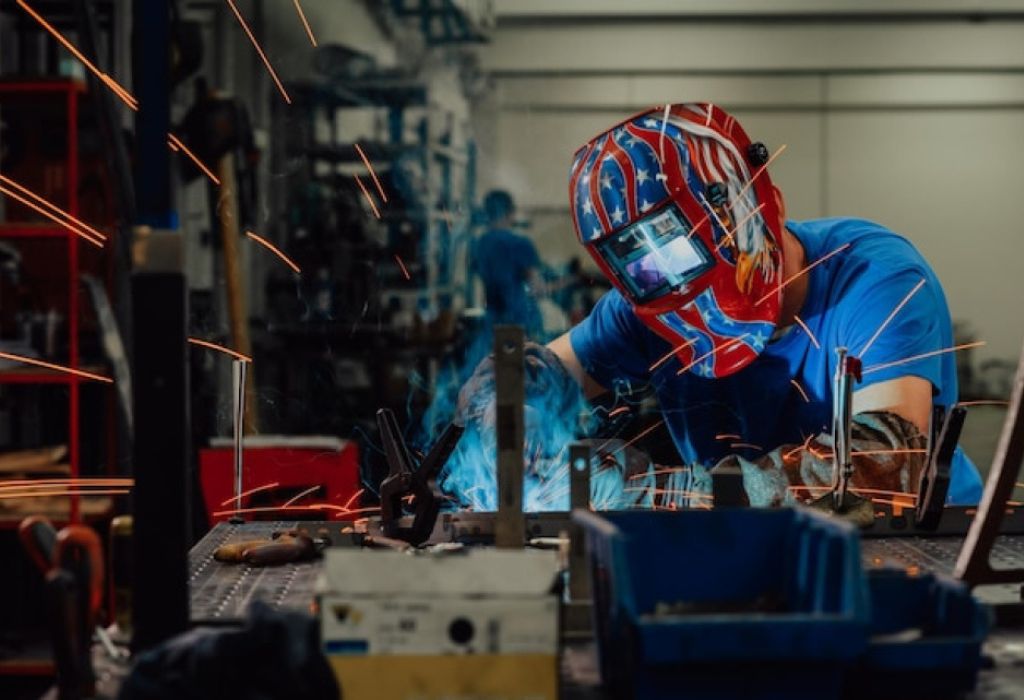
Using an automatic welding helmet correctly is crucial for both safety and performance. Avoiding these common mistakes ensures your helmet functions reliably:
- Ignoring Battery or Solar Power Status: Low power can slow lens response, reducing eye protection. Always check battery indicators before welding.
- Failing to Adjust Sensitivity or Delay: Incorrect settings may cause delayed darkening or false triggers, leaving eyes unprotected.
- Using Damaged Lenses or Sensors: Scratched lenses or blocked sensors can compromise clarity and safety. Replace worn parts promptly.
- Improper Fit or Headgear Adjustment: A loose helmet may shift during welding, exposing your face or impairing visibility.
- Neglecting Regular Maintenance: Dusty sensors, dirty lenses, and untested auto-darkening functions reduce reliability and can increase risk of eye injury.
Following proper assembly, adjustment, and maintenance practices ensures maximum protection and efficiency.
Frequently Asked Questions (FAQs)
How do automatic welding helmets detect the welding arc?
Sensors on the helmet detect the bright light of the arc within milliseconds, triggering the lens to darken instantly.
Can I use an automatic helmet for all types of welding?
Yes. Most auto-darkening helmets are adjustable and can be used for Stick, MIG, TIG, and plasma cutting.
What powers an automatic welding helmet?
They can be powered by solar cells, rechargeable lithium-ion batteries, disposable batteries, or hybrid systems combining solar and battery.
How often should I check the sensors?
Inspect sensors before each welding session or at least once a week to ensure proper function.
Do scratches on the lens affect auto-darkening?
Yes. Scratches reduce visibility, may distort the arc view, and can compromise UV/IR protection.
Can I adjust the shade on all auto-darkening helmets?
Most allow manual adjustment within a recommended range, while some have preset automatic shades.
How fast does the lens darken?
High-quality helmets darken within 1/25,000 to 1/10,000 of a second, protecting your eyes from the arc.
Can extreme temperatures affect helmet performance?
Yes. Very hot or cold conditions can reduce battery efficiency and sensor responsiveness.
Is it safe to store the helmet with the power on?
No. Turn off or remove batteries when storing to prevent unnecessary power drain or accidental activation.
What maintenance steps ensure reliability?
Clean lenses, check sensors, maintain battery or solar panels, inspect headgear, and replace damaged parts promptly.
Conclusion: Why Automatic Welding Helmets Are Essential
Automatic welding helmets combine cutting-edge technology with essential safety features, protecting welders from intense light, UV/IR radiation, and sparks while allowing clear visibility.
Key Takeaways:
- Auto-darkening helmets detect arcs via sensors and instantly darken the LCD lens.
- Power systems can be solar, rechargeable battery, disposable battery, or hybrid.
- Proper fit, adjustment, and regular maintenance are essential for reliability.
- Avoid common mistakes such as using damaged lenses or ignoring battery levels.
- Correct use improves safety, comfort, and welding precision.
By understanding how automatic welding helmets work, welders can maximize protection, efficiency, and longevity of their equipment, ensuring safe and productive welding sessions every time.

I’m Darrell Julian, the founder, lead writer, and hands-on welding enthusiast behind ArcWeldingPro.com. With more than 15 years of real-world welding experience, I created this platform to share what I’ve learned in the field, in the shop, and in the heat of the arc.