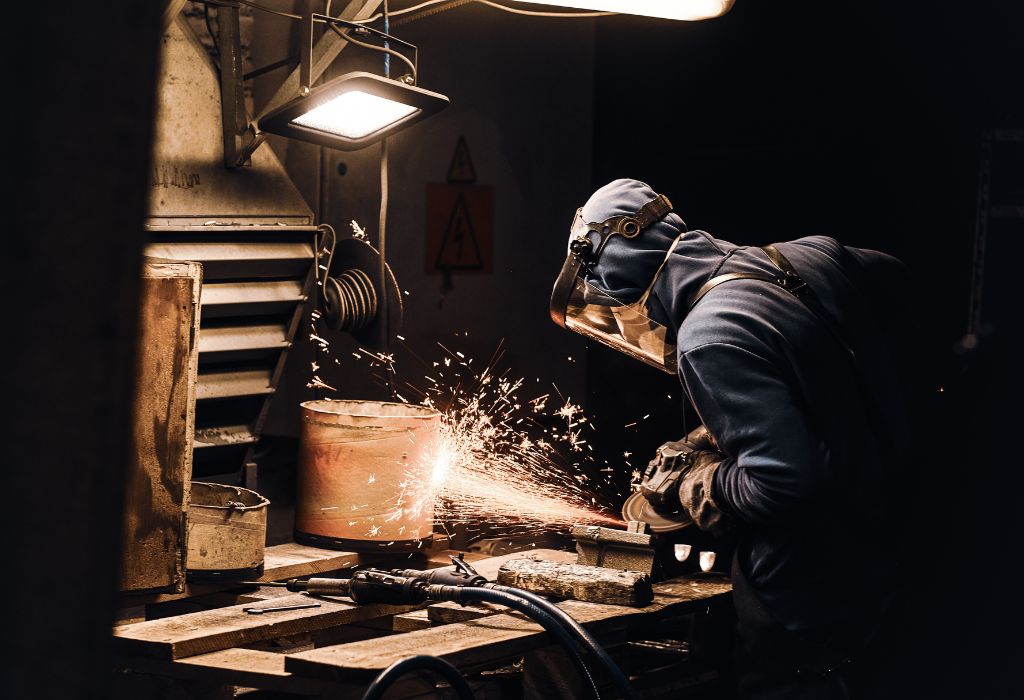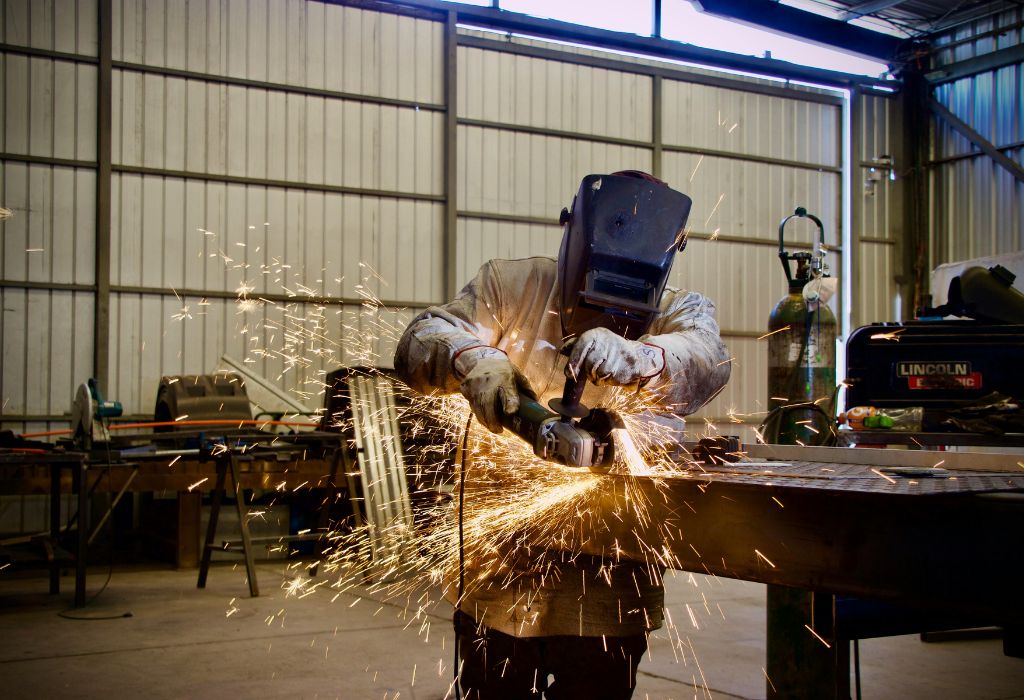
Every welder knows that a single flash can cause painful eye burns that last for days. Yet few stop to ask what makes that sudden darkening shield protect them so effectively. The answer lies in the fascinating mix of sensors, filters, and smart glass technology inside every welding helmet.
Welding produces ultraviolet and infrared radiation strong enough to burn eyes and skin within seconds. According to the U.S. Bureau of Labor Statistics, over 25,000 welding-related eye injuries are reported annually (bls.gov). A quality welding helmet is not just a comfort item — it’s life-saving equipment designed to prevent permanent vision damage.
Imagine striking an arc, and before your eyes can even blink, your helmet lens automatically darkens in milliseconds. That’s the magic of auto-darkening filters and optical sensors working in sync. Whether you’re MIG, TIG, or stick welding, understanding how a welding helmet works helps you stay safer and weld smarter.
This guide explains everything: the science behind welding helmets, their components, how auto-darkening technology works, key features to look for, usage tips, mistakes to avoid, and innovations shaping the helmets of tomorrow.
The Purpose of a Welding Helmet
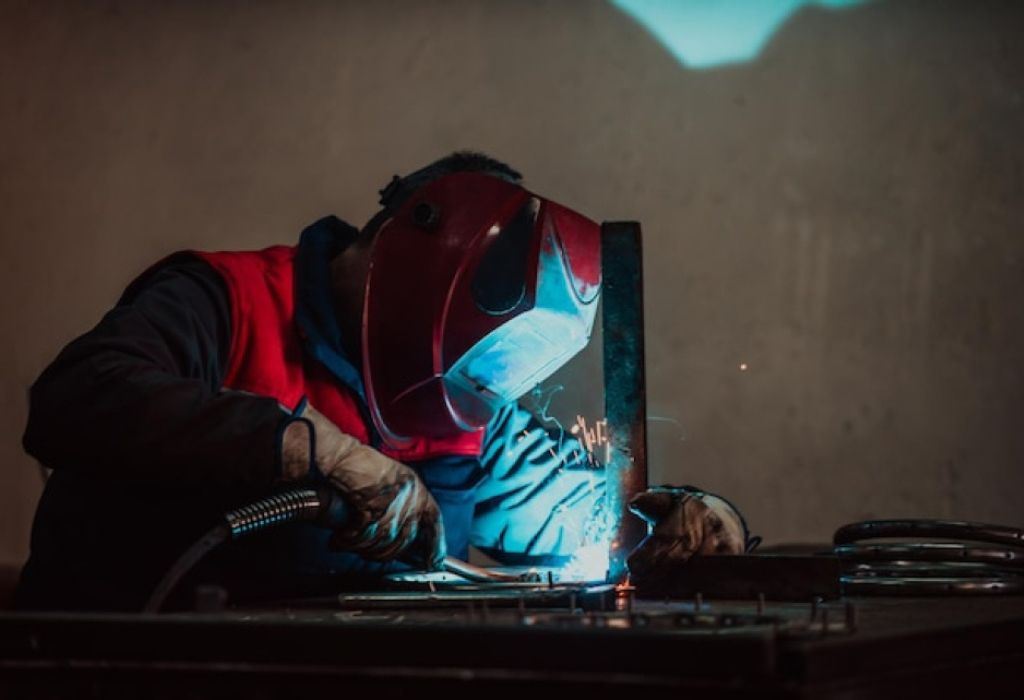
A welding helmet serves one primary goal — protecting the welder’s eyes, face, and neck from intense light, sparks, and molten metal. It also blocks harmful ultraviolet (UV) and infrared (IR) rays that can cause “arc eye,” a painful condition similar to sunburn on the cornea.
Modern helmets are designed to meet strict safety standards like ANSI Z87.1 or EN 379, ensuring reliable eye protection and impact resistance. These standards certify that the lens provides consistent shading, even when sensors or batteries fail.
Why is a welding helmet essential for welders?
Because the light intensity of a welding arc can exceed that of direct sunlight, causing blindness or severe burns within seconds.
What hazards does it protect against?
Flying sparks, spatter, hot metal, UV/IR radiation, and intense brightness that can damage the retina.
Does every helmet block UV and IR rays?
Yes. Even when inactive, both passive and auto-darkening lenses filter out harmful radiation at all times.
Are all helmets equally safe?
No. Cheaper unregulated helmets may have uneven shading or slower reaction times that allow light leaks.
Which standards ensure proper protection?
Look for ANSI Z87.1+ in the U.S. or EN 379 in Europe to guarantee optical clarity and impact safety.
Types of Welding Helmets and Their Working Mechanisms
Welding helmets fall into two main categories: passive-lens helmets and auto-darkening helmets (ADF). Both serve the same purpose but work differently.
Passive-Lens Welding Helmets
These traditional helmets use a fixed-shade lens, usually rated at shade 10. The welder flips the helmet down before striking the arc.
How it works
The dark glass blocks most visible light while filtering UV and IR radiation continuously.
When it’s best
Ideal for consistent, repetitive welds like production work where lighting conditions don’t change.
Advantages
No electronics or batteries — simple, durable, and affordable.
Limitations
Requires manual flipping, which can strain the neck and reduce productivity. Beginners often misjudge timing and risk flash exposure.
Auto-Darkening Welding Helmets
Auto-darkening helmets (ADF) revolutionized welding safety and comfort. They automatically adjust lens shade when the arc ignites.
How it works
Sensors detect light from the arc and trigger a liquid-crystal filter (LCF) that darkens in a fraction of a millisecond. When the arc stops, it returns to a lighter shade for visibility.
Advantages
Hands-free operation, faster workflow, reduced fatigue, and continuous UV/IR protection.
Limitations
Requires power (battery or solar), sensor maintenance, and sometimes costs more.
When to use
Best for frequent on-off welding, detailed TIG work, or jobs requiring constant repositioning.
Flip-Front or Modular Helmets
These combine passive and auto-darkening features.
How they work
The front lens flips up to reveal a clear grind mode or viewing window for setup work.
When helpful
Perfect for welders switching between grinding and welding without removing their helmet.
Benefit
Improves efficiency while maintaining safety and visibility.
The Technology Behind Auto-Darkening Welding Helmets
Auto-darkening helmets use advanced optical and electronic systems to protect your eyes automatically.
Inside the lens are three main layers:
- UV/IR filter glass – permanently blocks radiation.
- Polarization filters – control how much visible light passes through.
- Liquid crystal cells – shift alignment when voltage is applied, changing darkness level.
How do arc sensors detect light?
Multiple optical sensors (usually 2-4) placed around the lens detect the intense brightness of the welding arc and instantly trigger the darkening mechanism.
How does the liquid-crystal filter work?
Electric current changes the orientation of liquid crystals, reducing light transmission and darkening the view.
How are UV/IR rays blocked?
They are absorbed by specialized coatings and glass layers that remain active even when the power is off.
What determines reaction time?
High-quality helmets react as fast as 1/25,000 of a second, preventing any flash exposure.
How is the system powered?
Some use replaceable lithium batteries, others combine solar cells that recharge automatically during welding.
Key Features to Look for in a Welding Helmet
A welding helmet’s performance depends on more than its shade range. Understanding key specs ensures both safety and comfort.
Shade Range
A variable-shade helmet (usually DIN 9–13) allows you to adjust lens darkness based on welding type and amperage. TIG requires lighter shades, while flux-core or stick welding needs darker protection.
Reaction Time
Measured in microseconds. Faster switching means less eye strain. Look for helmets with ≤ 1/25,000 s response time.
Viewing Area
A wider field of view (e.g., 3.9″ × 3.2″) gives better awareness and control when positioning welds.
Sensitivity and Delay Controls
Sensitivity determines how easily sensors trigger; delay controls how long the lens stays dark after the arc stops. Both help adapt to different lighting conditions.
Weight and Ergonomics
Lightweight helmets reduce neck fatigue during long sessions. Balanced headgear improves comfort and precision.
Certifications
Ensure compliance with ANSI Z87.1, CSA Z94.3, or EN 379 for certified protection levels.
Why these features matter
They directly influence safety, clarity, and performance across various welding environments.
How to Use a Welding Helmet Correctly
Even the best helmet is ineffective if used incorrectly. Proper setup ensures optimal protection and comfort.
Adjust the fit
Use headband knobs to position the helmet snugly yet comfortably. The front should sit just above your nose line.
Set the correct shade
Choose shade 10–13 for arc or flux welding, 9–11 for MIG, and 8–10 for TIG based on amperage recommendations.
Clean sensors and lens
Dirt or spatter can block sensors, delaying response time. Wipe lenses daily with microfiber cloths.
Test before welding
Point the helmet at bright light to confirm auto-darkening triggers properly. Replace batteries if it doesn’t.
Use safety glasses underneath
They protect your eyes if the lens fails or during grinding. ANSI Z87+ safety glasses are recommended.
How often should helmets be inspected?
Before every shift — check for cracks, loose headgear, or weak batteries.
Why is proper adjustment important?
A misaligned helmet can expose your eyes to side light or arc flashes, even if the lens functions perfectly.
Common Mistakes and How to Avoid Them
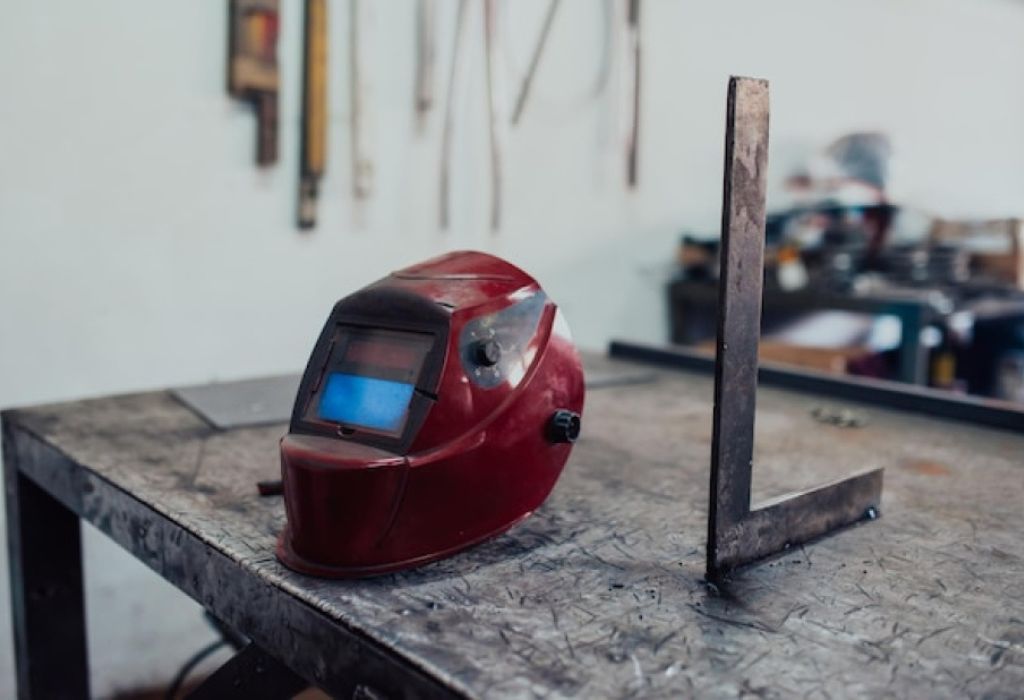
Welders often make small errors that compromise safety.
Using too light a shade
This causes glare and eye strain. Follow manufacturer guidelines based on amperage.
Ignoring dirty lenses or sensors
Dust and slag reduce responsiveness, making helmets react slower to arc light.
Wearing uncertified helmets
Cheap imports without ANSI/EN certification may not filter UV/IR consistently.
Neglecting battery checks
Low power prevents the lens from darkening properly, exposing eyes to flash burns.
Poor fit or headband tension
A loose helmet can slip mid-weld, interrupting focus and safety.
Pro insight
Maintaining and cleaning your helmet can extend its lifespan by over 40 %, saving money and preventing downtime (lincolnelectric.com).
Future Trends in Welding Helmet Technology
Welding helmets are evolving rapidly to enhance safety and productivity.
True-Colour Lenses
Next-gen filters offer natural color perception, helping welders distinguish puddles and edges more clearly.
Smart Helmets with Bluetooth
Connected helmets transmit lens status or battery alerts to mobile apps for safety tracking.
Heads-Up Display (HUD)
Integrated displays show real-time welding data like amperage, temperature, and gas flow inside the visor.
Auto-Adjusting Shade
New helmets use light sensors to automatically select the ideal shade based on arc intensity and environment brightness.
Lightweight Composite Materials
Carbon-fiber and reinforced nylon reduce weight while maintaining durability.
Respiratory Integration
Helmets with built-in PAPR systems filter fumes, improving both breathing safety and lens clarity.
Takeaway
The future of welding helmets merges protection with intelligence — faster reaction, lighter materials, and smarter visibility for every welder.
Conclusion
A welding helmet is more than tinted glass — it’s an electronic guardian protecting welders from invisible dangers. By understanding how a welding helmet works, you appreciate the science that shields your eyes within microseconds.
Whether you choose a passive or auto-darkening model, prioritize features like reaction speed, shade range, comfort, and certified safety. Regular maintenance ensures it performs reliably every time the arc strikes.
Before your next weld, check your helmet, clean your sensors, and set the right shade. The better you understand your helmet, the safer and more confident your welds will be.

I’m Darrell Julian, the founder, lead writer, and hands-on welding enthusiast behind ArcWeldingPro.com. With more than 15 years of real-world welding experience, I created this platform to share what I’ve learned in the field, in the shop, and in the heat of the arc.