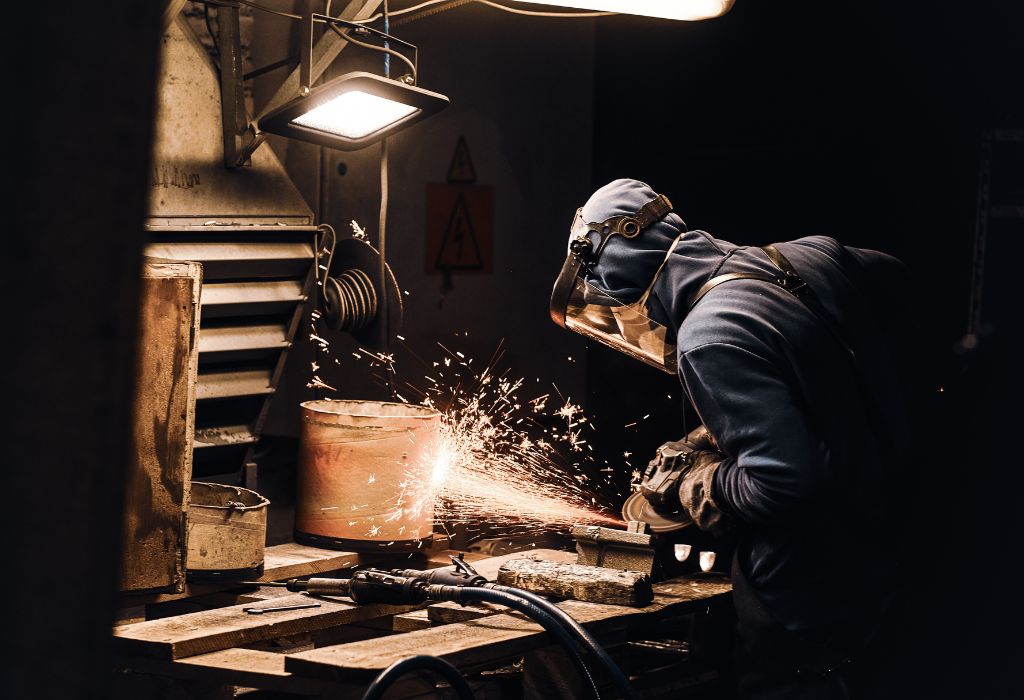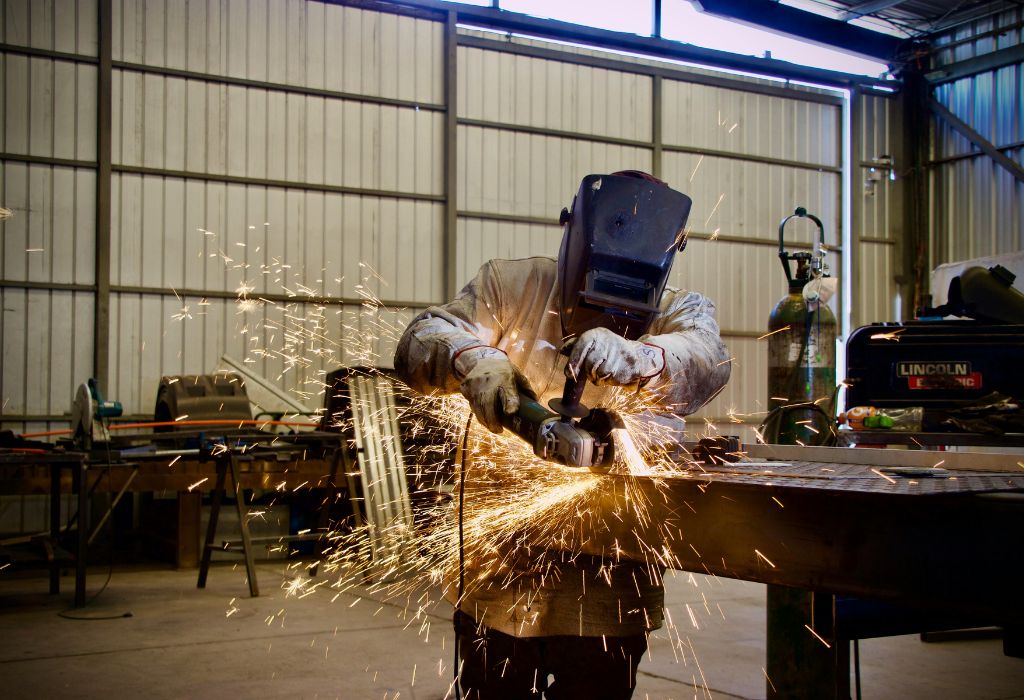
A welding helmet is a welder’s shield against invisible hazards — UV rays, sparks, and intense light that can damage eyes in seconds. But even a premium helmet can fail to protect if it isn’t adjusted the right way. Learning how to adjust welding helmet settings means welding with sharper visibility, better control, and full confidence in safety.
Why Adjustment Is as Important as the Helmet Itself
Every welding helmet — from basic passive models to advanced auto-darkening types — depends on proper setup. The right fit aligns your eyes with the filter, prevents flicker, and distributes weight evenly to reduce neck strain.
Research from the U.S. Bureau of Labor Statistics shows that over 15% of workplace eye injuries in metal fabrication are caused by improper PPE adjustment, not the absence of it. A simple strap misalignment can let in light, trigger late darkening, or cause fatigue over time.
Does a loose helmet still protect?
No. A poorly fitted helmet lets light leak around edges, increasing the risk of “arc eye.”
Why does headgear tension matter?
Uneven weight causes discomfort and shifts the lens off-center mid-weld.
Can wrong angle affect weld quality?
Yes. An incorrect tilt or height forces welders to strain their neck, making precise puddle tracking harder.
Understanding How a Welding Helmet Works
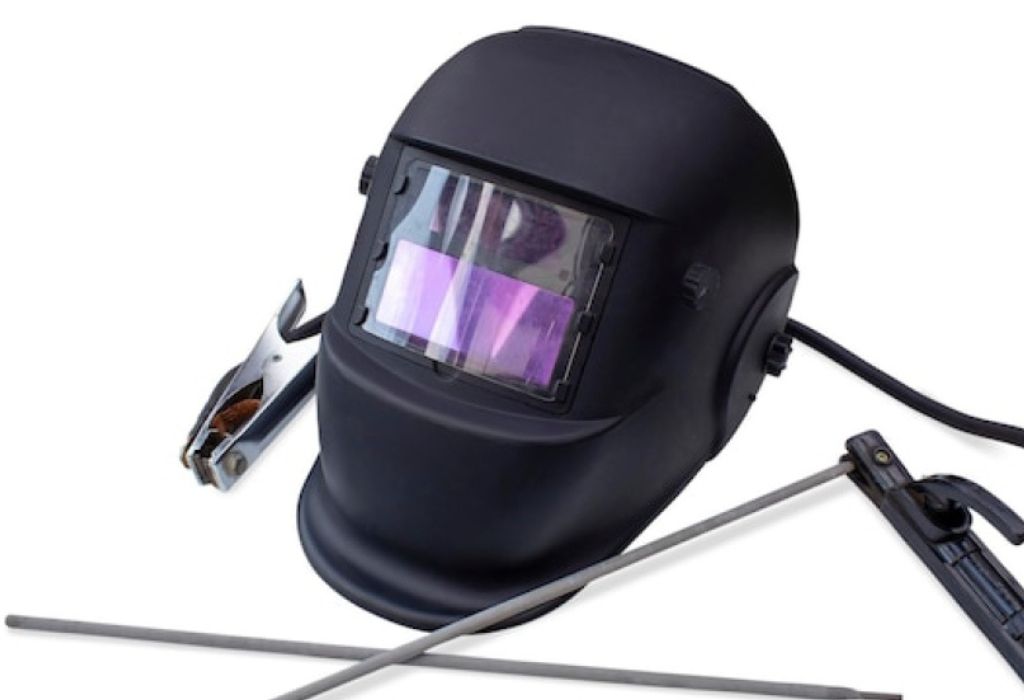
Before any adjustment, it’s crucial to know the mechanism you’re tuning. Modern helmets combine optics, sensors, and mechanics to create real-time protection.
- Auto-Darkening Filter (ADF): Switches from light to dark within milliseconds when the arc strikes.
- Light Sensors: Detect arc brightness and trigger darkening.
- Delay Control: Keeps the lens dark briefly after the arc ends.
- Sensitivity Dial: Adjusts how easily sensors react to brightness.
- Headgear Assembly: Controls crown height, tension, and tilt.
What happens if sensors are blocked?
If gloves or the welding torch cover them, the lens won’t darken fast enough, causing eye discomfort.
What’s the lifespan of an ADF?
Most filters last 5–7 years under proper use; beyond that, response times may slow.
Step-by-Step: How to Adjust Welding Helmet for Perfect Fit
Proper fit starts with the headgear — the unseen framework that determines balance and comfort.
1. Adjust the Crown Strap
This strap controls helmet height. Raise or lower it until the viewing window aligns with your eyes when the helmet is lowered.
Why it matters:
Too high and the lens cuts off your view; too low and it strains the neck.
2. Tighten the Ratchet Headband
Rotate the knob at the back until the helmet feels secure but not restrictive. It should stay in place even when nodding.
Tip:
The helmet should drop naturally with a gentle nod, not a full head jerk.
3. Set the Tilt Angle
The side knobs control how far forward or backward the helmet rests. For overhead work, tilt slightly forward to deflect sparks downward.
Why tilt matters:
It determines your line of sight and reduces glare reflection from the puddle.
4. Balance the Weight
Use internal padding or adjustable straps to distribute the helmet’s weight evenly across your crown. This helps prevent tension headaches during long welds.
Common mistake:
Many welders over-tighten the top strap, forcing the helmet to pull backward.
Fine-Tuning Visibility: Lens, Angle, and Distance
Your goal is to see the weld clearly without feeling blinded. A well-adjusted viewing distance keeps your eyes close enough for visibility but far enough to stay cool.
- Maintain a 1–2 inch gap between eyes and lens.
- Align your natural line of sight with the center of the viewing window.
- Lock the helmet stop position so it stays aligned every time you drop it.
What if visibility fades or blurs?
The inner cover lens may be scratched or fogged — clean or replace it immediately.
Why does the helmet drop too hard?
Loosen side tension screws slightly to achieve smoother motion.
How to Adjust Shade, Sensitivity, and Delay Controls
Auto-darkening helmets rely on three main settings to balance visibility and protection. Each parameter works differently depending on process type, amperage, and light level.
1. Shade Setting
Follow the ANSI Z87.1 shade guide:
- Stick (SMAW): 10–12
- MIG (GMAW): 10–13
- TIG (GTAW): 9–12
- Flux-core: 11–13
- Plasma cutting: 5–9
Start at the higher end of the range. Once the puddle becomes visible without glare, stop there.
Why not go too light?
Excess brightness causes eye strain and fatigue over time.
2. Sensitivity Setting
This controls how easily sensors detect an arc.
- High sensitivity: Needed for low-amperage TIG or in bright sunlight.
- Low sensitivity: For high-amp stick or MIG in dim workspaces.
Common issue:
Flickering means the sensitivity is too low, or external light is interfering with the sensors.
3. Delay Setting
This determines how long the lens stays dark after the arc extinguishes.
Set it longer for heavy welding or high heat, shorter for tack welds.
Recommended average:
0.3–0.8 seconds depending on brightness.
Why it matters:
If the delay is too short, your eyes may still catch the fading afterglow of the arc.
Process-Specific Adjustments
Each welding process emits a distinct arc brightness and flicker pattern. The table below offers baseline adjustments:
| Process | Shade | Sensitivity | Delay |
| Stick (SMAW) | 10–12 | Medium | Medium |
| MIG (GMAW) | 10–13 | Medium | Medium |
| TIG (GTAW) | 9–11 | High | Short |
| Flux-Core (FCAW) | 11–13 | High | Long |
| Plasma Cutting | 5–9 | Medium | Short |
Do these values change by metal type?
Yes. Stainless steel often reflects more light, requiring one shade darker than mild steel.
Can the same setting work indoors and outdoors?
Not always. Outdoor sunlight can trigger sensors prematurely, so reduce sensitivity slightly.
Comfort Adjustments Most Welders Ignore
Comfort may not appear technical, but it directly affects welding accuracy and endurance.
Even a small adjustment to padding or strap angle can make long shifts far less taxing.
- Use moisture-wicking sweatbands to reduce heat buildup.
- Check that the helmet clears any respirator or glasses worn underneath.
- Avoid over-tightening; pressure points lead to headaches.
- For long sessions, take brief breaks every 30 minutes to relieve neck tension.
What causes fogging?
Trapped humidity and dirty inner lenses. Use anti-fog wipes and ensure ventilation gaps are open.
Can welding caps affect alignment?
Yes. A cap adds thickness, changing how the helmet sits — re-adjust crown height to compensate.
Troubleshooting Poor Adjustment
| Problem | Likely Cause | Fix |
| Helmet doesn’t darken | Battery low or sensors blocked | Replace batteries and clean sensor area |
| Lens flickers | Sensitivity too low or sunlight interference | Increase sensitivity or block reflections |
| Helmet too heavy | Poor strap tension | Adjust crown height and tilt |
| Vision blurry | Scratched or fogged lens | Replace cover lenses |
| Lens stays dark | Delay too long | Reduce delay setting |
| Arc flashes during welding | Shade too low | Increase shade level |
How to test auto-darkening?
Use the built-in test button or hold the helmet toward a bright light to confirm instant darkening.
Maintaining the Helmet After Adjustment
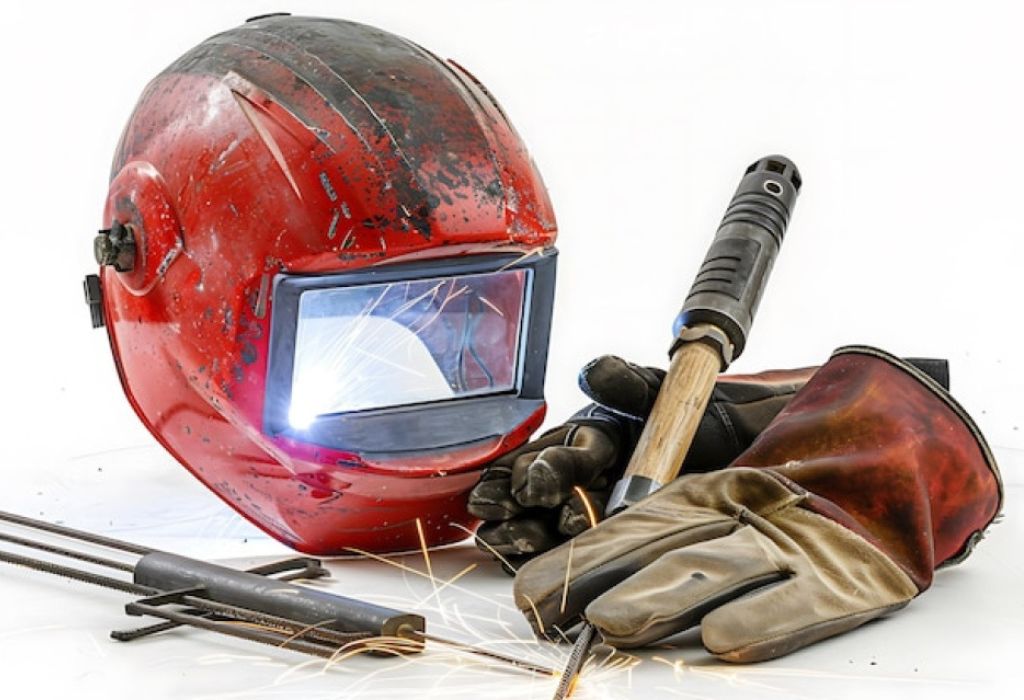
Good adjustment is only effective when maintained. Dust, sparks, and grime quickly degrade optical performance.
Daily Maintenance
- Wipe lenses with microfiber cloth.
- Inspect sensor windows for soot.
- Check headgear for cracks or loose knobs.
Weekly Maintenance
- Remove and clean inner and outer cover lenses.
- Tighten pivot points.
- Test darkening and delay.
Quarterly Maintenance
- Replace sweatbands and cracked straps.
- Test batteries and replace as needed.
- Verify clarity by comparing to a spare helmet.
What’s the easiest way to store it?
Keep it in a padded case away from direct sunlight or moisture.
Safety Standards You Should Know
All helmets must meet ANSI Z87.1 in the U.S. and EN379 in Europe for optical safety. These standards certify that your helmet can handle heat, impact, and UV/IR radiation.
What is optical class “1/1/1/1”?
It means the lens has perfect clarity, uniformity, and no distortion — ideal for precision work.
Should you use a screen for observers?
Always. Arc flash radiation can travel several feet, harming anyone nearby.
Why test before each job?
Even a small battery drop or sensor crack can delay darkening by milliseconds — enough to cause discomfort.
Advanced Tips for Experienced Welders
- Dual Mode Operation: Use both electric and solar power sources for consistent sensor performance.
- Preset Memory: Some high-end helmets store settings for different processes — use them.
- Peripheral Vision Check: Align sensors so they face the torch directly; avoid blocking them with gloves.
- Light Check Before Arc: Use the “Test” button or a bright flashlight to confirm sensor response.
- Replace Cover Lens Regularly: Every few months, even if not cracked, to maintain optical clarity.
How often should professional welders recalibrate helmets?
Every 6 months or after 1,000 arc strikes, whichever comes first.
Why Consistency Matters
Even the perfect adjustment today can drift with time. Sweat, vibration, and daily use loosen parts and alter balance. Treat your helmet like a precision tool — not a piece of gear you “set and forget.”
Professional workshops often perform weekly PPE inspections to maintain safety compliance. This simple habit not only protects eyesight but also extends the helmet’s lifespan.
Conclusion
Learning how to adjust welding helmet settings transforms welding from routine work into controlled craftsmanship.
A helmet that fits properly, darkens at the right speed, and stays balanced ensures maximum protection with minimal strain.
Before every weld:
- Confirm fit and tilt.
- Check shade, sensitivity, and delay.
- Test darkening reaction.
Welding is an art that depends on clear sight and steady control — both begin with a properly adjusted helmet. Protect your vision, fine-tune your gear, and let every weld start with confidence.

I’m Darrell Julian, the founder, lead writer, and hands-on welding enthusiast behind ArcWeldingPro.com. With more than 15 years of real-world welding experience, I created this platform to share what I’ve learned in the field, in the shop, and in the heat of the arc.