
Every welder knows the frustration of a fogged-up helmet. One moment the weld is clear, and the next, the lens clouds over, making precision nearly impossible. The result? Poor visibility, missed joints, and potential hazards.
Fogging occurs when heat and moisture from your breath or sweat meet the cooler surface of the lens, forming condensation. It’s one of the most common visibility issues welders face, especially in humid or confined work environments.
According to Occupational Safety and Health Administration (OSHA), fog-related visibility issues contribute to thousands of preventable welding mistakes each year (source). Maintaining a clear lens doesn’t just improve accuracy—it can reduce eye strain and increase safety by nearly 30%.
In this guide, you’ll learn how to keep your welding helmet from fogging using anti-fog methods, ventilation systems, and simple maintenance techniques that professionals rely on for clear, uninterrupted vision.
Why Welding Helmets Fog Up During Work
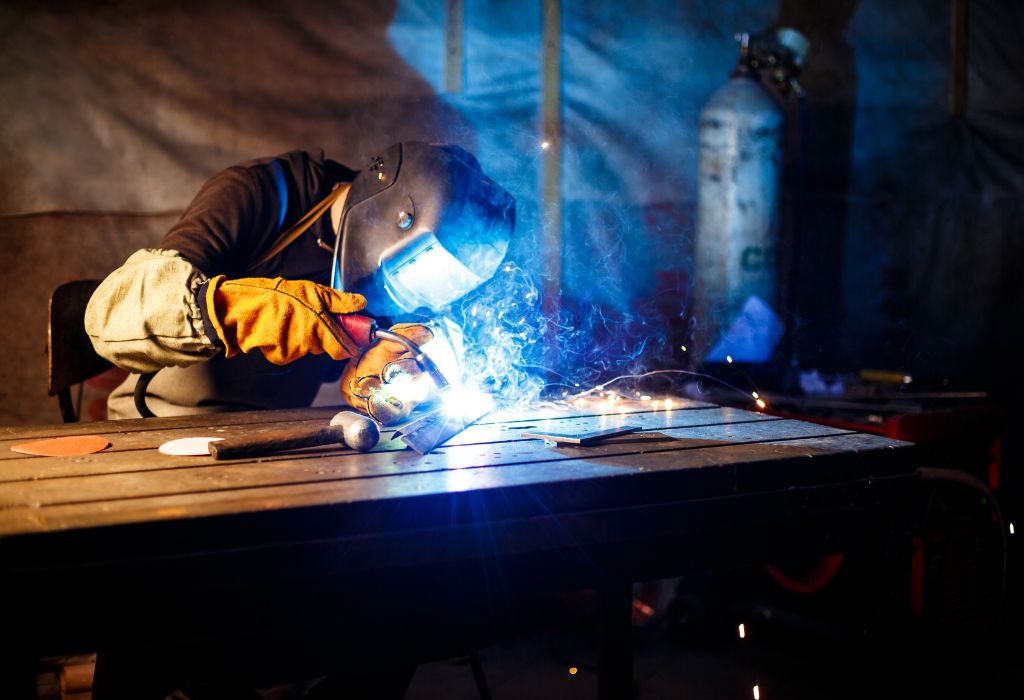
Welding helmets fog up primarily due to condensation. When warm, moist air inside the helmet meets the cooler lens surface, tiny water droplets form and scatter light, creating a foggy haze.
Body heat, sweat, and exhaled moisture raise humidity levels inside the helmet, especially during long welding sessions. Helmets with poor ventilation or tight seals trap this heat, accelerating fog formation.
Environmental factors also play a role—high humidity, low airflow, or working in cold conditions can make fogging worse.
What causes a welding helmet to fog up?
Condensation occurs when warm, humid air inside meets the cool lens surface.
Does body heat affect the visor’s clarity?
Yes, body temperature increases internal moisture, which condenses on the lens.
Why does humidity make the helmet fog faster?
Moist air condenses more easily, forming droplets on cold surfaces.
Can poor ventilation inside helmets cause fogging?
Absolutely—lack of airflow traps heat and moisture inside the helmet.
What welding conditions increase fog formation?
Cold environments, tight-fitting helmets, and long welds increase fog buildup.
Effects of Fogging on Welding Quality and Safety
A fogged lens doesn’t just slow down work—it can compromise weld quality and safety. Blurred vision makes it difficult to follow the seam precisely, resulting in uneven weld beads or incomplete joints.
According to American Welding Society (AWS), poor visibility reduces weld accuracy by up to 25%, often leading to rework and material waste.
Fogging can also delay reaction time when dealing with sparks or molten splatter, posing burn and eye injury risks. Maintaining a clear field of vision is crucial for both accuracy and protection.
How does fogging impact weld bead accuracy?
Reduced visibility increases chances of uneven or weak welds.
Can fog buildup cause welding defects or burns?
Yes, poor vision can cause missed arcs and improper torch placement.
Why is clear vision essential for TIG or MIG welding?
Precision welding requires constant focus on small, detailed joints.
How does poor visibility slow down production?
Frequent lens wiping or pausing interrupts workflow and efficiency.
What safety hazards are linked to fogged helmets?
Eye strain, burns, and accidental contact with hot materials.
How to Keep Welding Helmet from Fogging — Proven Methods
Preventing fogging is about managing airflow, temperature, and moisture. A combination of proper equipment, anti-fog products, and environment control works best.
- Use Anti-Fog Sprays or Wipes – Apply specialized coatings designed for high heat. They prevent condensation for several hours.
- Install Ventilation or Cooling Systems – Small fans or vents inside helmets keep air circulating.
- Adjust Helmet Fit – Avoid overly tight straps that trap heat and moisture.
- Use Anti-Fog Inner Lenses or Inserts – Double-pane or coated lenses resist fog buildup effectively.
- Control Workshop Humidity – Use fans or dehumidifiers to balance moisture in the environment.
Which anti-fog products work best for welding helmets?
Professional-grade sprays or wipes like OptiPlus or 3M Safety Anti-Fog.
Can household anti-fog sprays damage helmet lenses?
Yes, some contain alcohol that may degrade polycarbonate coatings.
How do built-in vents reduce moisture buildup?
They allow warm air to escape, balancing temperature and humidity.
Is it safe to modify helmets for extra airflow?
Only if done according to manufacturer safety guidelines.
How long does anti-fog protection typically last?
Usually 4–6 hours, depending on heat and humidity levels.
Best Anti-Fog Products and Accessories for Welders
Several accessories can drastically reduce fogging while keeping lenses clean and clear.
Anti-Fog Inserts: Transparent inner lenses with permanent coatings that repel moisture.
Hydrophilic Coatings: These coatings absorb and spread moisture evenly, preventing droplet formation.
Cooling Fans or Airflow Kits: Some helmets include built-in cooling systems that circulate filtered air.
Sweatbands or Moisture-Wicking Liners: Help reduce perspiration buildup inside the helmet.
What’s the difference between anti-fog inserts and sprays?
Inserts provide long-term protection, while sprays need frequent reapplication.
Do hydrophilic coatings wear off over time?
Yes, typically after months of heavy use or repeated cleaning.
Which accessories improve helmet ventilation most effectively?
Mini fans and vented faceplates enhance airflow inside the helmet.
How do reusable anti-fog wipes compare with sprays?
Wipes are portable and effective for short jobs, while sprays last longer.
Can you use defogging solutions made for diving masks?
No, those can damage welding lenses or leave film residue.
Helmet Maintenance and Cleaning Tips to Prevent Fogging
A clean lens fogs less often because dirt and scratches trap moisture. Always clean lenses after every shift using a microfiber cloth and mild soap solution.
Avoid ammonia-based cleaners—they strip protective coatings. Store helmets in a dry, ventilated area to prevent moisture buildup overnight.
Why does a dirty helmet fog faster?
Dust and oil particles trap condensation on the surface.
What cleaning materials should be used on welding lenses?
Microfiber cloths and non-abrasive cleaning sprays.
How often should lenses be replaced?
Replace every 6–12 months or when scratches impair visibility.
Does storing helmets in damp areas cause fogging issues?
Yes, moisture can linger inside and cause recurring condensation.
Can over-tightening helmet straps affect airflow?
Yes, it limits circulation and traps heat inside the helmet.
DIY Fog Prevention Tricks for Welders
Not every solution requires special gear. Many welders use low-cost tricks that work surprisingly well.
- Apply a thin layer of baby shampoo or shaving cream, then gently buff dry—this creates a temporary fog-resistant film.
- Add a small battery-powered fan near the air vents for constant airflow.
- Place silica gel packs inside the helmet when stored to absorb moisture.
- Wear a moisture-wicking headband to minimize sweat.
Do household remedies really work for fog prevention?
Yes, but they provide short-term protection and need frequent reapplication.
Is it safe to use shaving cream inside helmet lenses?
Yes, in small amounts, but ensure it’s completely buffed to avoid streaks.
Can silica gel damage internal electronics?
Not if sealed properly in mesh pouches away from wires.
What’s the most budget-friendly anti-fog method?
Using baby shampoo or silica packs offers cheap and quick protection.
When should DIY tricks be replaced by professional solutions?
When welding regularly or in humid industrial conditions.
Welding Helmet Technology That Prevents Fogging Automatically
Modern helmets now feature advanced technologies designed to eliminate fogging.
Auto-darkening helmets with dual airflow channels maintain constant ventilation without exposing the eyes to light. Some models use hydrophobic nano-coatings that resist moisture for months.
Powered air-purifying respirators (PAPR) circulate filtered air across the lens, keeping the interior cool and fog-free.
How do modern helmets prevent fog automatically?
They use built-in fans or coatings to balance temperature and airflow.
Are anti-fog coatings standard in premium helmets?
Yes, most high-end helmets come with permanent anti-fog lenses.
Do powered air-purifying respirators (PAPR) eliminate fogging?
Yes, they maintain constant airflow inside the helmet.
Is it worth upgrading to a high-end welding helmet?
For professionals, yes—it improves safety, comfort, and efficiency.
What features indicate a fog-resistant helmet model?
Dual vents, anti-fog coating, hydrophilic lenses, and internal airflow systems.
Common Mistakes Welders Make When Trying to Prevent Fog
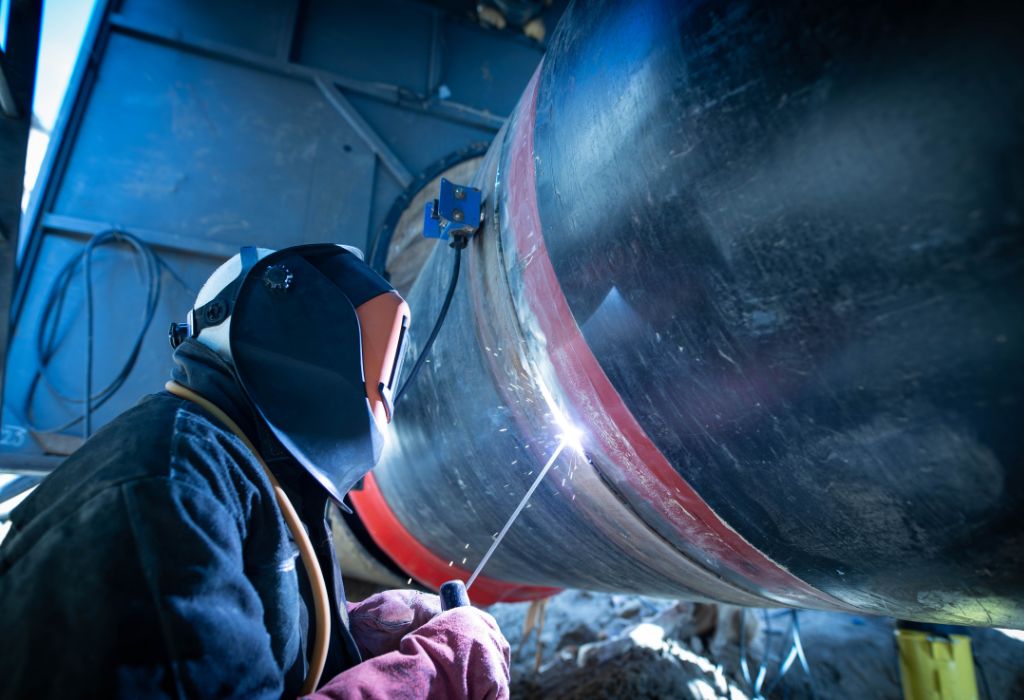
Some welders unintentionally worsen fogging by overusing sprays or blocking ventilation holes. Using harsh cleaners can also damage coatings.
Avoid sealing vents or wrapping the helmet tightly; this traps more heat and moisture.
Why shouldn’t you block ventilation holes to stop drafts?
Because it reduces airflow and accelerates condensation.
Can too much anti-fog spray cause blurring?
Yes, overapplication leaves streaks and residue.
What happens if you clean with ammonia-based products?
They damage lens coatings and cause hazy vision.
Why is adjusting headgear tension important?
A snug but breathable fit promotes airflow and reduces fog.
How can helmet modifications void warranty or reduce safety?
Drilling or rewiring can compromise structure and void certifications.
Environmental Control — Reducing Humidity in the Workspace
Even the best helmets can fog in humid workshops. Controlling the environment helps prevent condensation altogether.
Keep the humidity level between 40–60%. Use fans, dehumidifiers, or air conditioners to balance temperature.
Ensure proper airflow by spacing workstations and adding exhaust fans.
What’s the ideal humidity level for welding workspaces?
Between 40% and 60% for consistent clarity.
Can air conditioners help reduce fogging?
Yes, they lower both heat and moisture levels.
Do workshop heaters make fogging worse?
If air is too dry or too warm, condensation increases when cooling occurs.
How do you improve air circulation in small welding booths?
Add portable fans or vent systems to remove hot air.
Why does temperature difference between air and helmet cause fog?
Warm air meeting a cool lens surface triggers condensation.
Safety Reminders When Modifying or Using Anti-Fog Equipment
Always follow manufacturer guidelines when installing fans or applying sprays. Unauthorized modifications can lead to electrical or fire risks.
Only use certified accessories designed for your specific helmet model. Avoid harsh chemicals that can weaken plastic or distort visibility.
Is it safe to drill vents into a welding helmet?
No, drilling can compromise structural integrity and void warranty.
What chemicals should be avoided in anti-fog solutions?
Avoid ammonia, alcohol, and solvents not labeled as safe for polycarbonate.
Do helmet fans interfere with auto-darkening sensors?
Only if placed too close to the lens; follow distance guidelines.
Can aftermarket accessories void certifications?
Yes, non-approved parts can make helmets non-compliant with safety standards.
When should fogging helmets be replaced entirely?
If lens coatings degrade or ventilation systems fail permanently.
Conclusion
Clear visibility is one of the most crucial elements of safe welding. By learning how to keep welding helmet from fogging, welders can protect their vision, improve weld accuracy, and work confidently in any environment.
Using anti-fog sprays, maintaining airflow, and keeping helmets clean ensures long-lasting clarity and comfort. With the right care and modern technology, fog-free welding is no longer a challenge—it’s standard practice for every professional.

I’m Darrell Julian, the founder, lead writer, and hands-on welding enthusiast behind ArcWeldingPro.com. With more than 15 years of real-world welding experience, I created this platform to share what I’ve learned in the field, in the shop, and in the heat of the arc.