Picture this: you’re ready to upgrade your car’s look, and you’ve got a shiny new exhaust tip waiting. But the old one? It’s stubbornly stuck, thanks to a solid weld. Many car enthusiasts face this situation! This post will help you safely and effectively learn how to remove welded exhaust tip. You’ll gain the knowledge to get the job done right, plus avoid costly mistakes and potential damage to your vehicle. By the end, you’ll know exactly what tools you need and the steps to take, saving you time, money, and frustration.
Key Takeaways
- Learn about the necessary tools for safely removing a welded exhaust tip.
- Understand the importance of safety precautions, including eye and hand protection.
- Discover the proper methods for cutting the weld, considering different welding techniques.
- Explore techniques to loosen and remove the exhaust tip after the weld is cut.
- Find out tips for preventing damage to your exhaust system during the process.
- Gain a better idea of how to deal with stubborn situations.
Gathering Your Arsenal: Tools for the Job
Before you get started on how to remove welded exhaust tip, gathering the right tools is essential. Having the appropriate equipment can make the job safer, faster, and less likely to cause damage. Rushing into the process without these tools will likely lead to frustration and possibly injury. Understanding the function of each item is also important, so you can choose the right one for your situation. Let’s explore the essential tools.
Essential Tools to Have
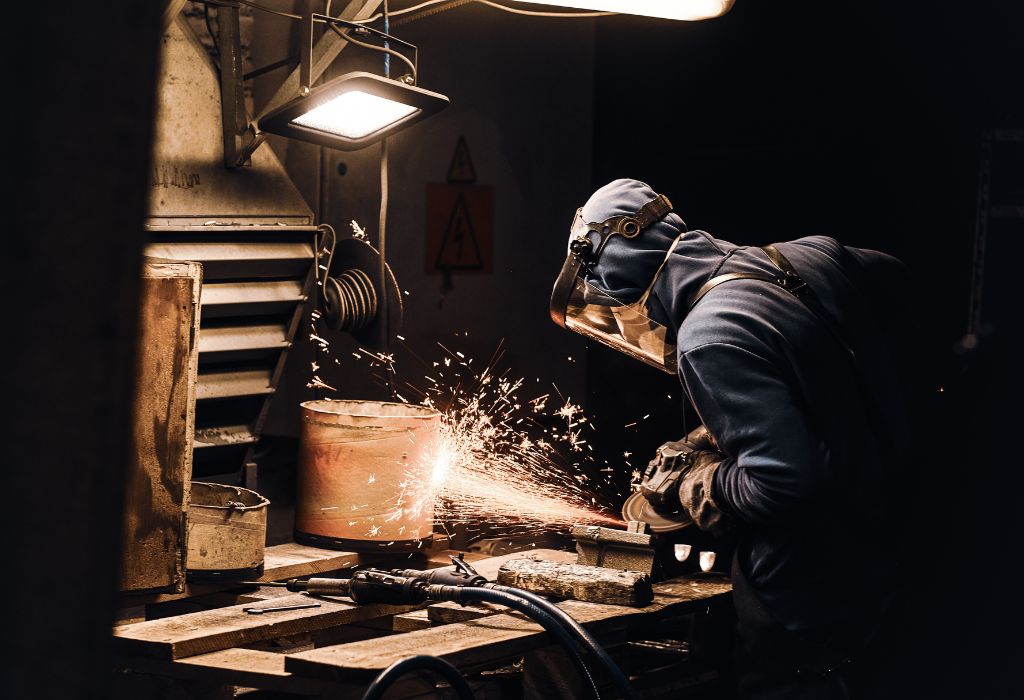
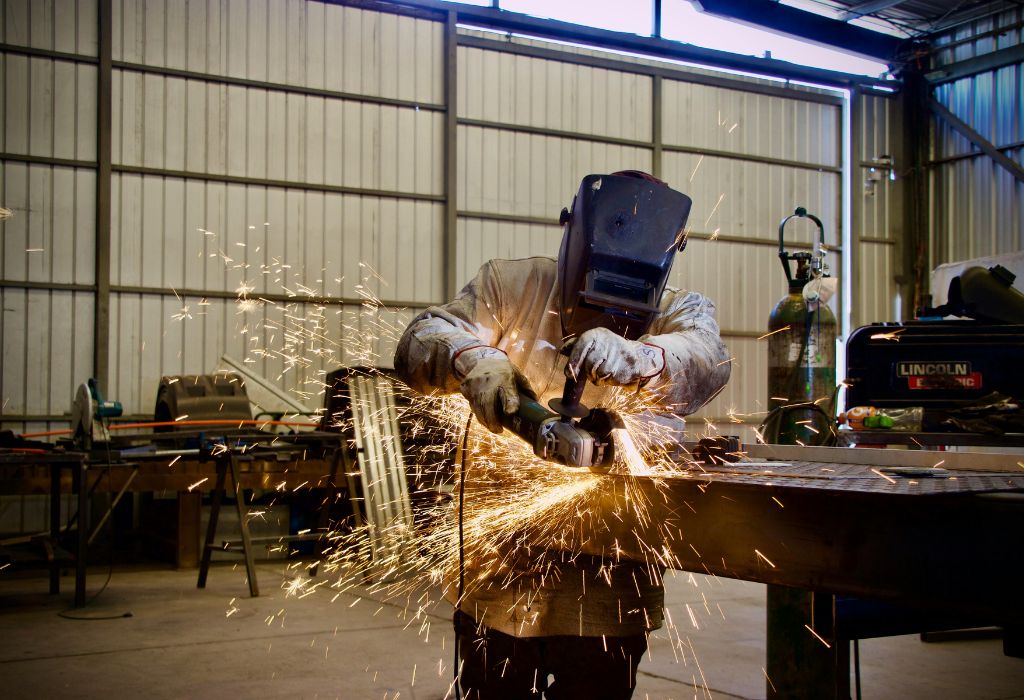
- Angle Grinder: An angle grinder is a power tool designed for cutting and grinding metal. It’s the primary tool for removing the weld. It uses abrasive discs to cut through the metal, making it ideal for removing welds. There are many different sizes and styles. Choose one that is easy for you to handle, as precision is important here.
- Cutting Discs: These are the abrasive discs attached to the angle grinder. They are designed specifically for cutting metal. Using the correct type of cutting disc is essential for an efficient and safe process. Make sure to use discs rated for the metal of your exhaust system. Check the label on the discs to verify.
- Safety Glasses and Gloves: Safety glasses are crucial to protect your eyes from sparks and metal fragments. Leather work gloves are also essential to protect your hands from heat, sharp edges, and potential cuts. Safety first.
- Penetrating Oil: This is a lubricant used to help loosen corroded or stuck parts. Applying penetrating oil to the exhaust tip and the surrounding area can help make removal easier. Apply and wait.
- Hammer and Chisel: These are traditional tools useful for breaking welds and separating parts. You’ll use these to try to pry the exhaust tip free after the weld has been partially or completely cut. Using a hammer and chisel lets you apply focused force, but be careful not to damage the exhaust pipe.
- Wire Brush: A wire brush is used to clean the metal surfaces before and after the welding process. This helps remove rust, dirt, and any other debris that might interfere with cutting or re-welding. You’ll want to use it to clean the area before you start cutting and again to clean up any rough edges after.
- Measuring Tools (Ruler or Calipers): Sometimes, you need to measure the distance between the tip and exhaust pipe to ensure you do not cut into the exhaust pipe when you are cutting the weld. They also help with making precise cuts.
The right tools are essential to getting the job done efficiently. They also help minimize the risk of injury and prevent damage to your car. If you can get all of these tools ready before you begin, you will save yourself time and reduce frustration. Remember to always prioritize safety when working with power tools.
Prioritizing Safety: Protect Yourself and Your Vehicle
Before any work starts on how to remove welded exhaust tip, safety is your top priority. Working with power tools and metal can be hazardous if proper precautions aren’t taken. Failing to take these precautions can lead to serious injuries. Even a small piece of metal in your eye can be painful and lead to serious problems. Understanding and implementing these safety measures can prevent injuries and make the entire process much smoother. Let’s delve into what needs to be done.
Essential Safety Measures
- Eye Protection: Always wear safety glasses or goggles to protect your eyes from sparks, metal fragments, and other debris. Make sure they fit snugly and provide adequate coverage. If you wear prescription glasses, consider over-the-glasses safety goggles.
- Hand Protection: Wear sturdy work gloves, preferably made of leather, to protect your hands from heat, sharp edges, and potential cuts. These gloves will also provide a better grip on tools.
- Respiratory Protection: If you are working in an enclosed area, wear a respirator or dust mask to prevent the inhalation of metal particles and fumes. This is especially important when cutting or grinding metal, as the dust can irritate your lungs.
- Work Environment: Ensure that you’re working in a well-ventilated area, or ideally, outdoors. This helps to dissipate fumes and reduce the risk of respiratory problems. Make sure the area is also clear of flammable materials.
- Vehicle Safety: Make sure the vehicle is parked on a level surface. Secure the vehicle by engaging the parking brake and using wheel chocks to prevent any unexpected movement. Always disconnect the negative battery cable to prevent electrical shorts.
- Body Protection: Wear clothing that protects your skin from sparks and heat. Avoid loose clothing that could get caught in the tools. Consider wearing a long-sleeved shirt and pants, as well as closed-toe shoes.
By following these steps, you can significantly reduce the risk of injury and damage. Remember that safety is not just a one-time thing, but an ongoing practice. Before each step, remind yourself of the safety precautions and proceed with care. Doing this can make the entire process more relaxed, allowing you to focus on the task at hand.
Cutting Through the Weld: Precision and Technique
Now that you’ve gathered your tools and are taking safety seriously, it’s time to get to the core of how to remove welded exhaust tip: cutting through the weld. The weld is what holds the exhaust tip in place, and removing it requires precision and a steady hand. The type of weld and the equipment used can vary. But the key is to make clean, controlled cuts without damaging the exhaust pipe itself. Let’s explore the techniques for the job.
Mastering the Cutting Process
- Weld Inspection: Before cutting, carefully inspect the weld. Observe the weld’s size, shape, and position. This will help you determine the best approach for cutting. Some welds are circular, while others might be more linear. Also, look for any areas where the weld appears weaker or thinner.
- Angle Grinder Setup: Attach a metal-cutting disc to your angle grinder. Make sure the disc is securely fastened and that you understand how to control the grinder. Double-check that the disc is rated for the metal of your exhaust system. Position the grinder so that the disc contacts the weld at a safe angle.
- Controlled Cuts: Start by making shallow cuts along the weld. Apply gentle pressure, allowing the grinder to do the work. Avoid forcing the grinder, which could cause the disc to break or cause the cut to go off-track. Make multiple passes, gradually deepening the cuts.
- Cutting Technique: Use a technique that helps you maintain control and accuracy. Make sure you have a steady grip on the grinder. Try to maintain a consistent angle and pressure throughout the cutting process.
- Watch for Penetration: As you cut, pay close attention to avoid cutting into the exhaust pipe itself. Try to stop cutting the moment you see the weld separate from the tip. If you get close to the pipe, switch to a smaller cutting tool to finish the job.
- Cutting Alternatives: If you find an angle grinder difficult to handle in the space, you might consider an alternative cutting tool, like a reciprocating saw. These saws can be useful in confined spaces. However, be careful not to damage the exhaust pipe.
By using these techniques, you can safely cut through the weld. Taking your time, staying calm, and maintaining focus can make all the difference. Remember to continuously assess the situation and adjust your approach as needed. When you finish, the exhaust tip should be ready for removal.
Loosening and Removing the Tip: Final Steps
After successfully cutting the weld, the next step in how to remove welded exhaust tip is to loosen and remove the tip itself. Although the weld is now broken, the tip might still be stuck due to factors like rust, corrosion, or the fit of the tip on the pipe. Getting the tip off might require a little persuasion, and careful use of tools. Let’s explore the final steps to get the job done.
Effective Removal Techniques
- Apply Penetrating Oil: If the tip seems stuck, apply penetrating oil to the area where the tip meets the exhaust pipe. This oil helps to loosen any rust or corrosion. Allow the oil to soak for at least 15 to 30 minutes, or even longer for stubborn cases.
- Gentle Tapping: Use a hammer and a piece of wood or a rubber mallet to gently tap around the perimeter of the tip. This can help to break any remaining bond and encourage the tip to move. Avoid hitting the tip directly with a metal hammer, as this could damage it.
- Prying Action: Use a flathead screwdriver or a pry bar to gently pry between the tip and the exhaust pipe. Insert the tool in different locations around the tip and apply gentle pressure. Work your way around the tip until it starts to loosen.
- Twisting and Pulling: Once the tip is loosened, try twisting it back and forth while pulling it away from the exhaust pipe. This twisting motion can help to break free any remaining bond. Be careful not to apply too much force, which could damage either the tip or the exhaust pipe.
- Heat Application (Use with Caution): In some cases, applying heat to the area can help to expand the metal and make the tip easier to remove. Use a heat gun or a propane torch, but be extremely careful. Make sure you are in a well-ventilated area and keep a fire extinguisher nearby. Heat can damage the paint and finish on the tip, so use it sparingly and protect the surrounding areas.
- Rust Removal: If rust is a problem, use a wire brush or rust remover to remove it. This will help break the bond.
With patience and a methodical approach, you can successfully remove the exhaust tip. If you have been following all the prior steps, the final removal should be fairly straightforward. Remember to take your time and use the right tools for the job.
Preventing Damage: Protecting Your Exhaust System
Removing the welded exhaust tip requires care to prevent damage to the exhaust system. The exhaust system is made up of various parts. Making a mistake at any stage can cause damage to the exhaust pipe, catalytic converter, or other components. If this happens, it can lead to expensive repairs. That is why understanding how to protect your car while removing the exhaust tip is important. It’s the best way to get the job done right.
Protecting Your Exhaust System
- Proper Cutting Angle: When using the angle grinder, maintain the correct cutting angle to avoid cutting into the exhaust pipe. Carefully observe your cuts and adjust your technique as needed. Aim to cut only the weld.
- Use Appropriate Tools: Choose tools that will minimize the risk of damage. For example, a rubber mallet is more likely to be kind to the tip.
- Apply Penetrating Oil: Applying penetrating oil is an effective way to loosen a stuck exhaust tip. It reduces the need for excessive force, which could cause damage. Apply it and give it some time to work.
- Avoid Excessive Force: Resist the temptation to use excessive force when prying or pulling the tip. This could bend or damage the exhaust pipe. Use a steady, controlled approach.
- Heat Application (Controlled): If you use heat, apply it carefully and evenly. Use it sparingly, and monitor the temperature to prevent overheating.
- Inspect After Removal: Once the tip is removed, inspect the exhaust pipe for any signs of damage. If you see any damage, address it right away.
By using these techniques, you can reduce the risk of damage to your car. Take your time, pay attention to the details, and make sure you have the right tools. Careful removal will help you avoid costly mistakes and keep your vehicle in top shape.
Real-Life Examples of Prevention
- Example 1: The Careful Cutter. A car enthusiast, after getting a new exhaust tip, went slowly to remove the old one. He took extra care in cutting the weld, making small cuts and checking his progress. Because he was careful, he removed the tip without any problems.
- Example 2: The Oil’s Role. Another car owner had a tough time removing the old tip. After he applied penetrating oil and let it sit for a while, he realized that the tip was now easier to remove.
Dealing With Stubborn Situations
Sometimes, despite all your preparation and effort, you might encounter a stubborn exhaust tip. It might be stuck more firmly than expected due to corrosion, rust, or a particularly strong weld. When you face this, it’s important not to lose hope and understand that additional techniques and patience may be needed. Finding a solution is possible, and with a bit of extra effort, you can overcome even the most challenging situations and finally learn how to remove welded exhaust tip. Let’s delve into additional strategies.
Advanced Techniques for Challenging Removals
- Professional Help: If you’ve tried everything and the tip is still stuck, don’t hesitate to seek professional help. A mechanic or exhaust specialist has the tools, experience, and expertise to handle difficult removals without causing damage.
- Weld Grinding: If cutting the weld with an angle grinder is difficult due to the tip’s position or access constraints, consider grinding the weld down instead. This involves using a grinding disc to gradually remove the weld material until the tip can be separated. Be careful not to grind into the exhaust pipe.
- Heat and Cool Cycles: After applying heat to the area around the weld, let it cool down. Repeat this process a few times. The expanding and contracting of the metal can help to break the bond and make the tip easier to remove.
- Air Hammer: An air hammer, with a blunt chisel attachment, can be useful for breaking stubborn welds or separating a stuck tip. Use the air hammer with care, applying short bursts of force.
- Specialty Tools: Explore the use of specialized tools, such as an exhaust tip removal tool, available at auto parts stores. These tools are designed to grip the tip and provide leverage.
By using these approaches, you should be able to deal with even the most difficult exhaust tip removal. Keep in mind that patience and persistence are key. And it’s important to know when to call for help. Remember that safety is key. If you are not comfortable or feel at risk, call for help!
Common Myths Debunked
Myth 1: You Can Always Cut the Weld Quickly
Many people believe that cutting the weld is a quick and simple process. The reality is that the time and effort needed vary depending on the type of weld and the tools you have. It is always wise to take your time and be careful. Trying to rush it may lead to mistakes and damage.
Myth 2: Any Cutting Disc Works for Any Metal
A common misconception is that all cutting discs are the same. In fact, different cutting discs are designed for specific types of metal. Using the wrong disc can make the process inefficient, dangerous, and likely to cause damage. Always use the right cutting disc for your exhaust system.
Myth 3: More Force Is Always Better
Some people think applying more force will always get the job done. The truth is that applying excessive force can damage your exhaust system or even lead to injury. A steady, controlled approach with appropriate tools is always better.
Myth 4: Rust Doesn’t Matter
Many believe that rust doesn’t affect the process. Rust, however, can make the exhaust tip harder to remove. Rust can make it difficult to cut the weld, and can increase the risk of damage. Cleaning the rust, and using penetrating oil, can reduce the difficulty of the task.
Myth 5: All Welds are the Same
Some people believe that all welds are the same. In reality, welds can vary in size, shape, and strength. Understanding the weld can help you choose the right tools and approach. This will help make the process safer and more effective.
Frequently Asked Questions
Question: What’s the best tool for cutting the weld?
Answer: The angle grinder with a metal-cutting disc is usually the best, most effective tool.
Question: How can I prevent damaging the exhaust pipe?
Answer: Use the correct cutting angle, and go slow.
Question: What should I do if the tip is stuck?
Answer: Apply penetrating oil, use gentle tapping, and try twisting.
Question: Is safety gear really necessary?
Answer: Yes, always wear safety glasses, gloves, and respiratory protection.
Question: When should I seek professional help?
Answer: If you’ve tried everything and the tip is still stuck, or if you’re uncomfortable with any part of the process, seek professional help.
Final Thoughts
Mastering how to remove welded exhaust tip requires some preparation, the right tools, and a methodical approach. You began by gathering the essential tools, including an angle grinder, cutting discs, safety gear, and penetrating oil. Then, you learned about the importance of safety, including eye and hand protection, and working in a well-ventilated area. Cutting the weld requires precision, using controlled cuts, and being careful to avoid cutting into the exhaust pipe. You explored techniques for loosening the tip, such as applying penetrating oil, gentle tapping, and prying. You’ve also learned about precautions to avoid damage. This will save you time and money. Remember that safety is always the top priority. With the proper techniques and approach, you can learn how to remove welded exhaust tip and start improving the look of your car!

I’m Darrell Julian, the founder, lead writer, and hands-on welding enthusiast behind ArcWeldingPro.com. With more than 15 years of real-world welding experience, I created this platform to share what I’ve learned in the field, in the shop, and in the heat of the arc.