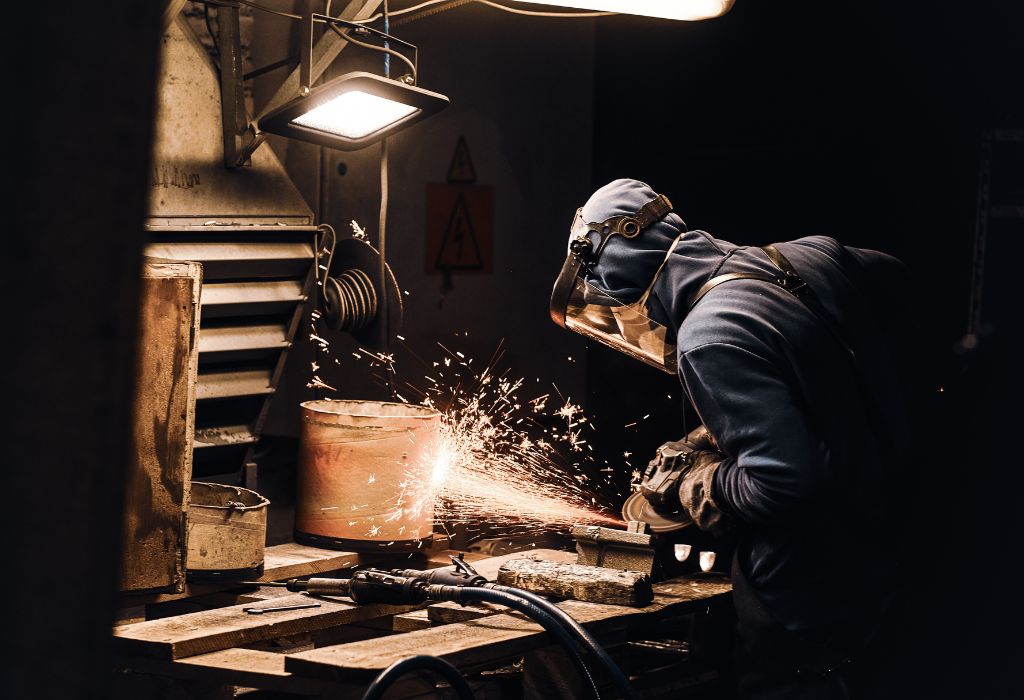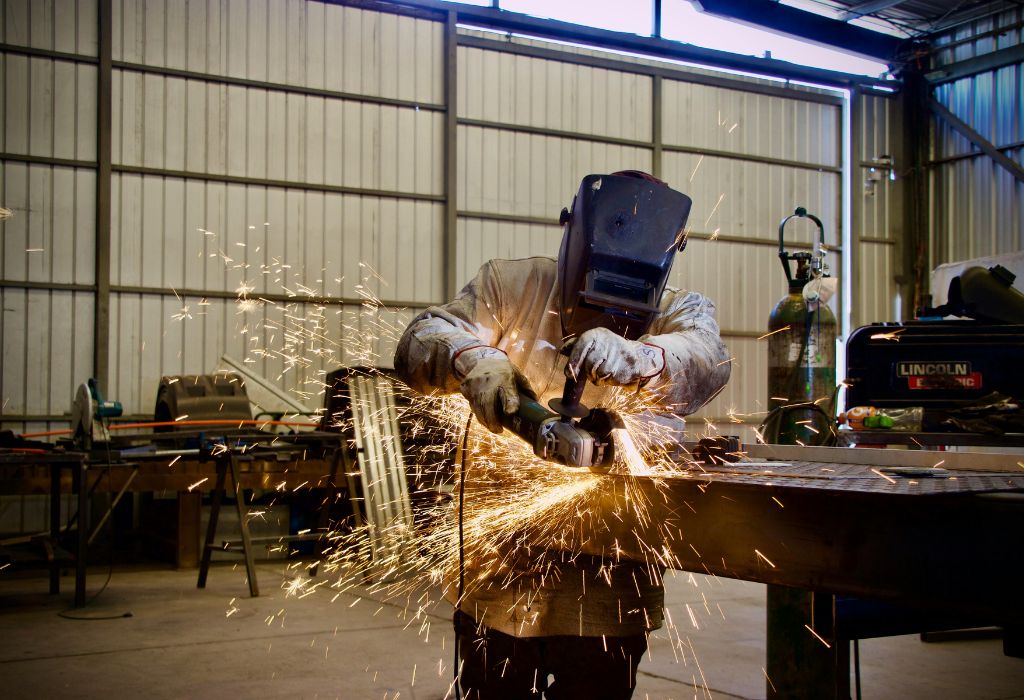
Imagine working in your welding shop, preparing for a long session, and noticing that your helmet wobbles or slides on your head. The fit feels loose, and the straps are worn, making it difficult to focus on precise welds.
A secure welding helmet is essential for safety, comfort, and productivity. Headgear is the component that holds the helmet in place, and when it wears out or breaks, your vision and protection are compromised.
Many welders underestimate how important headgear is until it causes discomfort or instability. Studies show that improper helmet fit can increase neck fatigue and reduce welding accuracy over time.
Replacing welding helmet headgear may seem intimidating at first, but it is a straightforward process when you understand the components and steps. Proper replacement ensures both safety and comfort during long welding sessions.
This guide provides detailed instructions, tips, and preventive measures for replacing headgear on your welding helmet. By the end, you’ll know how to install new headgear, adjust it for comfort, and maintain it for longevity.
With the right tools, preparation, and careful attention, a worn or broken headgear can be replaced efficiently, restoring your helmet’s stability and your confidence during welding.
Understanding Welding Helmet Headgear
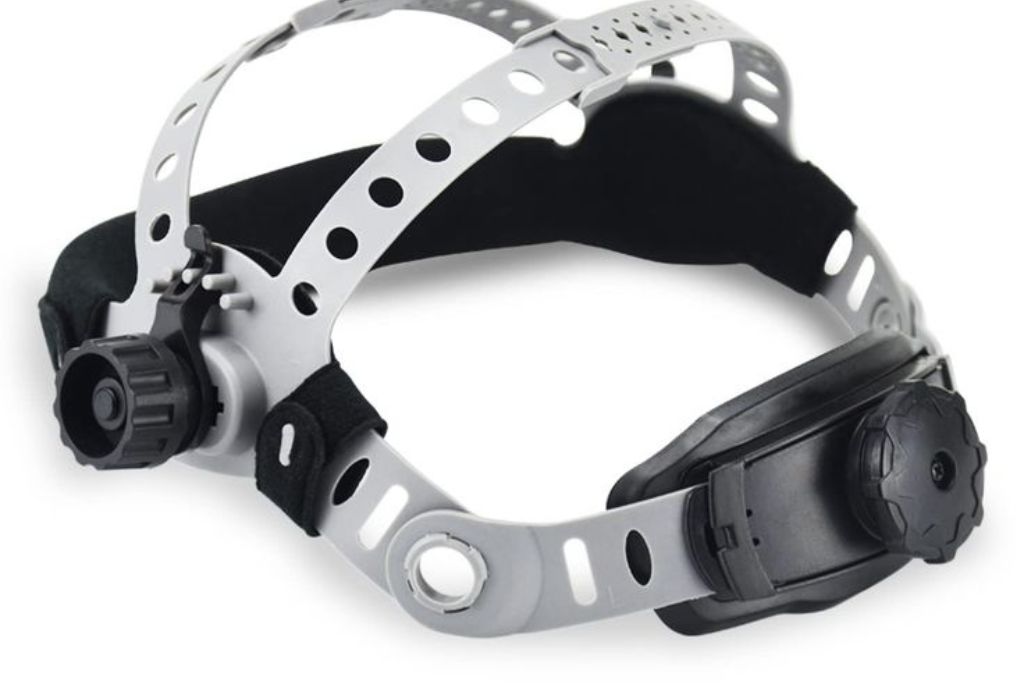
The headgear of a welding helmet is the system that holds the helmet securely on your head. It includes components such as the crown strap, ratchet adjustment, side pivots, and headband.
Headgear ensures that the helmet stays in place, allowing your eyes to align properly with the viewing lens. Proper alignment is critical to see the weld clearly while protecting your eyes from sparks and harmful radiation.
Common types of welding helmet headgear include ratchet-adjustment systems, sliding or pin-lock mechanisms, and padded headbands. Each offers different levels of comfort and adjustment precision.
The crown strap distributes the weight of the helmet evenly across the head, reducing pressure on the forehead. Adjustable ratchets allow fine-tuning for a snug fit without causing headaches.
Signs that your headgear needs replacement include cracks, worn padding, broken ratchets, or loose pivot points. Using a damaged headgear can compromise safety and make the helmet unstable during welding.
Headgear also affects ventilation and heat dissipation. A properly fitted system allows air to circulate, reducing sweat accumulation and improving overall comfort during long sessions.
Even small issues, such as worn straps or minor loosening, can impact welding precision. Ensuring proper fit is as critical as the helmet itself for both beginners and experienced welders.
Tools and Materials Needed
Before starting, gather the necessary tools to make replacement efficient. Common tools include screwdrivers, pliers, and Allen wrenches depending on your helmet model.
Wear gloves to protect your hands when handling sharp edges or metal parts. Eye protection is recommended in case you accidentally drop screws or springs during replacement.
Ensure you have the correct replacement headgear compatible with your helmet brand. Using incompatible parts may result in improper fit or unsafe operation.
Optional items like lubricants can help ratchet mechanisms or pivot points move smoothly. Light silicone grease is often sufficient to prevent stiffness.
A measuring tape or ruler is helpful for aligning headgear properly and ensuring that the helmet sits evenly on your head. Proper alignment avoids discomfort and instability.
Create a checklist of screws, washers, bolts, and any other small parts. Organizing these in advance prevents frustration during replacement and ensures that nothing is lost mid-process.
Having a clean workspace, preferably on a flat surface, allows easy access to helmet components. Keep the old headgear handy for reference on how the new one should be installed.
Preparing Your Welding Helmet
Before removing the old headgear, clean the helmet exterior and lens area to prevent dust and debris from interfering with the installation.
Inspect the helmet shell for cracks, warping, or other damage. Replacing headgear on a compromised helmet may not restore full safety, and the shell itself may need repair.
Remove the old headgear carefully, noting how straps, pivot points, and adjustment mechanisms are attached. Taking photos can help remember the original configuration.
Examine screws, washers, and ratchet mechanisms for wear or corrosion. Replacing worn components ensures the new headgear functions properly and lasts longer.
Organize small parts and hardware from the old headgear in a container. This prevents losing essential pieces during installation.
Check that the replacement headgear is correct for your helmet type and comfortably fits your head size. Some helmets require brand-specific headgear, while others use universal adapters.
Assess padding and comfort features. Some replacement kits include extra foam or straps to improve ergonomics, which can enhance comfort for extended welding sessions.
Step-by-Step Replacement Process
Start by loosening and removing screws or bolts that secure the old headgear. Keep track of which screws go where, as pivot and ratchet mechanisms often use different sizes.
Detach the crown strap, side pivots, and headband from the helmet carefully. Avoid bending or breaking plastic pivot pieces.
Align the new headgear with the helmet’s pivot points. Ensure that ratchet knobs and attachment holes line up correctly before inserting screws.
Attach screws or bolts, tightening evenly on both sides. Over-tightening may crack the helmet shell, while under-tightening can cause instability.
Adjust the ratchet or sliding mechanism so the headgear sits snugly on your head. Check that the helmet tilts smoothly and does not wobble during motion.
Test the helmet’s rotation, tilt, and overall stability. The helmet should stay in position when lowering or raising the front lens.
For helmets with padding inserts, adjust or add extra foam for comfort. Proper padding prevents pressure points and increases wearability during long welding sessions.
Double-check all screws, pivot points, and ratchet mechanisms to ensure they are secure. Stability is critical for both safety and precision in welding.
Adjusting for Comfort and Fit
Place the helmet on your head and note any pressure points. Adjust the ratchet knob or sliding straps to relieve discomfort.
Ensure that the crown strap evenly distributes the helmet’s weight across your head. Uneven pressure can lead to headaches or strain during long sessions.
The helmet should sit so the lens aligns with your eyes without requiring awkward head positioning. Proper alignment is critical for visibility and safety.
Check that side pivots allow smooth movement when tilting the helmet up or down. Resistance or tightness can cause strain or reduce reaction time during welding.
Adjust the headband for snug but comfortable contact with your forehead and the back of your head. A secure fit prevents the helmet from slipping during welding arcs.
Perform a trial tilt and shake test to confirm that the helmet stays in place. Small adjustments may be needed until it feels secure yet comfortable.
If padding compresses over time, readjust straps or consider replacing foam inserts. Comfort directly affects concentration and precision while welding.
Maintenance Tips for Welding Helmet Headgear

Inspect the headgear regularly for cracks, worn straps, or broken ratchets. Early detection prevents accidents and discomfort.
Clean padding and headbands with mild soap and water to remove sweat, dust, and debris. Dirty headgear can degrade comfort and hygiene.
Lubricate ratchet and pivot mechanisms lightly if recommended by the manufacturer. Smooth movement prevents wear and tear.
Check screws and bolts periodically to ensure they remain tight. Vibrations from welding can loosen hardware over time.
Replace worn foam or padding to maintain comfort. Proper padding improves stability and reduces fatigue during long welding sessions.
Store the helmet in a dry, safe place to avoid damage to the headgear and shell. Avoid stacking helmets or applying pressure to straps that could deform them.
Keep spare screws, washers, or small parts available. This ensures quick repairs if components wear or break unexpectedly.
Frequently Asked Questions
How often should I replace welding helmet headgear?
Replace when straps are cracked, ratchets fail, or padding loses shape, typically every few years depending on usage.
Can I replace headgear myself or should I hire a professional?
Most helmet headgear replacements are DIY-friendly with basic tools.
Will new headgear fit all helmet models?
No, some helmets require brand-specific replacement kits, while others accept universal adapters.
How do I prevent headgear from slipping during welding?
Ensure proper adjustment of ratchet or sliding mechanism and check crown strap alignment.
Can worn padding cause eye strain or discomfort?
Yes, improper fit forces awkward head positioning and can lead to fatigue or strain.
Are replacement headgear kits universal or brand-specific?
Many are brand-specific for proper fit, but some helmets offer universal kits with adjustable mounts.
What tools are required for most helmet headgear replacements?
Screwdrivers, pliers, and Allen wrenches are typically sufficient.
Can I upgrade my headgear for more comfort?
Yes, some replacement kits include improved padding or ratchet systems for better ergonomics.
How do I adjust the ratchet for optimal fit?
Tighten or loosen gradually while wearing the helmet until it fits snugly without pressure points.
Is it safe to weld with slightly loose headgear?
No, loose headgear can shift during welding, reducing protection and risking exposure to sparks or light.
Conclusion
Replacing welding helmet headgear is straightforward when you have the right tools, parts, and knowledge. Proper replacement restores helmet stability, comfort, and safety.
Preparation, careful installation, and adjustment are key to ensuring a snug, secure fit. Following the steps above guarantees the helmet remains functional and protective during welding.
Regular inspection, maintenance, and adjustment prolong headgear life and reduce fatigue during long welding sessions. A properly fitted helmet improves focus, comfort, and overall welding performance.
By understanding the components, preparing carefully, and replacing worn or damaged headgear, welders can maintain optimal safety and comfort. Proper headgear ensures that every welding session is both productive and safe.

I’m Darrell Julian, the founder, lead writer, and hands-on welding enthusiast behind ArcWeldingPro.com. With more than 15 years of real-world welding experience, I created this platform to share what I’ve learned in the field, in the shop, and in the heat of the arc.