Buying a used welding helmet can save money, but it comes with an important responsibility: sanitizing it properly. Many second-hand helmets harbor dirt, grime, sweat, and even bacteria that could compromise your safety or comfort.
Imagine picking up a pre-owned auto-darkening helmet and noticing the inner headgear is sticky or the sweatbands are grimy. Using it without cleaning could cause irritation, odors, or even skin infections over time.
Cleaning a used weld helmet is different from cleaning new gear. Auto-darkening lenses, padding, and delicate plastics require careful handling to avoid damage while ensuring proper disinfection.
Many welders underestimate the buildup of contaminants in high-touch areas like headgear straps, sweatbands, and lens surfaces. Statistics indicate over 70% of used helmets sold online or at second-hand stores show visible grime or dirt.
With proper preparation, cleaning, and maintenance, a used welding helmet can be as safe and comfortable as a new one. The right method preserves lens clarity, maintains headgear integrity, and eliminates unwanted microbes.
This guide will walk you through the step-by-step process of sanitizing a used weld helmet, from shell to lens to padding, and provide tips for long-term care and safety.
Understanding Your Weld Helmet
Before cleaning, it’s crucial to understand the components of your welding helmet. A typical helmet consists of the shell, lens, headgear, padding, and sometimes a sweatband. Each part requires different cleaning techniques.
Passive helmets have a fixed shade lens, while auto-darkening helmets use electronic lenses that adjust to arc light. These lenses are delicate and must be protected during cleaning.
The helmet shell is often made of impact-resistant plastic or fiberglass. While sturdy, harsh chemicals can degrade the material over time.
Headgear and padding absorb sweat and are the most common sources of bacteria and odor. Frequent contact with skin means thorough sanitization is critical for hygiene.
Sweatbands, straps, and internal adjustments are often overlooked, but these areas accumulate dirt, grime, and germs. Disinfecting them ensures the helmet is safe and comfortable.
Even small scratches on the lens can reduce visibility and safety. Protecting optical surfaces while cleaning is just as important as disinfecting high-contact areas.
Preparing for Sanitization
Start by gathering all necessary supplies. You’ll need soft microfiber cloths, mild soap, warm water, disinfectant wipes or sprays, and lens-safe cleaners. Avoid harsh chemicals that can damage plastics or lens coatings.
Remove batteries if your helmet has an auto-darkening lens. This prevents short-circuiting and protects electronic components during cleaning.
Disassemble removable components such as headgear, padding, sweatbands, and the lens if possible. This allows for thorough cleaning and ensures all surfaces are sanitized.
Wear disposable gloves to protect your hands from cleaning chemicals and contaminants. Consider using a mask if you’re sensitive to odors or sprays.
Choose a well-ventilated area for cleaning. Proper airflow reduces inhalation of chemical fumes and ensures surfaces dry more quickly.
Inspect the helmet for cracks, dents, or other damage before cleaning. Repair or replace damaged parts to maintain safety standards.
Cleaning the Helmet Shell
Begin with the helmet exterior. Wipe the shell down using a soft cloth and mild soap solution to remove dust, dirt, and welding residue.
High-touch areas, such as adjustment knobs and edges, should be cleaned with disinfectant wipes. This removes accumulated oils and bacteria.
Avoid using abrasive pads or brushes on the shell, as these can scratch the surface and compromise its durability.
Dry the helmet thoroughly using a clean microfiber cloth. Moisture left behind can lead to mold or weaken adhesives in the headgear assembly.
Inspect the shell for stubborn dirt or welding splatter. For small spots, a damp cloth with mild soap is usually sufficient.
Repeat cleaning if necessary until all surfaces appear clean and free of visible residue. A spotless shell improves hygiene and extends helmet life.
Sanitizing the Lens
The lens is the most critical component for vision and safety. Start by removing loose debris with a soft microfiber cloth.
Use a manufacturer-approved lens cleaner or a mild soap solution to gently wipe both inner and outer surfaces. Avoid strong chemicals that can damage the auto-darkening sensor or lens coatings.
For disinfecting, alcohol-based wipes safe for optics can be used. Apply gently and avoid soaking the lens.
Rinse with distilled or clean water if necessary and dry using a microfiber cloth. Avoid paper towels, which can scratch the lens surface.
Check for scratches, chips, or discoloration. If lens damage is present, consider replacing it before using the helmet to ensure clear visibility.
For lenses with anti-fog coatings, ensure your cleaning method does not degrade the surface. Following manufacturer recommendations is critical.
Cleaning and Sanitizing Headgear and Padding
Remove all internal headgear components, including sweatbands and straps. These areas absorb sweat and are prone to bacterial buildup.
Wash fabric sweatbands in warm, soapy water. Some are machine washable, but always check manufacturer instructions.
Disinfect plastic straps and padding with alcohol-based wipes or mild disinfectant sprays. Avoid soaking, which can weaken adhesives or materials.
Allow all components to air dry completely. Damp padding or straps can foster mold and odor development.
Inspect for wear and tear. Replace cracked or brittle straps, worn padding, or damaged adjustments to ensure proper fit and safety.
Reassemble headgear carefully once all parts are clean and dry. Test fit to ensure comfort and that the helmet maintains proper positioning.
Maintenance Tips After Sanitizing
Store the helmet in a clean, dry protective case when not in use. This prevents dust accumulation and potential scratches.
Wipe down surfaces after each use to prevent buildup of sweat, dust, or welding residue. A quick wipe saves time during deep cleaning.
Check batteries and auto-darkening sensors periodically. Replace batteries before they die to maintain safety during welding.
Inspect the helmet regularly for cracks, warped plastics, or damaged headgear. Replace parts promptly to maintain safety and comfort.
Avoid storing helmets in extreme temperatures or direct sunlight, which can damage plastics and lens coatings.
Routine sanitization keeps the helmet safe, odor-free, and comfortable for daily use. Consistent care prolongs the life of your welding equipment.
Troubleshooting and Extra Tips
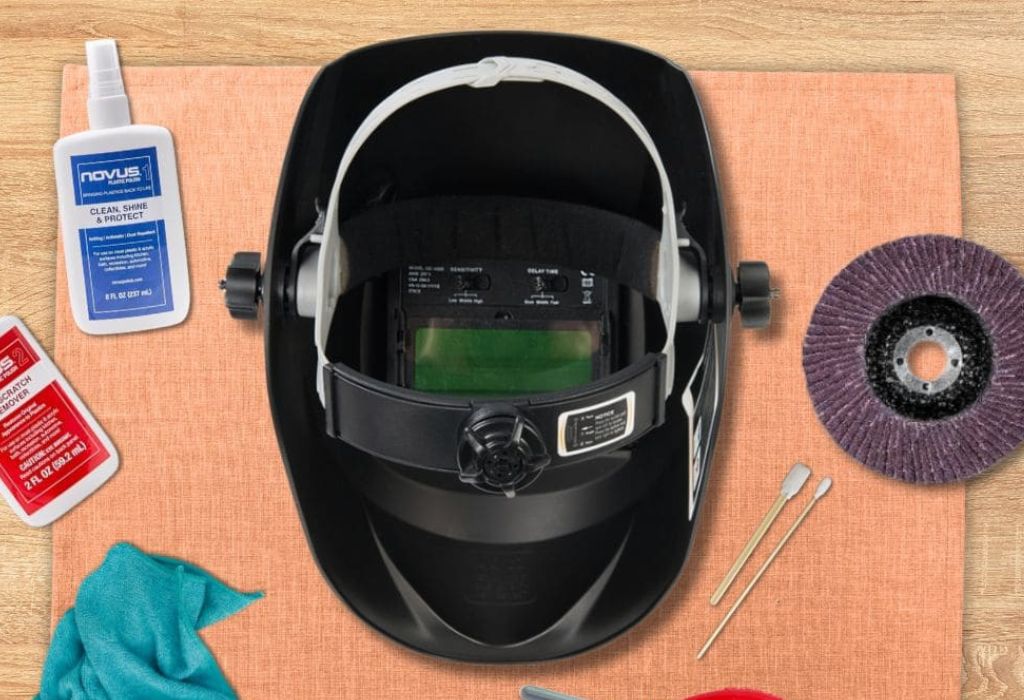
If the helmet smells after cleaning, ensure padding is fully dry and consider additional disinfecting sprays.
For stubborn grime on the shell, gently use a soft-bristle brush with mild soap. Avoid harsh chemicals or scrubbing that can damage the helmet.
Auto-darkening lenses may malfunction if water seeps into electronics. Remove batteries and dry thoroughly before reassembly.
Replace worn components like sweatbands, straps, or padding to maintain comfort and hygiene. New parts improve fit and overall safety.
Regular inspections can prevent accidental exposure to contaminants or weakened protective components. Make helmet checks part of your routine before each welding session.
Frequently Asked Questions
Can I use bleach to sanitize a weld helmet?
No. Bleach can damage plastics, lens coatings, and adhesives in the helmet.
How often should I sanitize my helmet?
After buying used, and routinely after heavy use or multiple operators.
Can I soak a helmet in water?
No, soaking can damage electronic lenses, sensors, and adhesives.
How do I avoid scratching auto-darkening lenses?
Use soft microfiber cloths and manufacturer-approved cleaning solutions only.
Are disinfectant wipes safe for lens coatings?
Yes, if labeled safe for optics. Avoid alcohol-heavy wipes on coated lenses unless manufacturer allows it.
Can I sanitize a helmet with alcohol spray?
Yes, in moderation and applied with a soft cloth. Avoid spraying directly on electronics.
How do I clean foam padding without damaging it?
Hand wash with mild soap and warm water, air dry fully. Avoid machine heat if not specified.
Can I sanitize a used helmet purchased online?
Absolutely. Follow disassembly, cleaning, and drying steps carefully.
Is UV light effective for sanitizing helmets?
It may help kill bacteria but does not replace cleaning or lens care.
How do I remove welding splatter safely?
Use a soft cloth or plastic scraper; avoid abrasive tools near lens and shell surfaces.
Can I clean a cracked or damaged helmet?
Yes, but inspect and repair or replace parts before using to maintain safety.
How long does padding take to dry completely?
Typically 12–24 hours depending on material and ventilation.
Should I sanitize after every use or only when purchased used?
Ideally after heavy use or shared helmets, and after purchase to ensure cleanliness.
Can I use household cleaners on helmet exterior?
Mild soap is fine; avoid harsh chemicals that may degrade plastic.
How do I maintain lens clarity after disinfecting?
Use microfiber cloths, lens-safe cleaners, and avoid abrasive wipes.
Are there commercial helmet sanitizers available?
Yes, but always check that they are safe for optics and plastics.
Can I use a helmet immediately after sanitizing?
Only after it has fully dried, especially padding and straps.
How do I disinfect straps without shrinking them?
Use wipes or light spray; avoid soaking or machine washing unless manufacturer specifies.
Conclusion
Sanitizing a used weld helmet is essential for safety, comfort, and hygiene. By disassembling the helmet, cleaning the shell, lens, and headgear, and disinfecting all high-contact areas, you can ensure it’s ready for safe use.
Routine maintenance and careful storage prevent contamination, extend helmet life, and protect your eyes and skin during welding. Always follow manufacturer recommendations to maintain lens clarity and auto-darkening functions.
With these steps, your used weld helmet can perform like new, providing clear vision, comfort, and reliable protection for every welding session.

I’m Darrell Julian, the founder, lead writer, and hands-on welding enthusiast behind ArcWeldingPro.com. With more than 15 years of real-world welding experience, I created this platform to share what I’ve learned in the field, in the shop, and in the heat of the arc.