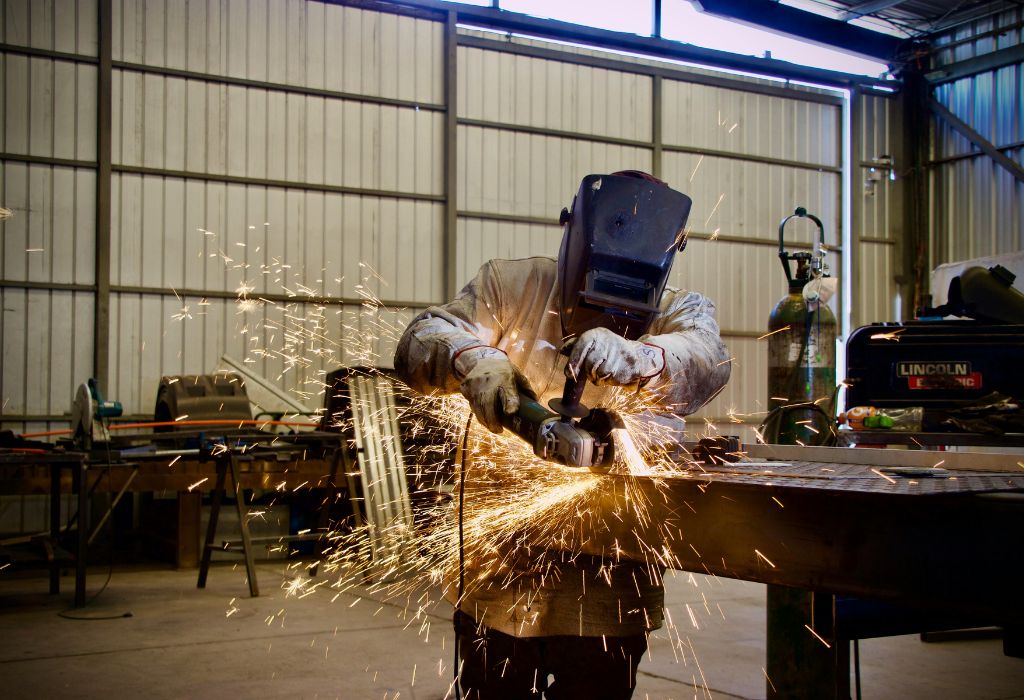
Imagine preparing for a welding project, positioning your torch, and expecting your auto darkening welding helmet to respond—but it doesn’t. Sparks fly, and your eyes are exposed to intense light, leaving you vulnerable to serious injury. Auto darkening helmets are designed to protect welders instantly, but without proper triggering, even a high-quality helmet cannot provide safety.
For over 80% of professional welders, auto darkening helmets are essential, combining eye protection with efficiency. However, new welders often struggle with triggering issues, leading to delayed lens darkening, inconsistent response, and, in worst-case scenarios, temporary blindness or eye strain. Studies indicate that improper helmet use and sensor failure are among the leading causes of welding eye injuries.
Even experienced welders can encounter problems if their helmet is not maintained properly or if their technique prevents sensors from detecting the arc. Environmental factors like dust, spatter, low battery power, or extreme temperatures can interfere with helmet performance. Understanding the mechanics of auto darkening helmets, why they fail to trigger, and how to correct these issues is critical for safety and welding efficiency.
This comprehensive guide explores the inner workings of auto darkening helmets, common reasons for failure, step-by-step procedures to ensure proper triggering, advanced troubleshooting techniques, and maintenance strategies. You will learn how to align sensors, adjust settings, maintain batteries, and troubleshoot common issues, ensuring your helmet responds instantly and reliably every time you weld. With proper knowledge and technique, you can prevent injuries, protect your vision, and make welding a safer, more efficient process.
How Auto Darkening Welding Helmets Work
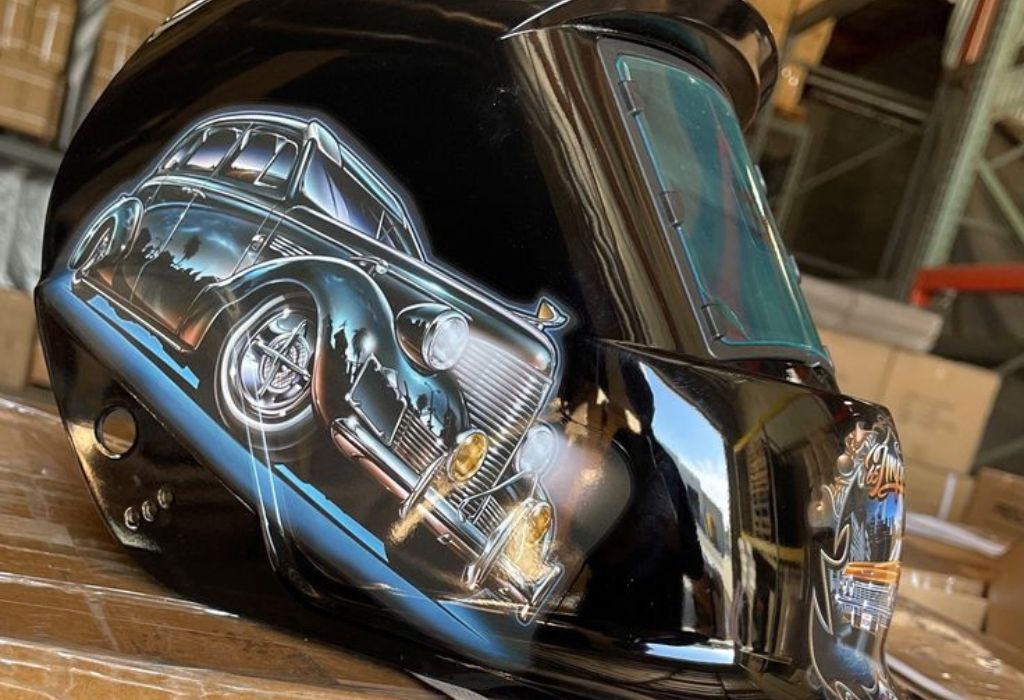
Auto darkening welding helmets are complex pieces of protective equipment that combine sensors, electronic controls, and LCD lens technology to provide instantaneous protection.
Sensors and Electronics
Auto darkening helmets rely on light sensors strategically placed on the lens. These sensors detect the bright light emitted by the welding arc and trigger the lens to darken within milliseconds.
- Number and Placement: Most helmets include two to four sensors to ensure proper detection from multiple angles. This redundancy helps prevent failure if one sensor is blocked.
- Sensitivity Adjustment: Helmets allow users to adjust sensitivity, determining how bright a light must be to trigger the lens. High sensitivity reacts to weak arcs, while lower sensitivity prevents false triggers from ambient light.
- Signal Processing: When sensors detect the arc, they send a signal to the LCD lens, darkening it instantly to protect the eyes. The electronics must function reliably to avoid delays or missed triggers.
Lens Technology
The helmet lens consists of multiple layers of liquid crystal displays (LCD) that change opacity rapidly:
- Variable Shades: Helmets allow users to select shade levels, usually from #9 to #13, depending on the welding type and current. Proper shade selection ensures adequate eye protection.
- Delay Settings: Delay determines how long the lens remains dark after the arc stops. Adjusting delay settings prevents temporary exposure to residual brightness.
- True Color Lenses: Some helmets offer enhanced visibility and true color representation, reducing eye strain and improving precision during welding.
Power Sources
Helmets operate via batteries, solar power, or a hybrid system combining both:
- Battery-Powered Helmets: Require periodic replacement or charging of batteries. Low battery power can result in slow or failed triggering.
- Solar-Powered Helmets: Recharge during welding, but require consistent light exposure to maintain performance.
- Hybrid Helmets: Combine batteries and solar panels to provide consistent power for longer durations and reduce downtime.
Understanding these components is essential, as issues with sensors, lens electronics, or power supply are the main reasons helmets fail to trigger.
Common Reasons Helmets Don’t Trigger
Even premium helmets may fail if certain conditions are not met. Recognizing these problems helps maintain optimal performance.
Dirty or Blocked Sensors
- Cause: Welding spatter, dust, or debris covering sensors can prevent detection.
- Symptoms: Helmet fails to darken, triggers inconsistently, or reacts slowly.
- Solution: Regularly clean sensors with a soft cloth, avoid abrasive cleaners, and protect the helmet when not in use.
Incorrect Angle or Distance
- Cause: Sensors must face the welding arc directly. Obstructions or angles outside detection range can prevent triggering.
- Symptoms: Lens remains light or triggers too late.
- Solution: Adjust helmet angle, maintain proper distance from the arc, and ensure unobstructed line-of-sight to the welding area.
Low Battery or Dead Cells
- Cause: Weak batteries cannot provide sufficient power to activate the lens.
- Symptoms: Helmet hums but does not darken, or lens dims slowly.
- Solution: Replace batteries or recharge, and test battery output regularly.
- Prevention: Check battery or solar function before welding sessions.
Malfunctioning Electronics
- Cause: Dropping the helmet or exposure to extreme heat/moisture can damage electronics.
- Symptoms: Inconsistent triggering, flickering lens, or complete failure.
- Solution: Reset the helmet, calibrate if possible, or contact the manufacturer for repair.
Environmental Factors
- Extreme cold or heat may affect sensor responsiveness.
- Indirect sunlight or reflections can cause false triggering if sensitivity is too high.
- Dusty or spattered environments reduce sensor efficiency; regular cleaning mitigates this.
Step-by-Step Guide to Trigger Your Helmet Correctly
Following proper technique ensures the helmet functions reliably.
Step 1: Adjust Helmet Fit
- Secure headgear so the helmet is stable without obstructing vision.
- Sensors should align with your line of sight and face the arc.
- Adjust side straps and head cradle for comfort and stability.
Step 2: Set Shade and Sensitivity
- Select the appropriate shade based on welding type and current.
- Adjust sensitivity to respond to the arc but avoid false triggers.
- Configure delay settings to protect your eyes from residual light after the arc stops.
Step 3: Clean and Inspect Sensors
- Wipe sensors with a soft, dry cloth before every session.
- Inspect for cracks, damage, or loose wiring.
- Ensure no sparks, hands, or materials block sensors during welding.
Step 4: Test Triggering
- Use a small arc or test light to confirm lens response.
- Observe lens darkening speed; adjust sensitivity if the helmet does not react consistently.
- Re-test frequently for long sessions or after helmet adjustments.
Step 5: Maintain Proper Welding Position
- Avoid blocking sensors with hands, body, or materials.
- Position the helmet facing the arc directly, especially during initial contact.
- Adjust helmet height for different welding tasks (MIG, TIG, Stick, plasma) to ensure sensors are effective.
Advanced Troubleshooting
Diagnosing Sensor Failure
- Test individual sensors with a flashlight or test arc.
- Check for visible damage or misalignment.
- Replace sensors if they fail to respond consistently.
Testing Electronics
- Inspect internal wiring for loose connections.
- Reset helmet electronics according to manufacturer instructions.
- Verify that LCD lens transitions properly when triggered manually.
Calibration and Reset
- Some helmets allow sensitivity and delay recalibration.
- Follow manual instructions for factory reset if settings are misconfigured.
Component Replacement
- Replace damaged sensors, lens assemblies, or batteries.
- Always use manufacturer-approved components for safety and reliability.
Battery Care and Power Optimization
Checking Battery Voltage
- Measure battery output with a multimeter; low voltage reduces helmet performance.
- Replace or recharge batteries as needed.
Solar Panels Maintenance
- Clean solar cells to remove dust or welding residue.
- Ensure panels receive adequate light exposure for charging.
Battery Replacement Tips
- Use high-quality batteries recommended by the manufacturer.
- Avoid mixing old and new batteries to prevent inconsistent performance.
Hybrid Systems Optimization
- Monitor both battery and solar functionality.
- Ensure the helmet switches seamlessly between power sources for continuous operation.
Maintaining Your Auto Darkening Helmet
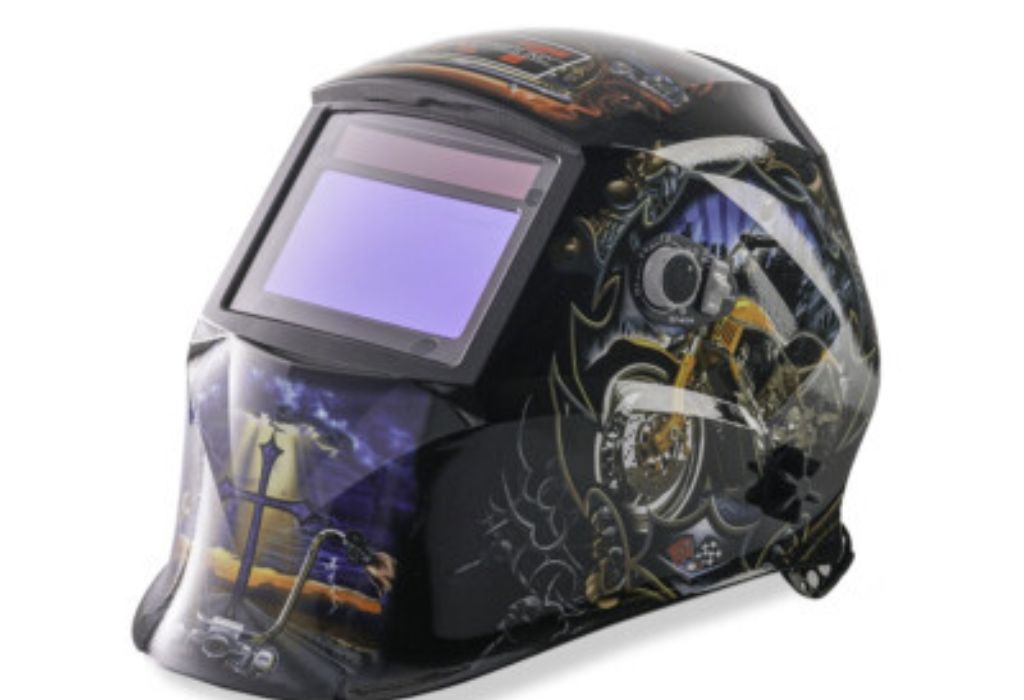
Cleaning and Care
- Wipe sensors, lens, and shell regularly.
- Avoid abrasive cleaners that can scratch the lens.
Inspecting Headgear
- Check straps, buckles, and cradle for wear or damage.
- Replace worn headgear components to maintain stability and comfort.
Storage
- Store in a clean, dry environment away from heat, dust, and sparks.
- Use helmet covers to prevent debris accumulation.
Avoiding Damage
- Do not drop or expose helmet to extreme temperatures.
- Avoid prolonged exposure to direct sunlight when not in use.
Welding Tips to Ensure Helmet Triggers
- Maintain consistent angle to the arc.
- Keep hands, tools, and workpieces from blocking sensors.
- Adjust settings for indoor vs outdoor welding conditions.
- Move slowly into the weld start position to allow sensors to detect light.
- Test triggering regularly to prevent delayed lens response during critical welds.
Safety Considerations
- Always wear protective eyewear even if helmet fails.
- Never look directly at welding arcs without proper protection.
- Inspect helmet before welding; check battery, sensors, and electronics.
- Handle malfunctioning helmets carefully; do not attempt welding without verification.
Common Mistakes to Avoid
- Blocking sensors with hands or tools.
- Ignoring battery health or low charge indicators.
- Improper helmet angle relative to arc.
- Failing to clean sensors regularly.
- Using incorrect shade or sensitivity settings.
Extended FAQ Section (15 Questions)
- How close does the arc need to be to trigger the helmet?
Sensors must face the arc directly; exact range depends on model. - Can a helmet be triggered without an arc?
Yes, bright light can simulate arc, but actual welding requires arc detection. - Why does my helmet trigger too late or too early?
Check sensitivity, delay settings, and sensor alignment. - How often should I check sensors?
Inspect before each welding session; clean frequently. - Can extreme temperatures affect triggering?
Yes, very high or low temperatures can reduce sensor responsiveness. - Do solar-powered helmets require batteries?
Hybrid models do; batteries ensure consistent operation when light is insufficient. - Can helmet malfunction cause eye injury?
Yes, always test helmet before welding and wear backup safety glasses. - How do I adjust sensitivity?
Usually a dial or electronic setting per the manufacturer; adjust for arc strength. - Can I repair sensors myself?
Minor cleaning is DIY; electronic repairs require professional service. - Are auto darkening helmets suitable for all welding types?
Yes, but check shade and sensitivity for MIG, TIG, Stick, and plasma. - Why does my helmet flicker during welding?
Possible causes: low battery, dirty sensors, or malfunctioning electronics. - Can lens scratches affect triggering?
Yes, deep scratches may reduce sensor accuracy. - How do I test the helmet without welding?
Use a flashlight to simulate an arc for sensor verification. - Do older helmets trigger slower than modern models?
Yes, newer models have faster sensors and LCD response times. - How often should I replace the helmet?
Depending on usage, generally every 3–5 years or if sensors/electronics fail.
Conclusion
Auto darkening welding helmets are essential for eye protection and welding efficiency. Proper triggering ensures instant darkening, safeguarding your vision and enhancing performance. Common issues include dirty sensors, low batteries, misalignment, and improper settings.
By understanding helmet mechanics, adjusting shade and sensitivity, cleaning sensors, maintaining batteries, and following proper welding techniques, welders can achieve reliable and safe operation every time. Routine inspection, preventive maintenance, and careful handling maximize helmet lifespan and prevent accidents.
With these practices, welders can focus on their craft confidently, knowing their auto darkening helmet will trigger instantly, protecting their eyes while improving precision and productivity.

I’m Darrell Julian, the founder, lead writer, and hands-on welding enthusiast behind ArcWeldingPro.com. With more than 15 years of real-world welding experience, I created this platform to share what I’ve learned in the field, in the shop, and in the heat of the arc.