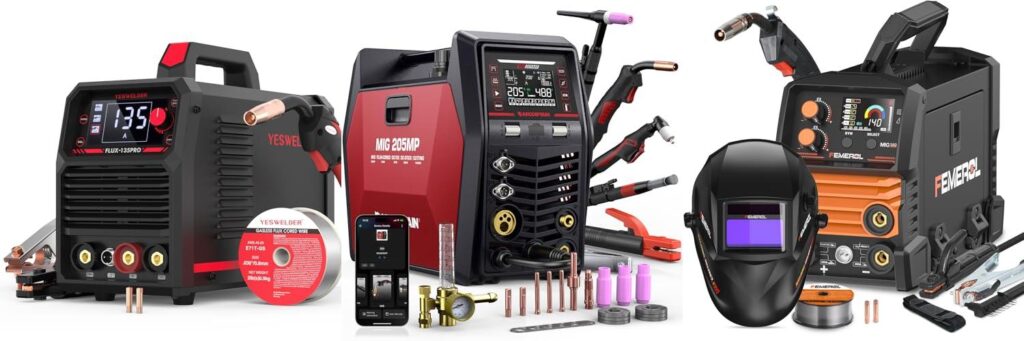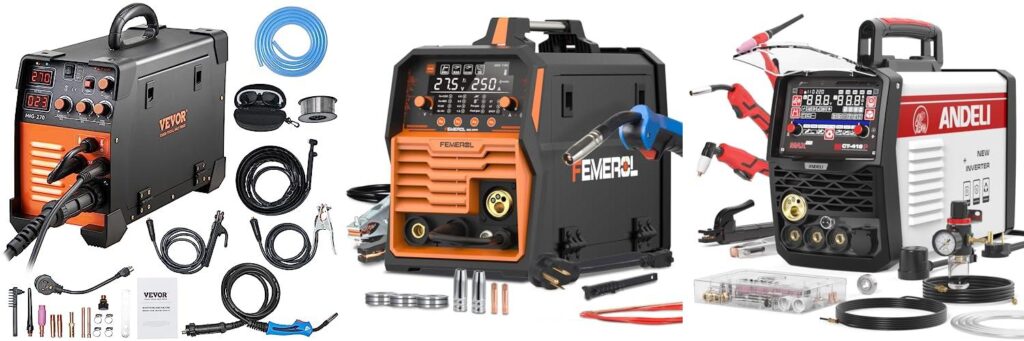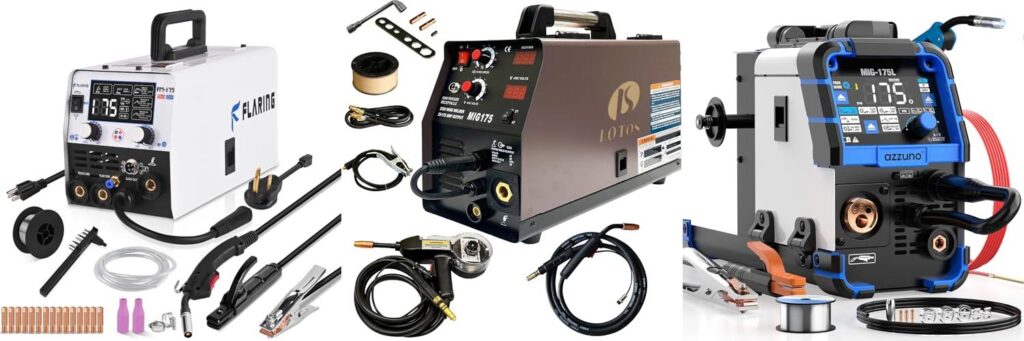
Ever looked at a broken metal piece and wished you could fix it yourself? Or maybe you have a DIY project in mind that needs strong, reliable connections. That’s where a welder comes in handy! But when it comes to choosing an inverter welder that runs on 230V, the choices can feel overwhelming. It’s like standing in a candy store with too many sweets – you don’t know which one to pick!
Many people find it tricky to figure out which inverter welder is best for their needs. You might worry about getting one that’s too complicated, too weak, or just not the right fit for the jobs you want to do. It’s a common struggle, and you’re not alone in feeling a little lost in the technical jargon and endless features.
But don’t worry! By the end of this post, you’ll have a much clearer idea of what makes a great 230V inverter welder. We’ll break down the important things to look for, so you can confidently pick the machine that will help you tackle your projects with ease and create those strong, lasting welds you’re aiming for. Let’s dive in and make your welding dreams a reality!
Our Top 5 Inverter Welder 230V Recommendations at a Glance
Top 5 Inverter Welder 230V Detailed Reviews
1. Amico Professional Welding Machine

Rating: 9.0/10
The Amico ARC-200 is a serious welding machine designed for professionals and serious hobbyists. It’s a Stick Arc and Lift-TIG combo, meaning it can do two types of welding. This machine is built tough for tough jobs.
What We Like:
- It handles lots of different welding rods, like E6010 and E7018.
- The Lift-TIG function is great for welding thin stainless steel.
- It automatically figures out your power voltage (100-250V), making it super easy to use anywhere.
- You can adjust the arc force for custom welding.
- Advanced IGBT inverter technology means a steady, strong arc.
- An 80% duty cycle at 200 amps lets you weld for a long time without stopping.
- It works even with a long power cord (up to 700 feet!).
- Built-in features like hot start and anti-stick make welding easier.
- It protects itself from voltage problems and overloads.
- Comes with all the necessary cables and a voltage adapter.
What Could Be Improved:
- The included power cord is only 7 feet long, which might be short for some projects.
- The user manual could be clearer for beginners.
This Amico ARC-200 welding machine offers impressive power and versatility. It’s a reliable tool that can handle many different welding tasks.
2. YESWELDER 135Amp MIG Welder

Rating: 9.3/10
Meet the YESWELDER FLUX-135PRO, a 3-in-1 welding machine that packs a punch for its size. This 110V welder is designed to be your go-to tool for a variety of welding jobs, whether you’re a beginner or have been welding for years.
What We Like:
- It’s a 3-in-1 welder, meaning you can do Flux Core MIG, Stick, and even Lift TIG welding. This is super handy for different projects.
- It can weld mild steel up to 2/5” thick, which is great for many common tasks.
- The synergic control makes welding easier. It matches the voltage to the wire speed automatically, and you can make small adjustments.
- The digital display is clear and shows you what’s happening with the current in real-time.
- It’s really light at only 11.4 lbs, making it easy to carry around.
- It comes with flux core wire so you can start welding right away without needing extra gas.
- It has built-in safety features like protection against voltage changes, too much current, and overheating.
What Could Be Improved:
- To use the Lift TIG function, you need to buy a special torch separately.
- The welding wire capacity is limited to 2LB spools.
This welder is a fantastic option for anyone needing a versatile and portable machine. It offers great value and makes welding more accessible.
3. Hpoouo 200Amp 20PCS Rods Stick Welder

Rating: 9.3/10
The Hpoouo 200Amp Stick Welder is a super mini and portable welding machine designed for home repairs and DIY projects. It’s a 110V IGBT inverter welder that comes with 20 welding rods and useful accessories, making it ready to use right out of the box.
What We Like:
- The welder is incredibly lightweight and compact, making it super easy to carry anywhere you need to weld.
- It features an adjustable current from 20-200A, allowing you to weld various metal thicknesses from 0.06 to 0.2 inches.
- Advanced IGBT inverter technology ensures a stable arc and smooth welding, even for beginners.
- Convenient features like hot start, arc force, and anti-stick help you start welding quickly and prevent rods from sticking.
- Built-in safety protections like over-voltage and over-heating keep you safe while working.
- It works with over 90% of welding rod types, offering great flexibility.
- The package includes helpful extras like chip hammers and welding gloves.
- 24-hour online customer service is available for any questions or issues.
What Could Be Improved:
- This model operates on 110V, so it might not be powerful enough for very heavy-duty industrial welding tasks.
- While it includes rods, you might need to purchase specific types depending on your welding needs.
Overall, this Hpoouo stick welder is a fantastic choice for anyone needing a portable and user-friendly welding solution for smaller jobs. Its ease of use and included accessories make it a great value.
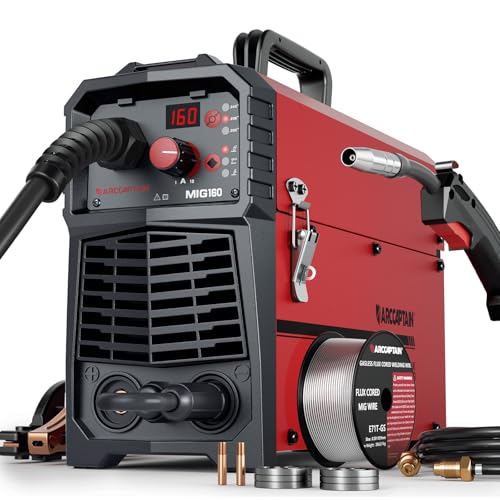
4. ARCCAPTAIN 160A MIG Welder 110V 220V 4 in 1 Welding Machine Gas MIG
Rating: 9.0/10
Get ready to tackle any welding job with the ARCCAPTAIN 160A MIG Welder. This versatile 4-in-1 machine is designed for beginners and experienced welders alike, offering multiple welding modes to suit your needs. Its portable design and user-friendly features make it perfect for home projects, outdoor repairs, and even farm equipment maintenance.
What We Like:
- It’s a 4-in-1 welder, meaning you can use Gas MIG, Gasless MIG (Flux Core), Lift TIG, and MMA Stick welding. This makes it super adaptable for different jobs.
- The Synergic Control makes welding easier, especially for beginners. It automatically matches the welding current and wire speed for you.
- It’s really portable! It only weighs 11.8 pounds, so you can easily carry it around with the handle or a shoulder strap.
- This welder has built-in safety features like over-current, over-load, overheating, and over-voltage protection to keep the machine safe and working longer.
- ARCCAPTAIN tests their welders in tough conditions, so you can trust that it’s high quality.
What Could Be Improved:
- You need to buy a separate Lift TIG torch if you want to use that welding mode.
- There’s a specific note about not powering it on again until the screen and fan turn off, which could be a little confusing for some users.
This ARCCAPTAIN welder is a fantastic choice for anyone looking for a reliable and adaptable welding machine. Its ease of use and portability make it a great tool for DIY enthusiasts and professionals alike.
5. Klutch Dual-Voltage AC/DC TIG/Stick Welder with Inverter Technology

Rating: 9.3/10
The Klutch Dual-Voltage AC/DC TIG/Stick Welder is a versatile tool for anyone who loves to build or fix things. It’s a welder that uses smart inverter technology to make welding easier and better. You can use it with both 120-volt and 230-volt power outlets, so you can plug it in almost anywhere you need to work. This welder can handle both TIG and Stick welding, giving you options for different jobs. It also comes with a foot pedal, which helps you control the heat precisely.
What We Like:
- You can plug it into regular outlets (120V) or bigger ones (230V).
- It’s more efficient and welds better thanks to its Power Factor Correction.
- The synergic setting automatically adjusts things, making it simpler to get a good weld.
- Inverter technology means it starts up easily and welds smoothly.
- A foot pedal is included for better control.
- It has overload protection to keep it safe.
What Could Be Improved:
- The maximum amperage is 200A, which might not be enough for very thick metals.
- Specific details about the duty cycle at different amperages are not provided.
This Klutch welder is a solid choice for hobbyists and DIYers. It offers a lot of flexibility and helpful features to make your welding projects more successful.
Choosing Your Next Inverter Welder: A 230V Buyer’s Guide
Thinking about getting a 230V inverter welder? They’re great tools for many projects. This guide will help you pick the right one.
What to Look For: Key Features
When you buy an inverter welder, some features are super important.
- Amperage Output: This tells you how much power the welder has. More amperage means you can weld thicker metal. For most home projects, 100-200 amps is usually enough. For thicker stuff, look for 200 amps or more.
- Duty Cycle: This is how long you can weld before the welder needs to cool down. A 60% duty cycle at 100 amps means you can weld for 6 minutes out of every 10. Higher duty cycles are better for long jobs.
- Portability: Inverter welders are usually light. Check the weight if you plan to move it around a lot. Some even have carrying straps.
- Power Factor Correction (PFC): This feature makes the welder more energy-efficient. It lets you plug into longer extension cords without losing power. It’s a nice bonus to have.
- Hot Start & Arc Force: These help you start your weld easily and keep the arc steady. Hot start gives a little boost to get going. Arc force stops the arc from sticking to the metal.
What It’s Made Of: Important Materials
The materials used in an inverter welder affect its durability and performance.
- Housing: Most welders have a tough metal or plastic casing. This protects the inner parts. A good casing can handle bumps and drops.
- Internal Components: High-quality electronic parts inside are key. These help the welder run smoothly and last longer. Look for brands that use reliable components.
- Cables and Connectors: The welding cables and electrode holder should be made of good, flexible material. This makes them easy to use and durable.
What Makes a Welder Great (or Not So Great): Quality Factors
Some things make a welder better than others.
- Brand Reputation: Well-known brands often make more reliable welders. They usually have better customer service too.
- Build Quality: Look at how well the welder is put together. Are the seams tight? Do the buttons feel solid? A well-built welder will last longer.
- Ease of Use: A good welder is easy to set up and use. Clear controls and a simple interface make a big difference, especially for beginners.
- Cooling System: Good cooling prevents the welder from overheating. Look for welders with fans and good ventilation. This keeps you welding longer.
- Safety Features: Over-voltage protection and thermal overload protection are important. These keep you and the welder safe.
Using Your Welder: User Experience and Use Cases
An inverter welder is very versatile.
- DIY Projects: They are perfect for fixing things around the house, like gates, fences, or trailers.
- Metal Fabrication: If you like building custom metal items, an inverter welder is a great choice.
- Automotive Repairs: Many car repairs involve welding. An inverter welder can handle these jobs.
- Beginner-Friendly: Many inverter welders are designed for beginners. They offer simple controls and helpful features like hot start.
- Portability: Their light weight means you can take them to different job sites or use them in tight spaces.
Frequently Asked Questions (FAQ)
Q: What is the main difference between an inverter welder and a traditional welder?
A: An inverter welder uses modern electronics to make the power smaller and lighter. Traditional welders are much bigger and heavier.
Q: Can I use a 230V inverter welder with a standard household outlet?
A: No, most 230V welders need a special 230V outlet. You might need an electrician to install one.
Q: What type of welding can I do with a 230V inverter welder?
A: You can usually do Stick welding (SMAW) and TIG welding (GTAW). Some models can also do MIG welding (GMAW).
Q: How thick of metal can I weld with a 230V inverter welder?
A: It depends on the amperage. A 200-amp welder can usually weld metal up to about 3/8 inch thick.
Q: Do I need special training to use an inverter welder?
A: Some basic training is helpful, especially for TIG welding. But many beginner-friendly models make Stick welding easier to learn.
Q: How important is the duty cycle for a home user?
A: For short projects, it’s not a big deal. If you plan to weld for long periods, a higher duty cycle is better.
Q: What is “stick out” in welding?
A: “Stick out” is the length of the welding electrode that is not yet melted.
Q: Can I weld aluminum with a 230V inverter welder?
A: You can weld aluminum with TIG welding if your welder has that capability and you use the right settings and gas.
Q: How do I maintain my inverter welder?
A: Keep it clean and dry. Make sure the vents are not blocked. Follow the manufacturer’s maintenance tips.
Q: Is a 230V inverter welder worth the cost for a beginner?
A: Yes, if you plan to do more than just occasional small repairs. They offer better performance and are more versatile.
In conclusion, every product has unique features and benefits. We hope this review helps you decide if it meets your needs. An informed choice ensures the best experience.
If you have any questions or feedback, please share them in the comments. Your input helps everyone. Thank you for reading.

I’m Darrell Julian, the founder, lead writer, and hands-on welding enthusiast behind ArcWeldingPro.com. With more than 15 years of real-world welding experience, I created this platform to share what I’ve learned in the field, in the shop, and in the heat of the arc.