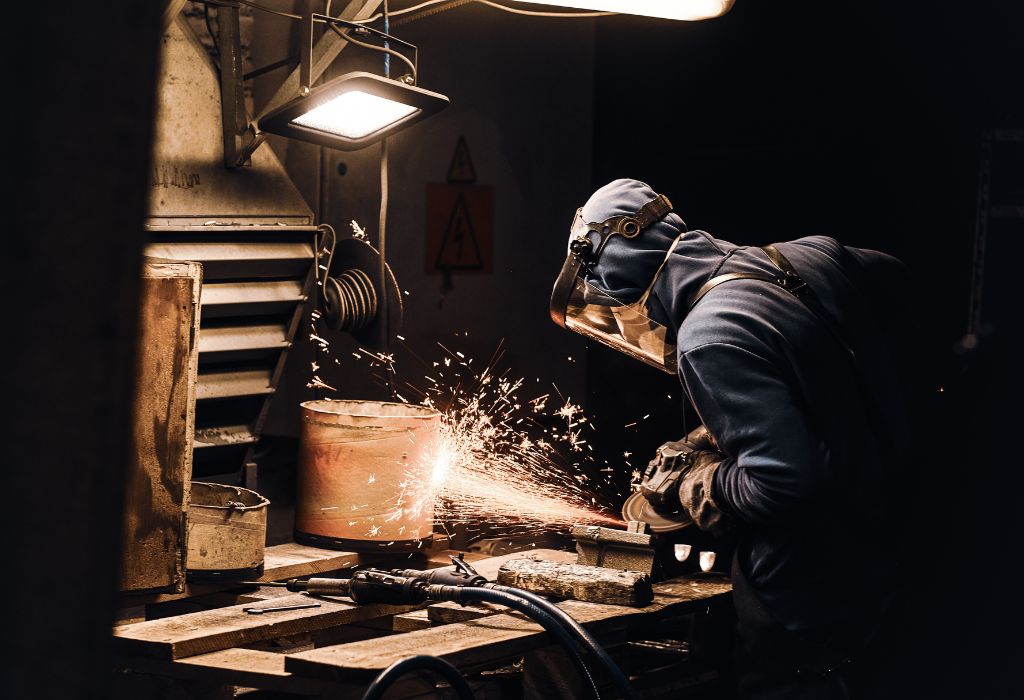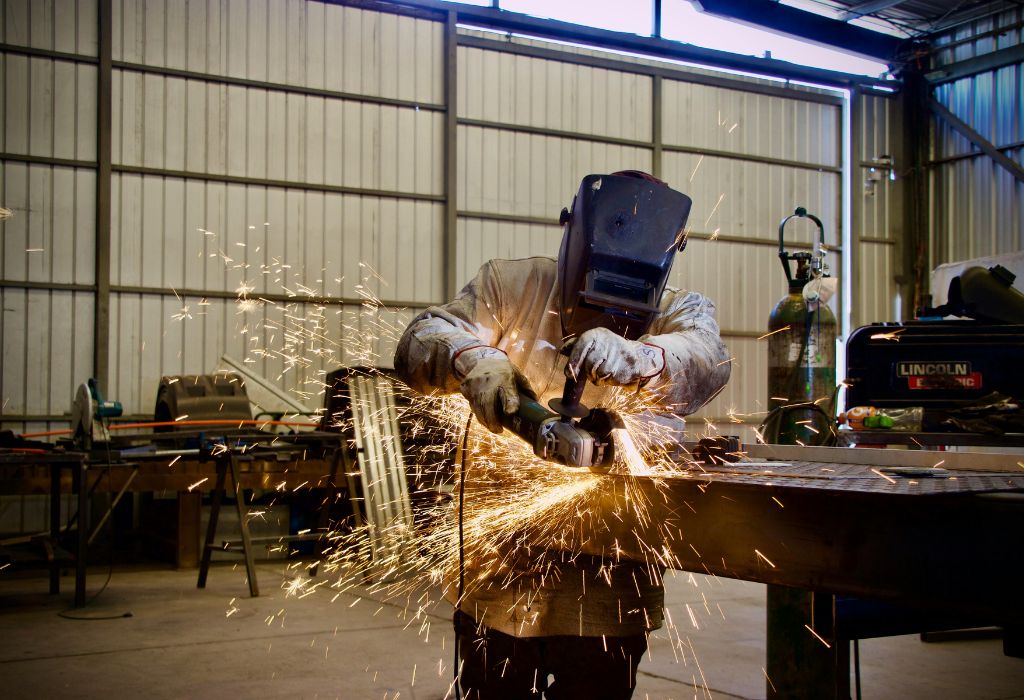
Imagine you’re on a busy worksite, preparing to weld a critical component, and suddenly realize you don’t have a welding helmet. Sparks fly, the arc begins, and you start to wonder: is my company responsible to provide me a welding helmet?
Welding is a high-risk activity involving bright UV/IR light, molten metal, and flying sparks. Exposure without the right helmet can cause serious eye injuries, permanent vision damage, burns, and even long-term health problems.
Many workers assume that protective equipment is optional or personal responsibility. In reality, occupational safety laws in most countries assign the responsibility of providing personal protective equipment (PPE) to the employer.
The importance of proper PPE cannot be overstated. It is not just about compliance with the law; it’s about protecting the worker, reducing workplace accidents, and maintaining productivity.
Even minor sparks can cause long-term retinal damage if eye protection is inadequate. Studies indicate that improper PPE usage contributes to nearly 25% of welding-related injuries worldwide.
This blog will explain your rights as a welder, your employer’s obligations, what makes a helmet safe, and practical steps if your company isn’t providing one.
By the end, you’ll understand the legal, ethical, and safety reasons why your welding helmet should be supplied by your employer, and how to ensure you are properly protected on the job.
Understanding Employer Responsibility

Employers are legally responsible for providing a safe work environment. This includes personal protective equipment (PPE) whenever employees are exposed to hazards.
Welding is considered a high-risk task because of intense light, molten metal, sparks, and harmful radiation. Without proper protection, the risk of injury is significant.
Occupational safety laws, such as OSHA in the US or Bangladesh Labour Act 2006, require employers to provide PPE at no cost to employees. Failure to do so can result in legal penalties and liability for injuries.
Providing PPE is not only a legal obligation—it is also a practical one. Companies that invest in safety reduce workplace accidents, minimize downtime, and improve overall efficiency.
Employers are also expected to maintain and replace worn-out equipment. A broken or inadequate helmet can be just as dangerous as having none at all.
Employers must train employees on correct PPE usage. This includes selecting the right shade for welding, adjusting the helmet for comfort, and inspecting it for damage.
Workers have the right to refuse unsafe work if the employer fails to provide required PPE. This ensures safety is never compromised for the sake of productivity.
Why Welding Helmets Are Essential
A welding helmet protects your eyes, face, and neck from multiple hazards. UV and infrared radiation can cause permanent eye damage if the proper filter shade is not used.
Helmets also protect against sparks, molten metal fragments, and intense heat. Burns to the face and neck are common without proper protection.
Modern helmets often feature auto-darkening technology. This reduces eye strain, allows for precise welding, and automatically adjusts to changing light conditions.
Different welding processes require specific shade levels. MIG, TIG, and Stick welding each need unique protection, which the employer should provide.
Using substandard or damaged helmets can result in severe injuries. Even short-term exposure to intense arc light without proper protection can cause “arc eye” or photokeratitis.
Helmets also prevent long-term damage such as cataracts, retinal burns, and skin problems. A proper helmet is an investment in both worker health and company liability protection.
Employers should ensure that helmets meet international safety standards (like ANSI Z87.1 or EN 379). Only certified equipment guarantees adequate protection.
Legal Obligations for Employers
Occupational Safety and Health (OSH) regulations make employers accountable for PPE provision. They must supply, maintain, and replace equipment as needed.
Employers must also provide training on proper helmet use. This includes adjusting the helmet, selecting the correct shade, and checking for cracks or worn parts.
Failure to provide a welding helmet can expose the company to liability in case of injury. Workers may be entitled to compensation for workplace negligence.
Employers must maintain documentation of PPE issuance, usage training, and maintenance schedules. This ensures compliance and demonstrates commitment to worker safety.
Regular inspections are crucial. Worn, damaged, or expired helmets are dangerous and must be replaced immediately.
Employers are responsible for costs associated with PPE, including replacements and repairs. Workers should not have to purchase mandatory protective equipment themselves.
Providing the correct helmet is not optional. It is a legal, ethical, and practical responsibility for any employer engaging in welding operations.
What to Do If Your Employer Doesn’t Provide a Helmet
Check your employment contract and company safety policies. PPE, including welding helmets, may be explicitly mentioned as employer-provided.
Submit a written request for a helmet. A polite email or formal notice citing legal obligations creates a record for accountability.
If the company refuses, escalate to your safety officer, union, or the labor regulatory authority. Most countries have agencies enforcing workplace safety standards.
Never weld without proper eye and face protection. Doing so exposes you to severe risk and may violate safety regulations.
If necessary, temporarily use a personal helmet while insisting that the employer supplies certified equipment. Ensure the temporary helmet meets safety standards.
Educate yourself about welding safety standards. Being informed strengthens your position and ensures that you are adequately protected.
Document any incidents or unsafe practices. Keeping records can help if legal or regulatory action becomes necessary.
Additional Safety Tips

Always inspect your welding helmet before use. Look for cracks, scratches, or worn components that could reduce protection.
Use the helmet correctly, adjusting it to fit snugly without obstructing vision or causing discomfort. A loose helmet can be as dangerous as no helmet.
Complement the helmet with additional PPE. Gloves, aprons, and ear protection improve overall safety during welding tasks.
Be aware of environmental hazards. Welding near flammable materials or in poorly ventilated areas increases risk, even with a helmet.
Follow company protocols for welding operations. Proper procedures and PPE combined significantly reduce workplace injuries.
Regularly update your knowledge of welding safety standards. Safety regulations can change, and staying current ensures compliance and protection.
Frequently Asked Questions
Is my employer legally required to provide a welding helmet?
Yes. Employers must provide appropriate PPE whenever employees are exposed to welding hazards.
Can I buy my own helmet instead?
While you may buy one, the employer is still legally responsible for providing standard-compliant PPE.
What standards should a welding helmet meet?
ANSI Z87.1, EN 379, or other local safety standards for eye and face protection.
What if the helmet is damaged?
The employer must repair or replace it promptly. Workers should never use damaged helmets.
Are auto-darkening helmets required?
Not always, but employers must provide suitable protection for the specific welding task.
Can I refuse welding without a helmet?
Yes. You have the right to refuse unsafe work if proper PPE is not provided.
Who is liable if I get injured without a helmet?
The employer may be held liable for failing to provide required PPE.
Does training on helmet use matter legally?
Yes. Employers must train workers to ensure safe and proper use of welding helmets.
Is PPE provision covered by the Bangladesh Labour Act?
Yes. Employers are required to provide safety equipment and maintain a safe work environment.
Do welding gloves and aprons count as part of helmet provision?
No. Gloves and aprons are additional PPE. A welding helmet is mandatory for eye and face protection.
Conclusion
Your employer is legally and ethically responsible for providing a welding helmet. It protects your eyes, face, and neck from sparks, UV radiation, and molten metal.
Proper PPE reduces workplace accidents, long-term injuries, and potential liability for the company. Certified helmets meeting safety standards must be supplied, maintained, and replaced when worn.
Workers should never weld without proper protection. If a helmet is not provided, request one formally and escalate through safety officers or labor authorities if needed.
By understanding your rights and employer obligations, you can ensure a safe work environment while complying with legal and industry safety standards. Proper protection keeps both the worker and company safe, while preventing injuries and costly downtime.

I’m Darrell Julian, the founder, lead writer, and hands-on welding enthusiast behind ArcWeldingPro.com. With more than 15 years of real-world welding experience, I created this platform to share what I’ve learned in the field, in the shop, and in the heat of the arc.